Digital Nomad Guide in Kuala Lumpur: What You Need to Know
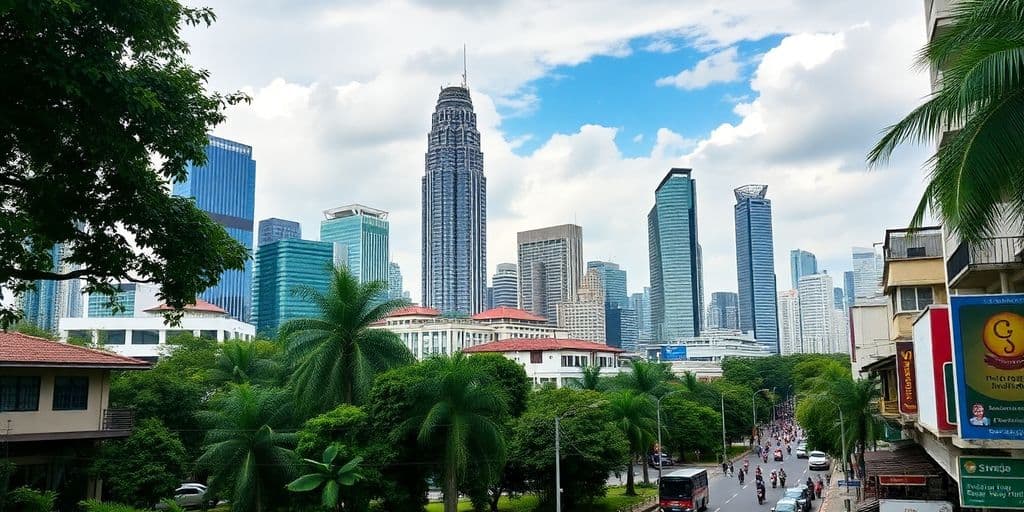
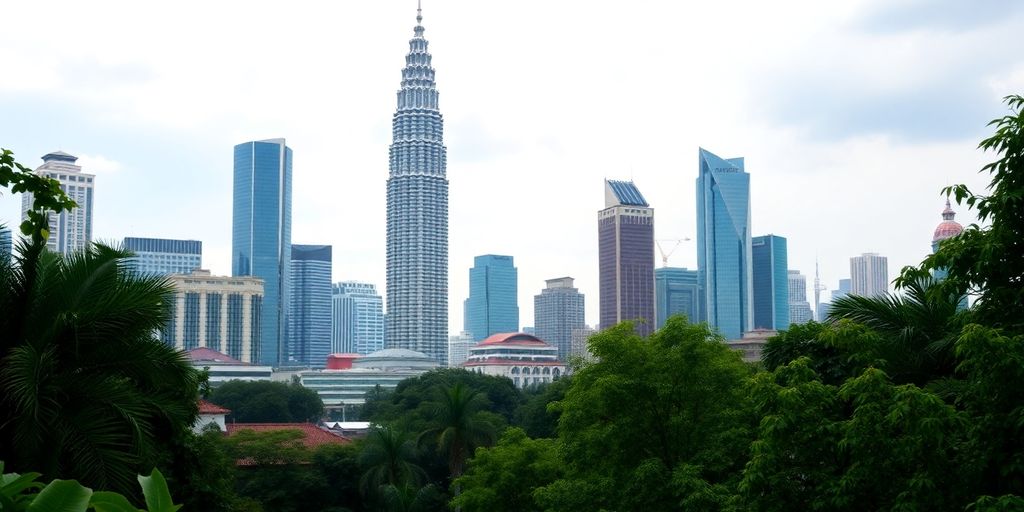
Kuala Lumpur, the vibrant capital of Malaysia, is an increasingly popular spot for digital nomads seeking a mix of modern conveniences and rich cultural experiences. With its towering skyscrapers, diverse food scene, and welcoming atmosphere, it’s a great base for remote workers looking to explore Southeast Asia. Whether you're considering a short visit or a longer stay, this digital nomad guide in Kuala Lumpur will help you navigate life in this exciting city.
Key Takeaways
- Kuala Lumpur offers a low cost of living compared to many Western cities, making it attractive for digital nomads.
- Public transport is affordable and efficient, with options like the MRT and LRT to help you get around the city easily.
- There are plenty of co-working spaces and cafes with reliable Wi-Fi, perfect for getting work done.
- The city is culturally diverse, offering a range of local cuisines and cultural experiences to explore.
- Visa regulations are friendly, with many nationalities able to stay for up to 90 days without a visa.
Living in Kuala Lumpur as a Digital Nomad
Overview of Life in Kuala Lumpur
So, you're thinking about setting up shop in Kuala Lumpur? Good choice! It's a city that really does have something for everyone. KL is a total melting pot, and you'll find influences from all over Asia, which makes it a pretty interesting place to be. You can be living that backpacker life in Chinatown one minute, and then find yourself in a swanky rooftop bar in KLCC the next. It's that kind of city. The people are generally friendly, the food is amazing (more on that later), and there's always something going on. It's definitely got a buzz about it, without being as overwhelming as some other major Asian cities.
Cost of Living Considerations
Okay, let's talk money. One of the big draws of KL is that it's pretty affordable compared to a lot of Western cities. But, like anywhere, it depends on your lifestyle. If you're happy eating at local mamak stalls and using public transport, you can get by on a pretty tight budget. If you want fancy apartments and imported goods, then obviously, it'll cost you more. Here's a rough idea:
| Expense | Estimated Cost (MYR) | Notes |
|---|---|---|
| Accommodation | 1,500 - 4,000 | Depends on location and type of accommodation. |
| Food | 800 - 1,500 | Eating local is cheap; Western food is pricier. |
| Transport | 200 - 500 | Public transport is good; ride-hailing is also an option. |
| Entertainment | 300 - 800 | Depends on your social life. |
| Internet/Mobile | 100 - 200 | Good coverage and affordable plans. |
It's worth doing your research and figuring out what your priorities are. You can definitely live comfortably in KL without breaking the bank, but it's good to have a realistic idea of what things cost.
Cultural Adaptation Tips
KL is a multicultural city, but it's still important to be aware of local customs and etiquette. Here are a few things to keep in mind:
- Dress modestly, especially when visiting religious sites. Shoulders and knees covered are generally a good idea.
- Remove your shoes before entering someone's home. It's just polite.
- Use your right hand when giving or receiving things. The left hand is considered unclean.
- Be mindful of noise levels in residential areas, especially at night. People value their sleep!
It's also a good idea to learn a few basic Malay phrases. Even just knowing how to say "terima kasih" (thank you) will go a long way. And remember, a smile and a bit of patience can smooth over most cultural misunderstandings. If you're planning to stay long-term, it's worth looking into the digital nomad visa options to ensure your stay is legal and hassle-free.
Navigating the City: Transportation Options
Getting around Kuala Lumpur can seem daunting at first, but the city actually has a pretty decent transport system. It's a mix of old and new, but once you get the hang of it, you'll be zipping around like a local. I remember my first week, I was completely lost, but now I can navigate it pretty well. Let's break down the options:
Public Transport Systems
KL's public transport is actually quite extensive. The LRT (Light Rail Transit) and MRT (Mass Rapid Transit) are your best bets for getting around quickly. They're modern, air-conditioned, and cover a large chunk of the city. There's also the Monorail, which is an elevated train that gives you some cool views, but it can get crowded. Buses are also an option, and they're pretty cheap, but traffic can be a nightmare, so plan accordingly. For longer stays, consider getting a rechargeable card to make things easier.
- LRT (Light Rail Transit): Extensive network, frequent trains.
- MRT (Mass Rapid Transit): Modern and efficient.
- Monorail: Good for specific routes, can be crowded.
- Buses: Affordable, but affected by traffic.
Ride-Hailing Services
Ride-hailing apps like Grab are super popular here. It's convenient, relatively cheap, and you don't have to haggle with taxi drivers. I've used Grab countless times, especially late at night when I don't feel like waiting for a train. It's generally safe and reliable, but always double-check the driver's details before you get in. You can even use InDrive, which is way more accessible.
I've found that using ride-hailing services in KL is generally a good experience. It's convenient, and the prices are usually reasonable. Just make sure you have a local SIM card with data so you can book rides easily.
Biking and Walking Routes
While KL isn't exactly known for being bike-friendly, there are some areas where you can cycle or walk. Parks like Perdana Botanical Garden are great for a leisurely stroll, and some neighbourhoods have dedicated bike lanes. Just be aware of the traffic, which can be intense, and the weather, which is usually hot and humid. I wouldn't recommend biking during rush hour, unless you're feeling particularly brave. If you're planning to stay longer, consider the DE Rantau Nomad Pass for a more streamlined experience.
- Parks: Great for leisurely walks and cycling.
- Dedicated Bike Lanes: Available in some neighbourhoods.
- Consider the Weather: Hot and humid, plan accordingly.
Accommodation Choices for Digital Nomads
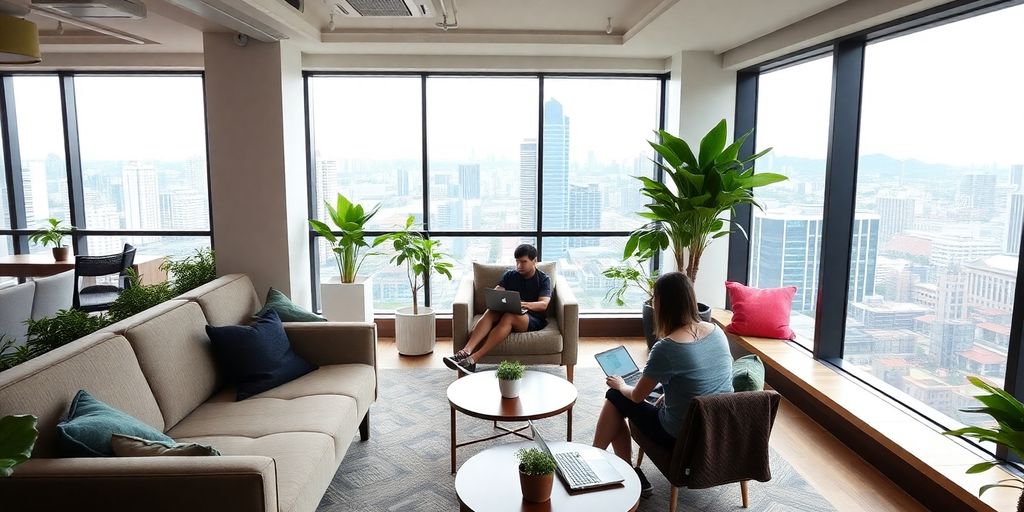
Finding the right place to stay is key to enjoying your time in Kuala Lumpur. Luckily, there are plenty of options to suit different budgets and preferences. From bustling city centre apartments to quieter suburban houses, you're bound to find something that feels like home.
Best Neighbourhoods to Stay
Choosing the right neighbourhood can make or break your experience. Here are a few popular choices:
- Bukit Bintang: If you want to be in the heart of the action, Bukit Bintang is the place to be. It's lively, with tonnes of restaurants, bars, and shopping malls. Expect higher prices, though.
- Mont Kiara: A more upscale area, Mont Kiara is popular with expats and families. It's quieter than Bukit Bintang but still has plenty of amenities, including international schools and supermarkets.
- Bangsar: Known for its trendy cafes and restaurants, Bangsar is a great option if you enjoy a more relaxed vibe. It's well-connected to the city centre by public transport.
- KLCC: Staying near the Petronas Twin Towers means you're close to major attractions and business hubs. Accommodation here tends to be modern and luxurious.
Types of Accommodation
Kuala Lumpur offers a wide range of accommodation types:
- Apartments: Serviced apartments are a popular choice for digital nomads. They offer the convenience of hotel services with the space and privacy of an apartment. You can find apartments on platforms like Airbnb or Booking.com.
- Hotels: From budget-friendly options to luxury hotels, Kuala Lumpur has it all. Hotels are a good choice for short stays or if you prefer having services like daily cleaning and room service.
- Guesthouses and Hostels: If you're on a tight budget, guesthouses and hostels are a great option. They also offer a chance to meet other travellers. You can always stay in a hostel for a while before deciding whether it’s time to move on.
- Coliving Spaces: These are becoming increasingly popular, offering a combination of private living space and shared workspaces. It's a great way to meet other digital nomads and have a ready-made community.
Long-Term vs Short-Term Rentals
Deciding between long-term and short-term rentals depends on your length of stay and preferences.
- Short-Term Rentals: Platforms like Airbnb are ideal for stays of a few weeks or months. They offer flexibility and a wide range of options. However, they can be more expensive than long-term rentals.
- Long-Term Rentals: If you're planning to stay for several months or longer, renting an apartment directly from a landlord can be more cost-effective. You'll typically need to sign a lease and pay a deposit. Monthly rental will be around $1000 or more for something that you can have 3-4 times cheaper in Chiang Mai or Danang.
Consider your budget, lifestyle, and how long you plan to stay in Kuala Lumpur when making your accommodation choice. Think about what's important to you – is it being close to the city centre, having access to amenities, or finding a quiet place to work? Weighing these factors will help you find the perfect home away from home.
Connectivity and Internet Access
Wi-Fi Availability
Getting online in Kuala Lumpur is generally pretty easy. Most cafes, restaurants, and hotels offer free Wi-Fi. However, the quality can vary quite a bit. You might find yourself struggling with a slow connection in one place and then be pleasantly surprised by lightning-fast speeds in another. Mobile data is also readily available and relatively cheap, so it's worth getting a local SIM card as a backup. Just make sure your phone is unlocked before you arrive. For those needing consistent and reliable access, investing in a portable Wi-Fi device might be a good shout.
Best Cafés for Working
Kuala Lumpur has loads of cafes that are perfect for getting some work done. Here are a few things to look for:
- Reliable Wi-Fi: Obviously, this is the most important thing.
- Power Outlets: You don't want your laptop dying halfway through the day.
- Comfortable Seating: A good chair can make all the difference.
- Atmosphere: Some people prefer quiet spaces, while others like a bit of background noise.
Some popular options include:
- VCR Cafe: Known for its good coffee and relaxed vibe.
- Merchant's Lane: A quirky spot with a nice atmosphere.
- Feeka Coffee Roasters: A popular choice with digital nomads.
Finding the right cafe can really boost your productivity. It's worth trying out a few different places to see what works best for you. Don't be afraid to ask about the Wi-Fi speed before you settle in.
Co-Working Spaces in Kuala Lumpur
If you need a more professional environment, Kuala Lumpur has a growing number of co-working spaces. These offer a range of amenities, such as:
- High-speed internet
- Meeting rooms
- Printing facilities
- Networking opportunities
Some popular co-working spaces include:
| Co-working Space | Location | Price (approx. per month) | Notes |
|---|---|---|---|
| Common Ground | Various locations | RM500+ | Large chain with multiple locations. |
| WORQ | Various locations | RM450+ | Offers a range of membership options. |
| Colony | Various locations | RM600+ | Known for its stylish design. |
Consider a digital nomad visa if you plan to stay long-term and utilise these spaces regularly. These spaces can be a great way to meet other digital nomads and get a bit of social interaction while you work.
Visa Regulations for Digital Nomads
Visa-Free Entry Information
Loads of countries can enter Malaysia without needing a visa for a short stay, which is handy if you're just scoping the place out. The length of stay you're allowed depends on your nationality, so it's worth checking the Malaysian Immigration Department website before you book your flights. For example, most Commonwealth citizens can waltz in for up to three months, but it's always best to double-check. Make sure your passport is valid for at least six months beyond your intended stay, or they might turn you away at the border.
Digital Nomad Visa Details
Malaysia has been making noises about a digital nomad visa for a while now, and it's worth keeping an eye on developments. The DE Rantau programme is the closest thing they've got right now. It's aimed at digital professionals and freelancers in specific fields, allowing them to live and work in Malaysia for a longer period. The requirements can be a bit fiddly, so do your homework. You'll generally need to show proof of income, have valid health insurance, and meet other criteria set by the Malaysian Digital Economy Corporation (MDEC).
Other Visa Options
If the digital nomad visa doesn't quite fit, there are other visa options to consider. A tourist visa extension might buy you some extra time, but it's not really meant for working. If you're planning a longer stay and have a job offer from a Malaysian company, you could look into a work permit. Alternatively, the Malaysia My Second Home (MM2H) programme is an option for those with significant financial resources, offering a long-term stay visa with certain conditions. Just be aware that visa rules can change, so always get the latest info from the official sources.
It's really important to get your visa situation sorted before you arrive. Overstaying your visa can lead to fines, detention, and even being banned from re-entering Malaysia. Don't risk it – do your research and apply for the right visa well in advance.
Cultural Experiences and Local Cuisine
Exploring Local Markets
Kuala Lumpur is a melting pot of cultures, and the local markets are where you really see it. Forget sterile shopping centres; we're talking bustling, vibrant spaces packed with sights, sounds, and smells. Head to Petaling Street in Chinatown for knock-off goods and street food galore, or check out Central Market for local arts and crafts. It's a sensory overload in the best way possible. Don't be afraid to haggle – it's all part of the experience!
Must-Try Dishes
Food is a big deal in Kuala Lumpur. You absolutely have to try Nasi Lemak, considered the national dish. It's fragrant rice cooked in coconut milk and pandan leaf, served with fried chicken, sambal, peanuts, and boiled egg. Then there's Beef Rendang, a rich and spicy beef dish slow-cooked in coconut milk and spices. Cendol is another must-try – a sweet dessert with shaved ice, coconut milk, green jelly noodles, and palm sugar. It sounds weird, but trust me, it's delicious, especially on a hot day. For some of the best food, head to local areas and smaller restaurants away from the tourists. Brickfields is a popular area for authentic Indian food and vegetarian dishes, while Jalan Alor is a busy night market food street known for its seafood dishes. Taman Connaught night market is great for street food and snacks from all around Asia and an incredible selection of fusion dishes.
Cultural Events and Festivals
Kuala Lumpur is a city that loves to celebrate. Because so many different ethnicities and nationalities coincide in Kuala Lumpur, the city has not only one culture but several. You’ll find completely different traditions, foods and celebrations in the Indian parts of town than those in the Malay neighbourhoods. There's always something going on, no matter what time of year you visit. Here are a few highlights:
- Thaipusam: A vibrant Hindu festival held at the Batu Caves, with colourful processions and devotees carrying kavadis.
- Hari Raya: The end of Ramadan, celebrated by Muslims with feasting and family gatherings.
- Chinese New Year: Expect lion dances, fireworks, and plenty of red decorations throughout the city.
Experiencing these festivals is a great way to immerse yourself in the local culture and learn more about the traditions of Malaysia. Don't be afraid to join in the festivities – locals are usually very welcoming and happy to share their culture with visitors.
Building a Community in Kuala Lumpur
It's easy to feel isolated when you're working remotely in a new city. Luckily, Kuala Lumpur has a growing digital nomad scene, making it easier than you might think to connect with like-minded people. Here's how to build your community:
Networking Opportunities
KL offers a bunch of ways to meet people. Attending industry events is a good start, but don't underestimate the power of casual meetups. You'll find everything from tech talks to social gatherings advertised online. These events are great for making professional contacts and finding new friends. Don't be afraid to strike up conversations – most people are open to meeting new faces. Also, consider joining relevant associations or groups related to your field; these often host regular events.
Meetups and Events
Meetup.com and similar platforms are your best friends here. You can find groups for pretty much any interest, from hiking and photography to coding and board games.
Here are a few ideas to get you started:
- Language Exchange Meetups: A fun way to learn Bahasa Malaysia and meet locals.
- Hiking Groups: Explore the natural beauty around KL while making friends.
- Co-working Space Events: Many co-working spaces host social events for their members.
Getting involved in local events is a great way to immerse yourself in the culture and meet people who share your interests. It's also a good way to discover hidden gems in the city that you might not find otherwise.
Online Communities for Nomads
Facebook groups and online forums are invaluable for connecting with other expats and digital nomads in KL. These groups are great for asking questions, sharing tips, and finding out about local events. You can find groups dedicated to specific interests, neighbourhoods, or even nationalities. Don't be shy about posting and engaging in conversations. It's a quick way to find people to grab coffee with or explore the city. Plus, these communities often organise their own meetups and social gatherings. Look for groups focused on digital nomads in Kuala Lumpur to get started.
Final Thoughts
So, there you have it—Kuala Lumpur is a pretty solid choice for digital nomads looking for a new adventure. Sure, it might not be as famous as Bali or Bangkok, but it’s got its own charm and plenty to offer. The city’s mix of cultures, tasty food, and modern facilities make it a great spot to work and explore. We hope this guide gives you a good idea of what to expect when you arrive. If you have any questions or need more info, just reach out. Happy travels!
Frequently Asked Questions
What is it like to live in Kuala Lumpur as a digital nomad?
Living in Kuala Lumpur is exciting and vibrant. The city offers a mix of modern life and rich culture, making it a great place for digital nomads.
How much does it cost to live in Kuala Lumpur?
The cost of living in Kuala Lumpur is generally lower than in many Western cities. You can find affordable housing, food, and transport.
What transport options are available in Kuala Lumpur?
Kuala Lumpur has a good public transport system, including trains and buses. Ride-hailing services like Grab are also popular.
Where can I find good Wi-Fi in Kuala Lumpur?
Many cafés and co-working spaces in Kuala Lumpur offer free Wi-Fi. Some of the best places to work include popular cafés and dedicated co-working locations.
What visa do I need to stay in Kuala Lumpur as a digital nomad?
Most nationalities can enter Malaysia without a visa for up to 90 days. There is also a digital nomad visa available for longer stays.
What cultural experiences can I enjoy in Kuala Lumpur?
Kuala Lumpur is a cultural melting pot, so you can explore local markets, try delicious Malaysian dishes, and attend various cultural festivals.
Filed under
The Moveandstay editorial team writes about serviced living, workspaces, and city guides across Asia-Pacific.