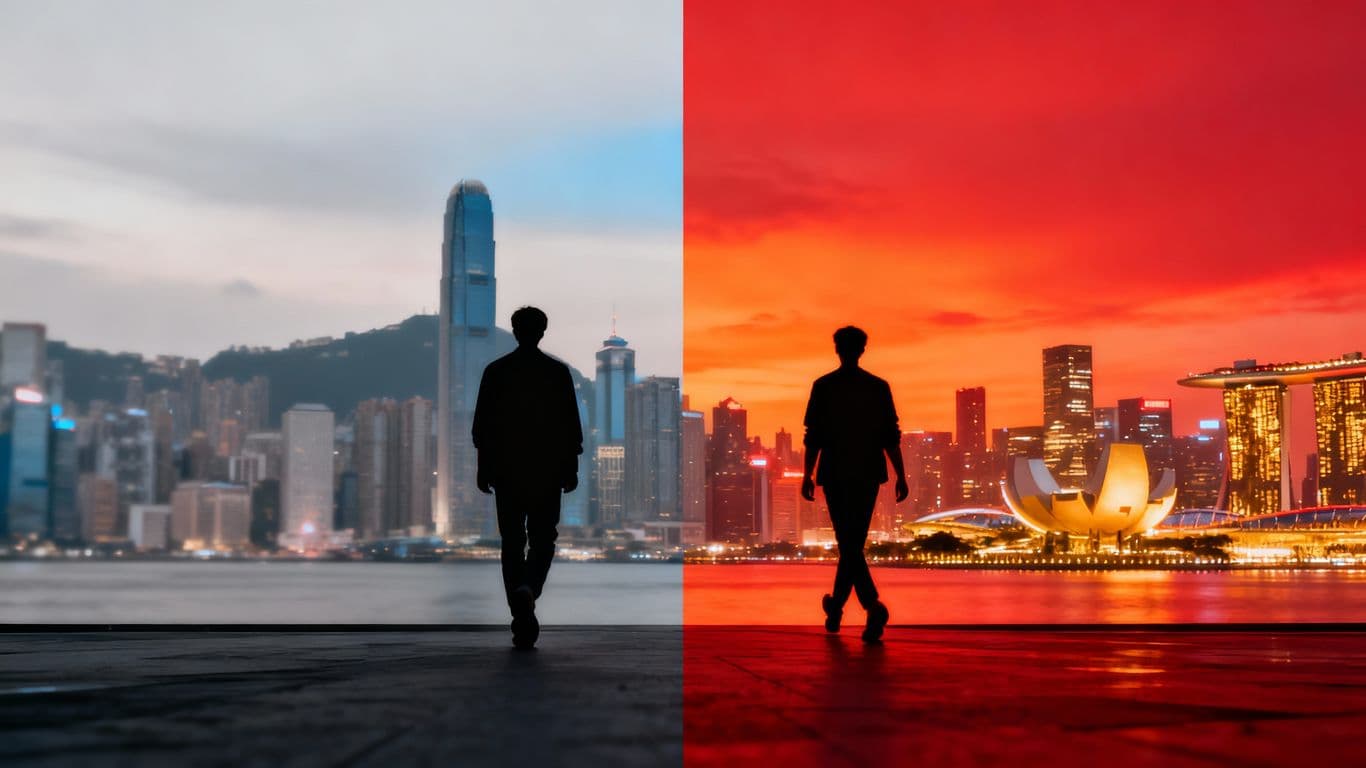
Digital Nomad Guide in Hong Kong: What You Need to Know
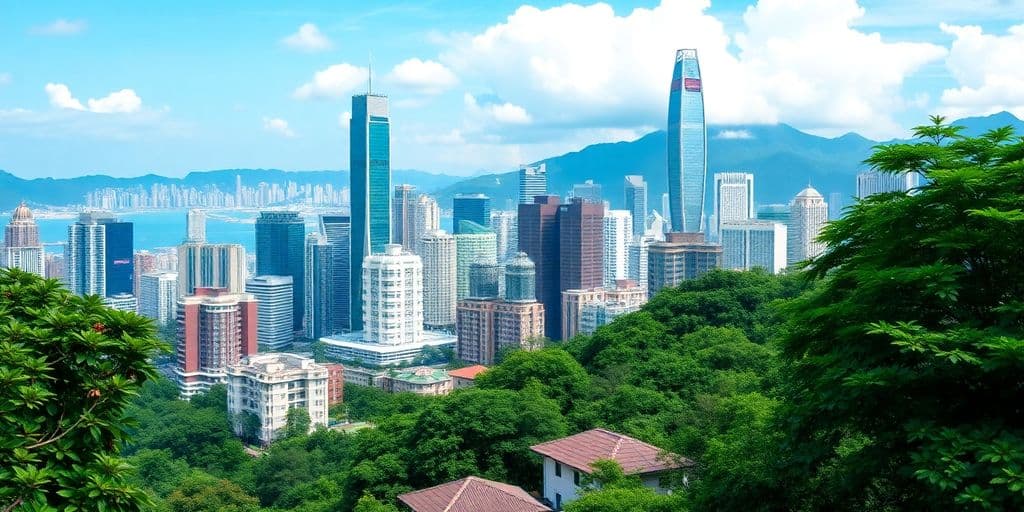
Have you ever thought about living the life of a digital nomad in Hong Kong? If so, you’re in for a treat! This vibrant city is packed with fast internet, trendy cafes, and a tonne of co-working spaces. But before you rush to book your flight, it’s important to know what you’re getting into. This digital nomad guide in Hong Kong covers everything you need to know, from visa requirements to the best places to work and live. Let’s dive in!
Key Takeaways
- Hong Kong is a hotspot for digital nomads due to its excellent internet connectivity and modern infrastructure.
- Visa options for digital nomads include the Investment as Entrepreneurs Visa and the Quality Migrant Admission Scheme.
- Accommodation ranges from budget hostels to co-living spaces, catering to various needs and budgets.
- Cafes and co-working spaces are plentiful, providing great environments for remote work.
- Understanding some basic Cantonese phrases can enhance your experience and help you connect with locals.
Understanding The Digital Nomad Lifestyle
What Is A Digital Nomad?
So, what exactly is a digital nomad? Well, put simply, it's someone who uses technology to earn a living and can work from anywhere with an internet connection. Forget the traditional 9-to-5 grind; these folks are location-independent, choosing to combine work and travel. They might be freelancers, entrepreneurs, or remote employees, all sharing a desire for freedom and flexibility. You might find them tapping away on their laptops in a trendy cafe in Hong Kong one week, and exploring the beaches of Thailand the next. It's a lifestyle choice as much as a career path.
Benefits Of Being A Digital Nomad
Why are so many people drawn to the digital nomad lifestyle? There are loads of perks, including:
- Flexibility: Set your own hours and work when you're most productive. This is a big one for many.
- Travel: Explore new cultures and experience different ways of life. Who wouldn't want that?
- Autonomy: Be your own boss and make your own decisions. It's all on you, which can be both exciting and a bit scary.
- Increased earning potential: Some digital nomads find they can earn more by working for international clients.
- Personal growth: Stepping outside your comfort zone can lead to significant personal development. You learn a lot about yourself when you're constantly adapting to new environments.
It's not all sunshine and rainbows, though. Being a digital nomad requires discipline, adaptability, and a good dose of resourcefulness. You're responsible for everything, from finding work to managing your finances and dealing with unexpected challenges.
Challenges Faced By Digital Nomads
It's not always easy, this digital nomad thing. There are definitely some hurdles to overcome. Digital nomads often encounter challenges such as unreliable Wi-Fi, time zone management, and visa applications. It's important to consider these factors when pursuing a nomadic lifestyle. Here are a few common issues:
- Loneliness: It can be isolating being away from friends and family.
- Unstable income: Freelance work can be unpredictable, leading to financial stress.
- Healthcare: Accessing healthcare in different countries can be complicated and expensive. Make sure you have good travel insurance.
- Visa issues: Navigating visa requirements can be a real headache.
- Burnout: It's easy to overwork when your office is wherever you are.
Despite these challenges, many find the rewards of the digital nomad lifestyle outweigh the difficulties. It's all about finding the right balance and being prepared for the unexpected.
Visa Requirements For A Digital Nomad
So, you're thinking of basing yourself in Hong Kong as a digital nomad? Ace choice! But before you start picturing yourself working from a cool cafe, let's talk visas. Hong Kong doesn't have a specific "digital nomad visa" like some other places, but don't let that put you off. There are still ways to make it work. Basically, you'll need to look at other visa options that allow you to stay and work here long-term.
Types Of Visas Available
Okay, so what are your options? Well, the two main routes for digital nomads are the Investment as Entrepreneurs Visa and the Quality Migrant Admission Scheme Visa. The first one is more suited if you're planning to start or invest in a business here. The second is a points-based system that looks at your skills and experience. It's worth doing your homework to see which one fits your situation best. Remember, eligibility requirements can include proof of stable income, remote employment or business ownership, along with valid health insurance.
Investment As Entrepreneurs Visa
This visa is designed for people who are willing to put some serious money into Hong Kong's economy. We're talking about establishing or joining a business as an entrepreneur. It's also suitable if you're an investor willing to invest a minimum of HKD30,000,000 (USD3,850,000) in the region. Here are the basic requirements for this visa:
- Age 18 or above.
- A good criminal record.
- Good educational background, technical qualifications or professional experience.
- Be in a position to make a substantial contribution to the economy of Hong Kong.
It's a bit of a commitment, but if you're serious about setting up shop here, it could be the way to go. Just be prepared to jump through a few hoops and have all your paperwork in order. You'll need to demonstrate that your business will benefit Hong Kong in some way.
Quality Migrant Admission Scheme Visa
If you don't have millions to invest, don't worry! The Quality Migrant Admission Scheme (QMAS) might be a better fit. This scheme assesses applicants based on a points system, taking into account things like your age, qualifications, work experience, language skills, and family background. It's basically a way for Hong Kong to attract skilled workers and professionals. If you score enough points, you could be eligible for a visa. It's worth noting that many countries have rolled out digital nomad visas, allowing remote workers to live and work legally while soaking up new cultures.
Here's a quick rundown of the factors they consider:
- Age
- Academic/Professional qualifications
- Work experience
- Language proficiency
- Family background
QMAS is competitive, so you'll need to put together a strong application. Make sure you highlight all your relevant skills and experience, and explain why you'd be a valuable asset to Hong Kong. It might take a while to process, so be patient. But if you get accepted, it could open up a whole new world of opportunities. The application process may be more complex than a tourist visa, but it’s all worth it for that chill WiFi cafe with a stunning scenic view.
Accommodation Options In Hong Kong

Finding a place to stay is a big deal when you're planning to be a digital nomad in Hong Kong. It's a city of contrasts, where super-modern skyscrapers meet traditional culture, and that extends to the accommodation too. You've got everything from budget-friendly options to seriously swanky apartments, so it's all about figuring out what suits your style and, more importantly, your budget.
Short-Term Stay
If you're just dipping your toes in the water and not ready to commit to a long lease, there are plenty of short-term options. Couchsurfing can be a shout if you're really trying to save some pennies. It's not just about a free bed; it's a chance to meet locals and get the inside scoop on the best dim sum spots. But if you value your privacy, then Airbnbs and hostels are worth a look. Sure, they'll set you back a bit more, but having your own space can be a lifesaver when you're trying to work and live in a new city.
Long-Term Stay
Planning on sticking around for a while? Then you'll want to start looking at local listings. Websites like HongKongAsiaXpat, Squarefoot, and Geoexpat are good places to start. They'll connect you with estate agents and available properties. It might take a bit more effort to find the right place, but the potential savings can be massive. Plus, you'll get a much better feel for what it's like to actually live in Hong Kong, rather than just visit. These rentals usually need a security deposit and the first month's rent upfront, and they often start with a fixed term before switching to a month-to-month thing.
Co-Living Spaces
Co-living spaces are becoming increasingly popular, and Hong Kong is no exception. They offer a middle ground between the privacy of an apartment and the community feel of a hostel. You get your own room, but share communal areas like kitchens and living rooms. It's a great way to meet other people, especially if you're new to the city. Plus, many co-living spaces serviced apartments now include dedicated workspaces, which is a massive bonus for digital nomads. They often come fully furnished and with utilities included, which can simplify things a lot.
Finding the right accommodation is key to enjoying your time as a digital nomad in Hong Kong. Take your time, do your research, and don't be afraid to negotiate. With a bit of effort, you can find a place that feels like home, even if it's just for a few months.
Best Working Spots For Digital Nomads
Hong Kong, with its blend of urban hustle and scenic beauty, offers a surprising number of great spots for digital nomads to set up shop. Forget the cramped hotel room; there are way better options out there.
Cafes With Great Wi-Fi
Hong Kong has no shortage of cafes, but finding one with reliable Wi-Fi and a decent atmosphere can be tricky. Here are a few favourites:
- The Coffee Academics: A popular choice, known for its strong coffee and multiple locations. It can get busy, so aim for off-peak hours.
- NOC Coffee Co.: Minimalist design, excellent coffee, and generally a good vibe for getting work done. They have several branches across the city.
- % Arabica: While primarily known for its Instagrammable aesthetic, % Arabica also offers decent Wi-Fi and a pleasant environment. Be prepared for a bit of a queue, though.
Finding a cafe that balances good coffee, reliable Wi-Fi, and a comfortable atmosphere is key. Don't be afraid to explore smaller, independent cafes – you might just discover your new favourite workspace.
Co-Working Spaces
For a more structured work environment, co-working spaces are a solid bet. They often come with perks like printing facilities, meeting rooms, and networking opportunities. Consider these options for shared offices in Hong Kong:
- WeWork: A global brand with multiple locations in Hong Kong. Offers a range of options, from hot desks to private offices.
- The Hive: A popular choice among freelancers and startups, with a focus on community and collaboration.
- Garage Society: Offers a mix of co-working and private office spaces, with a focus on design and innovation.
Scenic Locations To Work
If you're after something a bit different, why not try working outdoors? Hong Kong has some surprisingly scenic spots where you can get your work done while enjoying the view. Just make sure you have a reliable mobile data plan!
- Cyberport: Offers outdoor seating with harbour views and relatively reliable Wi-Fi.
- Hong Kong Park: Find a quiet bench and enjoy the greenery while you work. It's a great way to escape the city's hustle and bustle.
- The Peak: While the Wi-Fi might be spotty, the views are unbeatable. Grab a coffee from one of the cafes and find a spot to soak it all in. Just be mindful of the crowds, especially on weekends. You might even consider applying for a digital nomad visa to make your stay more permanent.
Cost Of Living As A Digital Nomad
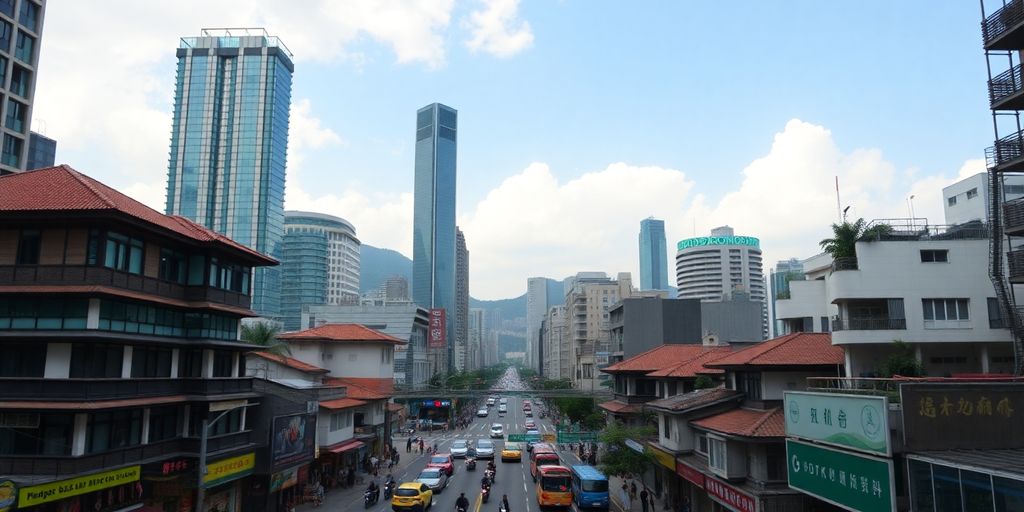
Hong Kong is known for being quite expensive, so budgeting is super important for digital nomads. Let's break down the main costs you'll face.
Budgeting For Accommodation
Accommodation will likely be your biggest expense. Prices vary wildly depending on location and type of accommodation.
- Hostels: Cheapest option, around HKD 200-400 per night.
- Apartments: Can range from HKD 15,000 to HKD 30,000+ per month, depending on size and location.
- Co-living spaces: A good middle ground, offering private rooms with shared common areas, typically costing HKD 8,000 - HKD 15,000 per month. Consider hostel stays if you're on a tight budget.
Finding a place can be tricky. Websites and local agencies are your friends. Don't be afraid to negotiate, especially for longer stays. Location matters – consider proximity to transport and amenities.
Food And Transportation Costs
Food can be surprisingly affordable if you eat like a local. Public transport is efficient and relatively cheap.
- Eating out: Local eateries (Cha Chaan Tengs) offer meals for around HKD 50-80. Western restaurants are significantly more expensive.
- Groceries: Expect to spend around HKD 500-800 per week if you cook regularly.
- Public transport: The Octopus card is essential. A monthly pass costs around HKD 500-600.
Entertainment And Leisure Expenses
Entertainment costs can add up quickly, but there are ways to enjoy Hong Kong without breaking the bank.
- Free activities: Hiking, exploring parks, and visiting temples are all free.
- Paid attractions: Museums, theme parks, and shows can be pricey. Look for discounts and deals.
- Nightlife: Drinks can be expensive, especially in touristy areas. Happy hour deals are your friend. Consider getting health insurance to cover any unexpected incidents.
| Expense Category | Estimated Monthly Cost (HKD) | Notes |
|---|---|---|
| Accommodation | 8,000 - 30,000+ | Varies greatly depending on type and location. |
| Food | 2,000 - 4,000 | Depends on how often you eat out vs. cook. |
| Transportation | 500 - 700 | Using an Octopus card is essential. |
| Entertainment | 1,000 - 3,000+ | Can be reduced by focusing on free activities. |
| Total | 11,500 - 37,700+ | This is a broad estimate; your actual costs may vary significantly. |
Cultural Insights For Digital Nomads
Basic Cantonese Phrases
Learning a few basic Cantonese phrases can really improve your experience in Hong Kong. It shows respect and helps you connect with locals. While English is widely spoken, especially in business and tourist areas, knowing some Cantonese will make daily interactions smoother and more enjoyable. Think of it as a way to unlock a deeper understanding of the culture. Here are a few to get you started:
- Hello: Néih hóu (你好)
- Thank you: Dójeh (多謝)
- Excuse me: M̀h hóy yisi (唔好意思)
- How much?: Géi dō chín? (幾多錢?)
- Goodbye: Joi gin (再見)
Understanding Local Customs
Hong Kong has a unique blend of Eastern and Western cultures, and understanding local customs is key to fitting in and avoiding unintentional faux pas. Respect for elders is paramount, so always address older people with appropriate titles and show deference. When giving or receiving business cards, use both hands as a sign of respect. Avoid sticking your chopsticks upright in a bowl of rice, as this resembles a funeral ritual. Being aware of these nuances will help you navigate social situations with grace and build stronger relationships.
Networking Opportunities
Hong Kong is a hub for business and innovation, offering plenty of networking opportunities for digital nomads. Attending industry events, joining co-working spaces, and using online platforms like LinkedIn can help you connect with like-minded professionals. Don't be afraid to strike up conversations and share your experiences. The city's entrepreneurial spirit means people are generally open to new ideas and collaborations. Building a strong network can open doors to new opportunities and provide valuable support as you navigate your digital nomad journey. The ultimate guide to Hong Kong can help you find these opportunities.
Remember that Hong Kong values relationships. Building trust and rapport takes time, so be patient and genuine in your interactions. Don't be afraid to ask for help or advice – locals are generally happy to share their knowledge and insights.
Navigating The City As A Digital Nomad
Public Transportation Options
Hong Kong boasts a seriously efficient and extensive public transport system. Forget expensive taxis all the time; you can get pretty much anywhere using a combination of the MTR (Mass Transit Railway), buses, trams, and ferries. The Octopus card is your best mate here – it's a rechargeable card that works on almost all forms of public transport, plus you can use it in some shops too. It's super convenient and saves you fumbling for change all the time. Here's a quick rundown:
- MTR: Fast and reliable, covering most of the main areas.
- Buses: Extensive network, reaching even the more remote spots. Can be a bit slower during peak hours.
- Trams: A classic Hong Kong experience, especially on Hong Kong Island. Slow but scenic.
- Ferries: Essential for getting to the outlying islands and a great way to see the harbour.
Useful Apps For Daily Life
Living in a new city is always easier with a few handy apps on your phone. Hong Kong is no exception. Here are a few that I found invaluable:
- Citymapper: This app is a lifesaver for planning journeys on public transport. It gives you real-time updates and the best routes.
- OpenRice: For finding restaurants and checking reviews. A must for foodies!
- Octopus App: Top up your Octopus card on the go. Super convenient.
- Hong Kong Observatory: Stay updated on the weather, especially important during typhoon season.
Exploring Hong Kong
Hong Kong is more than just a concrete jungle; there's loads to see and do. From hiking trails to bustling markets, there's something for everyone. Make sure you take some time to explore beyond the usual tourist spots. For example, you might want to check out the digital nomad lifestyle and see how it fits with exploring the city. Here are a few ideas:
- Hike Dragon's Back: Stunning views of the coastline.
- Visit the Big Buddha and Po Lin Monastery on Lantau Island: A peaceful escape from the city.
- Explore the street markets in Mong Kok: A sensory overload of sights, sounds, and smells.
- Take a ferry to one of the outlying islands: Cheung Chau or Lamma Island are great for a day trip.
Don't be afraid to get lost! Some of the best discoveries are made when you wander off the beaten path. Talk to locals, try new foods, and embrace the unexpected. Hong Kong has a way of surprising you.
Final Thoughts
So, there you have it! A quick rundown on what it’s like to be a digital nomad in Hong Kong. It’s a vibrant city with plenty to offer, from fast internet to a buzzing atmosphere. Sure, it can be a bit pricey, but if you plan wisely, you can make it work. Just remember to look into your visa options and find a good spot to settle in. Whether you’re sipping coffee in a trendy café or working from a co-working space with stunning views, Hong Kong has got you covered. Now, go on and start your adventure—Hong Kong is waiting for you!
Frequently Asked Questions
Is Hong Kong a good place for digital nomads?
Yes, Hong Kong is a fantastic place for digital nomads. It has fast internet, lots of cafes, and co-working spaces, making it easy to work remotely.
Can I work remotely while in Hong Kong?
If you have a valid visa or residency status, you can work remotely in Hong Kong. Those with a permanent identity card can work for foreign companies without any issues.
What taxes do digital nomads pay in Hong Kong?
Hong Kong has a 0% tax on offshore income, which is appealing for many digital nomads. This means you may not have to pay taxes on your earnings from abroad.
What types of accommodation are available for digital nomads?
You can find various accommodation options in Hong Kong, from short-term rentals and budget hostels to long-term leases and co-living spaces.
What are the best places to work in Hong Kong?
There are many great places to work, including cafes with good Wi-Fi, co-working spaces, and beautiful spots with scenic views.
How can I get around the city as a digital nomad?
Hong Kong has an excellent public transport system, including buses and trains. There are also useful apps that can help you navigate and find your way around.
Filed under
The Moveandstay editorial team writes about serviced living, workspaces, and city guides across Asia-Pacific.