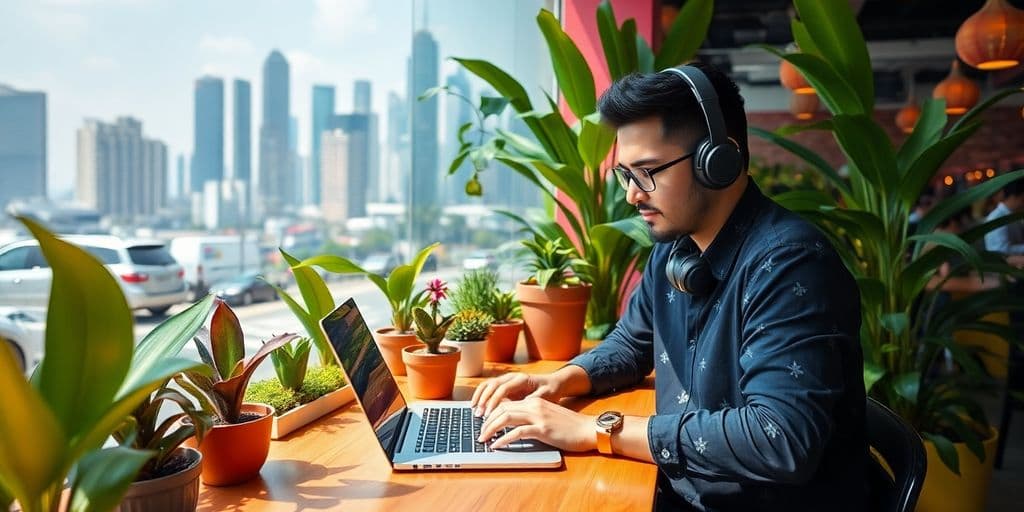
Bangkok has emerged as a hotspot for digital nomads, blending modern conveniences with a rich cultural landscape. With affordable living, a vibrant community, and plenty of coworking spaces, it’s no wonder that so many remote workers are calling this bustling city home. In this digital nomad guide in Bangkok, we’ll cover all the essentials you need to thrive while living and working in this dynamic city.
Key Takeaways
- Bangkok is affordable compared to many Western cities, making it ideal for digital nomads.
- The city boasts a strong community of remote workers, providing ample networking opportunities.
- Reliable public transport and fast internet make working in Bangkok convenient.
- There are numerous coworking spaces, each with different amenities to suit various needs.
- Embracing local culture and cuisine can enhance your experience as a digital nomad in Bangkok.
Understanding Bangkok's Digital Nomad Scene
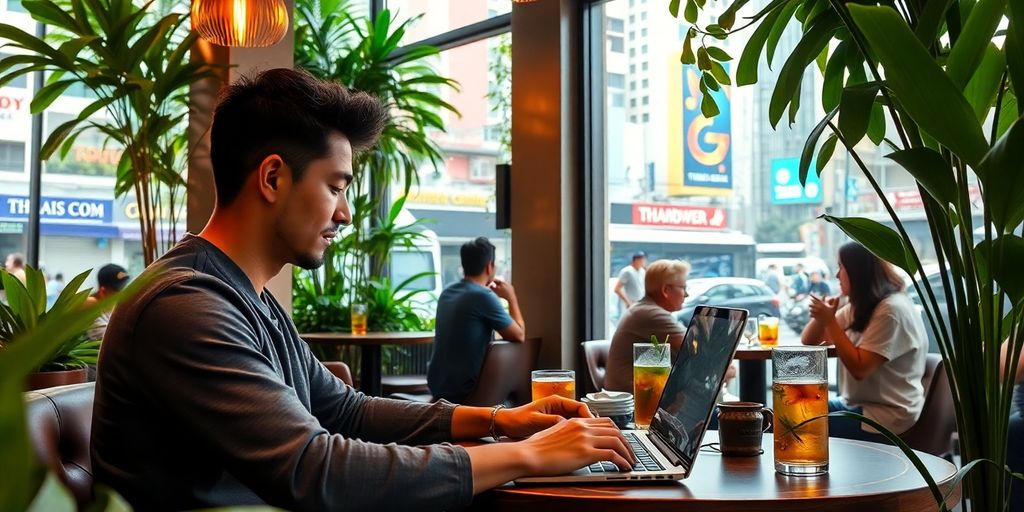
Bangkok has really taken off as a hotspot for digital nomads, and it's not hard to see why. It's a city that offers a unique blend of affordability, great infrastructure, and a vibrant culture. You'll find a thriving community of like-minded people, making it easy to connect and network. Plus, there's always something new to explore, from ancient temples to bustling markets.
Why Bangkok is a Top Choice for Digital Nomads
Bangkok is often seen as a gateway to Southeast Asia for remote workers. The city offers a compelling mix of factors that make it an attractive base for location-independent professionals. Here's a few reasons why:
- Cost of Living: Compared to many Western cities, Bangkok is significantly cheaper. You can enjoy a comfortable lifestyle without breaking the bank.
- Infrastructure: The city boasts reliable public transport, modern coworking spaces, and fast internet, all essential for remote work.
- Community: Bangkok has a strong digital nomad and expat community, making it easy to find friends and collaborators.
Bangkok is a city that embraces change and innovation, making it a welcoming place for digital nomads. The blend of traditional Thai culture with modern amenities creates a unique and inspiring environment.
Community and Networking Opportunities
One of the best things about being a digital nomad in Bangkok is the sense of community. There are plenty of opportunities to connect with other remote workers, both online and offline. You can find groups on social media, attend meetups and workshops, or simply strike up a conversation at a coworking space. These connections can be invaluable for sharing tips, finding collaborators, and making friends. Consider joining a Thailand digital nomad community to get started.
Cultural Experiences for Remote Workers
Bangkok isn't just about work; it's also about experiencing a new culture. As a digital nomad, you'll have the chance to immerse yourself in Thai traditions, explore ancient temples, and sample delicious street food. Taking time to explore the city's cultural offerings can enrich your experience and provide a welcome break from work. Don't miss out on visiting the Grand Palace, Wat Arun, and the many bustling markets. Sukhumvit houses great coworking spaces for remote workers.
Navigating Visa Options for Remote Work
Figuring out the visa situation can feel like a proper headache when you're planning to work remotely in Bangkok. Thailand doesn't have a specific 'digital nomad visa' as such, but there are a few ways to make it work for a longer stay. Let's have a look at the options.
Overview of Visa Types
So, what are your choices? Well, there are a few, each with its own set of rules and requirements. The Destination Thailand Visa (DTV) is a good option.
- Tourist Visa: This is your basic entry point. You can usually get 30-60 days, and sometimes extend it. Good for a short stint, but not a long-term solution.
- Education Visa: Fancy learning Thai or taking a cooking course? An Education Visa (language schools) could be your ticket. It ties you to a course, though.
- Smart Visa: This one's aimed at those in tech or innovation. If you're an entrepreneur or skilled professional, it might be worth investigating.
- Long-Term Resident (LTR) Visa: This is designed for high-earning remote workers. It comes with a bunch of perks, but also some pretty strict requirements.
- Destination Thailand Visa (DTV): Launched in 2024, this visa is specifically for digital nomads, freelancers, and remote workers. It allows for stays of up to 180 days per entry, with a possible one-time extension for another 180 days. It's valid for multiple entries over five years.
Requirements for Each Visa
Each visa has its own set of hoops to jump through. Here's a quick rundown:
- Tourist Visa: Usually, you just need a passport with enough validity and proof of onward travel. Extensions can require a bit more paperwork.
- Education Visa: You'll need to enrol in a recognised course and provide proof of enrolment, plus the usual passport stuff.
- Smart Visa: This one's more involved. You'll need to show your skills, experience, and financial stability. It's aimed at attracting talent to specific industries.
- Long-Term Resident (LTR) Visa: Get ready for some serious paperwork. You'll need to prove your income, assets, and health insurance. It's designed for high-net-worth individuals and skilled professionals.
- Destination Thailand Visa (DTV): Applicants must be at least 20 years old, work remotely for a company outside Thailand, and have a minimum of 500,000 THB (around $13,600 USD) in savings.
Tips for a Smooth Application Process
Applying for a visa can be a bit stressful, but here are a few tips to make it easier:
- Do your research: Make sure you fully understand the requirements for the visa you're applying for.
- Start early: Don't leave it to the last minute. Visa applications can take time, so give yourself plenty of leeway.
- Get your documents in order: Make sure you have all the necessary documents, and that they're properly certified if needed.
- Be honest: Don't try to hide anything or provide false information. It's not worth the risk.
- Seek advice: If you're unsure about anything, get advice from an immigration lawyer or visa specialist.
It's always a good idea to check the latest information on the Thai Immigration website or at your local Thai embassy or consulate. Rules can change, and you don't want to be caught out. Getting your visa sorted properly is key to enjoying your time in Bangkok without any worries.
Finding the Right Accommodation
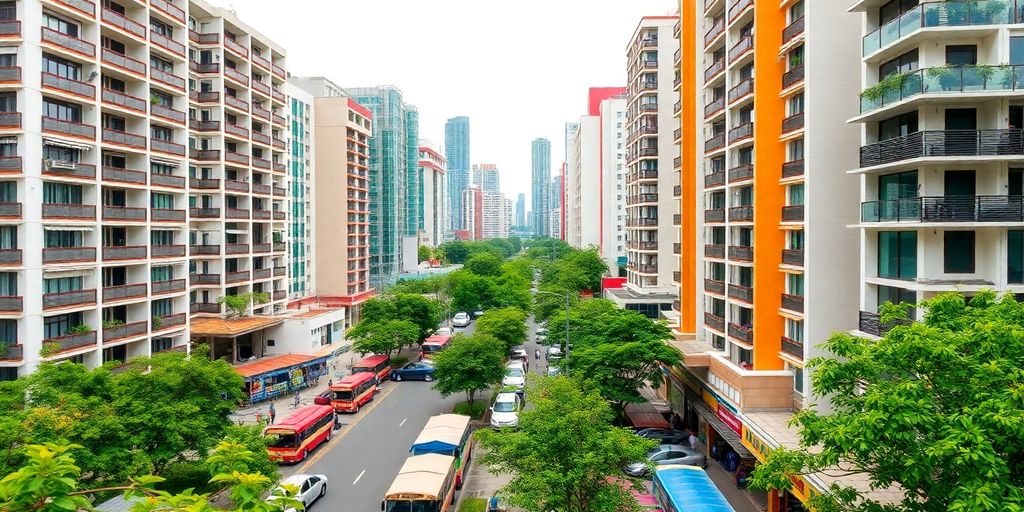
Finding a place to stay is a big part of settling into Bangkok. You'll want somewhere that fits your budget and lifestyle, and luckily, there are plenty of options.
Popular Neighbourhoods for Digital Nomads
When choosing where to live, consider what's important to you. Do you want to be in the heart of the action, or somewhere a bit quieter? Some popular areas include:
- Sukhumvit: This is a classic choice, with easy access to transport, shopping, and nightlife. It's lively and convenient, but can be a bit pricier.
- Ari: A trendy area with a more relaxed vibe. It's known for its cafes, restaurants, and green spaces. Great if you want a more local feel.
- Silom: A central business district that transforms into a vibrant night market after dark. It's well-connected and has a mix of old and new.
Think about what you want from your Bangkok experience. Do you want to be close to the nightlife, or do you prefer a quieter, more residential area? Your choice of neighbourhood will have a big impact on your daily life.
Types of Accommodation Available
Bangkok has a wide range of accommodation, from budget-friendly hostels to luxury apartments. Here's a quick rundown:
- Apartments: You can find everything from studios to multi-bedroom apartments. Short-term rentals are common, especially in popular areas. Apartment in Bangkok offer a good balance of space and privacy.
- Condos: Similar to apartments, but often with more amenities like swimming pools and gyms. They can be a bit more expensive, but offer a higher standard of living.
- Guesthouses: A budget-friendly option, often family-run. They're a good way to meet other travellers and experience local hospitality.
- Hostels: The cheapest option, ideal if you're on a tight budget and don't mind sharing a room. They're also great for meeting people.
Budgeting for Living Expenses
Bangkok can be very affordable, but it's important to budget carefully. Here's a rough idea of what you can expect to pay:
- Budget Accommodation (hostel/guesthouse): £10-£20 per night
- Mid-Range Apartment: £400-£800 per month
- High-End Condo: £800+ per month
Other expenses to consider include food, transport, entertainment, and visa costs. It's always a good idea to have a buffer for unexpected expenses.
| Expense | Average Cost (per month) | Notes |
|---|---|---|
| Accommodation | £400 - £800 | Varies greatly depending on location and type of accommodation |
| Food | £200 - £400 | Eating local food is very affordable |
| Transport | £50 - £100 | Public transport is cheap, but taxis can add up |
| Entertainment | £100 - £300 | Depends on your lifestyle |
| Internet/Mobile | £20 - £40 | Good internet access is readily available |
Exploring Coworking Spaces in the City
Bangkok's got a pretty decent coworking scene, which is good news if you're planning on basing yourself here. You'll find loads of options, from the super swanky to the more budget-friendly, so there's something for everyone. It's worth having a look around to see what suits your style and work needs.
Top Coworking Spaces in Bangkok
Okay, so where should you actually go? Here are a few places that are worth checking out:
- The Hive: This place is pretty popular, and for good reason. They've got a few locations around the city, and they're known for having a good community vibe. Plus, the coffee's not bad.
- WeWork: You've probably heard of WeWork. They've got a few spots in Bangkok, and they're generally pretty slick. Expect all the usual amenities, like fast internet and meeting rooms.
- Launchpad: If you're after something a bit more local, Launchpad is a good shout. It's got a more relaxed atmosphere than some of the bigger chains, and it's a good place to meet other entrepreneurs.
- JustCo: Situated in Bangkok’s office district, Sathorn, also known as the city's Central Business District, JustCo is a great option.
Amenities and Services Offered
What can you expect from a coworking space? Well, most of them offer the basics, like:
- High-speed Wi-Fi (obviously).
- Meeting rooms.
- Printing facilities.
- Communal kitchen areas.
- 24/7 access (at some locations).
Some of the fancier places might also throw in extras like on-site cafes, gyms, or even nap rooms. It really depends on how much you're willing to spend.
Cost of Coworking in Bangkok
Right, let's talk money. The cost of coworking in Bangkok can vary quite a bit, depending on the location, the type of membership you go for, and the amenities included. Generally, you can expect to pay:
- Hot desk: Around 4,000 - 8,000 THB per month.
- Dedicated desk: Around 8,000 - 15,000 THB per month.
- Private office: From 15,000 THB per month upwards.
Some places also offer daily or weekly passes, which can be a good option if you're only in town for a short time. It's worth doing your research and comparing prices before you commit to anything. Consider visiting coolest co-working spaces in Thailand to find the perfect fit.
Don't forget to factor in things like transport costs and food when you're budgeting for coworking. Some spaces are located in areas that are a bit out of the way, so you'll need to factor in the cost of getting there and back each day. And while some places offer free coffee and tea, you'll probably want to grab lunch or snacks at some point, so make sure you've got some money set aside for that.
Getting Around Bangkok Efficiently
Bangkok's transport can feel a bit overwhelming at first, but once you get the hang of it, it's surprisingly easy to navigate. The key is to mix and match different options to suit your needs and budget.
Public Transport Options
Bangkok has a pretty decent public transport system. The BTS Skytrain and MRT subway are your best bets for avoiding the notorious Bangkok traffic. They're clean, efficient, and relatively cheap.
- BTS Skytrain: Great for getting around the Sukhumvit and Silom areas.
- MRT Subway: Connects to the BTS and goes to areas like Chatuchak Market.
- Buses: Super cheap, but can be slow and confusing. Google Maps is your friend here.
Then there's the Airport Rail Link, which is perfect for getting to and from Suvarnabhumi Airport. River taxis and ferries are also a fun way to travel, especially if you're heading to the temples or exploring the riverside.
Biking and Walking Routes
Okay, let's be real – Bangkok isn't exactly a cyclist's paradise. The traffic can be intense, and the pavements aren't always the best. But, in certain areas, biking can be a good option. Look for quieter streets and parks. Walking is great for exploring specific neighbourhoods, but be prepared for the heat and humidity. Always carry water!
Tips for Navigating the City
- Download a good transport app: Citymapper or Google Maps are essential.
- Learn a few basic Thai phrases: It can be helpful, especially with taxi drivers.
- Avoid rush hour: Traffic is at its worst in the mornings and evenings.
- Consider using ride-hailing apps: Grab is popular and convenient.
Getting around Bangkok can be an adventure in itself. Don't be afraid to try different modes of transport and explore the city at your own pace. Just remember to stay hydrated, be aware of your surroundings, and embrace the chaos!
Embracing the Local Culture and Cuisine
Must-Try Thai Dishes
Okay, so you're in Bangkok, right? That means you have to try the food. It's not just about ticking boxes; it's about experiencing the city. Thai cuisine is a rollercoaster of flavours, and you'd be mad to miss out. Here's a quick rundown of some absolute must-tries:
- Pad Thai: Obviously. It's the gateway drug to Thai food. Find a street vendor doing it fresh – you won't regret it.
- Green Curry: Creamy, spicy, and packed with flavour. Get it with chicken or tofu, and don't be afraid to ask for it extra spicy if you're feeling brave.
- Mango Sticky Rice: The perfect dessert. Sweet sticky rice, ripe mango, and a drizzle of coconut milk. What's not to love?
- Tom Yum Soup: A hot and sour soup that'll clear your sinuses. It's got lemongrass, galangal, lime leaves, and chillies – a real wake-up call for your taste buds.
- Massaman Curry: A milder, sweeter curry with influences from Persian cuisine. It's got potatoes, peanuts, and a rich, complex flavour.
Cultural Etiquette for Expats
Right, so you're not just here for the food. You're living here, even if it's just for a bit. That means you need to be respectful of the local culture. It's not hard, just be mindful. Here are a few things to keep in mind:
- The Wai: This is the traditional Thai greeting. It's a slight bow with your hands pressed together in a prayer-like gesture. Return it when someone greets you with a wai.
- Dress Respectfully: When visiting temples, make sure your shoulders and knees are covered. It's a sign of respect.
- Feet are Dirty: Don't point your feet at people or objects, especially images of the Buddha. It's considered rude.
- Keep Your Cool: Public displays of anger are frowned upon. Try to stay calm and polite, even if you're frustrated.
- Respect the Monarchy: The Thai royal family is highly revered. Avoid making negative comments about them.
Remember, you're a guest in this country. A little bit of effort to understand and respect the local culture goes a long way. It'll make your experience much more enjoyable, and you'll be more likely to make genuine connections with locals.
Local Events and Festivals
Bangkok is always buzzing with something going on. From religious festivals to music events, there's always something to see and do. Check out these events to get a feel for the local culture. If you're planning a successful stay, make sure to check out the local events.
- Songkran (Thai New Year): This is a water festival that takes place in April. Be prepared to get soaked!
- Loy Krathong (Festival of Lights): This festival takes place in November. People release floating lanterns and krathongs (small floating offerings) into the rivers.
- Visakha Bucha Day: This is a Buddhist holiday that commemorates the birth, enlightenment, and death of the Buddha.
- Chinese New Year: Bangkok's Chinatown comes alive with celebrations during Chinese New Year.
- Local Markets: Check out the local markets for food, crafts, and a glimpse into everyday life. Places like Chatuchak Weekend Market are massive and have everything you can imagine.
Staying Connected with Reliable Internet
For digital nomads, staying connected is absolutely vital. Luckily, Bangkok offers a pretty good internet infrastructure. You'll find that keeping in touch, attending video meetings, and uploading your work is generally hassle-free.
Internet Service Providers
When it comes to internet service providers (ISPs) in Bangkok, you've got a few solid options. AIS, TrueMove H, and DTAC are some of the main players. They all offer various packages to suit different needs and budgets. It's worth checking out their websites or visiting a local store to compare the deals. You can often find short-term contracts, which is ideal if you're not planning on staying in one place for too long. Getting a local SIM card with a decent data plan is also a good idea for when you're out and about. Don't forget to check if your accommodation already includes internet connectivity – many apartments and guesthouses do.
Best Areas for WiFi Access
Generally, you'll find reliable WiFi access in most of the popular digital nomad areas. Places like Sukhumvit, Silom, and Ari are well-covered. Cafes, coworking spaces, and even shopping malls usually offer free WiFi. However, the quality can vary. If you're relying on WiFi for important work, it's always a good idea to have a backup plan, like a mobile data hotspot. Some areas might have patchy coverage, especially in older buildings or less touristy neighbourhoods. So, do a bit of research or ask around before you commit to a place.
Tips for Staying Connected
- Invest in a portable WiFi router: This can be a lifesaver if you're travelling to different locations or staying in places with unreliable WiFi.
- Download offline maps and translation apps: This will help you navigate and communicate even when you don't have an internet connection.
- Use a VPN: A VPN can help protect your data and privacy, especially when using public WiFi networks.
It's always a good idea to test the internet speed before committing to a long-term rental or coworking space. Run a quick speed test on your laptop or phone to make sure it meets your needs. Also, consider investing in a local power adapter to ensure your devices are always charged and ready to go.
Consider getting an eSIM for Thailand to avoid physical SIM card hassles. Compare data packages before choosing a provider.
Final Thoughts on Being a Digital Nomad in Bangkok
So, there you have it. Bangkok is a fantastic spot for digital nomads, no doubt about it. With its low living costs, great food, and plenty of places to work, it’s hard to beat. Just remember to keep an eye on your belongings and stay aware of your surroundings. The city can be a bit overwhelming at times, but that’s part of its charm. Whether you’re here for a short stint or planning to stay longer, you’ll find a community of like-minded folks ready to connect. So pack your bags, grab your laptop, and get ready for an adventure in this vibrant city!
Frequently Asked Questions
What makes Bangkok a good place for digital nomads?
Bangkok is popular among digital nomads due to its low cost of living, great internet, and a lively community. There are many coworking spaces and plenty of things to do in your free time.
How do I get a visa to work remotely in Bangkok?
While there isn't a specific digital nomad visa, you can apply for a tourist visa, work visa, or smart visa depending on your situation. Make sure to check the requirements for each type.
What areas in Bangkok are best for staying as a digital nomad?
Some top neighbourhoods include Sukhumvit for its nightlife and coworking spaces, and the Old City for its cultural sites. Each area has its own vibe, so choose what suits you best.
Are there many coworking spaces in Bangkok?
Yes, Bangkok has a growing number of coworking spaces that offer fast WiFi, comfortable work areas, and other amenities. They are great places to meet other remote workers.
What is the best way to get around Bangkok?
Bangkok has a good public transport system, including the BTS Skytrain and MRT subway. You can also use taxis or Grab for convenience. Biking and walking are options too.
What local food should I try in Bangkok?
You must try dishes like Pad Thai, Tom Yum soup, and Mango Sticky Rice. Street food is also a big part of the culture, so don’t miss out on that!
Filed under
The Moveandstay editorial team writes about serviced living, workspaces, and city guides across Asia-Pacific.