Cultural Etiquette in Hong Kong: Do’s and Don’ts for Expats
Moving to a new place like Hong Kong is exciting, but it also means learning new ways of doing things. What's normal back home might be totally different here. This guide will help you get a handle on cultural etiquette in Hong Kong, so you can fit in better and avoid awkward moments. It's all about showing respect and making your time here smoother.
Key Takeaways
- Always use two hands when giving or receiving things. It's a simple sign of respect.
- Don't open gifts right away unless the person who gave it to you says it's okay. It can seem a bit rude otherwise.
- Try not to finish all the food on your plate. Leaving a little bit shows your host gave you plenty.
- Never stick your chopsticks straight up in a bowl of rice. It looks like something you'd see at a funeral.
- Be careful not to make someone 'lose face' by criticising them in front of other people. It's really important here.
Navigating Social Interactions
Hong Kong is a vibrant mix of Eastern and Western cultures, and understanding the nuances of social interaction is key to a smooth experience. It's not just about knowing what to say, but how to say it, and even what not to say. Let's get into it.
Greeting Customs
Greetings in Hong Kong are generally more formal than you might be used to. A handshake is common, especially in business settings, but it's often a lighter, gentler grip than a Western handshake. A slight nod or bow of the head while shaking hands is also a sign of respect. When meeting someone for the first time, it's best to address them by their title and surname unless they invite you to use their first name. This is especially important with older people or those in positions of authority. It's all about showing deference.
Personal Space and Touch
Personal space is valued in Hong Kong, though it can be a bit tricky to navigate in crowded areas. Generally, avoid excessive touching or prolonged eye contact, especially with strangers. While accidental bumps are inevitable, a quick apology is always appreciated. In more formal settings, maintaining a respectful distance is important. It's not about being cold, but about respecting boundaries. Think of it as being mindful of other people's comfort zones.
Expressing Opinions
Expressing opinions in Hong Kong requires a bit of tact. Direct confrontation is generally avoided, and maintaining harmony is highly valued. It's often better to express disagreement indirectly or to find a way to agree to disagree. Public criticism or correction can cause embarrassment and loss of face, so it's best to handle disagreements in private. If you need to voice a differing opinion, try to do so in a polite and respectful manner, focusing on the issue rather than the person. Learning to improve speaking skills can help you navigate these situations more effectively.
In Hong Kong, maintaining 'face' is incredibly important. This refers to a person's reputation, dignity, and social standing. Actions that cause someone to lose face can damage relationships and create tension. Therefore, it's crucial to be mindful of your words and actions to avoid causing embarrassment or disrespect to others.
Understanding Public Conduct
Queueing Etiquette
Queueing is a big deal in Hong Kong. You'll see queues for everything – buses, food stalls, even lifts. Jumping the queue is a major faux pas and can cause serious offence. Just be patient and wait your turn; it's the done thing. It's a sign of respect for everyone else's time and effort.
Photography Permissions
Always, always ask before taking photos of people. It's just good manners. Some places, especially temples or private property, might have restrictions on photography, so keep an eye out for signs. Don't be that tourist who just shoves a camera in someone's face. It's rude and disrespectful. If you're unsure, err on the side of caution and ask. It's better to be safe than sorry. Also, be mindful of emotional control when interacting with locals.
Respecting Local Sensibilities
Hong Kong is a vibrant mix of cultures, but it's important to be aware of local customs and sensitivities. Public displays of affection, for example, are generally frowned upon. Loud or boisterous behaviour can also be seen as disrespectful. Try to be mindful of your surroundings and adjust your behaviour accordingly. It's all about showing respect for the local culture and blending in as much as possible. Remember the concept of "face" is important, so avoid causing embarrassment to others. Also, smoking is heavily restricted, so be aware of no-smoking zones to avoid fines.
Being aware of your surroundings and showing respect for local customs goes a long way in Hong Kong. It's about being a considerate guest and appreciating the unique cultural landscape. A little bit of effort can make a big difference in how you're perceived and how much you enjoy your time there.
Mastering Dining Etiquette
Seating Arrangements
When you're invited to a meal in Hong Kong, pay attention to where you're seated. There's often a subtle hierarchy at play, with the most important guest seated furthest from the door, facing the entrance. Don't just plonk yourself down anywhere; wait to be directed. It's a sign of respect to acknowledge the host's efforts in arranging the seating. Usually, there is a plan for where to sit. When in doubt, look at what other people do.
Chopstick Protocol
Chopsticks are more than just eating utensils; they're steeped in tradition. Here are a few things to keep in mind:
- Never stick your chopsticks upright in a bowl of rice. This resembles incense offerings to the deceased and is considered extremely bad luck.
- Use the chopstick rest provided. Don't rest your chopsticks on bowls.
- Avoid using your chopsticks to point at people or objects.
- Don't spear your food with chopsticks. It's seen as impolite. Instead, try to pick it up gracefully.
It's also worth noting that some people might use communal chopsticks to take food from serving dishes. If these are provided, use them instead of your own to maintain hygiene.
Food Portions and Appreciation
When it comes to food, generosity is key. The host will usually ensure there's plenty for everyone. Here's how to navigate the meal:
- It is polite to serve others before serving yourself and offer the best portion of food to the person beside you.
- Try to taste everything served as a gesture of appreciation to the cook.
- Don't eat the last of anything left on a serving tray.
- If you want a second serving, refuse the host’s offer once before accepting it.
If you are hosting a meal, always overestimate the amount of food you anticipate people to eat so you do not run out. It's also polite to leave a little food on your plate at the end of the meal to signal that you're full and satisfied. This shows that the host has provided more than enough. Remember to be friendly, generous, grateful, and respectful when dining.
Appropriate Dress Codes
It's worth thinking about what you wear in Hong Kong; it can make a difference. Hong Kongers are generally quite fashion-conscious, and dressing appropriately shows respect for the local culture and customs. Let's break down some key areas.
Business Attire
In the business world, it's best to err on the side of caution and dress smartly. For men, this usually means a suit and tie. While the weather can be hot, it's still the standard. For women, a suit or a professional dress is suitable. Avoid anything too revealing. Think conservative and professional.
Casual Wear Guidelines
Outside of work, things are more relaxed, especially given Hong Kong's humid climate. However, that doesn't mean anything goes. While casual dress is acceptable, avoid being too casual. Overly revealing clothing or beachwear isn't appropriate in public places. Think smart-casual:
- Lightweight, breathable fabrics are your friend. Linen and cotton are great choices.
- Shorts are generally acceptable, but maybe not for more formal occasions.
- T-shirts are fine, but avoid anything with offensive slogans or graphics.
It's always better to be slightly overdressed than underdressed. When in doubt, opt for something a bit more formal. You'll feel more comfortable and show respect for the local culture.
Consider the location and activity. If you're visiting a temple, for example, dress modestly, covering your shoulders and knees. If you're going hiking, practical and comfortable clothing is key. If you are studying in Hong Kong, you will want to check the dress code of your school.
The Art of Gift Giving
Gift giving in Hong Kong is more than just exchanging items; it's a way to show respect and build relationships. It's important to be aware of the cultural nuances to avoid causing offence and to ensure your gift is well-received. The act of giving is often as important as the gift itself.
Selecting Appropriate Gifts
Choosing the right gift requires some thought. Avoid anything that could be seen as unlucky or inappropriate. For example:
- Sharp objects, like knives or scissors, symbolise cutting ties.
- Clocks are associated with funerals and are best avoided.
- Red or white flowers are typically used for mourning.
- Gifts in sets of four are unlucky, as the number four sounds like the word for 'death' in Cantonese.
Good options include fruits, sweets, imported alcohol, or something that represents your home country. Pens or high-quality stationery can also be a safe bet, especially in a business context. When invited to someone's home, bringing a small gift is always appreciated. You might even consider bargaining tips to find a unique item.
Receiving Presents Gracefully
When receiving a gift, it's customary to show humility and politeness. Here's how:
- Accept the gift with both hands to show respect.
- It's polite to initially decline the gift a couple of times before accepting.
- Don't open the gift immediately in front of the giver. It's considered more polite to wait until later.
Remember, the wrapping is also important. Red and gold are considered lucky colours, while black and white should be avoided as they are associated with mourning. Presentation matters!
Reciprocation Practises
Reciprocation is an important part of gift-giving etiquette. While you don't need to immediately reciprocate with a gift of equal value, it's important to acknowledge the gesture and show your appreciation. A thank-you note or a small return gift at a later date is a thoughtful way to show your gratitude. Be mindful of the concept of 'face' – giving a gift that is impossible to reciprocate can cause the recipient to lose face. It's all about maintaining balance and harmony in the relationship.
Cultural Nuances and Respect
The Concept of 'Face'
Okay, so 'face' is a big deal. It's all about reputation, dignity, and avoiding embarrassment, both for yourself and others. Basically, it's about maintaining harmony and respect in social interactions. Causing someone to 'lose face' can seriously damage relationships, so tread carefully.
- Avoid direct criticism, especially in public.
- Offer praise and compliments where appropriate.
- Be mindful of your tone and body language.
Think of 'face' as someone's social standing. Actions that might seem harmless to you could be deeply offensive if they cause someone to lose face. It's about being considerate and understanding the subtle social cues.
Addressing Disagreements
Confrontation isn't really the done thing. Direct arguments are often seen as disruptive and can lead to a loss of face. Instead, try to find more indirect and diplomatic ways to resolve conflicts. Maybe suggest a mediator to maintain harmony or focus on finding common ground rather than dwelling on differences. It's all about keeping things smooth and avoiding any unnecessary drama.
Language and Identity
Hong Kong is a melting pot of cultures, and language plays a huge role in that. While Cantonese is the local language, English is also widely spoken, especially in business. However, making an effort to learn a few basic Cantonese phrases can go a long way in showing respect and building rapport. Even a simple 'thank you' (多謝, do jeh) can make a big difference. Don't assume everyone speaks English fluently, and be patient and understanding if there are language barriers. It's about acknowledging and appreciating the local Cantonese phrases and culture.
General Courtesy and Manners

Acknowledging Gestures
When someone does something nice for you in Hong Kong, the way you show your appreciation might be a bit different from what you're used to. Verbal thanks aren't always necessary for small acts of kindness. For instance, if someone holds a door open for you, a simple nod or smile often does the trick. Don't feel obliged to say a full-blown 'thank you' every single time. It's more about acknowledging the gesture in a polite, understated way. It's a subtle difference, but it's one that locals will definitely notice and appreciate.
Handling Accidental Bumps
Let's be honest, Hong Kong is crowded. Bumping into people is pretty much inevitable, especially on public transport or in busy markets. The good news is, it's generally understood that these things happen. A full-on apology isn't always expected. A quick 'excuse me' or even just a nod to acknowledge the bump is usually sufficient. Don't make a big fuss about it; just move on. Over-apologising can actually draw more attention to the incident and make things more awkward. It's all about keeping things moving and not making a scene. If you're navigating Asian etiquette, remember that a simple gesture often speaks louder than words in these situations.
Giving and Receiving with Two Hands
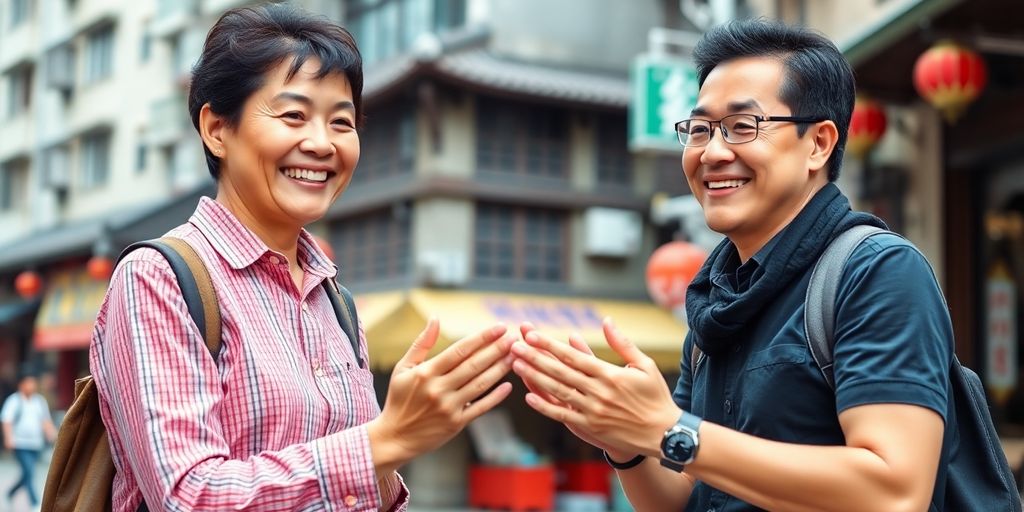
This is a big one, and it's something you'll see everywhere. When you're giving or receiving something – whether it's a business card, a gift, or even just change – use both hands. It shows respect and sincerity. Using only one hand can come across as dismissive or even rude. It's a small gesture, but it makes a big difference in how you're perceived. Think of it as a way of showing that you value the interaction and the person you're interacting with. It's a simple way to demonstrate good manners and build positive relationships.
It's worth noting that while some behaviours might seem more relaxed than in Western cultures, it's always best to err on the side of caution and be mindful of your actions. Paying attention to these small details can go a long way in showing respect and building positive relationships with the people you meet in Hong Kong.
Wrapping It Up
So, there you have it. Getting to grips with Hong Kong’s ways might seem like a lot at first, but it’s really about showing a bit of thought and respect. You don't need to be perfect, just open to learning. People here are generally pretty understanding if you make a small mistake. The main thing is to try and fit in, be polite, and remember that a little effort goes a long way. Doing this will make your time in Hong Kong much better, and you'll probably make some good friends along the way.
Frequently Asked Questions
How should I greet people in Hong Kong?
It's a good idea to greet people with a handshake. For women, a polite nod or slight bow is also perfectly fine. When you shake hands, don't squeeze too hard. Hong Kongers often look down a bit during a handshake to show respect, but you don't need to copy this.
What's important to remember about public behaviour?
When you're out and about, try to keep your voice down and avoid loud conversations. People generally don't touch each other much in public, so avoid hugging or patting someone on the back, especially if they're older or in charge. Also, always queue up nicely; cutting in line is considered very rude.
Are there any special rules for eating in Hong Kong?
When you're invited for a meal, it's polite to wait to be told where to sit. Don't finish all the food on your plate, as it can suggest your host didn't provide enough. Always try a little bit of every dish offered. And remember, never stick your chopsticks straight up in your rice bowl, as it reminds people of funerals.
What kind of clothes should I wear in Hong Kong?
For business, men should wear suits and ties, and women should choose smart suits or dresses that aren't too flashy. For everyday wear, casual clothes are fine, especially because of the hot weather. But still, try not to wear anything too revealing or overly relaxed in public places.
What should I know about giving presents?
When giving gifts, avoid clocks, handkerchiefs, and white flowers, as these are linked to death. Also, don't give sharp items like knives, as they symbolise cutting ties. It's common for people to say no to a gift once or twice before accepting it, just to be modest. Don't open gifts right away unless the giver asks you to.
What is 'face' and why is it important?
The idea of 'face' is really important here; it's about a person's reputation and dignity. Try not to make someone feel embarrassed or criticised in front of others. If there's a problem, it's best to talk about it privately or with someone who can help both sides. Showing respect and avoiding direct arguments helps everyone 'save face'.
The Moveandstay editorial team writes about serviced living, workspaces, and city guides across Asia-Pacific.