
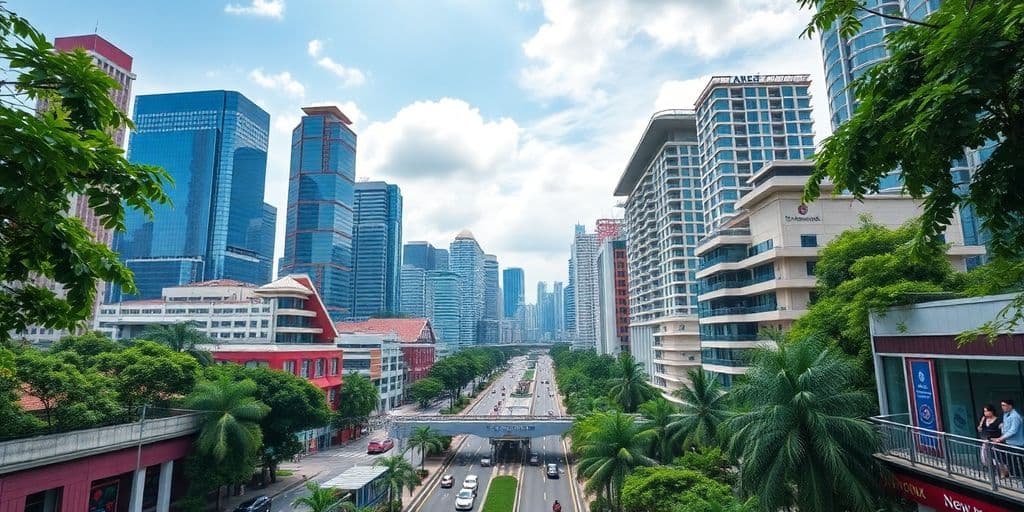
Living in Singapore can be a mixed bag when it comes to costs. While it’s known for being one of the priciest places in the world, many expats find ways to manage their budgets effectively. This guide will break down various aspects of the cost of living in Singapore, from housing and transportation to food and healthcare, helping you get a clearer picture of what to expect.
Key Takeaways
- Singapore has a high cost of living, especially in housing and rent.
- Public transport is affordable and widely used, making it easy to get around.
- Eating out can range from budget-friendly hawker centres to high-end restaurants.
- Healthcare costs can be significant, so consider insurance options carefully.
- Utilities and monthly bills can add up, so budgeting is essential.
Understanding The Cost Of Living In Singapore
Singapore, often lauded for its efficiency and cleanliness, also carries the reputation of being a pricey place to live. But how expensive is it really, and what contributes to the overall cost? Let's break it down.
Overview Of Living Expenses
Living in Singapore involves a variety of expenses, from housing to food and transport. The overall cost can vary significantly depending on your lifestyle and choices. For example, a student's expenses will differ greatly from those of a family of four. Here's a general idea of monthly expenses:
| Area of Expense | Cost |
|---|---|
| Rent | S$2,000 - S$4,000 |
| Groceries | S$800 - S$1,200 |
| Transport | S$1,000 - S$1,500 |
| Entertainment | S$10 - S$100 |
Factors Influencing Costs
Several factors can impact your cost of living in Singapore:
- Accommodation Type and Location: Renting a condo in a central area will cost more than renting a room in a HDB flat further from the city centre.
- Lifestyle Choices: Dining out frequently at fancy restaurants will increase your expenses compared to cooking at home or eating at hawker centres.
- Transportation Preferences: Owning a car in Singapore is notoriously expensive due to taxes and fees. Public transport is a more affordable option.
- Personal Consumption Habits: Shopping for imported goods and luxury items will add to your expenses.
It's important to consider your personal needs and preferences when estimating your cost of living in Singapore. Creating a detailed budget can help you track your spending and make informed decisions.
Comparison With Other Major Cities
Singapore consistently ranks among the most expensive cities globally. Compared to cities like London or New York, some aspects of life in Singapore, such as transport and certain consumer goods, can be more affordable. However, rental prices often push the overall cost higher. While a family of four has estimated monthly costs of SGD $11,279, a single person's estimated monthly costs are SGD $7,397, making it the most expensive city in Asia. It's all about balancing the high costs with the benefits of living in a vibrant, safe, and well-connected city.
Housing Costs And Rental Prices
Singapore's housing market is unique, with a mix of public and private options. Figuring out where to live and how much it'll set you back is a big part of understanding the cost of living here. Let's break it down.
Average Rent In Different Areas
Rental prices in Singapore can vary wildly depending on the location and type of property. Generally, areas closer to the city centre or popular expat enclaves like Orchard or River Valley command higher rents. Outlying areas, while potentially requiring longer commutes, often offer more affordable options. In 2024, HDB rental prices for 4-room units ranged from S$3,000 to S$4,400, with the Central region being the most expensive. Condominiums typically cost more than HDB flats. Here's a rough idea of average monthly rents:
| Area | 1-Bedroom Condo (S$) | 2-Bedroom Condo (S$) | 3-Bedroom Condo (S$) |
|---|---|---|---|
| Core Central Region (CCR) | 4,500 - 7,000 | 6,000 - 10,000 | 8,000 - 15,000+ |
| Rest of Central Region (RCR) | 3,500 - 5,500 | 5,000 - 8,000 | 7,000 - 12,000 |
| Outside Central Region (OCR) | 2,500 - 4,000 | 4,000 - 6,500 | 5,500 - 9,000 |
Keep in mind these are just averages, and actual prices can fluctuate based on factors like the specific building, amenities, and lease terms.
Types Of Accommodation Available
Singapore offers a range of accommodation types:
- HDB Flats: Public housing, generally more affordable. Foreigners can rent but usually can't buy unless they become permanent residents.
- Condominiums: Private apartments with shared facilities like pools and gyms. Tend to be pricier than HDB flats.
- Landed Properties: Houses, bungalows, etc. These are the most expensive and usually out of reach for most expats.
- Serviced Apartments: Furnished apartments with hotel-like services. Good for short-term stays but can be costly for the long haul.
- Co-living spaces: Shared living arrangements are becoming more popular, offering a balance of private and communal spaces.
Tips For Finding Affordable Housing
Finding affordable housing in Singapore requires some effort and strategy:
- Look Outside the City Centre: Consider areas further from the core, where rents are generally lower. Public transport is efficient, so commuting isn't always a major issue.
- Consider Roommate: Sharing an apartment can significantly reduce your rental expenses.
- Negotiate: Don't be afraid to negotiate the rental price, especially if the property has been vacant for a while.
- Use Online Portals: Websites like PropertyGuru and 99.co are good resources for finding rental listings. Check out a local real estate page to see what's available.
- Be Flexible with Size and Amenities: Prioritise your needs and be willing to compromise on non-essential features to save money.
Securing accommodation in Singapore can be competitive. Be prepared to act fast when you find a place you like. Have your documents ready and be prepared to pay a deposit to secure the lease. It's also worth noting that rental costs have increased significantly in recent years, so factor this into your budget. It's always a good idea to research and compare prices before making a decision.
Transportation Expenses In Singapore
Singapore boasts a pretty efficient and comprehensive transport system, but how much does it all actually cost? Getting around can be a significant expense, so it's worth understanding the options and their associated prices.
Public Transport Options
Singapore's public transport is top-notch. The Mass Rapid Transit (MRT) system is extensive, covering most of the island, and the bus network complements it perfectly. Using an EZ-Link card is generally the most cost-effective way to travel, offering cheaper fares than single tickets. Fares on the MRT are calculated based on distance travelled, so you don't end up paying a fortune for short hops. The bus network is equally comprehensive, ensuring you can get pretty much anywhere without too much hassle. Public transport is effective, wide-reaching, and consists of buses and an MRT spanning the city.
Cost Of Owning A Vehicle
Owning a car in Singapore is a whole different ball game. It's notoriously expensive, thanks to a range of taxes and fees designed to control the number of vehicles on the road. These include the Additional Registration Fee (ARF), Excise Duty, Certificate of Entitlement (COE), and Vehicular Emissions Scheme (VES) charge. All these added together can seriously inflate the price of a car. Then there's the cost of petrol, parking, and Electronic Road Pricing (ERP) to consider. If you're thinking about buying a car, be prepared for a hefty initial outlay and ongoing expenses. The price of private vehicle ownership can be extremely expensive.
Biking And Walking As Alternatives
If you're looking to save money and get some exercise, biking and walking are great options. Singapore has invested in cycle lanes, making it safer and easier to get around on two wheels. Walking is also a viable option for shorter distances, especially in central areas. Plus, it's a great way to explore the city and discover hidden gems. Of course, the weather can be a factor, but with a bit of planning, biking and walking can be a cheap and healthy way to get around. Singapore is well-connected by cycle lanes, and many local residents choose to get around by bicycle.
For many, the high costs associated with car ownership make public transport, cycling, or even walking much more attractive options. It's all about weighing up the convenience against the financial implications.
Food And Dining Costs
Grocery Prices
Okay, so groceries in Singapore. It's not the cheapest place, but it's doable. You can definitely save money if you're smart about where you shop and what you buy. Supermarkets like NTUC FairPrice and Cold Storage are common, but prices can vary quite a bit. Here's a rough idea of what you might be spending:
- Milk (1 litre): S$4.5
- White bread: S$2.5
- White rice (1 kg): S$3
- Eggs (1 dozen): S$3.5
- Cheese (200g): S$26
- Chicken breast (1 kg): S$10.7
- Apples (1 kg): S$4.8
Of course, these are just averages. Imported stuff will cost you more, and local brands will usually be easier on your wallet. Also, keep an eye out for promotions and discounts – they can make a real difference. For example, the cost of groceries can be reduced by shopping at local markets.
Eating Out: Budget To Fine Dining
Singapore is a foodie paradise, no doubt about it. But eating out can quickly add up. You've got everything from cheap hawker fare to fancy restaurants with Michelin stars. A meal at an inexpensive restaurant might set you back around S$14, but that can easily jump to S$100 for a meal for two at a mid-range place. Fast food is always an option, with a McMeal costing about S$10. Here's a quick comparison:
| Item | Approximate Cost (S$) |
|---|---|
| Inexpensive Restaurant Meal | 14 |
| Mid-Range Restaurant (for 2) | 100 |
| McMeal | 10 |
Local Food Markets And Hawker Centres
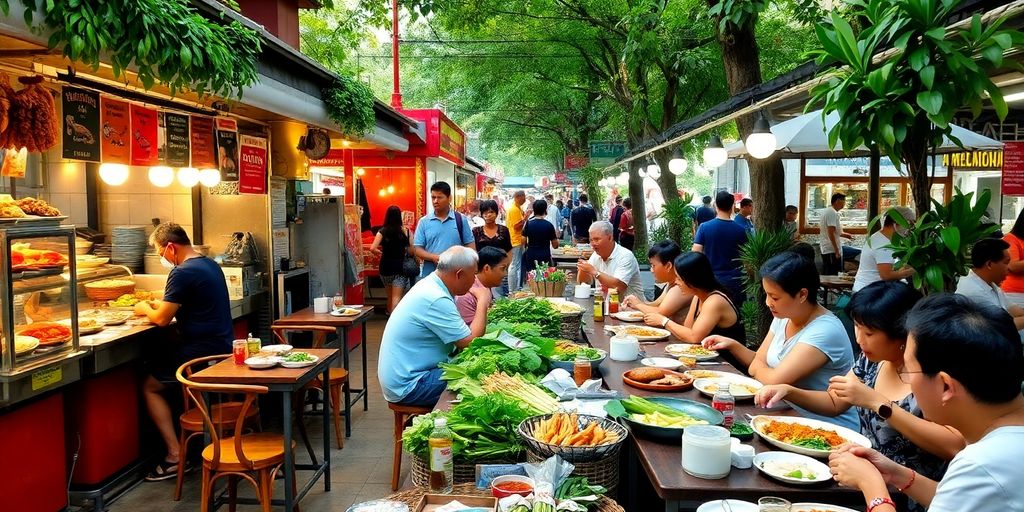
If you're trying to save some cash, hawker centres are your best friend. You can get a delicious and filling meal for under S$5. These places are all over the island, and they offer a huge variety of local dishes. Think chicken rice, laksa, char kway teow – the list goes on. Plus, it's a great way to experience Singapore's culture. Just be prepared for crowds during peak hours!
Eating at hawker centres isn't just about saving money; it's about experiencing the heart of Singaporean cuisine. The atmosphere is lively, the food is authentic, and you'll find yourself surrounded by locals enjoying their favourite dishes. It's a must-do for anyone visiting or living in Singapore.
Healthcare Costs And Insurance
Public Vs Private Healthcare
Singapore boasts a healthcare system that's generally considered top-notch, but understanding the differences between public and private options is key. Public healthcare is heavily subsidised for citizens and permanent residents, often through schemes like MediShield Life. This provides a safety net, but expats usually need private treatment or comprehensive health insurance. Private healthcare offers shorter waiting times and a more premium experience, but comes at a higher cost. The public system is very strong, with both sectors regulated by the government.
Average Medical Expenses
Healthcare costs can vary significantly depending on whether you opt for public or private care, and the type of treatment needed. A quick visit to a private doctor might set you back around $100, while more complex procedures can run into the thousands. Here's a quick look at some average costs:
| Healthcare service | Average cost |
|---|---|
| Short visit to private doctor (15 minutes) | 99 SGD |
| Cold medicine for 6 days | 14 SGD |
| 1 box of antibiotics (12 doses) | 19 SGD |
| Physiotherapy (30 mins) | 196 SGD |
It's worth noting that these are just averages, and actual costs can fluctuate. Factors like the doctor's specialisation and the specific treatment plan will all play a role.
Health Insurance Options
Having adequate health insurance is pretty important, especially if you're not eligible for public subsidies. There are various options available, from basic plans covering hospitalisation to more comprehensive policies that include outpatient care, dental, and vision coverage. Some things to consider:
- Integrated Shield Plans: These build on top of MediShield Life, offering higher coverage limits and access to private hospitals.
- International Health Insurance: A good option for expats, providing worldwide coverage and often including repatriation benefits.
- Add-ons: Many insurers let you customise your plan with add-ons like dental, maternity, or coverage for pre-existing conditions.
Utilities And Monthly Bills
Electricity And Water Costs
Okay, so let's talk about keeping the lights on and the water running. Electricity prices in Singapore can fluctuate, but you're generally looking at a significant chunk of your monthly expenses. Water is also metered, and while Singapore is efficient with its water management, you'll still need to factor it in. The actual cost depends on your usage, of course. Air conditioning is a big factor – running it constantly will definitely increase your electricity bills.
Internet And Mobile Plans
Staying connected is pretty important, right? Singapore has a great internet infrastructure, so you can get some seriously fast speeds. That said, it comes at a cost. Mobile plans are also essential, and there's a range of options, from basic data packages to unlimited everything. Shop around, because deals change all the time. Here's a rough idea of what you might be looking at:
- Basic internet plan: S$40-S$60 per month
- High-speed fibre: S$50-S$80 per month
- Mobile plan (with data): S$20-S$50 per month
Budgeting For Household Expenses
Alright, so how do you actually make sure you're not caught out by these bills? First, track your usage. See where your money is going. Are you leaving lights on? Is the air con blasting all day? Small changes can make a difference.
Consider setting up a spreadsheet or using a budgeting app to monitor your spending. It sounds boring, but it really helps to see where your money is going each month. Also, look out for energy-efficient appliances when you're buying new stuff – they can save you money in the long run. Don't forget to factor in things like refuse collection fees, which might seem small but add up over time. Keeping an eye on your monthly expenses is key to staying on top of your finances in Singapore.
Here's a table with some approximate costs:
| Utility | Approximate Cost (SGD) |
|---|---|
| Electricity, Water, Garbage | 150 - 250 |
| Internet (Fibre) | 50 - 80 |
| Mobile Plan | 30 - 60 |
Entertainment And Leisure Expenses
Singapore isn't all work and no play, but how much does it cost to actually enjoy yourself? It's a fair question. After covering the essentials like housing and transport, it's time to look at what's left for fun. Entertainment can be a big part of your monthly spending, so let's break it down.
Cost Of Activities And Attractions
Okay, so you want to do something other than just sit at home. What are your options, and how much will they set you back? Well, a trip to the cinema will cost you around $13. A gym membership can range from $155 to $195 a month. If you're into tennis, renting a court for an hour is about $13.
| Activity | Approximate Cost (SGD) |
|---|---|
| Cinema Ticket | 13 |
| Gym Membership (Monthly) | 155 - 195 |
| Tennis Court (Hourly) | 13 |
Of course, there are tonnes of free things to do as well. Parks, beaches, and free events are always happening. But if you want to do something a bit more special, you'll need to factor it into your budget. For example, tourism spending can vary widely.
Dining Out And Nightlife
Eating out is a national pastime in Singapore, but it can get expensive quickly. A meal at an affordable restaurant might cost around $25 per person. If you're looking for something fancier, expect to pay a lot more. Nightlife can also add up, with drinks and cover charges.
- Hawker centres offer cheap eats.
- Happy hour deals can save you money on drinks.
- Cooking at home is always the cheapest option.
It's easy to get caught up in the dining scene here. There are so many amazing restaurants and bars, but it's important to keep track of your spending. Little costs add up, and before you know it, you've blown your budget for the month.
Free And Low-Cost Entertainment Options
Don't think you need to spend a fortune to have a good time. Singapore has plenty of free and low-cost options. Gardens by the Bay has free areas to explore, and many museums offer free admission on certain days. Walking and biking are great ways to see the city and get some exercise without spending any money. Here are some ideas:
- Visit the Botanic Gardens (free).
- Explore the Southern Ridges hiking trail (free).
- Check out free events at the Esplanade.
Final Thoughts on Living Costs in Singapore
In summary, living in Singapore can be quite pricey, especially when it comes to rent and everyday expenses. But don’t let that scare you off. With a good salary and some careful budgeting, you can enjoy all the perks this vibrant city has to offer. Just remember to keep an eye on your spending, especially on housing and utilities. It’s all about finding the right balance that works for you. So, whether you’re moving here for work or just considering a visit, knowing what to expect can make all the difference. Singapore is a fantastic place to live, and with a bit of planning, you can make it work.
Frequently Asked Questions
What is the average cost of living in Singapore?
The average cost of living in Singapore can vary, but for a single person, it is around SGD 1,429 per month, while a family of four might spend about SGD 4,200.
How much does rent usually cost?
Rent in Singapore is quite high. A one-bedroom flat in the city centre can cost around SGD 3,625 per month, while outside the city centre, it may be cheaper.
What are the main expenses I should consider?
Key expenses in Singapore include rent, groceries, transportation, and utilities. It's important to budget for these to manage your finances effectively.
Is healthcare expensive in Singapore?
Healthcare costs can be high in Singapore, especially in private hospitals. It's advisable to have health insurance to help cover these expenses.
How can I save money while living in Singapore?
You can save money by choosing to live outside the city centre, using public transport, and eating at hawker centres instead of restaurants.
What is the cost of food in Singapore?
Food costs can vary widely. Eating out at hawker centres might cost around SGD 5 to SGD 10 per meal, while dining in a mid-range restaurant could be SGD 20 or more per person.
Filed under
The Moveandstay editorial team writes about serviced living, workspaces, and city guides across Asia-Pacific.
Read next
Serviced Offices Surge in Popularity as Businesses Embrace Flexible Leasing
May 3, 2026
Hong Kong Serviced Apartment Market Buzzes with Sales and Investment Activity Amidst Shifting Valuations
May 3, 2026

ONYX Hospitality Group Elevates Shama Serviced Apartments with New Lifestyle Concept and Ambitious Expansion
Apr 26, 2026