
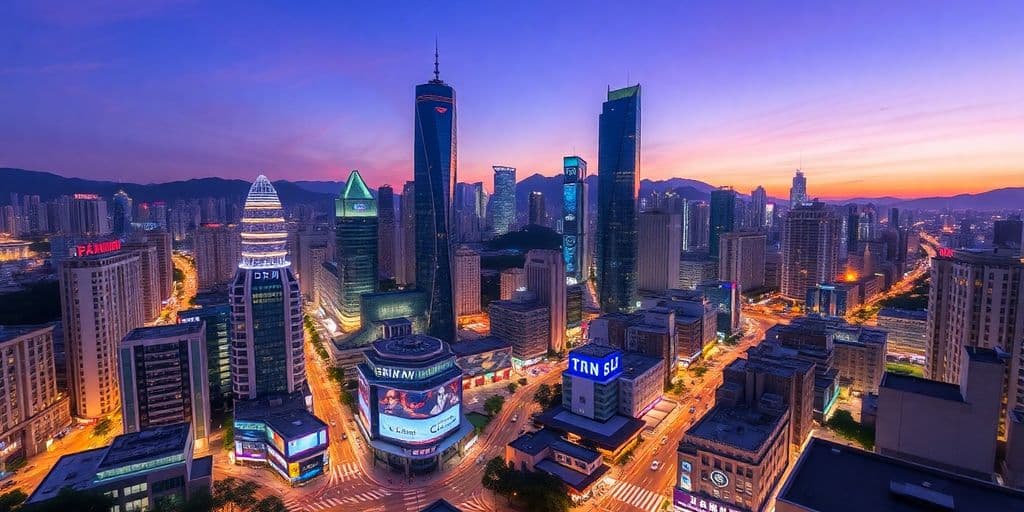
Shenzhen, often hailed as China's Silicon Valley, is a vibrant city known for its rapid growth and modern lifestyle. While it offers a wealth of opportunities, understanding the cost of living in Shenzhen is crucial for anyone considering a move or a visit. This article breaks down various aspects of living expenses in the city, from housing and food to education and transportation, helping you get a clearer picture of what to expect.
Key Takeaways
- Shenzhen is more affordable than many global cities, despite its higher costs compared to other Chinese cities.
- Rent varies significantly based on location, with city centre apartments being pricier than those in the suburbs.
- Eating out can be costly, but cooking at home is a budget-friendly option.
- Public transport is cheap and efficient, making it easy to get around without a car.
- Education, particularly international schools, can be expensive, so plan accordingly if moving with family.
Understanding The Cost Of Living In Shenzhen
Overview Of Living Expenses
Okay, so you're thinking about moving to Shenzhen? First things first, let's talk money. Shenzhen can be surprisingly expensive, especially when compared to other cities in mainland China. It's a global hub, and the cost of living reflects that. You'll need to factor in accommodation, food, transport, utilities, and of course, a bit of fun. A single person might need around 13,600元 per month, while a family of four could be looking at 23,457元. But remember, these are just estimates, and your actual expenses will depend on your lifestyle.
Here's a quick rundown of what to expect:
- Accommodation: This will likely be your biggest expense.
- Food: Eating out can add up, but groceries are relatively affordable.
- Transport: Public transport is cheap and efficient.
- Entertainment: Plenty of options, but they come at a cost.
It's worth noting that Shenzhen is a rapidly developing city, and prices can change quickly. Keep an eye on local news and forums to stay up-to-date.
Comparison With Other Major Cities
How does Shenzhen stack up against other major cities? Well, it's definitely pricier than most other Chinese cities. Compared to Beijing or Shanghai, it can be similar, but it really depends on your spending habits. Globally, it's not as expensive as, say, London or New York, but it's certainly not a budget destination. If you're coming from a smaller town in China, prepare for a bit of a shock. But if you're used to big-city living, it might not seem too bad. Consider the cost of living comparison with other cities to get a better idea.
Factors Influencing Costs
So, what drives up the cost of living in Shenzhen? Several things, really. Location is a big one – living in the city centre will always be more expensive. Your lifestyle also plays a huge role. If you eat out every night and enjoy fancy entertainment, you'll naturally spend more. And of course, the exchange rate can have an impact, especially if you're earning money in a different currency. Here's a few key factors:
- Location: City centre vs. suburbs.
- Lifestyle: Eating out, entertainment, travel.
- Accommodation: Size, type, and location of your home.
- Personal choices: Personal care and clothing expenses.
Ultimately, understanding these factors will help you budget effectively and make informed decisions about your spending in Shenzhen.
Accommodation Options And Prices
Renting In The City Centre
Finding a place in Shenzhen's city centre can be exciting, but it's important to know what you're getting into. Expect to pay a premium for the convenience and access to amenities. A one-bedroom apartment might set you back around ¥5,192.31, but that's just an average. You could easily find places ranging from ¥4,000 to ¥7,000. For a three-bedroom apartment, you're looking at something closer to ¥12,500, potentially stretching from ¥9,000 all the way to ¥20,000. Location really does affect the price, so do your research.
Cost Of Furnished Apartments
Furnished apartments offer a convenient option, especially if you're planning a shorter stay or don't want the hassle of buying furniture. In a more expensive area, a furnished 85m2 flat could cost around ¥12,184 per month. If you're willing to look at areas that are less central, you might find something similar for around ¥7,900. These prices can fluctuate, but they give you a general idea. It's worth checking out different districts to see what's available and how the prices compare. For example, the average price for a 3-star hotel this weekend is $85 per night.
Alternative Housing Solutions
If traditional apartments aren't quite right for you, there are other options to consider. These can be more budget-friendly or offer a different kind of living experience:
- Serviced Apartments: These come fully furnished and often include services like cleaning and laundry. They can be pricier than regular apartments but offer added convenience.
- Co-living Spaces: A growing trend, co-living spaces provide a room in a shared apartment, often with communal facilities and social events. This can be a great way to meet people and save money.
- Homestays: Living with a local family can be a good way to immerse yourself in the culture and potentially find cheaper accommodation. It's worth checking out online platforms that connect travellers with hosts.
Finding the right accommodation in Shenzhen depends on your budget, lifestyle, and priorities. Take the time to explore different options and weigh the pros and cons of each before making a decision. Don't be afraid to negotiate, and always read the fine print before signing a lease. Consider alternative housing solutions to save money.
Food And Dining Expenses
Average Meal Prices
Eating out in Shenzhen can vary wildly depending on where you go. You can grab a basic lunchtime menu, drink included, in a business district for around 62元. A meal at an inexpensive restaurant might set you back about 25元, but this can range from 15元 to 47元 depending on the place. For a more substantial meal, say a three-course affair for two at a mid-range restaurant, expect to pay around 200元. Of course, a McMeal at McDonalds or something similar will be closer to 38元.
Grocery Costs
Doing your own cooking can save a lot of money. Here's a rough idea of what some staples might cost:
- Milk (regular), 1 litre: Around 13元
- Loaf of Fresh White Bread (500g): Approximately 16元
- Rice (white), 1kg: In the region of 9元
- Eggs (regular) 12: About 20元
- Local Cheese, 1kg: Expect to pay around 120元
- Chicken Fillets, 1kg: Roughly 47元
- Beef Round, 1kg: In the neighbourhood of 97元
- Apples, 1kg: About 15元
- Banana, 1kg: Around 9元
- Oranges, 1kg: Approximately 14元
- Tomato, 1kg: Roughly 14元
- Potato, 1kg: In the region of 7元
- Onion, 1kg: About 8元
- Lettuce, 1 head: Around 8元
- Water (1.5 litre bottle): Approximately 4元
Dining Out Versus Cooking At Home
Deciding whether to eat out or cook at home really depends on your lifestyle and budget. Eating out is convenient, especially with the sheer variety of options in Shenzhen, from street food to fancy restaurants. However, the costs can quickly add up. Cooking at home gives you more control over what you eat and how much you spend. If you're trying to save money, cooking is definitely the way to go. But if you value convenience and enjoy trying new foods, then eating out might be worth the extra expense. Ultimately, it's about finding a balance that works for you.
Balancing dining out and cooking at home is key to managing your food expenses in Shenzhen. While eating out offers convenience and a taste of local cuisine, regularly cooking your own meals can significantly reduce your monthly costs. Consider planning your meals and grocery shopping strategically to make the most of your budget.
Transportation Costs In Shenzhen
Public Transport Options
Shenzhen boasts a pretty comprehensive public transport network, making it relatively easy to get around without a car. The Shenzhen Metro is efficient and expanding, covering most key areas of the city. Fares are reasonable, usually calculated based on distance. Buses are also plentiful, reaching areas not served by the metro, though they can be a bit more crowded, especially during peak hours. For regular commuters, a monthly ticket offers good value.
- Metro: Extensive network, distance-based fares.
- Buses: Wide coverage, can be crowded.
- Monthly Pass: Cost-effective for frequent users.
Taxi Fares
Taxis are readily available in Shenzhen, but they can be more expensive than public transport. It's worth noting that during rush hour or late at night, it might be harder to find one, and surge pricing can apply. Ride-hailing apps are also popular and often offer competitive rates. The basic tariff for the first few kilometres is fairly standard, but the metre ticks up quickly after that.
Bicycle Rentals
Shenzhen has embraced bicycle rentals, with numerous bike-sharing schemes available. These are a great option for short trips and exploring the city at a leisurely pace. You'll find bikes all over the place, and they're usually unlocked via a mobile app. It's a cheap and eco-friendly way to get around, but be mindful of traffic and designated cycling lanes.
Using shared bikes is a great way to explore Shenzhen, but always be aware of your surroundings. Traffic can be hectic, and it's important to stick to designated bike lanes where possible. Also, remember to park the bike responsibly in designated areas to avoid fines.
Utilities And Internet Charges
Monthly Utility Bills
Okay, so let's talk about keeping the lights on and the water running. Generally, your monthly utility bills in Shenzhen will cover electricity, heating, cooling, water, and garbage disposal. For a 915 sq ft apartment, expect to pay somewhere in the range of ¥472.26 a month, but this can fluctuate between ¥300 and ¥800 depending on usage and the season. Air conditioning in the summer months will definitely bump up your electricity bill. For a smaller studio apartment (around 45m2), a single person might pay around ¥333.
- Consider energy-efficient appliances to keep costs down.
- Be mindful of your air conditioning usage.
- Check if your rental agreement includes any utility costs.
It's worth noting that utility costs can vary significantly depending on the district you live in and the type of building. Older buildings might not be as energy-efficient, leading to higher bills.
Internet Costs
Staying connected is pretty important, and thankfully, internet in Shenzhen is relatively affordable. You can usually get a decent monthly plan with calls and 10GB+ data for around ¥77.68, though prices range from ¥38 to ¥128. For internet with speeds of 60 Mbps or more with unlimited data, expect to pay around ¥108.62 a month, with a range of ¥50 to ¥199.
- Most providers offer different packages, so shop around.
- Check for deals that bundle internet and mobile services.
- Consider the speed you need based on your usage.
Comparative Utility Expenses
When you stack Shenzhen up against other cities, you'll find that utility costs are pretty reasonable. For example, in Port Vila, a family's utility bill averages $98.9, while in Shenzhen, it's around $65.5. The real kicker is internet costs. In Port Vila, a 50 Mbps+ internet plan will set you back about $110, whereas in Shenzhen, it's a steal at around $13.1. That's a massive difference! So, if you're looking for affordable internet, Shenzhen is a good bet.
Here's a quick comparison table:
| Item | Shenzhen (¥) | Notes |
|---|---|---|
| Basic Utilities (915 sq ft apartment) | 472.26 | Range: 300-800 |
| Mobile Phone Plan (10GB+ Data) | 77.68 | Range: 38-128 |
| Internet (60 Mbps+, Unlimited Data) | 108.62 | Range: 50-199 |
Education Costs For Families
Tuition Fees For International Schools
If you're moving to Shenzhen with kids, education is probably a big thing on your mind. International schools are available, but they come with a hefty price tag. The fees can vary quite a bit depending on the school and the age of your children.
Here's a rough idea of what you might expect to pay:
- Primary School (Yearly): ¥100,000 - ¥200,000
- Secondary School (Yearly): Expect to pay even more, possibly upwards of ¥250,000
- Keep in mind that these figures don't usually include extras like uniforms, trips, or after-school activities.
It's worth doing your homework and visiting a few schools to get a feel for what's on offer and what you're actually paying for. Some schools have better facilities or a stronger reputation, which might justify the higher cost.
Higher Education Options
Shenzhen is becoming a hub for higher education, with several well-regarded universities setting up campuses there. This is great news if you're planning on staying long-term and your kids are heading towards university age. You've got options like:
- Tsinghua University
- Peking University
- The Chinese University of Hong Kong (Shenzhen)
- SUSTech University
Tuition fees for these universities can vary quite a bit, ranging from around $2,800 to $31,000 per year, depending on the programme and the university. It's worth checking out the studying in China options available.
Additional Educational Expenses
Beyond tuition fees, there are other costs to consider. These can quickly add up, so it's good to factor them into your budget. Think about things like:
- Textbooks and school supplies: These can be surprisingly expensive, especially for international schools.
- Extracurricular activities: Music lessons, sports clubs, and other activities all come with their own fees.
- Tutoring: If your child needs extra help with a particular subject, you might need to hire a tutor.
- School trips: Many schools organise trips, both locally and internationally, which can be a significant expense.
Miscellaneous Living Expenses
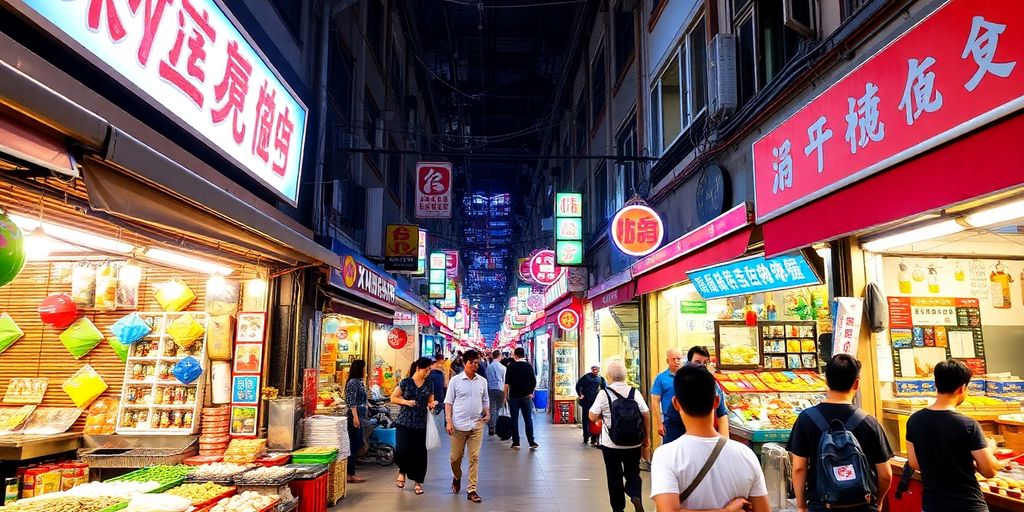
Beyond the big stuff like rent and food, there are always those extra costs that add up. Let's break down what you might expect to spend on personal care, entertainment, and healthcare in Shenzhen.
Personal Care And Clothing
Generally, Shenzhen is pretty reasonable when it comes to personal care and clothing. You don't need to break the bank to keep yourself looking good.
- Basic toiletries are readily available and affordable.
- There are tonnes of local brands that offer good quality clothing at reasonable prices.
- If you're into designer stuff, you'll find plenty of options, but obviously, that'll cost you more.
Entertainment Costs
Shenzhen has a vibrant entertainment scene, so there's always something to do. How much you spend really depends on your lifestyle. A night out can be cheap or expensive, depending on what you're into. For example, average living cost can vary widely based on entertainment choices.
- Movie tickets are fairly cheap, around £5-£8.
- A cocktail in a fancy bar will set you back around £7-£10.
- KTV (karaoke) is super popular and can be a fun, affordable night out with friends.
It's easy to get caught up in the city's nightlife, but remember to budget accordingly. There are plenty of free or low-cost activities too, like exploring parks, hiking trails, and local markets.
Healthcare Expenses
Healthcare is something you definitely need to consider. It's always better to be prepared.
- If you're working in Shenzhen, your company will usually provide health insurance.
- Even with insurance, you might have to pay out-of-pocket for certain things.
- Private hospitals offer higher standards of care, but they're also more expensive. Public hospitals are more affordable, but can be crowded.
Final Thoughts on Living Costs in Shenzhen
So, there you have it. Living in Shenzhen can be a bit of a mixed bag when it comes to costs. On one hand, you’ve got decent public transport and affordable food options. On the other, rent can really hit your wallet, especially if you want to be close to the action. It’s definitely pricier than many other cities in China, but still cheaper than a lot of places worldwide. If you’re planning to move here, just keep an eye on your budget and be ready for a lively city that’s always buzzing. Overall, Shenzhen offers a unique blend of modern living and cultural experiences, making it a fascinating place to call home.
Frequently Asked Questions
What is the average cost of living in Shenzhen?
For a family of four, the estimated monthly cost is about 23,457 yuan, while for a single person, it is around 13,600 yuan.
How much does accommodation cost in Shenzhen?
Rent prices vary. A furnished studio can cost between 3,800 to 6,000 yuan, and larger apartments can range from 6,500 to 11,000 yuan depending on location.
What are the food prices like in Shenzhen?
Eating out is a bit pricey. A basic meal at a restaurant costs between 30 to 70 yuan, while groceries for a week might cost around 700 yuan.
How can I get around Shenzhen?
Public transport is affordable. A monthly pass for buses and the metro costs about 140 yuan, and taxis start at around 30 yuan for short trips.
What are the utility costs in Shenzhen?
Monthly utility bills, including electricity, water, and internet, typically range from 500 to 800 yuan.
Are there good schools in Shenzhen?
Yes, Shenzhen has many international schools. Tuition fees can vary widely, from 20,000 to 200,000 yuan per year, depending on the school.
Filed under
The Moveandstay editorial team writes about serviced living, workspaces, and city guides across Asia-Pacific.
Read next
Serviced Offices Surge in Popularity as Businesses Embrace Flexible Leasing
May 3, 2026
Hong Kong Serviced Apartment Market Buzzes with Sales and Investment Activity Amidst Shifting Valuations
May 3, 2026
ONYX Hospitality Group Elevates Shama Serviced Apartments with New Lifestyle Concept and Ambitious Expansion
Apr 26, 2026