
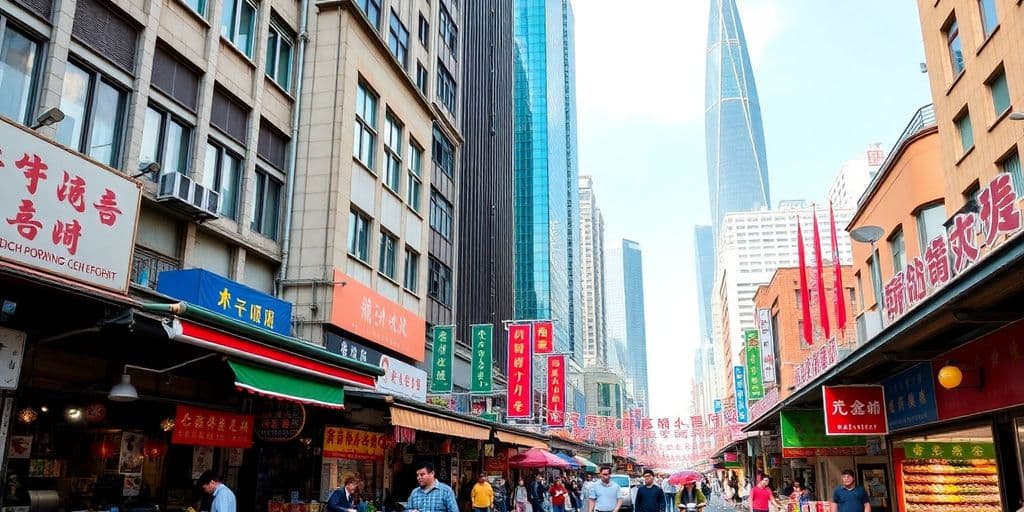
Shanghai is a vibrant metropolis that attracts people from all over the world. Whether you're considering a permanent move, a temporary stay, or just curious about the financial side of life in this bustling city, understanding the cost of living in Shanghai is essential. From housing to food, transportation, and healthcare, this guide will give you a clear picture of what to expect.
Key Takeaways
- Shanghai's living costs can be significantly lower than cities like New York.
- Rent prices vary greatly depending on the district, with city centre locations being much pricier.
- Eating out can be affordable, but cooking at home is often cheaper and healthier.
- Public transport is efficient and economical, making it easy to get around without a car.
- Healthcare costs can differ widely between public and private options, so it's wise to explore your choices.
Understanding The Cost Of Living In Shanghai
Overview Of Living Expenses
So, you're thinking about Shanghai, huh? Well, let's talk money. The cost of living here can be quite variable, depending on your lifestyle. It's definitely not the cheapest city in China, but it's also not the most expensive globally. You'll need to factor in accommodation, food, transport, and entertainment, of course. For a family of four, you're probably looking at around 27,033元 a month. Single? Budget around 17,124元. Keep in mind that these are just estimates, and your actual spending could be higher or lower.
- Accommodation (rent or mortgage)
- Food (groceries and eating out)
- Transportation (public transport, taxi, or car)
It's worth noting that Shanghai's cost of living is higher than in a significant number of other places. This is due to its status as a global financial hub and a popular destination for expats.
Comparison With Other Major Cities
Compared to other global hubs, Shanghai can be a mixed bag. It's generally cheaper than New York or London, especially when it comes to rent. However, it can be more expensive than some other Asian cities like Bangkok or Ho Chi Minh City. A good way to get a feel for it is to look at a cost of living comparison tool online. These tools let you compare the prices of everyday items and services between different cities. This can give you a better idea of what to expect.
Factors Influencing Costs
Several things can affect how much you spend in Shanghai. Your choice of accommodation is a big one. Living in the city centre will cost more than living in the suburbs. Your lifestyle also plays a role. If you eat out every night and enjoy frequent nights out, your expenses will be higher. Other factors include:
- Location: City centre vs. suburbs.
- Lifestyle: Eating out, entertainment, travel.
- Accommodation: Apartment size and quality.
- Schooling: International schools are expensive.
Ultimately, understanding these factors will help you create a realistic budget for your time in Shanghai. It's all about finding the right balance between enjoying the city and managing your finances.
Housing And Accommodation Costs
Average Rent Prices
Finding a place to live in Shanghai can be a bit of a rollercoaster. Rent prices vary wildly depending on location, size, and the age of the building. You'll find that apartments in the city centre command a premium, while those further out are more affordable. It's not unusual to see a significant difference in price just a few subway stops away from the main business districts. Generally, expect to pay more for modern amenities and proximity to public transport.
Here's a rough idea of what you might be looking at:
| Apartment Type | Location | Monthly Rent (RMB) | Notes |
|---|---|---|---|
| 1-Bedroom Apartment | City Centre | 6,000 - 10,000 | Modern, close to amenities |
| 1-Bedroom Apartment | Outside City Centre | 4,000 - 7,000 | Older buildings, longer commute |
| 3-Bedroom Apartment | City Centre | 15,000 - 30,000 | Spacious, suitable for families or sharing |
| 3-Bedroom Apartment | Outside City Centre | 10,000 - 20,000 | More affordable, but further from the action |
Buying Property In Shanghai
Buying property in Shanghai is a whole different ball game. It's a major investment, and the market can be quite volatile. There are restrictions on who can buy, especially for foreigners, so it's important to do your homework. Plus, be prepared for high prices; Shanghai is one of the most expensive cities in the world for real estate. The average price of residential housing sold in Shanghai reached 46,000 yuan per square metre in 2023.
Things to consider:
- Eligibility: Check if you meet the requirements to purchase property as a foreigner.
- Location: Decide which district suits your lifestyle and budget.
- Property Type: New apartments, older buildings, villas – each has its pros and cons.
Navigating the Shanghai property market requires patience and often the help of a good real estate agent. It's a complex process with lots of paperwork and regulations, so don't go it alone unless you really know what you're doing.
Living In Different Districts
Shanghai is a city of distinct districts, each with its own character and appeal. Where you choose to live will significantly impact your cost of living and overall experience. Here's a quick rundown:
- Pudong: Modern, business-oriented, with high-end apartments and a more international feel. Expect higher rent prices here.
- Jing'an: Central, vibrant, with a mix of old and new. Great for shopping and dining, but also pricey.
- Xuhui: Leafy, residential, with a more relaxed atmosphere. Popular with families and expats, offering a good balance of convenience and affordability.
- Minhang: Further out, more affordable, with a mix of residential and industrial areas. Good for those on a tighter budget or who prefer a quieter environment. You can also compare the cost of living by city in China to get a better idea of the expenses.
Food And Dining Expenses
Grocery Prices
Okay, let's talk about groceries. Doing your own cooking in Shanghai can save you a fair bit of money, but it really depends on where you shop and what you buy. Imported goods, naturally, are going to cost more. Local markets are your friend for fresh produce, but be prepared to haggle a bit! Supermarkets are generally more expensive but offer a wider selection and, arguably, better hygiene standards.
Here's a rough idea of what you might expect to pay:
- Apples (1 lb): ¥7.20
- Chicken Fillets (1 lb): ¥10.11
- Beef Round (1 lb): ¥35.17
- Local Cheese (1 lb): ¥50.33
It's worth noting that prices can fluctuate quite a bit depending on the season and availability. Also, shopping at wet markets requires a bit of skill in bargaining, but it's a great way to experience local culture and get the best deals on fresh produce.
Dining Out Costs
Eating out in Shanghai? You're in for a treat! The city is a foodie paradise, with options ranging from cheap street food to fancy restaurants. Obviously, the cost varies wildly. You can grab a bowl of noodles for next to nothing, or drop a small fortune on a Michelin-starred meal. It all depends on your budget and tastes. A fast food meal will set you back about ¥40.
- A meal at an inexpensive restaurant might cost around ¥35.
- A mid-range restaurant for two could be around ¥252.68.
- A McDonald's meal is about ¥40.
Local Specialties And Their Prices
Shanghai cuisine is something else. You absolutely have to try the local specialties. Xiao long bao (soup dumplings) are a must, as is shengjian bao (pan-fried pork buns). Prices are pretty reasonable, especially if you buy them from street vendors. You can usually get a basket of xiao long bao for around ¥20-¥30. Don't forget to try some Cong You Ban Mian (scallion oil noodles) – a simple but delicious dish that won't break the bank. These are usually available for around ¥15-¥25. Exploring these local specialties is a great way to experience the city's culture without spending too much.
Transportation Costs In Shanghai
Public Transport Options
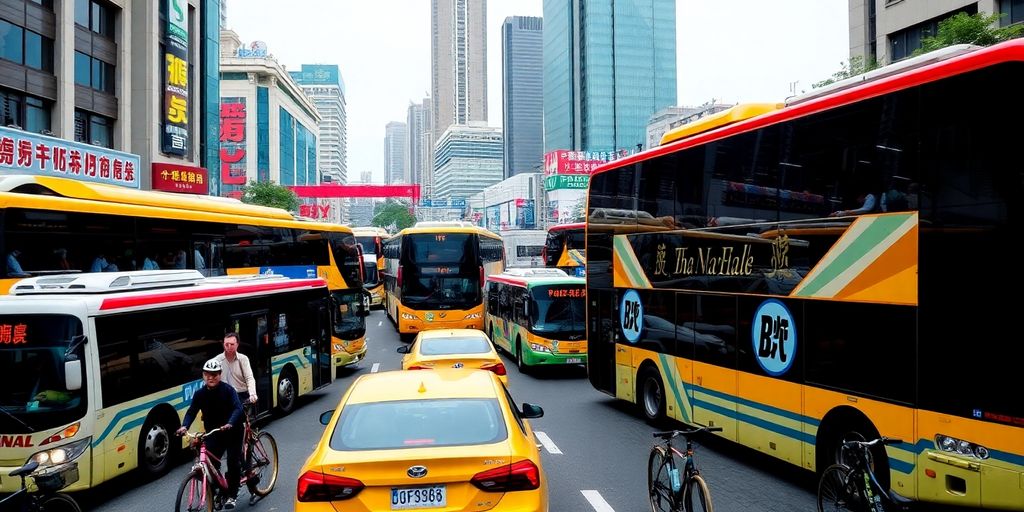
Shanghai boasts an extensive and efficient public transport system, making it relatively easy and affordable to get around. The Shanghai Metro is a modern marvel, with numerous lines covering a vast area of the city. Fares are generally inexpensive, calculated based on distance travelled. A single journey might cost anywhere from ¥3 to ¥9.
Buses are another common option, reaching areas not covered by the metro. They are even cheaper, but can be slower due to traffic. A Shanghai Public Transportation Card can be used on both the metro and buses, offering convenience and sometimes discounts. Consider using a transportation card for ease of travel.
- Metro: Extensive network, distance-based fares (¥3-¥9).
- Buses: Cheaper, but slower, covering more areas.
- Public Transportation Card: Convenient for both metro and buses.
Taxi Fares
Taxis are readily available in Shanghai, but can be more expensive than public transport, especially during peak hours. The base fare typically starts around ¥14 for the first 3 kilometres, with additional charges per kilometre after that. Surcharges may apply during late-night hours. Ride-hailing apps like Didi Chuxing are also popular and often offer competitive pricing. Be aware of potential traffic congestion, which can significantly increase the fare.
Bicycle Rentals
Bicycle rentals have become increasingly popular in Shanghai, offering a flexible and eco-friendly way to explore the city. Numerous bike-sharing companies operate, allowing you to pick up and drop off bikes at designated locations using a mobile app. Rental costs are usually very low, often just a few yuan per hour. This is a great option for short trips and exploring local neighbourhoods. Just be mindful of traffic and cycling safely, as bike lanes can be limited in some areas.
Using shared bikes is a great way to see the city at your own pace. It's cheap, convenient, and good for the environment. Just remember to be careful and follow traffic rules. It's also a good idea to check the bike's condition before you start riding.
Healthcare And Insurance Costs
Public Healthcare System
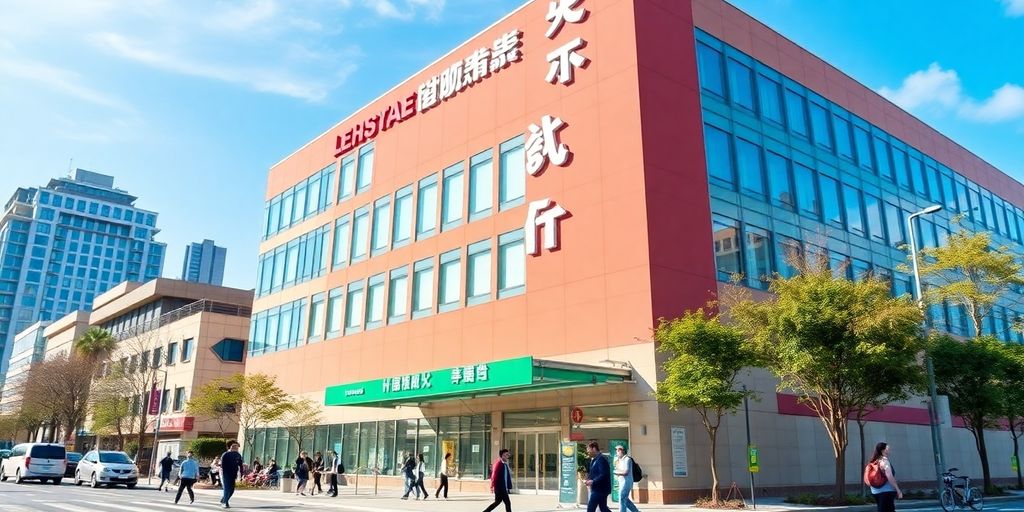
Shanghai's public healthcare system is extensive, but it can be a bit tricky for expats to navigate. It's generally more affordable than private options, but you might encounter language barriers and longer waiting times. Most public hospitals require you to pay upfront, even with insurance, and then claim reimbursement later. The quality of care can vary, with some hospitals being better equipped and staffed than others. It's worth doing some research to find a reputable public hospital that suits your needs. Also, be aware that while basic care is readily available, specialised treatments might require referrals and longer waits.
Private Health Insurance
For many expats, private health insurance is the preferred route. It offers access to a wider range of hospitals and clinics, often with English-speaking staff and shorter waiting times. The cost of medical insurance in China can vary significantly depending on the level of coverage you choose. Policies typically cover both in-patient and out-patient care, and some may also include dental and optical benefits. It's important to shop around and compare different providers to find a plan that fits your budget and healthcare needs. Some popular international insurance providers operate in Shanghai, offering comprehensive coverage tailored to expats.
Average Medical Expenses
Medical expenses in Shanghai can range from relatively inexpensive to quite costly, depending on whether you opt for public or private healthcare. A visit to a public hospital might cost a few hundred RMB, while a consultation with a specialist at a private clinic could easily run into the thousands. Emergency treatments and hospital stays can be particularly expensive, highlighting the importance of having adequate insurance coverage. Here's a rough idea of what you might expect to pay:
- General consultation at a public hospital: 100-300 RMB
- Specialist consultation at a private clinic: 800-2000 RMB+
- Emergency room visit (public): 500-1500 RMB+
- Basic health insurance (annual): 15,000-30,000 RMB+
It's always a good idea to keep some cash on hand for medical expenses, as many facilities may not accept foreign credit cards. Also, make sure you understand the terms and conditions of your insurance policy, including any deductibles or co-payments that may apply.
Education Costs For Expats
International Schools Fees
Sending your kids to international school in Shanghai? Be prepared for some hefty fees. These schools often come with top-notch facilities and a globally recognised curriculum, but that comes at a price. Expect to pay anywhere from £20,000 to £40,000 per year, per child. This usually covers tuition, but extras like uniforms, school trips, and after-school activities can add up quickly. It's a significant investment, so it's worth doing your research and visiting a few schools to see which one best fits your child's needs and your budget.
Local Schooling Options
If international schools seem too expensive, local schooling is an option. However, it's not always straightforward for expats. Here's what you need to know:
- Curriculum: Local schools follow the Chinese curriculum, which is very different from what your child might be used to. This can be a challenge, especially if they don't speak Mandarin fluently.
- Language Barrier: Mandarin is the language of instruction. While some schools offer language support for foreign students, it might not be enough for complete immersion.
- Admission: Getting your child into a local school can be tricky. You'll need to navigate the local education system and meet specific requirements, which can vary depending on the district.
Enrolling in local schools can be a great way for your child to immerse themselves in the culture and learn Mandarin. However, it requires careful consideration and preparation to ensure a smooth transition.
Additional Educational Expenses
Beyond tuition fees, there are other educational costs to consider. These can include:
- Tutoring: Many expat families hire tutors to help their children with their studies, especially if they're attending a local school or struggling with a particular subject.
- Extracurricular Activities: From sports to music lessons, extracurricular activities can add a significant amount to your education budget. Living costs in China can be reduced by carefully selecting activities.
- School Supplies: Textbooks, stationery, and other school supplies can also be quite expensive, especially if you're buying them from international retailers.
- Uniforms: Some schools require specific uniforms, which can be an additional cost. Make sure to factor this in when budgeting for education expenses.
Entertainment And Leisure Expenses
Cost Of Activities And Attractions
Shanghai has loads to do, but it can add up. Think about entrance fees to places like the Shanghai Tower, the Yu Garden, or even the Shanghai Museum. Prices vary, but you're generally looking at around ¥50-¥200 per person per attraction. Theme parks, like Shanghai Disneyland, are obviously pricier, often costing several hundred yuan for a day ticket. There are smaller attractions, like parks and local gardens, that are much cheaper, sometimes even free. It really depends on what you're into. I went to the Shanghai Propaganda Poster Art Centre last month, and it was only ¥30. Bargain!
Dining And Nightlife
Eating out and going out in Shanghai can be as cheap or as expensive as you want it to be. You can grab some amazing street food for next to nothing, or you can drop a small fortune at a fancy restaurant on the Bund. Drinks-wise, local beers are pretty cheap, but imported stuff and cocktails will set you back a fair bit. Nightlife is similar – there are dive bars where you can get a beer for ¥20, and there are swanky clubs with cover charges and expensive drinks. It's all about finding what suits your budget and taste.
Cultural Events And Festivals
Shanghai has a vibrant cultural scene, with loads of festivals, concerts, and shows happening all year round. Tickets for these events can range from affordable to pretty pricey, depending on what it is. For example, a ticket to a local Chinese opera might only cost ¥100, while a ticket to see an international music act could easily be ¥500 or more. Keep an eye out for free events too – there are often free concerts and performances in parks and public spaces, especially during festivals. Here's a few things to consider:
- Ticket prices vary widely.
- Look for discounts and deals.
- Free events are often available.
Planning is key. Check out local listings and event websites to see what's on during your stay and to compare prices. Booking in advance can often save you money, especially for popular events. Also, don't be afraid to explore smaller, local events – they can be a great way to experience Shanghai's culture without breaking the bank. And remember to check out public transport options to save on travel costs getting to and from events.
Final Thoughts on Living Costs in Shanghai
In summary, living in Shanghai can be quite a mixed bag when it comes to expenses. On one hand, you’ve got the high rent prices, especially in the city centre, which can take a big chunk out of your budget. But on the flip side, everyday costs like food and transport can be surprisingly reasonable. If you’re smart about where you shop and eat, you can definitely make it work without breaking the bank. Just remember, it’s all about finding that balance. Whether you’re moving for work, study, or just a change of scenery, being aware of these costs will help you settle in a bit easier. So, do your homework, plan ahead, and you’ll be just fine in this vibrant city.
Frequently Asked Questions
What is the average cost of living in Shanghai?
The average monthly cost for a family of four is around $2,241.80, not including rent.
How do housing prices in Shanghai compare to other cities?
Housing costs in Shanghai are generally lower than in cities like New York, with rent being about 75.5% less.
What are the typical food prices in Shanghai?
Grocery prices in Shanghai can vary, but dining out is often affordable, with local meals costing less than in many Western cities.
How much does public transport cost in Shanghai?
Public transport in Shanghai is quite cheap, with subway fares starting at around 3 RMB, making it a budget-friendly option for getting around.
Is healthcare expensive in Shanghai?
Healthcare costs can vary; public healthcare is more affordable, while private health insurance can be pricier.
What are the education costs for expats in Shanghai?
International schools can be quite expensive, with fees often reaching tens of thousands of RMB per year, while local schooling options are generally more affordable.
Filed under
The Moveandstay editorial team writes about serviced living, workspaces, and city guides across Asia-Pacific.
Read next
Serviced Offices Surge in Popularity as Businesses Embrace Flexible Leasing
May 3, 2026
Hong Kong Serviced Apartment Market Buzzes with Sales and Investment Activity Amidst Shifting Valuations
May 3, 2026

ONYX Hospitality Group Elevates Shama Serviced Apartments with New Lifestyle Concept and Ambitious Expansion
Apr 26, 2026