
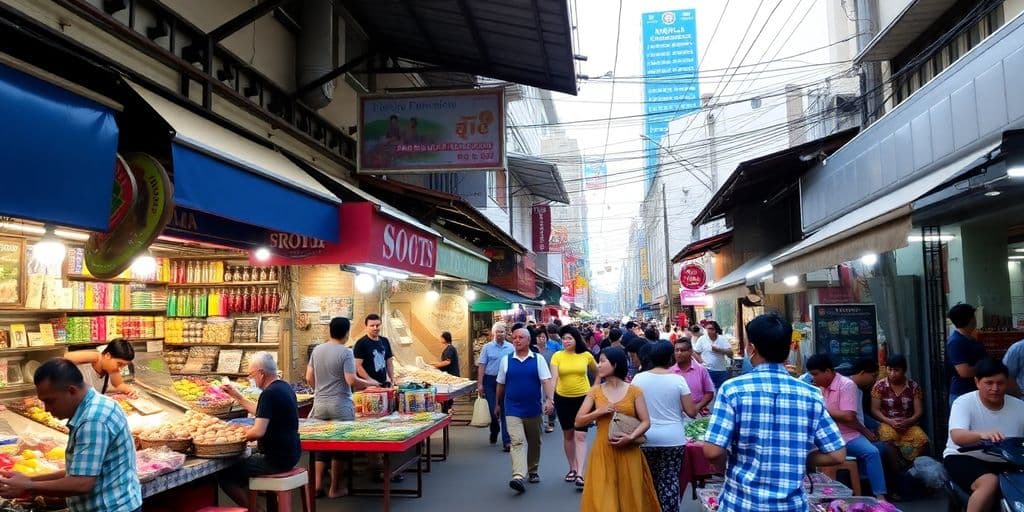
If you're considering a move to Manila or just curious about life there, understanding the cost of living in Manila is key. This bustling city offers a mix of modern amenities and rich culture, but prices can vary quite a bit. In this article, we'll break down the major expenses you can expect, from accommodation to groceries, so you can plan your budget accordingly.
Key Takeaways
- The average cost of living in Manila for a single person is around PHP 61,000, including rent.
- Accommodation costs vary widely, with city centre apartments being significantly pricier than those outside the centre.
- Utility bills can add up, so it's important to factor in electricity, water, and internet when budgeting.
- Eating out is affordable, but grocery prices can fluctuate based on where you shop.
- Transportation options are diverse, with public transport being economical compared to taxi fares.
Understanding The Cost Of Living In Manila
Manila, the bustling capital of the Philippines, is a city of contrasts. From towering skyscrapers to vibrant street markets, it offers a unique blend of modern living and rich cultural heritage. For those considering a move, understanding the cost of living is essential for financial planning. Let's break down the key aspects.
Average Monthly Expenses
Figuring out your average monthly expenses in Manila really depends on your lifestyle. Are you eating out every night, or cooking at home? Do you need to live in a fancy condo, or is a simple apartment okay? These choices make a big difference. Generally, a single person might need around PHP 35,000 to PHP 60,000 per month to live comfortably, excluding rent. This covers food, transportation, utilities, and some leisure activities. For a family of four, that number could easily jump to PHP 120,000 or more.
Factors Influencing Costs
Several things can affect how much you spend each month:
- Location: Living in Makati or Bonifacio Global City (BGC) will be pricier than living in more suburban areas.
- Lifestyle: Your spending habits play a huge role. Eating out frequently, shopping for imported goods, and enjoying nightlife will increase your expenses.
- Accommodation: This is usually the biggest expense. Rent varies widely depending on the size, location, and amenities of your place.
- Transportation: Manila traffic is notorious. If you rely on taxis or ride-sharing services, your transportation costs will be higher than if you use public transport.
Comparison With Other Cities
Manila is generally more affordable than many major cities in the West. However, it's important to compare it with other cities in the Philippines. For example, living in Cebu or Davao might be cheaper than Manila. Here's a quick comparison:
| City | Estimated Monthly Cost (Single Person, Excluding Rent) | Notes |
|---|---|---|
| Manila | PHP 35,000 - PHP 60,000 | Higher cost of living due to being the capital and business hub. |
| Cebu | PHP 25,000 - PHP 45,000 | More relaxed pace, generally lower prices. |
| Davao | PHP 20,000 - PHP 40,000 | Known for its safety and affordability. |
Planning a move to Manila requires careful consideration of your budget. It's wise to research different neighbourhoods, understand the local market prices, and adjust your lifestyle expectations to match your financial capabilities. This will help ensure a smooth and comfortable transition to life in this vibrant city.
Accommodation Costs In Manila
Finding a place to live is a big part of figuring out your budget in Manila. Where you choose to live and the type of accommodation you pick will really affect how much you spend each month. Let's break down the costs.
Rental Prices In The City Centre
Living right in the city centre of Manila has its perks – you're close to everything! But, it comes at a cost. Expect to pay more for rent compared to areas further out. The convenience of being near offices, shopping centres, and restaurants often justifies the higher price for many.
Here's a rough idea of what you might pay:
- Studio Apartment: PHP 20,000 - PHP 35,000 per month
- One-Bedroom Apartment: PHP 25,000 - PHP 45,000 per month
- Two-Bedroom Apartment: PHP 40,000 - PHP 70,000 per month
These are just estimates, and prices can change based on the specific location, building amenities, and the condition of the unit. You can find great hotel deals at Okada Manila if you are looking for a short-term stay.
Options Outside The City Centre
If you're looking to save some money, consider living outside the city centre. You'll likely find more affordable options, and depending on where you are, the commute might not be too bad. Plus, some areas outside the centre offer a more relaxed vibe.
Here's what you might expect to pay:
- Studio Apartment: PHP 10,000 - PHP 20,000 per month
- One-Bedroom Apartment: PHP 15,000 - PHP 30,000 per month
- Two-Bedroom Apartment: PHP 25,000 - PHP 50,000 per month
Keep in mind that transportation costs might increase if you live further out, so factor that into your budget.
Shared Accommodation
Sharing a flat is a popular way to cut down on rent, especially for students and young professionals. You can find rooms in shared apartments or houses, which can significantly lower your monthly expenses. It's also a great way to meet new people!
- Room in a Shared Apartment: PHP 5,000 - PHP 15,000 per month (depending on location and room size)
- Utilities are usually split among the tenants, so factor that in as well.
Living in Manila can be affordable if you plan well. Accommodation is a big expense, so think about what's important to you. Do you want to be in the middle of everything, or are you happy to commute to save money? Sharing a place is also a good option if you're on a tight budget. Consider your lifestyle and priorities when making your decision.
Utility Expenses In Manila
Electricity Costs
Okay, so electricity in Manila. It's probably gonna be one of your bigger monthly expenses, especially if you like air conditioning. The cost really depends on your usage, the size of your place, and how energy-conscious you are.
- Living alone in a small apartment? Expect to pay less.
- Got a family and a bigger house? Brace yourself for a higher bill.
- Running the AC 24/7? Yeah, that'll cost you.
To give you a rough idea, a small apartment might see bills around PHP 3,000-5,000 a month, but a larger family home could easily be double that. It's worth looking into energy-saving appliances and habits to keep those costs down. You can check out different electricity providers to see if you can get a better deal.
Water and Gas Bills
Water bills in Manila are generally much more manageable than electricity. Most apartments and houses get their water from the local water company, and the rates are fairly reasonable. Gas, on the other hand, isn't as common, especially in smaller apartments. Many people use electric stoves or portable gas tanks for cooking. Here's a quick breakdown:
- Water: Expect to pay around PHP 500-1,000 per month, depending on your usage.
- Gas: If you use it, a refill for a small tank might cost around PHP 800-1,200, and it could last you a month or two, depending on how much you cook.
Internet Charges
Internet is pretty essential these days, and Manila has a decent range of options. You can get everything from basic DSL to fibre optic, depending on your needs and budget. Most providers offer monthly plans with varying speeds and data allowances. I'd say a good internet plan is a must for staying connected. Here's what you might expect to pay:
- Basic DSL (10-20 Mbps): Around PHP 1,000-1,500 per month.
- Fibre Optic (50 Mbps+): PHP 1,500-3,000+ per month, depending on the speed and provider.
It's a good idea to shop around and compare plans from different providers to find the best deal. Some providers also offer bundled packages with cable TV or mobile phone services, which can save you some money. Just make sure to read the fine print and understand the terms and conditions before signing up.
Food And Grocery Prices In Manila
Dining Out Costs
Eating out in Manila can be a real treat, but it's good to know what you're in for, price-wise. The cost really depends on where you go. You can grab a cheap meal at a local eatery for around ₱300. But if you're after something a bit fancier, a meal for two at a mid-range restaurant could set you back about ₱1500. Fast food is always an option, with a meal at McDonald's costing around ₱250. And of course, a cappuccino will be about ₱169. These prices can influence your overall budget significantly.
Grocery Shopping Expenses
Knowing what you'll spend on groceries is key to managing your budget in Manila. Prices can vary, but here's a rough idea of what things cost:
- Milk (1 litre): ₱104
- Fresh White Bread (500g): ₱76
- White Rice (1kg): ₱55
- Eggs (12): ₱117
- Apples (1kg): ₱187
- Bananas (1kg): ₱97
- Oranges (1kg): ₱194
- Tomato (1kg): ₱122
- Potato (1kg): ₱137
- Onion (1kg): ₱173
- Water (1 litre bottle): ₱45
Groceries are generally cheaper than eating out, so cooking at home can save you a fair bit of money. Planning your meals and shopping smart can really help keep your expenses down.
Local Food Specialties
When you're in Manila, you've got to try some of the local food. It's not just about the price, but also the experience! Here are a few things to look out for:
- Adobo: This is a classic Filipino dish, usually chicken or pork braised in soy sauce, vinegar, garlic, and black peppercorns. You can find it everywhere, from street food stalls to fancy restaurants.
- Sinigang: A sour and savoury soup, often made with tamarind, and filled with meat and vegetables. It's super comforting and a must-try.
- Lechon: Roasted pig, with crispy skin and juicy meat. It's often served at celebrations, but you can find it in some restaurants too.
- Halo-halo: A popular dessert, which is a mix of shaved ice, sweet beans, fruits, and other toppings. It's the perfect way to cool down on a hot day. Exploring these food prices can be a delicious adventure!
Transportation Costs In Manila
Public Transport Options
Getting around Manila can be an adventure! You've got a bunch of options, each with its own quirks and costs. The jeepneys are iconic, colourful, and super cheap, but figuring out the routes can be tricky. Buses are another affordable choice, though traffic can make journeys long. Then there are the trains – the MRT and LRT – which can be a faster way to travel, especially during rush hour, but they can get seriously crowded. For many, understanding the public transport options is key to navigating the city.
- Jeepneys: The most iconic and cheapest option.
- Buses: Affordable but can be slow due to traffic.
- Trains (MRT/LRT): Faster but often crowded, especially during peak hours.
Taxi Fares
Taxis are readily available in Manila, offering a more comfortable and direct way to get around. However, they're also pricier than public transport. Make sure the metre is running to avoid getting overcharged.
| Item | Approx. Cost (PHP) |
|---|---|
| Taxi Ride (1km) | 13.50 |
| Taxi Waiting (1 hour) | 132.52 |
Fuel Prices
If you're thinking of driving in Manila, be prepared for the traffic! And of course, fuel costs are a factor. Petrol prices can fluctuate, so it's worth keeping an eye on them if you're driving regularly. Here's a rough idea of what you can expect to pay:
- Fuel prices are subject to change based on global market conditions.
- Traffic congestion can significantly increase fuel consumption.
- Consider the cost of parking, which can add up quickly in central areas.
Driving in Manila can be stressful due to heavy traffic. Public transport or ride-hailing services might be more convenient and cost-effective for many people. Always factor in potential delays when planning your journey.
Healthcare Expenses In Manila
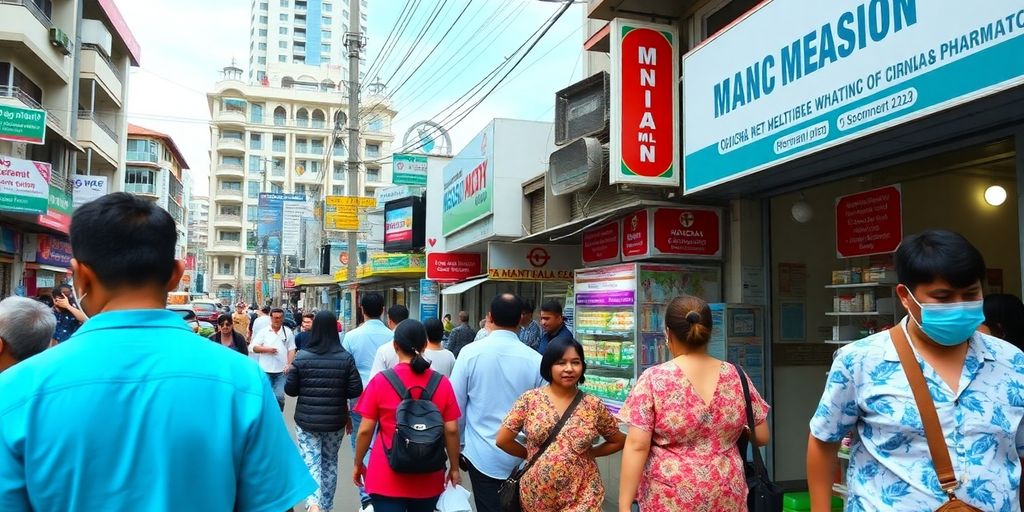
Health Insurance Costs
Navigating the healthcare system in Manila can be tricky, and understanding health insurance is key. Having health insurance can significantly reduce your out-of-pocket expenses. There are a few options available, from local providers to international plans. Local health insurance plans are generally more affordable, but they might have limitations on coverage and the hospitals you can visit. International plans offer broader coverage, including access to private hospitals and even medical care outside the Philippines, but they come at a higher price.
- Consider your medical needs and budget when choosing a plan.
- Compare different providers and their coverage options.
- Check if your employer offers health insurance benefits.
It's worth noting that while public healthcare is available, the quality and accessibility can vary. Many expats and wealthier Filipinos opt for private healthcare, which offers better facilities and shorter waiting times. Private hospitals often require proof of insurance or payment upfront, so it's essential to be prepared.
Average Medical Fees
Medical fees in Manila are generally lower than in many Western countries, but they can still add up. A consultation with a general practitioner might cost around PHP 500 to PHP 1,500. Specialist consultations can be more expensive, ranging from PHP 1,000 to PHP 3,000. Hospital stays also vary in price depending on the hospital and the type of room. Public hospitals are more affordable, but private hospitals offer better amenities and care. Here's a rough idea of some common medical costs:
| Service | Average Cost (PHP) |
|---|---|
| GP Consultation | 500 - 1,500 |
| Specialist Consultation | 1,000 - 3,000 |
| Basic Blood Test | 500 - 1,000 |
| X-Ray | 800 - 2,000 |
Pharmacy Prices
Pharmacy prices in Manila are relatively affordable. Both generic and branded medications are available. Generic drugs are significantly cheaper, but it's always a good idea to consult with a doctor or pharmacist to ensure they are suitable for your condition. You can find pharmacies in most neighbourhoods and shopping malls. Here are a few things to keep in mind:
- Prescriptions are required for certain medications, such as antibiotics and controlled substances.
- Check the expiration dates of medications before purchasing them.
- Compare prices at different pharmacies to find the best deals. Some pharmacies offer discounts for senior citizens or members of certain health insurance plans. It's useful to understand the cost of living in Manila to budget for healthcare and other expenses.
Education Costs In Manila

Manila is becoming a popular spot for students, both local and international. But before packing your bags, it's good to get a handle on the costs associated with education. It's not just tuition fees you need to think about; there are also school supplies and extracurriculars to factor in.
Tuition Fees For Universities
Tuition fees in Manila can vary quite a bit depending on the university and the course you choose. For example, De La Salle University tends to have higher fees compared to Centro Escolar University. It's worth checking the specific costs for your chosen programme. Here's a rough idea of what you might expect to pay per year:
| Name of University | Approx Tuition fees per year |
|---|---|
| Centro Escolar University | Bachelor: PHP 70,000 – 80,000 Master: PHP 27,000 – 51,000 |
| La Consolacion College – Manila | Bachelor: PHP 64,000 – 66,000 Master: PHP 36,000 – 38,000 Doctorate: PHP 36,000 – 38,000 |
| San Sebastian College – Recoletos | Bachelor: PHP 86,000 – 100,000 Master: PHP 37,000 – 45,000 |
| De La Salle University | Bachelor: PHP 205,000 – 225,000 Master: PHP 37,000 – 100,000 Doctorate: PHP 110,000 – 205,000 (full programme) |
| Mapúa University | Bachelor: PHP 130,000 – 195,000 Master: PHP 44,000 – 92,000 Doctorate: PHP 65,000 – 74,000 (full programme) |
Cost Of School Supplies
Beyond tuition, you'll need to budget for school supplies. This includes textbooks, notebooks, stationery, and maybe even a laptop, depending on your course. The cost can add up quickly, so it's a good idea to shop around and look for deals. Consider these points:
- Textbooks: These can be expensive, so look for second-hand options or e-books.
- Stationery: Stock up on pens, paper, and other essentials at the start of the semester.
- Laptop: If your course requires one, factor in the cost of a decent laptop and any necessary software. Don't forget to check out the annual costs of international schools.
Extracurricular Activities
Extracurricular activities can really enrich your university experience, but they also come with a cost. Whether it's joining a sports team, a club, or taking part in workshops, make sure you factor these expenses into your budget. Here are some examples:
- Sports clubs: Membership fees and equipment costs.
- Academic societies: Conference fees and materials.
- Social events: Tickets and transportation.
Planning your finances carefully is key to managing the cost of education in Manila. By understanding the tuition fees, school supply expenses, and extracurricular costs, you can create a realistic budget and make the most of your time as a student.
Lifestyle Considerations In Manila
Entertainment And Leisure Costs
Manila offers a wide array of entertainment options, from bustling nightlife to serene parks. The cost really depends on your tastes. A night out at a club could set you back a fair amount, while exploring local markets or relaxing in Rizal Park is much cheaper. Cinema tickets are reasonably priced, and there are often deals available. Keep an eye out for local events and festivals, which can offer free or low-cost entertainment. Budgeting for leisure is essential to enjoying your time in Manila without breaking the bank.
Shopping And Apparel Expenses
Shopping in Manila can be a mixed bag. You can find everything from high-end designer goods to affordable local brands. Malls like SM Megamall and Greenbelt offer a huge selection, but prices can be similar to those in Western countries. For cheaper clothing and accessories, head to markets like Divisoria or Quiapo. Just be prepared to haggle! The cost of apparel expenses will depend on your personal style and how often you like to update your wardrobe.
Here's a rough guide to clothing costs:
- Jeans: PHP 1,500 - PHP 3,000
- T-shirt: PHP 300 - PHP 800
- Shoes: PHP 1,000 - PHP 5,000+
Cultural Experiences
Manila is rich in culture and history, and there are plenty of ways to experience it without spending a fortune. Visiting historical sites like Intramuros is relatively inexpensive, and many museums offer discounted rates for students and seniors. Exploring local churches and temples is also a great way to immerse yourself in the culture. Don't forget to try the local cuisine – it's an integral part of the Filipino experience. You can find delicious and affordable food at street food stalls and local eateries. Consider taking a study abroad programme to fully immerse yourself in the culture.
Experiencing the local culture doesn't have to be expensive. Many cultural sites offer free admission days or discounted rates. Exploring local markets and trying street food are also great ways to immerse yourself in the Filipino way of life without spending a lot of money.
Final Thoughts on Living in Manila
So, there you have it—an overview of what it costs to live in Manila. It’s a vibrant city with a lot to offer, from its rich culture to delicious food. Sure, the cost of living can vary quite a bit depending on where you choose to stay and how you like to live. But overall, many find it quite manageable, especially with the average salary. If you're thinking about making the move, just keep in mind your budget and lifestyle preferences. Manila can be a fantastic place to call home, as long as you plan ahead.
Frequently Asked Questions
What is the average cost of living in Manila?
The average monthly cost of living for a single person in Manila is around PHP 61,000. This includes expenses like housing, food, healthcare, and more. However, your costs may vary based on your lifestyle and where you live in the city.
Is living in Manila expensive?
Compared to many other cities worldwide, living in Manila is quite affordable. The average monthly cost for an individual is about PHP 36,268, which is significantly lower than cities like New York.
How much money do I need to live comfortably in Manila?
To live comfortably in Manila, you should budget around PHP 61,000 per month. This amount covers rent, food, transport, and other daily expenses.
What is considered a good salary in Manila?
The average salary after tax in Manila is approximately PHP 29,102. This salary can help individuals manage their living costs effectively.
Are there many job opportunities in Manila?
Yes, Manila has a variety of job opportunities across different sectors. The city is known for its strong networking options, making it easier for job seekers.
What can I expect in terms of food prices in Manila?
Food prices in Manila are generally affordable. Eating out at local restaurants is inexpensive, and groceries are reasonably priced, making it easy to enjoy a variety of meals.
Filed under
The Moveandstay editorial team writes about serviced living, workspaces, and city guides across Asia-Pacific.
Read next

Serviced Offices Surge in Popularity as Businesses Embrace Flexible Leasing
May 3, 2026
Hong Kong Serviced Apartment Market Buzzes with Sales and Investment Activity Amidst Shifting Valuations
May 3, 2026

ONYX Hospitality Group Elevates Shama Serviced Apartments with New Lifestyle Concept and Ambitious Expansion
Apr 26, 2026