
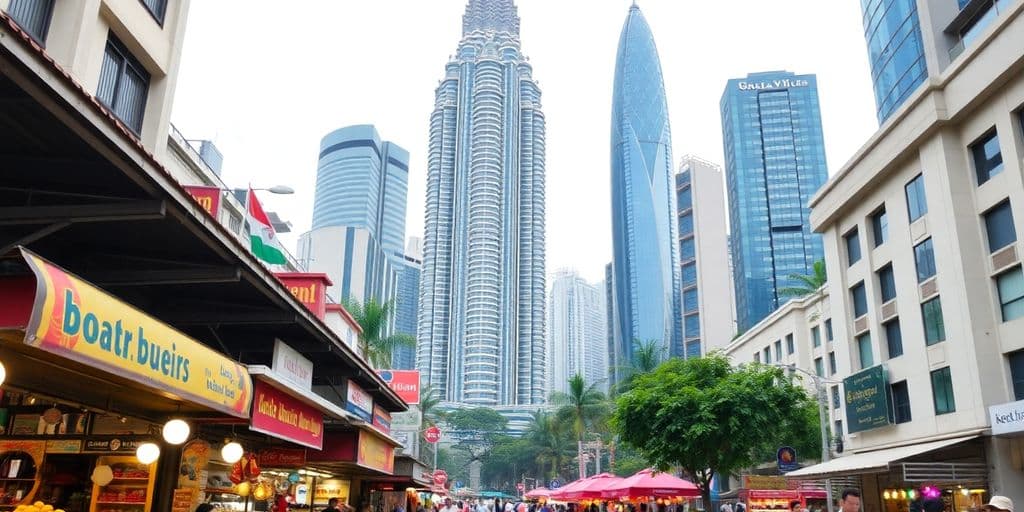
Kuala Lumpur, the vibrant capital of Malaysia, offers a unique blend of modernity and tradition. If you're considering moving to this bustling city or just curious about what it costs to live here, you've come to the right place. The cost of living in Kuala Lumpur can vary based on your lifestyle and needs, but overall, it remains quite affordable compared to many major cities around the world. In this article, we’ll break down various living expenses to give you a clearer picture of what to expect.
Key Takeaways
- Kuala Lumpur is generally cheaper than many Western cities, especially in terms of housing.
- Dining out can be very affordable, with local food options available at low prices.
- Public transport is efficient and budget-friendly, making it easy to get around the city.
- Healthcare costs are reasonable, with both public and private options available.
- Education costs can vary significantly, especially for international schools.
Understanding The Cost Of Living In Kuala Lumpur
Overview Of Living Expenses
So, you're thinking about moving to Kuala Lumpur? Or maybe just curious about how much it costs to live there? Well, let's break it down. Generally, KL is known for being pretty affordable compared to many Western cities, but it's still important to get a handle on the numbers. The cost of living will depend heavily on your lifestyle, where you choose to live, and your spending habits.
- Accommodation (rent or mortgage)
- Food (groceries and eating out)
- Transportation (public transport, car, or ride-hailing)
It's worth noting that these are just averages. Your actual expenses could be higher or lower depending on your personal choices. For example, if you prefer to eat out at fancy restaurants every night, your food bill will be significantly higher than someone who cooks at home most of the time.
Comparison With Other Cities
Compared to other major cities around the world, Kuala Lumpur often comes out as quite reasonable. For example, if you look at cost of living compared to London, New York, or even Singapore, you'll likely find that KL offers a more budget-friendly option. Of course, it's not as cheap as some other Southeast Asian cities like Hanoi or Phnom Penh, but it strikes a good balance between affordability and quality of life. Here's a quick comparison:
| City | Estimated Monthly Expenses (Excluding Rent) |
|---|---|
| Kuala Lumpur | RM 4,758 (single) / RM 10,389 (family of four) |
| London | Significantly Higher |
| New York | Much Higher |
| Singapore | Higher |
Factors Influencing Costs
Several things can affect how much you end up spending in Kuala Lumpur. Keep these in mind as you plan your budget:
- Location: Living in the city centre or expat-heavy areas like Mont Kiara will generally be more expensive than living in the suburbs.
- Accommodation Type: A luxury condo will cost more than a basic apartment or a room in a shared house.
- Lifestyle: Your social habits, hobbies, and preferred brands will all play a role in your expenses.
Housing And Accommodation Costs
Average Rent Prices
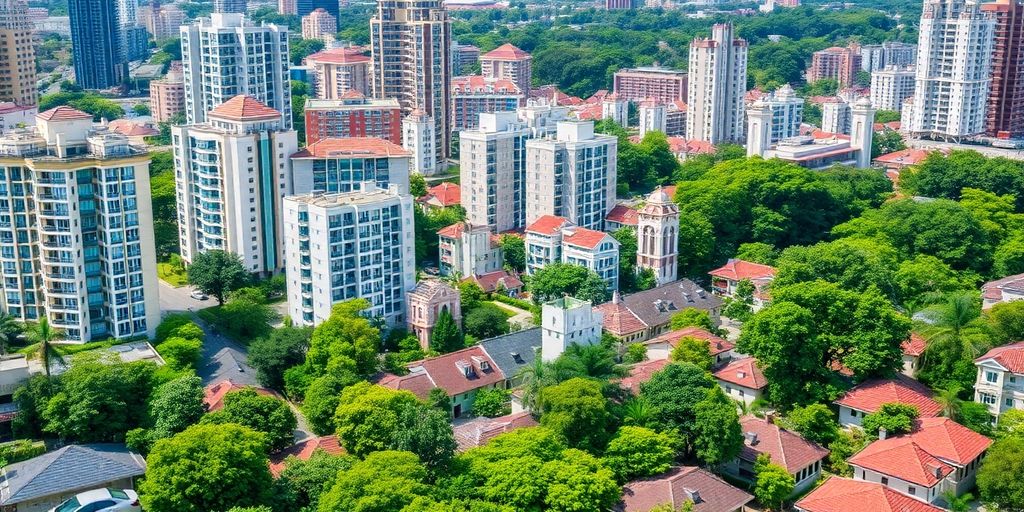
Finding a place to live is a big part of figuring out the cost of living in Kuala Lumpur. Rent can change a lot depending on where you want to live and the size of the place. Generally, apartments in the city centre are more expensive than those further out.
Here's a rough idea of what you might pay per month:
| Apartment Type | Cost per month (USD) |
|---|---|
| 1 bedroom (city centre) | $359.91 |
| 1 bedroom (outside the centre) | $242.52 |
| 3 bedroom (city centre) | $655.67 |
| 3 bedroom (outside the centre) | $413.72 |
Keep in mind that these are just averages. You can find cheaper or more expensive options depending on the specific building, amenities, and your negotiation skills. For example, you can find apartments categorised by price.
Buying Property In Kuala Lumpur
Buying property is another option, but it comes with its own set of costs. Besides the price of the property itself, you'll need to factor in legal fees, stamp duty, and potentially renovation costs. Getting a mortgage is common, so interest rates will also play a role in your monthly expenses. Property prices can vary widely depending on location, size, and type of property. It's a good idea to do your research and speak to a real estate agent to get a better understanding of the market. Consider the long-term financial commitment and whether it aligns with your plans.
Cost Of Utilities
Don't forget about utilities! These are the monthly bills that keep your home running. Expect to pay for:
- Electricity
- Water
- Gas
- Internet
The cost of utilities can vary depending on your usage and the size of your home. Air conditioning, especially, can drive up your electricity bill. A rough estimate for utilities for a 85m2 flat is around RM237 per month. It's worth noting that some apartments include utilities in the rent, so be sure to check before you sign a lease.
Budgeting for housing in Kuala Lumpur requires careful consideration. It's not just about the rent or mortgage payment; it's about all the associated costs that come with having a place to live. Take your time, do your research, and find a place that fits your budget and lifestyle.
Food And Grocery Expenses
Dining Out Costs
Eating out in Kuala Lumpur can be surprisingly affordable, but it really depends on where you go. You can grab a meal at a local hawker stall for just a few Ringgit – think delicious noodles or rice dishes. These are super popular and a great way to experience authentic Malaysian cuisine without breaking the bank. On the other hand, if you're after a fancy restaurant experience, expect to pay prices similar to what you'd find in a major European city. It's all about balance! A mid-range restaurant might set you back around RM50-RM100 per person. Don't forget to factor in drinks; alcohol can be quite expensive due to taxes.
Grocery Prices
Doing your grocery shopping in Kuala Lumpur is generally quite reasonable. The cost of groceries will depend on your lifestyle and dietary preferences. If you stick to local produce and brands, you'll find it very affordable. Imported goods, on the other hand, can be significantly more expensive. Here's a rough idea of what you might expect to pay for some common items:
- Rice (1kg): RM3-RM6
- Chicken Fillets (1kg): RM19.50
- Eggs (12): RM6-RM9
- Local Cheese (1kg): RM30-RM141
It's worth noting that prices can vary quite a bit depending on where you shop. Supermarkets in wealthier areas tend to be pricier than those in more local neighbourhoods. Keep an eye out for special offers and discounts, especially at larger supermarkets.
Local Markets Vs Supermarkets
When it comes to groceries, you've got a few options: local markets, supermarkets, and hypermarkets. Local markets, or "pasar," are fantastic for fresh produce, meat, and seafood. They're usually cheaper than supermarkets, and you can often haggle for a better price. Plus, it's a great cultural experience! Supermarkets offer a wider range of products, including imported items and household goods. Hypermarkets are like super-sized supermarkets, often located on the outskirts of the city. They're great for bulk buying and offer a bit of everything. Consider exploring the cost of living in Malaysia to understand the affordability of food in the country.
Transportation Costs In The City
Getting around Kuala Lumpur can be pretty straightforward once you figure out the options. From public transport to ride-hailing, there's a fair bit to consider when budgeting for your travel expenses.
Public Transport Options
KL's public transport is reasonably comprehensive, though it can get crowded during peak hours. The main options are the MRT (Mass Rapid Transit), LRT (Light Rail Transit), monorail, and buses. Here's a quick rundown:
- MRT/LRT/Monorail: These are generally efficient and cover a large portion of the city. Fares are calculated based on distance, usually costing between RM1 to RM6 per trip. You can use a Touch 'n Go card for seamless travel.
- Buses: Buses are cheaper but can be slower due to traffic. RapidKL is the main bus operator, and fares are quite affordable, typically under RM3 per trip.
- KTM Komuter: This is a commuter train service that connects the city centre with the suburbs. It's useful for longer distances but less frequent than the MRT/LRT.
Taxi And Ride-Hailing Services
Taxis and ride-hailing services like Grab are readily available in Kuala Lumpur. While convenient, they can add up if you use them frequently.
- Taxis: Metered taxis are available, but it's not uncommon for drivers to try and negotiate a fixed fare, which is often higher. Always insist on using the metre.
- Grab: Grab is the most popular ride-hailing app. Fares are usually reasonable, and you can see the price upfront. During peak hours or bad weather, prices can surge.
Car Ownership Expenses
Owning a car in Kuala Lumpur comes with a hefty price tag. Besides the initial cost of the vehicle, you'll need to factor in insurance, road tax, maintenance, and petrol. Parking can also be expensive, especially in the city centre. The government currently has no plans to implement congestion charges for private vehicles.
Generally, petrol prices are relatively low compared to other countries, but the overall cost of car ownership can still be significant. Many people find that using a combination of public transport and ride-hailing services is more cost-effective than owning a car, especially if they live and work in the city centre.
Healthcare And Insurance Costs
Public Healthcare System
Malaysia has a two-tiered healthcare system: a public system and a private system. The public healthcare system is heavily subsidised by the government, making it very affordable for residents. For minor ailments, a visit to a clinic might only set you back a few pounds. However, it's worth noting that while the public system is accessible, it can sometimes be subject to longer waiting times and may not offer the same level of comfort or amenities as private facilities. The government is working on increasing the budget allocated to public healthcare, which should improve things in the long run.
Private Healthcare Options
If you prefer quicker access and more luxurious facilities, the private healthcare system in Kuala Lumpur is a good option. Private hospitals boast modern equipment, shorter waiting times, and a wider range of specialist services. Of course, this comes at a higher cost. For example, a consultation with a specialist could be significantly more expensive than in the public system. Many expats opt for private healthcare to ensure they receive prompt attention and high-quality care. It's a trade-off between cost and convenience.
Health Insurance Recommendations
Given the differences between the public and private systems, it's wise to consider health insurance when living in Kuala Lumpur. While the public system is affordable, international health insurance can give you access to the best facilities. Here are a few things to think about:
- Coverage: Decide what level of coverage you need. Do you want a comprehensive plan that covers everything, or are you happy with a basic plan that covers major medical events?
- Provider Network: Check which hospitals and clinics are included in the insurance provider's network. Make sure there are facilities convenient for you.
- Cost: Compare the premiums from different providers. Don't just go for the cheapest option; consider the benefits and coverage offered.
Having health insurance provides peace of mind. Knowing you can access quality care without worrying about huge bills is a big relief. It's an investment in your well-being and allows you to focus on enjoying your time in Kuala Lumpur.
Education Costs For Families

International Schools Fees
If you're moving to Kuala Lumpur with kids, education is probably high on your list of priorities. For expats, the main option is usually international schools, and these can come with a hefty price tag. The fees can vary quite a bit depending on the school, the curriculum (like IGCSE or the International Baccalaureate), and the facilities they offer.
Here's a rough idea of annual fees (but always check the school's website for the most up-to-date info):
| School | Approximate Annual Fees (USD) |
|---|---|
| The International School of Kuala Lumpur | $24,771 |
| XCL International School Penang | $8,927 |
| City Harbour International School, Sitiawan | $5,027 |
Keep in mind that these figures usually don't include things like uniforms, school trips, or extra-curricular activities. So, it's wise to factor those in when you're budgeting. It's worth looking into the cost of education in Malaysia early on.
Local Schooling Options
Generally, public schools in Malaysia are only open to Malaysian citizens. However, if you're planning on becoming a citizen, it's worth knowing about the local schooling system. Primary school is compulsory, and secondary education is available to those with the right grades. The syllabus is different from international schools, but it's a much more affordable option if you qualify. Just be aware that the facilities and student-teacher ratios might not be as good as in private or international schools.
Choosing between local and international schools is a big decision. Local schools offer a more immersive experience into Malaysian culture, while international schools provide a curriculum that might be more familiar or transferable if you plan to move again in the future. Think about what's most important for your child's education and your family's long-term plans.
Additional Educational Expenses
Beyond the school fees themselves, there are other costs to consider. These can add up, so it's good to be prepared:
- Uniforms: Most schools require specific uniforms, which can be bought from designated suppliers.
- Textbooks and stationery: These can be a significant expense, especially in international schools.
- School trips: Many schools organise educational or recreational trips, both locally and internationally.
- Extra-curricular activities: Things like sports, music lessons, and clubs all come with their own fees.
- Transportation: Consider the cost of getting your child to and from school, whether it's by bus, car, or public transport.
Leisure And Entertainment Expenses
Cost Of Activities And Attractions
Okay, so you've sorted your accommodation and food, but what about having some fun? Kuala Lumpur has loads to offer, but it's good to know what things cost. A trip to the cinema will set you back around RM22 for a single ticket, but prices can vary depending on the cinema and the film. For something a bit different, you could check out the local theatre scene; tickets for good seats might cost around RM207 for two people. There are also many cultural sites and parks that offer affordable or even free entry. Budgeting around personal necessities is important.
Dining And Nightlife
Eating out can be a big part of your leisure budget. A basic dinner for two at a neighbourhood pub might cost around RM98. If you're after something fancier, dinner at an Italian restaurant in an expat area, with all the trimmings, could easily reach RM194. Drinks-wise, a cocktail in a downtown club will probably be around RM38. Of course, you can find cheaper options if you explore local eateries and street food stalls. It really depends on your taste and how often you want to treat yourself.
Shopping And Retail Costs
Shopping in Kuala Lumpur can be as cheap or as expensive as you want it to be. There are massive shopping malls with designer brands, but also local markets where you can haggle for a bargain. A standard men's haircut in an expat area might cost around RM32. The cost of clothes and other retail items really depends on where you shop and what you're buying.
It's worth remembering that leisure and entertainment are important for your well-being. Don't feel like you have to cut them out completely to save money. Instead, look for affordable options and free activities. There are always ways to enjoy yourself without breaking the bank. Maybe try exploring some of the free parks or attending local events. A bit of planning can go a long way.
Here's a rough idea of some monthly costs:
- Fitness Club Membership: RM198.25 (range: RM90 - RM299)
- Tennis Court (1 hour, weekend): RM32.69 (range: RM15 - RM40)
- Internet (60 Mbps): RM115.66 (range: RM99 - RM150)
Final Thoughts on Living Costs in Kuala Lumpur
In summary, living in Kuala Lumpur can be quite affordable compared to many other major cities around the world. While it’s the priciest city in Malaysia, it still offers a decent standard of living without breaking the bank. Monthly expenses for a family of four can be around RM10,389, while a single person might manage on about RM4,758. Of course, your actual costs will depend on your lifestyle and choices. Whether you're renting a flat in the city centre or enjoying local street food, there are plenty of ways to keep your budget in check. Overall, if you're considering a move, Kuala Lumpur could be a great option for a comfortable life at a reasonable price.
Frequently Asked Questions
What is the average monthly cost of living in Kuala Lumpur?
For a family of four, the estimated monthly costs are around RM10,389, while a single person can expect to spend about RM4,758.
How much is rent in Kuala Lumpur?
Rent prices vary, but generally, they are much lower than in many Western cities. You might pay around RM2,500 for a decent apartment in the city centre.
Are groceries expensive in Kuala Lumpur?
Groceries can be quite affordable, especially if you shop at local markets. You can find good deals on fresh produce.
What transportation options are available in Kuala Lumpur?
Kuala Lumpur has a good public transport system, including buses and trains. Taxis and ride-hailing services like Grab are also popular.
How is the healthcare system in Kuala Lumpur?
Kuala Lumpur has both public and private healthcare options. Public healthcare is affordable, but many expats prefer private services for shorter wait times.
What are the education costs for children in Kuala Lumpur?
International schools can be expensive, with fees ranging from RM20,000 to RM60,000 per year. Local schools are cheaper, but the curriculum may differ.
Filed under
The Moveandstay editorial team writes about serviced living, workspaces, and city guides across Asia-Pacific.
Read next

Serviced Offices Surge in Popularity as Businesses Embrace Flexible Leasing
May 3, 2026

Hong Kong Serviced Apartment Market Buzzes with Sales and Investment Activity Amidst Shifting Valuations
May 3, 2026

ONYX Hospitality Group Elevates Shama Serviced Apartments with New Lifestyle Concept and Ambitious Expansion
Apr 26, 2026