
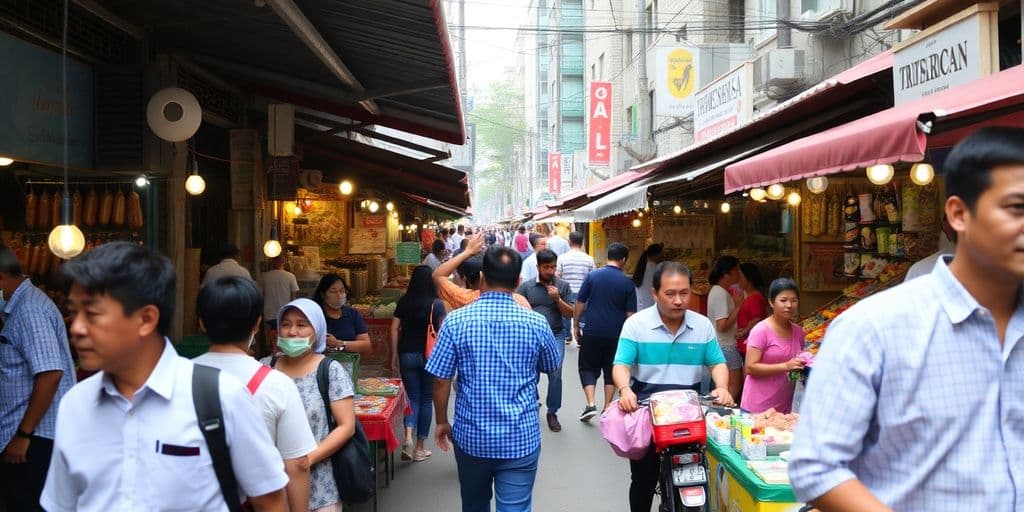
Jakarta, the bustling capital of Indonesia, is a vibrant city that attracts many expats and locals alike. However, understanding the cost of living in Jakarta can be a bit tricky. From housing to transportation, food, and utilities, there are various factors that influence your monthly expenses. This guide aims to break down these costs so you can plan your budget effectively.
Key Takeaways
- Jakarta offers a relatively low cost of living compared to many Western cities.
- Housing costs vary widely depending on location, with city centre rentals being significantly higher.
- Public transport is affordable, making it easy to navigate the city without a car.
- Grocery prices are reasonable, but dining out can add up quickly if you're not careful.
- Healthcare costs in Jakarta can be low, but it's advisable to consider private insurance for better coverage.
Understanding The Cost Of Living In Jakarta
Overview Of Living Expenses
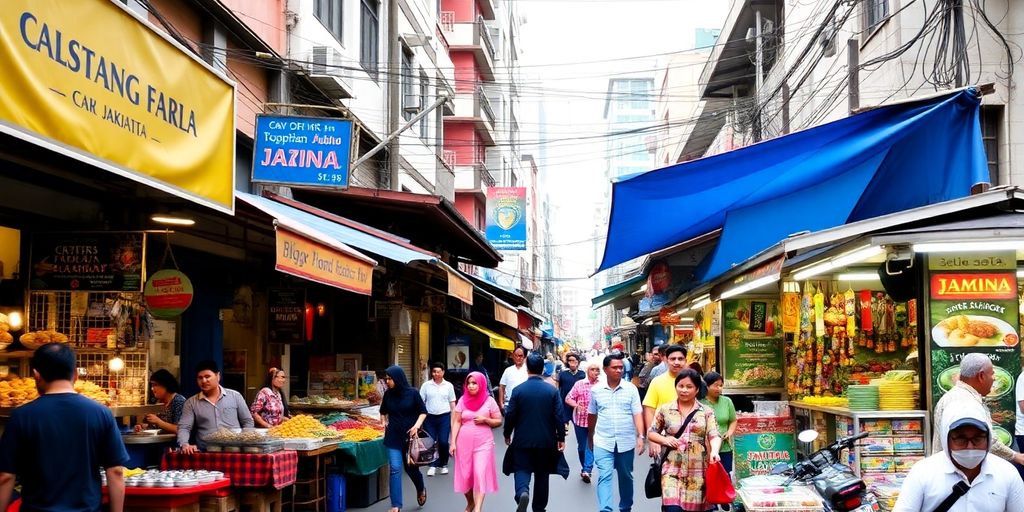
So, you're thinking about moving to Jakarta? Or maybe you're just curious about how much it costs to live there. Either way, let's break down the basics. Jakarta, like any major city, has a range of expenses that can vary wildly depending on your lifestyle. The overall cost of living is relatively low compared to many Western cities, but it's still important to understand where your money will be going. You'll need to consider housing, transport, food, utilities, and other daily expenses. It's a good idea to research Jakarta prices before you make any big decisions.
Monthly Budget Breakdown
Creating a monthly budget is essential for managing your finances in Jakarta. Here's a general idea of what you might expect to spend:
- Housing: This will likely be your biggest expense. Rent can range from a few hundred pounds for a basic apartment to several thousand for a luxury villa.
- Food: Eating out is relatively cheap, but groceries can add up if you prefer Western products. Local markets are your friend here.
- Transport: Public transport is affordable, but traffic can be a nightmare. Ride-hailing services are convenient but can be costly if used frequently.
- Utilities: Electricity, water, and internet are generally reasonable, but air conditioning can significantly increase your electricity bill.
- Other: Don't forget about entertainment, healthcare, and miscellaneous expenses like clothing and personal care products.
It's worth noting that these are just estimates, and your actual expenses may vary depending on your individual needs and preferences. It's always better to overestimate than underestimate when creating a budget.
Comparison With Other Cities
Compared to other major cities around the world, Jakarta is generally more affordable. However, it's important to consider the local context. While the cost of living may be lower than in London or New York, salaries are also typically lower. Here's a quick comparison:
| City | Cost of Living Index | Rent Index | Groceries Index |
|---|---|---|---|
| Jakarta | 35 | 15 | 30 |
| London | 75 | 70 | 65 |
| New York | 100 | 100 | 100 |
These figures are just a general guide, but they give you an idea of how Jakarta stacks up against other major cities. Keep in mind that these indexes can fluctuate, so it's always a good idea to do your own research and compare cost of living data.
Housing Costs In Jakarta
Rental Prices For Apartments
Finding a place to live is always a big deal, and Jakarta is no different. Rental prices can vary wildly depending on where you want to be and what you're after. You could snag a small apartment for a few million Rupiah a month if you're happy to live a bit further out, but expect to pay significantly more for something central.
- Location, location, location! Central Jakarta is pricier.
- Apartment size matters, obviously.
- Facilities like a pool or gym will bump up the cost.
For example, a one-bedroom apartment in the city centre might set you back around IDR 6,800,000 per month, while a similar apartment further from the centre could be closer to IDR 4,000,000. Keep in mind that these are just averages, and you can find places both cheaper and more expensive. It really depends on your priorities and how much you're willing to compromise. If you are looking for expat rentals, you should expect to pay more.
Buying Property In Jakarta
Buying property in Jakarta is a whole different ball game. It's a big investment, and there are a few things to consider. The market can be a bit complex, with different regulations for locals and foreigners. Plus, prices can be pretty steep, especially in desirable areas.
Here's a quick rundown:
- Research the market thoroughly.
- Get familiar with Indonesian property law.
- Consider using a reputable property agent.
| Property Type | Average Price (per square metre) |
|---|---|
| Apartment in City Centre | IDR 43,250,000 |
Buying property here is a long-term commitment. Make sure you do your homework and get all your ducks in a row before taking the plunge. It's not something to rush into.
Factors Influencing Housing Costs
So, what makes some areas more expensive than others? Well, it's a mix of things. Location is a big one – being close to the city centre, business districts, or popular amenities will always drive up prices. The type of property also plays a role; apartments, houses, and kos (boarding houses) all have different price points. And of course, the overall state of the economy can have a big impact on property prices too.
Other factors include:
- Proximity to public transport.
- Availability of parking.
- Security and safety of the area.
Transportation Expenses In Jakarta
Public Transport Options
Jakarta offers a range of public transport, though it might take some getting used to. The TransJakarta bus rapid transit system is pretty extensive and a very cheap way to get around. There's also the MRT (Mass Rapid Transit) and the LRT (Light Rail Transit), which are newer and more comfortable, but cover limited areas. Commuter trains are available, but they can get incredibly crowded, especially during rush hour. For the budget-conscious, TransJakarta is a solid option.
Here's a quick rundown:
- TransJakarta: Extensive bus network, very affordable.
- MRT/LRT: Modern rail systems, limited routes.
- Commuter Trains: Can be overcrowded, but covers a wide area.
Taxi and Ride-Hailing Services
Taxis and ride-hailing apps like Gojek and Grab are super common in Jakarta. They're convenient, but traffic can make journeys longer and more expensive. It's always a good idea to use the metre in taxis or agree on a price beforehand. Ride-hailing apps usually have fixed prices, which can be handy. Keep in mind that surge pricing during peak hours is a thing. A typical 30-minute taxi ride could set you back about £2.50 - £4, but that's just a rough estimate.
Cost Of Owning A Vehicle
Owning a car or motorbike in Jakarta comes with its own set of costs. First, there's the vehicle itself, then you've got registration fees, insurance, and of course, fuel. Parking can be a nightmare and often expensive, especially in central areas. And let's not forget the traffic – you could spend hours stuck in jams every day. Many people opt for motorbikes to weave through traffic, but it's not without its risks. Renting a motorcycle can cost around IDR 77,803 a day.
Here's a few things to consider:
- Initial Cost: Buying a car or motorbike.
- Running Costs: Fuel, insurance, maintenance.
- Parking: Can be difficult and expensive.
- Traffic: Prepare for long commutes.
Honestly, getting around Jakarta can be a bit of a challenge. Public transport is cheap but can be crowded. Taxis and ride-hailing are convenient but can get pricey with traffic. Owning a vehicle? Well, that's a whole other level of expense and stress. Choose your transport wisely!
Grocery And Food Prices
Average Grocery Costs
Okay, let's talk about food. Groceries in Jakarta can be surprisingly affordable, especially if you shop like a local. You can get by on a reasonable budget if you're smart about where you buy your stuff.
Here's a rough idea of what you might spend:
- Rice (1kg): Around Rp 16,000
- Eggs (12): Roughly Rp 30,000
- Milk (1 litre): About Rp 23,000
- Bread (500g): In the neighbourhood of Rp 19,000
Of course, these are just averages. Prices will change depending on where you shop. Imported goods will always cost more, so stick to local produce where you can. Keep in mind that in March, Indonesia experienced a month-to-month inflation rate, which was influenced by rising food costs.
Dining Out In Jakarta
Eating out is a huge part of Jakarta culture, and it doesn't have to break the bank. You can find everything from cheap street food to fancy restaurants. Street food, or warungs, are the cheapest option. You can get a decent meal for under Rp 20,000. Mid-range restaurants will set you back around Rp 50,000-Rp 150,000 per person. High-end places? Well, the sky's the limit.
Eating at local warungs is not only budget-friendly but also a great way to experience authentic Indonesian cuisine. Don't be afraid to try new things! Just make sure the place looks clean and busy, which is usually a good sign.
Local Markets Vs Supermarkets
This is where you can really save some money. Local markets, or pasar, are way cheaper than supermarkets. You'll find fresh produce, meat, and spices at much lower prices. The downside is that they can be crowded and a bit chaotic. Supermarkets are more convenient and have a wider selection of imported goods, but you'll pay a premium. For everyday essentials, the local market is the way to go.
Here's a quick comparison:
| Item | Local Market (Rp) | Supermarket (Rp) |
|---|---|---|
| Tomatoes (1kg) | 18,000 | 25,000 |
| Apples (1kg) | 52,000 | 70,000 |
| Local Cheese (500gr) | 68,000 | 85,000 |
Utility Costs And Internet Services
Average Utility Bills
Okay, so let's talk about keeping the lights on and the water running. Utility bills in Jakarta can vary quite a bit depending on the size of your place, your usage habits, and even the time of year. Air conditioning is a must for many, which can really bump up your electricity bill. Expect to pay more during the hotter months. From what I've seen, a basic package covering electricity, water, and garbage disposal for an 85m2 apartment could set you back around Rp1,500,000 a month. But, I've also seen people reporting bills closer to Rp2,750,000 - Rp3,000,000 for a similar sized apartment, so it really does depend. For a smaller studio, you might be looking at something closer to Rp1,726,050. It's worth noting that these are just averages, and your actual bill could be higher or lower. If you are looking to understand the Jakarta's GRDP per capita, you might want to consider these costs.
Internet Pricing
Staying connected is pretty important these days, and thankfully, internet access in Jakarta is fairly reasonable. You can usually get a decent 60 Mbps connection with unlimited data for around Rp450,000 a month. Of course, prices will vary depending on the provider and the package you choose. Some providers might offer promotional deals or discounts, so it's always worth shopping around to see what's available. Here's a quick look at what you might expect to pay:
- Basic internet (8 Mbps): ~Rp400,000
- Standard internet (60 Mbps): ~Rp450,000
- Faster internet (100+ Mbps): ~Rp600,000+
Mobile Phone Plans
Mobile phone plans are also pretty affordable. A monthly plan with calls and 10GB+ of data will typically cost you around Rp100,000. Again, there's a range of options available, so you can find something that fits your needs and budget. Most providers offer prepaid and postpaid plans, so you can choose whichever works best for you. If you're only here for a short time, a prepaid plan might be the way to go. If you plan to stay longer, a postpaid plan could offer better value.
It's a good idea to check with your building management or landlord about utility providers and internet options in your area. They may have preferred providers or bundled deals that could save you money. Also, keep an eye out for any hidden fees or charges when signing up for a new service.
Education Expenses For Families
Tuition Fees For Schools
When you're thinking about moving to Jakarta with your family, one of the big things to consider is education. School fees can really vary depending on whether you go for a local school or an international one. Local schools are generally more affordable, but the curriculum might be different from what you're used to. International schools, on the other hand, often follow a Western curriculum, but they come with a much higher price tag. It's a good idea to research different schools and their fees well in advance.
International Schools In Jakarta
Jakarta has a fair few international schools, and they're pretty popular with expats. These schools often have great facilities and offer internationally recognised qualifications like the International Baccalaureate (IB) or A-Levels. However, be prepared to pay a premium. Tuition fees can range from £10,000 to £30,000+ per year, depending on the school and the age of your child. Here's a quick look at some of the costs:
| School | Approximate Annual Tuition Fee (GBP) |
|---|---|
| British School Jakarta | 22,000 - 28,000 |
| Jakarta Intercultural School | 25,000 - 32,000 |
| Australian Independent School | 18,000 - 24,000 |
Additional Educational Costs
Don't forget about the extras! Besides tuition fees, there are other costs to factor in. These can include:
- School uniforms
- Textbooks and stationery
- School trips and activities
- After-school clubs and tutoring
- Transportation (school bus or private transport)
These costs can add up, so it's wise to budget for them. For example, school uniforms might set you back around £100-£200 per year, while textbooks could cost another £150-£300. Also, consider the cost of monthly cost of living if your children are planning to attend university in Jakarta.
Planning for your children's education is a big part of settling into a new place. It's not just about the money; it's also about finding the right fit for your kids and making sure they're happy and supported in their new school environment.
Healthcare Costs In Jakarta
Public Vs Private Healthcare
Jakarta offers both public and private healthcare options, each with its own set of advantages and disadvantages. Public healthcare is generally more affordable, but it can be subject to longer waiting times and sometimes, perceived limitations in resources. Private healthcare, on the other hand, typically provides quicker access to care, more modern facilities, and a wider range of specialist services. However, this comes at a significantly higher cost. The quality of care in both sectors can vary, so it's important to do your research and choose a provider that meets your needs and budget. For example, the Indonesian government has launched a free health check programme to improve public health.
Health Insurance Options
Health insurance is pretty important in Jakarta, especially if you're planning on using private healthcare facilities. There are a few options available:
- BPJS Kesehatan: This is the national health insurance scheme, and it's mandatory for Indonesian citizens and long-term residents. It offers pretty comprehensive coverage, but it can be a bit bureaucratic to navigate.
- Private Health Insurance: Several private insurance companies offer plans that provide more extensive coverage and access to a wider network of hospitals and clinics. These plans usually come with higher premiums, but they can be worth it if you want more flexibility and convenience.
- Employer-Sponsored Insurance: If you're employed in Jakarta, your employer might offer health insurance as part of your benefits package. This can be a really good option, as it often provides comprehensive coverage at a reduced cost to you.
Choosing the right health insurance plan depends on your individual needs and circumstances. Consider factors like your budget, health history, and preferred healthcare providers when making your decision.
Average Medical Expenses
Medical expenses in Jakarta can vary widely depending on the type of treatment you need and whether you're using public or private healthcare. Here's a rough idea of what you might expect to pay:
- Consultation with a General Practitioner (GP): IDR 150,000 - IDR 300,000
- Consultation with a Specialist: IDR 300,000 - IDR 700,000
- Basic Blood Tests: IDR 200,000 - IDR 500,000
- Hospital Room per Night (Private Hospital): IDR 500,000 - IDR 2,000,000+
It's worth noting that these are just estimates, and the actual cost of treatment can vary depending on the specific hospital or clinic you choose. Emergency medical care can be expensive, so it's always a good idea to have adequate health insurance coverage. Also, remember to check the cost of living in Jakarta to budget accordingly.
Wrapping Up Your Jakarta Journey
So, there you have it. Living in Jakarta can be a mixed bag, really. On one hand, you’ve got affordable food and transport, which is great for your wallet. But then, rent can hit hard, especially if you want to be in a decent area. It’s all about finding that balance. If you’re planning to move here, just keep an eye on your budget and be ready for the hustle and bustle of city life. Overall, Jakarta has its charm, and with a bit of planning, you can make it work for you.
Frequently Asked Questions
What is the average cost of living in Jakarta for a family of four?
A family of four typically spends around IDR 27,763,839.5 each month, not including rent.
How much does it cost to rent an apartment in Jakarta?
Rent prices for a one-bedroom apartment in the city centre range from IDR 6,796,774 to IDR 17,736,780 per month.
What are the transportation options available in Jakarta?
Jakarta has various transport options including buses, trains, taxis, and ride-hailing services.
How much can I expect to spend on groceries in Jakarta?
On average, a person might spend about IDR 1,500,000 to IDR 2,000,000 monthly on groceries.
What are typical utility costs in Jakarta?
Monthly utility bills for an average apartment can be around IDR 1,441,825.
Are there good international schools in Jakarta?
Yes, Jakarta has several international schools, with tuition fees ranging from IDR 31,266,360 to IDR 156,331,800 per year.
Filed under
The Moveandstay editorial team writes about serviced living, workspaces, and city guides across Asia-Pacific.
Read next

Serviced Offices Surge in Popularity as Businesses Embrace Flexible Leasing
May 3, 2026
Hong Kong Serviced Apartment Market Buzzes with Sales and Investment Activity Amidst Shifting Valuations
May 3, 2026

ONYX Hospitality Group Elevates Shama Serviced Apartments with New Lifestyle Concept and Ambitious Expansion
Apr 26, 2026