
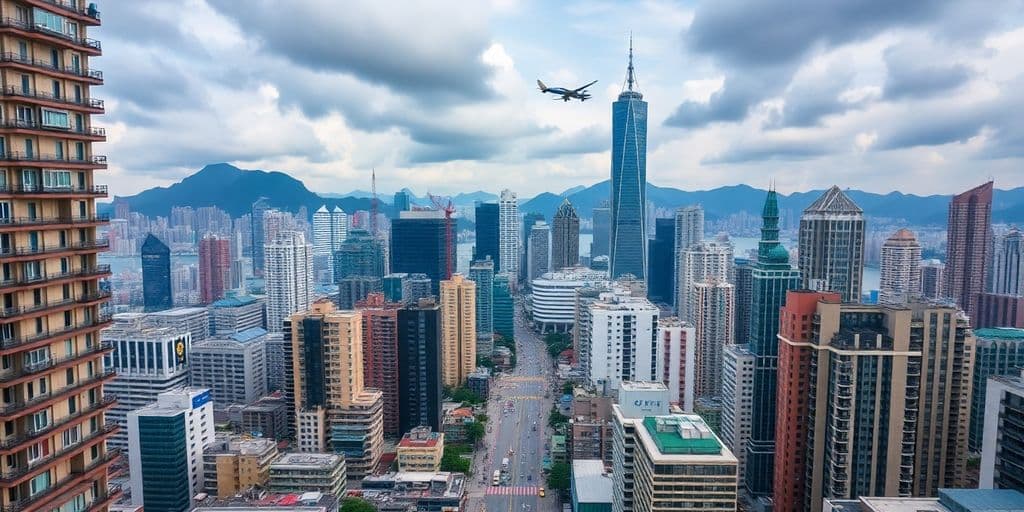
For the full guide, see Cost of Living in Hong Kong: Can Expats Afford It?.
Hong Kong is a vibrant city that draws people from all over the world, but it’s also known for its high cost of living. Whether you're moving for work, study, or a new adventure, understanding the expenses involved is crucial. This article breaks down the various aspects of living costs in Hong Kong, from housing to food, transport, and more, so you can plan your budget effectively and make the most of your time in this bustling metropolis.
Key Takeaways
- Housing can be quite expensive, especially in central areas.
- Food costs vary widely; local street food is budget-friendly, while dining out at restaurants can add up.
- Public transport is affordable and efficient, making it easy to get around the city.
- Healthcare is generally accessible, with public services being more cost-effective than private options.
- Education and childcare can be significant expenses, particularly for expatriates.
Understanding The Cost Of Living In Hong Kong
Overview Of Living Expenses
So, you're thinking about moving to Hong Kong? One of the first things you'll need to get your head around is the cost of living. It's no secret that Hong Kong can be pricey, but with a bit of planning, it's manageable. Generally, expect to spend a significant portion of your income on accommodation. After that, food, transport, and leisure activities will make up the bulk of your expenses. It's worth noting that costs can vary wildly depending on your lifestyle and where you choose to live.
- Rent is usually the biggest expense.
- Food costs can be reduced by cooking at home.
- Public transport is relatively affordable.
Comparison With Other Major Cities
Hong Kong often gets compared to other global hubs like London, New York, and Tokyo. While it shares some similarities, there are key differences. For example, while rent might be comparable to London, public transport is significantly cheaper. Groceries can be more expensive than in the US, but eating out can sometimes be more affordable, especially if you stick to local eateries. According to recent data, a family of four needs around HK$57,853 per month, while a single person needs about HK$40,263. Hong Kong ranks as the 2nd most expensive city in Asia.
Factors Influencing Costs
Several things can affect how much you spend in Hong Kong. Your choice of accommodation is a big one – living in a smaller flat further from the city centre will save you money. Lifestyle choices also play a role; eating out every night will quickly drain your bank account. Other factors include:
- Location: Living in areas like Central or Causeway Bay is more expensive.
- Lifestyle: Frequent dining out and entertainment increase costs.
- Transportation: Opting for public transport over taxis saves money.
It's important to remember that everyone's experience is different. Your spending habits and priorities will ultimately determine how much you need to live comfortably in Hong Kong. Budgeting and careful planning are key to making the most of your money.
Housing And Accommodation Costs
Renting In Hong Kong
Finding a place to rent in Hong Kong can feel like a competitive sport. Space is at a premium, and demand is high, so be prepared for relatively small living spaces at relatively high prices. The rental market is fast-paced, so it's important to be ready to make quick decisions. You'll likely need to provide proof of income, references, and be ready to pay a deposit (usually two months' rent) plus the first month's rent upfront. Estate agents are commonly used, and their fees are typically half a month's rent, paid by the tenant. Be sure to check out different neighbourhoods to find one that suits your budget and lifestyle. For example, you might find better deals further away from the city centre, but then you'll need to factor in commuting costs. Consider looking at newly completed residential flats to find a modern place.
Buying Property
Buying property in Hong Kong is a serious financial commitment. It's one of the most expensive property markets in the world. Many people find it difficult to get on the property ladder. Here are a few things to consider:
- High Property Prices: Be prepared for eye-watering prices, even for small apartments.
- Mortgage Requirements: Banks typically require a substantial deposit, and mortgage rates can fluctuate.
- Additional Costs: Factor in stamp duty, legal fees, and agent fees, which can add a significant amount to the overall cost.
Property ownership is often seen as a status symbol and a long-term investment, but it's essential to do your research and seek professional advice before making such a big decision. Consider the long-term financial implications and whether it aligns with your goals.
Student Housing Options
For students, accommodation options generally include university-provided halls of residence or private rentals. University halls are usually the most affordable, but spaces are limited, and competition can be fierce. Private rentals offer more flexibility but come at a higher cost. Here's a quick comparison:
- University Halls: Cheaper, convenient, but limited availability.
- Private Rentals: More expensive, greater choice, but require more effort to find.
- Subletting: A potential option to reduce costs, but ensure the arrangement is legal and reliable.
Living in university halls can cost around HK$5,000 to HK$15,000 per semester, while off-campus living could easily cost that much per month. It's worth exploring all options and budgeting carefully. You can also look into student discounts to save money.
Food And Dining Expenses
Grocery Prices
Okay, let's talk about food. Groceries in Hong Kong can be surprisingly expensive, especially if you're after familiar brands from home. Local supermarkets are generally cheaper than the international ones, but the selection might be more limited. Fresh produce can be found at wet markets, which often offer better prices than supermarkets, but you'll need to be comfortable haggling.
Here's a rough idea of what you might spend monthly:
- Single person: HK$2,000 - HK$4,000
- Couple: HK$4,000 - HK$7,000
- Family of four: HK$7,000 - HK$12,000+
These are just estimates, of course. It really depends on your eating habits. If you're cooking every meal from scratch, you'll probably spend less. If you're buying lots of imported goods, expect to pay more. Don't forget to check out local markets for better deals on fresh produce.
Eating Out Costs
Eating out in Hong Kong is a huge part of the culture, and there are options for every budget. You can grab a cheap and cheerful meal at a cha chaan teng (local cafe) for around HK$50-HK$80. Mid-range restaurants will set you back around HK$200-HK$400 per person, while high-end dining can easily cost upwards of HK$800 per person.
- Local Cafe (Cha Chaan Teng): HK$50-HK$80
- Mid-Range Restaurant: HK$200-HK$400
- High-End Restaurant: HK$800+
It's worth noting that service charges (usually 10%) are common in restaurants, so factor that into your budget. Also, lunch sets are often cheaper than dinner, so consider eating your main meal at lunchtime to save some money.
Local vs International Cuisine
Hong Kong is a foodie paradise, with a huge range of cuisines on offer. Local Cantonese food is generally cheaper than international options like Italian, French, or Japanese. You can find delicious and affordable local dishes like dim sum, wonton noodles, and roast meats all over the city. If you're craving something from home, be prepared to pay a premium. Imported ingredients and specialist chefs come at a cost. Exploring local eateries is a great way to save money and experience the authentic flavours of Hong Kong. Consider trying some local Cantonese food to save money.
Transportation Costs
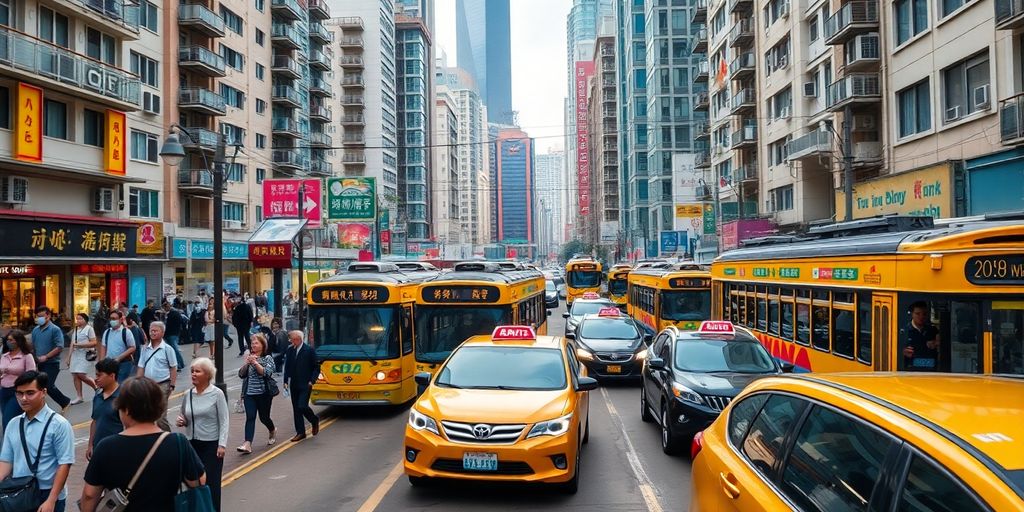
Getting around Hong Kong can be surprisingly affordable, especially when you compare it to other major cities. The public transport system is efficient and extensive, but taxis can add up, and bicycles are more of a leisure activity than a practical commute for most.
Public Transport Options
Hong Kong boasts a world-class public transport network. The MTR (Mass Transit Railway) is the backbone, covering most major areas. Then you've got buses, trams (especially on Hong Kong Island), and ferries to the outlying islands. Octopus cards make paying super easy – just tap and go.
- MTR: Fast and reliable, but can get crowded during peak hours.
- Buses: Extensive network, reaching almost every corner of the city. Can be slower due to traffic.
- Trams: A charming, slow-paced way to see Hong Kong Island. Very cheap!
I remember when I first arrived, I was completely overwhelmed by the transport options. I tried to figure out the bus routes using Google Maps, but it was a mess. Eventually, I just asked a local, and they showed me how to use the Citymapper app. It's been a lifesaver ever since. Now I can hop on any bus or train with confidence.
Fares for public transport vary by region. A one-way ticket on local transport can cost around HK$12. A monthly pass is also available for around HK$500-600.
Taxi Fares
Taxis are readily available, but they can be a pricier option, especially during rush hour or in bad weather. All taxis are metered, and there are surcharges for things like luggage and tunnel tolls.
- Starting fare (normal tariff): Around HK$29.
- Per kilometre: Approximately HK$10.50.
- Tunnel tolls: Varies depending on the tunnel.
Bicycle Rentals
While not a primary mode of transport for commuting, cycling is a popular leisure activity, especially in areas like the New Territories. You can find bicycle rental shops in places like Sha Tin and Tai Po. However, cycling infrastructure isn't as developed as in some other cities, so it's best suited for recreational rides rather than getting to work. Renting a bike for a day will cost you around HK$85-105.
Healthcare And Insurance Costs
Public Healthcare System
Hong Kong boasts a well-regarded public healthcare system, offering subsidised services to residents. The Hospital Authority manages public hospitals and clinics, providing a range of medical treatments. While the system is generally efficient, waiting times for specialist appointments and certain procedures can be lengthy. However, the low cost makes it an attractive option for many. For example, inpatient charge is very low.
Private Health Insurance
For those seeking quicker access to medical care and a wider choice of doctors, private health insurance is a popular option. Private hospitals offer shorter waiting times and more personalised care, but at a significantly higher cost. Several international and local insurance companies provide health insurance plans tailored to different needs and budgets. When considering private health insurance, it's important to compare policies carefully, paying attention to coverage limits, exclusions, and premiums. Here are some things to consider:
- Coverage area: Does the policy cover you only in Hong Kong, or also overseas?
- Pre-existing conditions: Are any pre-existing medical conditions covered?
- Hospital network: Does the policy have a network of preferred hospitals and doctors?
Private health insurance premiums in Hong Kong can vary widely depending on the level of coverage and the individual's age and health status. It's advisable to obtain quotes from several insurers and carefully review the policy terms before making a decision.
Costs Of Medical Services
The cost of medical services in Hong Kong varies greatly depending on whether you opt for public or private healthcare. Public healthcare is heavily subsidised, making it very affordable for residents. Private healthcare, on the other hand, can be quite expensive, especially for specialist consultations, diagnostic tests, and hospital stays. Here's a general idea:
- Public hospital consultation: HK$100 - HK$200
- Private doctor consultation: HK$500 - HK$1,500
- Specialist consultation (private): HK$1,000 - HK$3,000+
It's worth noting that some private hospitals offer package deals for certain procedures, which can help to control costs. Always check insurance policies for coverage details.
Education And Childcare Expenses
School Fees
Sending your kids to school in Hong Kong? Be prepared. School fees, especially for international schools, can be a significant expense. It's not just tuition; there are often extra costs for uniforms, books, activities, and sometimes even building levies. Public schools are obviously cheaper, but competition for places can be fierce, and the language of instruction might be a factor for some families. Here's a rough idea of what you might be looking at:
- Local Primary School: Relatively affordable, but places are competitive.
- International Primary School: Expect to pay upwards of HK$120,000 - HK$200,000 per year.
- Secondary School: Similar costs to primary, potentially higher depending on the school and curriculum.
Childcare Options
If you've got younger children, childcare is another thing to factor into your budget. You've got a few options, each with different price points:
- Hiring a helper: Many families in Hong Kong employ domestic helpers, and while this can be a cost-effective childcare solution, it's important to factor in their salary, food allowance, and accommodation.
- Daycare centres: These can be quite pricey, especially the international ones. Expect to pay several thousand Hong Kong dollars per month.
- Playgroups: A more affordable option for younger children, but often only for a few hours a week.
Finding reliable and affordable childcare can be a challenge, especially in certain areas. It's worth doing your research and getting recommendations from other parents.
Educational Resources
Beyond school fees and childcare, there are other educational resources that you might want to consider. These could include tutoring, extracurricular activities, and language classes. These can add up, but they can also be a great way to give your child an edge. Don't forget to check if your employer offers any education benefits or allowances to help with these costs. Also, consider the cost of living in Hong Kong when budgeting for these expenses.
Leisure And Entertainment Costs

Let's be honest, Hong Kong isn't exactly known for being a cheap place to have fun. But that doesn't mean you can't enjoy yourself! You just need to be smart about it. From nights out to cultural experiences, there are ways to make the most of your time without breaking the bank. It's all about finding the right balance and knowing where to look for deals.
Cost Of Activities
The cost of leisure activities in Hong Kong can vary wildly. A gym membership can set you back a fair bit, but there are also plenty of free things to do, like hiking the many trails or visiting public parks. Cinema tickets are reasonably priced, but theatre tickets can be quite expensive. Here's a quick look at some average costs:
| Activity | Average Cost (HKD) |
|---|---|
| Cinema Ticket | 100 |
| Gym Membership (Monthly) | 617 |
| Tennis Court (1 hour weekend) | 67 |
Cultural Events
Hong Kong has a vibrant cultural scene, with festivals and events happening all year round. Some are free, like the Chinese New Year celebrations, while others, such as concerts or exhibitions, may require tickets. Keep an eye out for free events hosted by the Secretary for Culture, Sports and Tourism – they're a great way to experience the local culture without spending a fortune. Many temples also offer free entry, providing a peaceful escape from the city's hustle and bustle.
Nightlife Expenses
Nightlife in Hong Kong can be as expensive or as cheap as you make it. Happy hour deals are your best friend if you're on a budget. Drinks in Lan Kwai Fong or Wan Chai can be pricey, but there are plenty of local bars and pubs where you can find more affordable options. Consider these points:
- Look for happy hour deals.
- Explore local pubs outside the main tourist areas.
- Pre-drink before heading out.
Remember that entertainment costs are often the first thing to get cut when budgets get tight. However, a little bit of fun is important for quality of life. So, find what you enjoy and budget accordingly. It's about finding the sweet spot between enjoying the city and not emptying your wallet.
Wrapping Up Your Hong Kong Experience
In summary, living in Hong Kong can be a mixed bag when it comes to costs. Sure, rent and some daily expenses can hit hard, but with a bit of savvy shopping and planning, you can find ways to save. Public transport is affordable, and there are plenty of budget-friendly food options if you know where to look. Whether you're a student or a working professional, understanding your budget is key. So, take the time to figure out what works for you, and don’t forget to enjoy all the unique experiences this vibrant city has to offer. With the right approach, you can make the most of your time in Hong Kong without breaking the bank.
Frequently Asked Questions
How much money do you need to live comfortably in Hong Kong?
To live comfortably in Hong Kong, a single person should budget around HK$20,411 per month, which includes rent.
What are the average monthly expenses for students in Hong Kong?
Students can expect to spend about HK$4,700 each month for their living costs.
Is housing expensive in Hong Kong?
Yes, housing in Hong Kong is known to be quite expensive, especially in popular areas.
What are the costs of dining out in Hong Kong?
Eating out can vary, but local meals are generally affordable, while dining at international restaurants can be pricier.
How much does public transport cost in Hong Kong?
Public transport in Hong Kong is quite affordable, with a monthly transport pass costing around HK$500.
Are there discounts available for students in Hong Kong?
Yes, students can find discounts on transport, food, and various cultural events.
Filed under
The Moveandstay editorial team writes about serviced living, workspaces, and city guides across Asia-Pacific.
Read next

Serviced Offices Surge in Popularity as Businesses Embrace Flexible Leasing
May 3, 2026
Hong Kong Serviced Apartment Market Buzzes with Sales and Investment Activity Amidst Shifting Valuations
May 3, 2026

ONYX Hospitality Group Elevates Shama Serviced Apartments with New Lifestyle Concept and Ambitious Expansion
Apr 26, 2026