
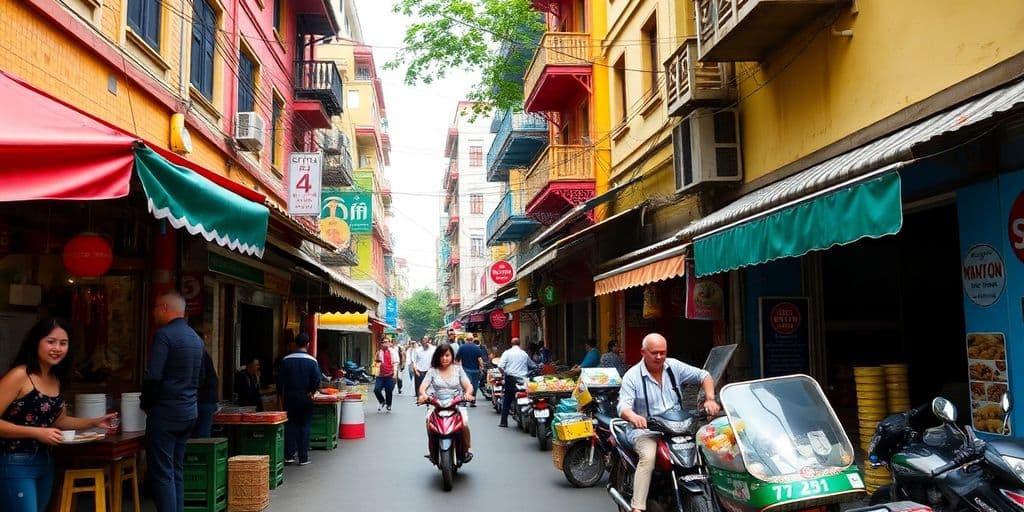
If you're thinking about moving to Ho Chi Minh City or just curious about what it costs to live there, you're in the right place. The cost of living in Ho Chi Minh City can vary quite a bit depending on your lifestyle choices, location, and whether you're an expat or a local. This bustling city has a lot to offer, from vibrant street food to modern amenities, but it's important to know what to expect in terms of expenses. Let's break down the main costs associated with living in this dynamic city.
Key Takeaways
- Living in Ho Chi Minh City can be affordable, with a budget of around $1,000 a month for a single person.
- Rent prices in the city centre are higher than in other Vietnamese cities, with a one-bedroom apartment averaging around $471 per month.
- Food is relatively cheap, with local dishes costing as little as $1, while dining out can range from $2 to $20 depending on the restaurant.
- Transportation can be economical if you use a scooter or ride-hailing services like Grab, as public transport options are limited.
- Utility bills, especially electricity, can add up quickly, so it's wise to manage your usage effectively.
Understanding The Cost Of Living In Ho Chi Minh City
Overview Of Living Expenses
So, you're thinking about moving to Ho Chi Minh City? Good choice! It's a vibrant place, but let's get real about the costs. Generally, living here is pretty affordable compared to many Western cities. However, it's all relative to your lifestyle. If you're happy eating street food and living like a local, you'll save a packet. If you crave Western comforts and fancy apartments, expect to pay more. It's worth noting that economic growth has led to price increases in recent years, especially in central areas.
Comparison With Other Cities
How does Ho Chi Minh City stack up against other places? Well, it's definitely cheaper than, say, London or New York. But when you compare it to other Southeast Asian hubs, it gets interesting. For example:
- Bangkok: Similar overall, but maybe slightly cheaper depending on your habits.
- Kuala Lumpur: Again, a pretty close match in terms of general expenses.
- Da Nang: Significantly cheaper, around 30% less for rent and general living costs. Something to consider if you're flexible on location.
Factors Influencing Costs
Loads of things can affect how much you spend each month. Here are a few key ones:
- Accommodation: City centre apartments are pricier than those further out.
- Eating Habits: Street food is cheap, restaurants are not.
- Transportation: Scooters are the way to go for budget travel, taxis add up.
- Lifestyle: Imported goods and fancy nights out will increase your spending.
It's easy to get caught up in the excitement of a new city and overspend. Before you arrive, make a realistic budget based on your needs and wants. This will help you stay on track and avoid any nasty surprises. Remember, living like a local is the best way to save money and experience the real Ho Chi Minh City.
Housing Costs In Ho Chi Minh City
Renting An Apartment
Finding a place to live is probably going to be your biggest expense in Ho Chi Minh City. The cost really depends on what you're after – location, size, and how fancy you want it to be. You can find decent apartments a bit further from the city centre for a reasonable price, but if you want to be in the thick of it, expect to pay more. Generally, a one-bedroom apartment in a central area might set you back around $500-$800 a month, while something outside the centre could be closer to $300-$500. Sharing an apartment is also a popular way to cut costs.
Buying Property
Buying property in Ho Chi Minh City is a whole different ball game. It's becoming increasingly popular, especially with foreign investment on the rise. Property prices have been going up, particularly in central areas. It's worth doing your homework and getting some local advice before jumping in. Here's a few things to consider:
- Location: Central districts are pricier but offer convenience.
- Regulations: Foreign ownership laws can be complex.
- Future Development: Areas with planned infrastructure improvements might see price increases.
Buying property is a big decision anywhere, but especially in a rapidly changing market like Ho Chi Minh City. Make sure you understand all the legal and financial implications before you commit.
Living Outside The City Centre
Living outside the city centre can save you a significant amount of money. You'll find that rental prices are lower, and the general cost of living is more affordable. Of course, you'll need to factor in transportation costs and travel time if you work or socialise in the city centre. But for many, the trade-off is worth it for the peace and quiet, and the chance to experience a more local way of life. Plus, you might get a bigger place for your money! Areas like District 2 and District 7 are popular with expats looking for a bit more space and a slightly slower pace of life.
Food And Dining Expenses
Local Cuisine Prices
Eating like a local in Ho Chi Minh City is incredibly affordable. You can grab a bowl of pho or banh mi from a street vendor for next to nothing. I'm talking less than £1! These are not only cheap but also delicious and authentic. Prices can vary a bit depending on the location – touristy areas might charge a little more – but generally, you'll find that local food is very budget-friendly. It's a great way to save money and experience the real Vietnamese culture. Don't be afraid to try new things; you might just discover your new favourite dish.
Dining Out Costs
Dining out in Ho Chi Minh City can range from very affordable to quite expensive, depending on where you go. A meal at an inexpensive restaurant might set you back around 50,000 VND (about £1.60), while a three-course meal for two at a mid-range restaurant could cost around 600,000 VND (about £19). Western-style restaurants and those in tourist hotspots tend to be pricier. Fast food is also an option; a McMeal at McDonalds costs around 120,000 VND (about £3.80). If you're on a budget, sticking to local eateries is definitely the way to go. For a special occasion, you can find some amazing high-end restaurants, but be prepared to pay more.
Grocery Shopping
Grocery shopping in Ho Chi Minh City is generally quite affordable, especially if you buy local produce. You can find everything from fresh fruits and vegetables to meat and dairy products. Here's a rough idea of what you might pay:
- Eggs (12): 37,369 VND (about £1.20)
- Chicken Fillets (1 lb): 43,127 VND (about £1.40)
- Beef Round (1 lb): 121,886 VND (about £3.90)
Imported goods, like cheese and certain types of meat, will be more expensive. Shopping at local markets is a great way to save money and get fresher produce than you might find in supermarkets. Just be prepared to haggle a little! For example, you can find some great deals on fresh produce if you know where to look.
Buying groceries and cooking at home can significantly reduce your food expenses. It also gives you more control over what you eat and allows you to experiment with local ingredients.
Transportation Options And Costs
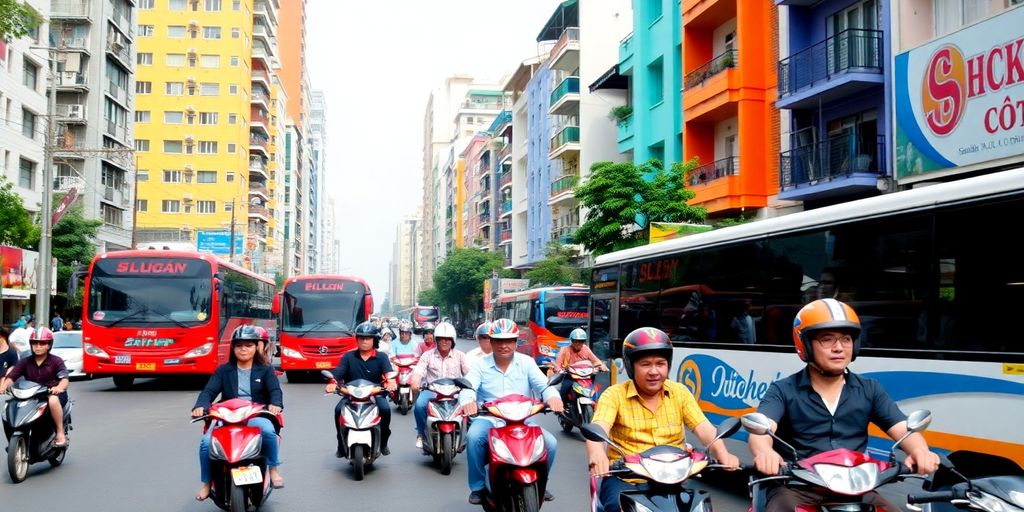
Getting around Ho Chi Minh City offers a range of choices, each with its own price tag and level of convenience. From public buses to ride-hailing apps, here's a breakdown of what you can expect to pay.
Public Transport Availability
The public bus system is definitely the most budget-friendly way to travel. A single one-way ticket will set you back around 7,000 VND, which is ridiculously cheap. If you're planning on using the bus regularly, a monthly pass costs approximately 300,000 VND. The buses can get crowded, and the routes might take some getting used to, but it's a great way to save money and experience the city like a local.
Taxi And Ride-Hailing Services
Taxis are readily available, and ride-hailing apps like Grab are super popular. A typical taxi start fare is around 19,500 VND. Grab is often preferred because you know the price upfront, avoiding any potential scams. Expect to pay more during peak hours or in heavy rain. It's worth noting that while convenient, these options can add up if you're using them daily.
Owning A Scooter
Many expats opt for buying a scooter. It gives you a lot of freedom to explore, but it comes with its own set of costs. You'll need to factor in the price of the scooter itself, which can vary widely depending on the make and model. Then there's petrol, which is relatively cheap, but adds up over time. Don't forget about maintenance, repairs, and the cost of a helmet. Parking can also be a hassle, especially in the city centre.
Owning a scooter in Ho Chi Minh City is a double-edged sword. It offers unparalleled freedom and the ability to navigate the city's intricate alleyways with ease. However, it also comes with the responsibility of navigating chaotic traffic, dealing with occasional police checks, and the constant worry of theft. It's a thrilling, yet sometimes stressful, way to experience the city.
Utilities And Other Monthly Expenses
Electricity And Water Bills
Okay, so let's talk about keeping the lights on and the water running. Generally, your basic utilities (electricity, heating, cooling, water, and garbage disposal) for a standard 915 sq ft apartment will set you back around 2,195,493.44₫ a month. That's the average, of course. It could be anywhere from 1,500,000₫ to 3,090,909.09₫ depending on your usage and the size of your place. Air conditioning is a big factor, especially during those hot months. I've heard some people say their bills skyrocket in the summer.
Internet And Mobile Costs
Staying connected is pretty important, right? For internet, you're looking at around 244,777.78₫ a month for a decent 60 Mbps or more connection with unlimited data. There are cheaper options, but honestly, it's worth paying a bit extra for something reliable. Mobile plans are surprisingly affordable. You can get a monthly plan with calls and 10GB+ of data for about 149,655.17₫. I've found that Viettel and Mobifone have pretty good coverage. You can often find better deals if you shop around a bit. For example, you can check out different mobile plans to find the best value.
Miscellaneous Expenses
Right, the dreaded 'other' category. This is where all those little costs that you don't really think about add up. Toiletries, cleaning supplies, maybe a haircut. It's hard to put an exact figure on it, but I'd say budget at least a couple of million VND a month for this. It really depends on your lifestyle. If you're going out a lot, or buying imported goods, it'll be more. If you're sticking to local brands and cooking at home, you can keep it down.
It's always a good idea to overestimate this category a little. You never know when you're going to need to replace something, or have an unexpected expense pop up. Better to be safe than sorry, eh?
Education Costs For Expats

International School Fees
For expats moving to Ho Chi Minh City with children, education costs are a significant factor to consider. International school fees can be quite high, especially when compared to local schools. These schools often offer curricula like the International Baccalaureate (IB) or British curriculum, providing a familiar educational environment for expat children. However, this comes at a premium.
| Item | Average Cost (VND) | Range (VND) |
|---|---|---|
| International Kindergarten, Yearly for 1 Child | 6,500,000.00 | 3,000,000.00-12,000,000.00 |
| International Primary School, Yearly for 1 Child | 359,071,428.57 | 240,000,000.01-600,000,000.00 |
It's worth noting that while the general cost of living in Ho Chi Minh City might seem reasonable, international school fees can be disproportionately expensive compared to local salaries. Therefore, it's essential to factor this into your budget and, if possible, negotiate for education allowances as part of your employment package.
Local School Options
If international schools seem too expensive, local Vietnamese schools present a more affordable alternative. However, there are a few things to keep in mind. The language of instruction is Vietnamese, which could be a barrier for children who don't speak the language. The curriculum also differs significantly from Western educational systems. That said, some expats choose this route to fully immerse their children in the local culture and potentially save a considerable amount of money. Enrolling your children in local school options can be a great way to integrate into the community.
Childcare Expenses
Beyond school fees, childcare costs are another expense to consider. If you have younger children who aren't yet school-aged, you'll need to factor in the cost of a nanny or daycare. Here's a breakdown:
- Nannies: Hiring a nanny can be a popular option, offering personalised care for your child. Costs vary depending on experience and hours, but expect to pay a monthly salary.
- Daycare Centres: Daycare centres are another option, often providing structured activities and social interaction for children. Fees vary depending on the centre's location and facilities.
- After-School Activities: Don't forget to budget for after-school activities, such as sports, music lessons, or language classes. These can add up, but they also provide valuable enrichment opportunities for your children. The cost of living can be managed with careful planning.
Tips For Reducing Living Costs
Budgeting Strategies
To really get a handle on your spending, start with a budget. It sounds boring, I know, but it's super effective. Track where your money is going for a month. There are loads of apps for this, or you can just use a spreadsheet. Once you know where your money is going, you can see where you can cut back. Maybe you're spending too much on eating out, or perhaps those daily coffees are adding up. Set realistic limits and stick to them. It's also worth setting up separate accounts for different things, like rent, food, and fun money. This makes it easier to see how much you have left for each category. Don't forget to factor in some wiggle room for unexpected expenses – because life happens!
Finding Deals And Discounts
Ho Chi Minh City is a bargain hunter's paradise if you know where to look. Markets are your best friend for cheap produce and clothes. Don't be afraid to haggle – it's part of the culture! For groceries, check out the local supermarkets; they often have deals on certain days. Keep an eye out for promotional offers and discounts, especially if you're buying things like toiletries or cleaning products. Also, consider buying in bulk if you have the space. For entertainment, look for free events or discounted tickets. Many museums and galleries have free admission days, and there are often free concerts or festivals happening around the city. Using a Wise account can also help you save money on international transactions.
Living Like A Local
One of the best ways to save money is to embrace the local lifestyle. Eat at street food stalls instead of fancy restaurants – the food is often better and much cheaper. Learn a bit of Vietnamese; it can help you get better prices and make it easier to find hidden gems. Use public transport instead of taxis or ride-hailing services. Buses are super cheap, and they go almost everywhere. If you're feeling brave, consider buying a scooter, but be aware of the traffic! Shop at local markets instead of supermarkets. You'll find fresher produce and better prices. And finally, try to avoid tourist traps. They're usually overpriced and not worth the money.
Living like a local isn't just about saving money; it's also about experiencing the real Ho Chi Minh City. It's about trying new things, meeting new people, and immersing yourself in the culture. It might take some getting used to, but it's definitely worth it in the long run.
Final Thoughts on Living Costs in Ho Chi Minh City
In summary, living in Ho Chi Minh City can be a mixed bag when it comes to costs. While you can manage on a budget if you’re careful, some expenses, like rent and international schooling, can really add up. It’s all about finding the right balance for your lifestyle. If you’re moving here, consider your needs and how much you’re willing to spend. With a bit of planning, you can enjoy the vibrant life this city has to offer without breaking the bank.
Frequently Asked Questions
What is the average cost of living in Ho Chi Minh City?
On average, a single person can live comfortably in Ho Chi Minh City with around $1,000 a month, especially if they share an apartment and cook at home.
How much is rent in Ho Chi Minh City?
Rent prices vary, but a one-bedroom apartment in the city centre typically costs about $471 per month.
Is food expensive in Ho Chi Minh City?
No, food is quite affordable. You can enjoy local dishes at inexpensive restaurants for around $2, and street food is even cheaper.
What transportation options are available in Ho Chi Minh City?
You can use public transport, taxis, or ride-hailing apps like Grab. Many people also buy scooters for convenience.
Are utility costs high in Ho Chi Minh City?
Utility costs can be high, especially electricity, which can reach up to $100 a month for larger apartments.
What are the education costs for expats in Ho Chi Minh City?
International schools can be quite expensive, so it's important for expats to check what costs their employer will cover.
Filed under
The Moveandstay editorial team writes about serviced living, workspaces, and city guides across Asia-Pacific.
Read next

Serviced Offices Surge in Popularity as Businesses Embrace Flexible Leasing
May 3, 2026

Hong Kong Serviced Apartment Market Buzzes with Sales and Investment Activity Amidst Shifting Valuations
May 3, 2026

ONYX Hospitality Group Elevates Shama Serviced Apartments with New Lifestyle Concept and Ambitious Expansion
Apr 26, 2026