
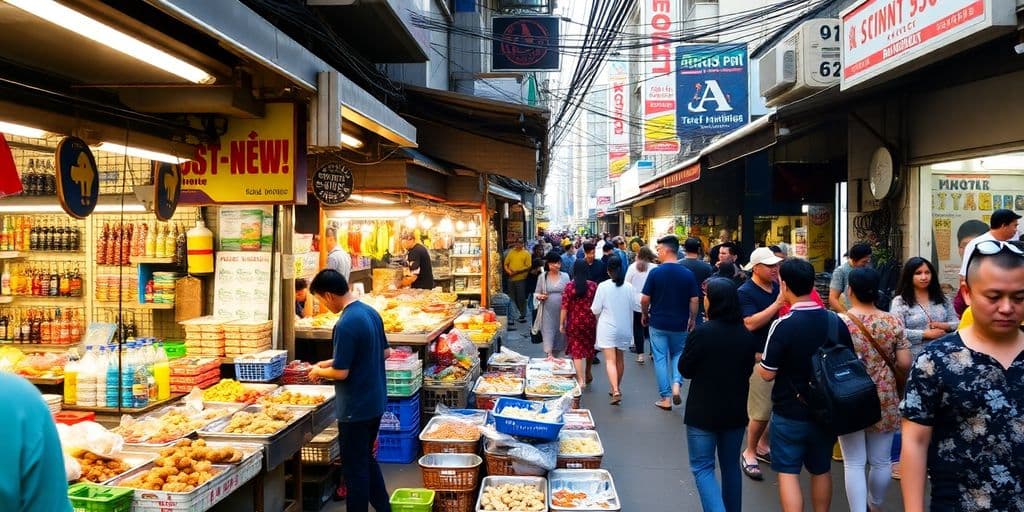
Bangkok, the bustling capital of Thailand, is known for its vibrant culture, delicious street food, and lively atmosphere. But what about the cost of living in Bangkok? It’s essential to understand the various expenses involved, whether you’re planning to move there or just curious about the financial side of life in this dynamic city. From housing and food to transportation and healthcare, this guide will give you a clear picture of what to expect when it comes to living expenses in Bangkok.
Key Takeaways
- Living in Bangkok can be affordable, but costs vary widely based on lifestyle and location.
- Renting is generally cheaper than buying, with many expats choosing to rent in popular neighbourhoods.
- Street food is a budget-friendly option, while dining in restaurants can be pricier.
- Public transport is reliable and economical, making it easy to navigate the city without a car.
- Healthcare costs can be manageable, especially with the right insurance coverage.
Understanding The Cost Of Living In Bangkok
Overview of Living Expenses
So, you're thinking about moving to Bangkok? Ace! Let's get real about the money side of things. Bangkok can be surprisingly affordable, but it really depends on your lifestyle. If you're used to Western comforts and want to live like you do back home, expect to pay more. If you're happy to embrace the local way of life, you can live quite comfortably on a smaller budget. The monthly expenses will depend on your personal choices.
Factors Influencing Costs
Loads of things affect how much you'll spend in Bangkok. Here's a quick rundown:
- Accommodation: Where you live makes a massive difference. A fancy condo in Sukhumvit will cost way more than a basic apartment further out.
- Eating Habits: Street food is cheap and delicious, but eating at fancy restaurants every night will quickly drain your wallet.
- Transportation: The BTS Skytrain and MRT are affordable, but taxis and ride-hailing can add up.
- Lifestyle: Clubbing every weekend? Shopping for designer goods? These things will obviously increase your expenses.
- Visa situation: Visa runs can add to the cost.
It's worth remembering that everyone's situation is different. What one person considers a necessity, another might see as a luxury. Think about what's important to you and budget accordingly.
Comparison with Other Cities
Compared to many Western cities, Bangkok is generally cheaper. However, it's not the cheapest place in Southeast Asia. Cities like Hanoi or Ho Chi Minh City in Vietnam, or even Chiang Mai in northern Thailand, can be significantly more affordable. But Bangkok offers a unique blend of affordability and big-city amenities that's hard to beat. It really boils down to what you're after. If you are looking for a cost of living comparison then there are many tools online.
Housing Costs In Bangkok
Renting vs Buying
Deciding whether to rent or buy in Bangkok is a big decision, and it really depends on your long-term plans and financial situation. Renting offers flexibility, which is great if you're not sure how long you'll be staying. You can find a range of options, from basic apartments to luxury condos. Buying, on the other hand, is a longer-term commitment but can be a good investment if you plan to stay in Bangkok for many years. Consider factors like property taxes, maintenance fees, and the potential for appreciation when making your decision. It's also worth noting that foreigners have certain restrictions on land ownership in Thailand, so do your research.
Popular Neighbourhoods
Bangkok has so many different neighbourhoods, each with its own vibe and appeal. Some popular choices for expats include:
- Sukhumvit: This is a classic choice, known for its convenience, shopping, and nightlife. It's well-connected by the BTS Skytrain, making it easy to get around.
- Silom: A central business district that's also great for living, with plenty of restaurants and entertainment options.
- Sathorn: A more upscale area with luxury condos and a quieter atmosphere.
- Ari: A trendy neighbourhood with a more local feel, known for its cafes and independent shops.
- Ramkhamhaeng: If you are looking for something outside of the city centre, consider living in Ramkhamhaeng.
Choosing the right neighbourhood is crucial. Think about your lifestyle, budget, and how important it is to be close to public transport. Some areas are more walkable than others, and some have better access to amenities like parks and schools.
Average Rental Prices
Rental prices in Bangkok can vary widely depending on the location, size, and quality of the property. As of October 2024, you might expect to pay:
- Studio Apartment: 8,000 - 15,000 THB per month
- 1-Bedroom Condo: 12,000 - 30,000 THB per month
- 2-Bedroom Condo: 25,000 - 50,000+ THB per month
Keep in mind that these are just averages, and you can definitely find cheaper or more expensive options. Location plays a big role; expect to pay more for a condo right next to a BTS station in Sukhumvit than for a similar property further out. If you want to set a monthly limit of $2000, you should be able to find a decent condo to rent. Don't forget to factor in utilities and internet costs, which aren't usually included in the rent. It's always a good idea to check out a few places before making a decision, and don't be afraid to negotiate the price.
Food And Dining Expenses
Cost of Groceries
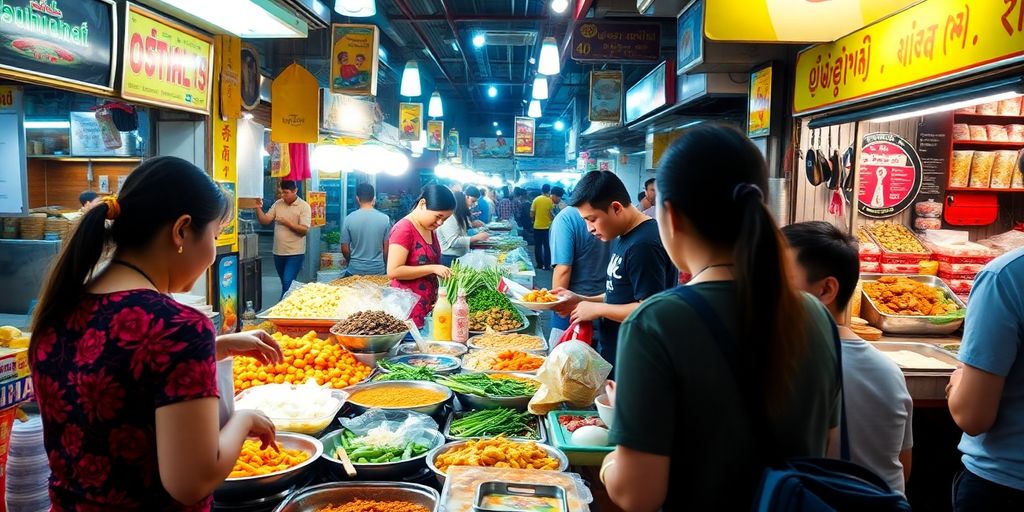
Okay, so groceries in Bangkok. It's a mixed bag, really. You can save a lot of money if you shop like a local, but if you're craving stuff from home, expect to pay a premium. Fresh produce at the markets is super cheap and tasty. Think mangoes, papaya, and all sorts of greens. But imported cheese or fancy cuts of meat? That'll hit your wallet. For example, chicken fillets are relatively inexpensive, but local cheese can be surprisingly costly.
Here's a rough idea of what you might spend:
- Local Fruits & Veg: Very affordable, depends on the season.
- Imported Goods: Significantly more expensive.
- Basic Staples (rice, noodles): Incredibly cheap.
Eating Out in Bangkok
Eating out is where Bangkok really shines. You can find amazing food at every price point. From street stalls to fancy restaurants, there's something for everyone. I mean, you could eat out every single day and never get bored. A meal at an inexpensive restaurant might set you back around 100 baht, while a meal for two at a mid-range place could be closer to 1,000 baht. It really depends on what you're after. There are many dining options available.
Street Food vs Restaurants
Street food is a must-try in Bangkok. It's delicious, authentic, and incredibly cheap. You can get a full meal for just a few quid. Restaurants offer a more comfortable setting and a wider range of cuisines, but they're obviously going to be more expensive. Street food is great for quick lunches and snacks, while restaurants are better for a proper sit-down dinner. It's all about balancing the two.
Honestly, I reckon the best way to experience Bangkok's food scene is to mix it up. Try the street food, explore the local markets, and treat yourself to a nice restaurant every now and then. That way, you get the best of both worlds without breaking the bank.
Transportation Costs In The City
Public Transport Options
Bangkok offers a pretty extensive public transport network, which is good news because the traffic can be brutal. You've got the BTS Skytrain and the MRT subway, which are usually the quickest ways to get around the city centre. Then there are the buses, which are super cheap but can be a bit confusing to navigate if you don't know the routes. River taxis are also an option, especially if you're travelling along the Chao Phraya River.
- BTS Skytrain: Good for getting around the main shopping and business areas.
- MRT Subway: Connects to the Skytrain and goes to areas further out.
- Buses: Very cheap, but can be slow and crowded. Knowing some Thai helps!
Fares for public transport affordable fares vary depending on the distance travelled.
Taxi and Ride-Hailing Services
Taxis are everywhere in Bangkok, and they're generally quite affordable, especially compared to back home. Just make sure the driver uses the metre, or you could end up paying more than you should. Ride-hailing apps like Grab are also popular and can be convenient, especially if you don't speak Thai. However, during rush hour, prices can surge, so it's worth comparing the cost with other options.
- Taxis: Readily available, but insist on the metre.
- Grab: Convenient app-based service, but can be pricier during peak times.
- Motorbike taxis: A fast (and slightly terrifying) way to beat the traffic.
I remember one time I was stuck in a taxi for over an hour, and we barely moved a few streets. Since then, I've become a big fan of the Skytrain, even if it does get a bit packed during rush hour. It's just so much more reliable.
Bicycle and Walking
While Bangkok isn't the most bicycle-friendly city, it is getting better. There are some parks and riverside paths where you can cycle safely, and it's a great way to explore the smaller streets and sois. Walking is also an option, but be prepared for the heat and the traffic. Pavements can be uneven, and sometimes non-existent, so watch your step!
- Cycling: Best in parks or quieter streets.
- Walking: Good for short distances, but be aware of the heat and traffic.
- Consider the time of day: Walking during the hottest part of the day can be exhausting.
Here's a rough idea of transport costs:
| Transportation | Cost (THB) | Notes |
|---|---|---|
| One-way Ticket (Local) | 40 | Can range from 25 to 60. |
| Monthly Pass | 1,200 | Can range from 800 to 3,000. |
| Taxi Start (Normal Tariff) | 35 | |
| Taxi 1 mile (Normal Tariff) | 64.37 | Can range from 56.33 to 80.47 |
Utilities And Internet Expenses
Average Utility Bills
Okay, so let's talk about keeping the lights on and the water running. Utility bills in Bangkok can vary quite a bit depending on your lifestyle and the size of your place. If you're in a smaller condo and pretty mindful of your air-con use, you might get away with paying relatively little. But if you're blasting the AC 24/7 in a larger apartment, expect those bills to climb. Electricity is usually the biggest chunk, especially during the hotter months. Water and garbage collection are generally much cheaper. For a 915 sq ft apartment, you might be looking at around 3,078 THB for basic utilities like electricity, heating/cooling, water and garbage.
Here's a rough idea of what you might expect to pay:
| Utility | Average Cost (THB) |
|---|---|
| Electricity | 1,500 - 3,000+ |
| Water | 200 - 500 |
| Garbage Collection | 50 - 100 |
Internet Costs
Staying connected is pretty important, and thankfully, internet in Bangkok is generally affordable and reliable. You've got a bunch of providers to choose from, offering different speeds and packages. Most expats opt for a fibre optic connection for faster speeds and unlimited data. Expect to pay somewhere in the range of 400 to 700 THB per month for a decent internet connection (60 Mbps or more). Some apartments might include basic internet, but the speeds can be a bit rubbish, so it's often worth getting your own plan.
Mobile Phone Plans
Mobile phone plans are also quite reasonable. You can pick up a prepaid SIM card pretty easily at the airport or in any convenience store. There are various plans available, offering different amounts of data and call time. A monthly plan with a decent amount of data (10GB+) and calls will probably set you back around 433 THB. If you're on a tight budget, you could even look into something like a "Sim Thep" which offers unlimited data at a capped speed for around 200 THB a month. I pay 349 THB for 20GB and 300 minutes of voice calls.
Overall, utility and internet expenses in Bangkok are manageable and shouldn't break the bank. Just be mindful of your electricity usage, especially if you're running the air-con a lot. Shop around for the best internet and mobile phone deals to save even more money. You can find budget restaurants to save money on food too.
Healthcare Costs For Expats
Public vs Private Healthcare
Bangkok offers both public and private healthcare options, and the differences are pretty significant. Public hospitals are generally more affordable, but they can have longer waiting times and might not have as many English-speaking staff. Private hospitals, on the other hand, boast shorter waits, more advanced technology, and a higher standard of care, but come at a steeper price. For expats, private healthcare is often the preferred choice due to the convenience and quality of service.
Health Insurance Options
Navigating health insurance options in Bangkok can feel a bit overwhelming, but it's a must-do. You've basically got two main routes: local Thai insurance or international health insurance. Local insurance is usually cheaper but might have limitations on coverage and the hospitals you can use. International insurance gives you broader coverage, potentially including medical evacuation, but it'll cost you more.
Here's a quick rundown:
- Local Thai Insurance: More affordable, limited coverage.
- International Insurance: Broader coverage, higher cost.
- Consider your needs: Think about your health history and how often you anticipate needing medical care.
Average Medical Expenses
Okay, let's talk numbers. The cost of healthcare in Bangkok can vary wildly depending on where you go and what you need. A simple doctor's visit at a private hospital might set you back £40-£80, while specialist consultations could be double that. For more serious stuff, like hospital stays, you're looking at significantly higher costs. Here's a rough idea:
| Procedure | Average Cost (GBP) |
|---|---|
| Doctor's Visit | 40-80 |
| Specialist Consultation | 80-160 |
| Hospital Stay (per night) | 200-500+ |
It's worth noting that these are just averages, and prices can fluctuate. Always check with the hospital or clinic beforehand to get a clear idea of the costs involved. Having adequate insurance is really important to avoid unexpected financial strain.
Entertainment And Leisure Activities
Bangkok offers a huge range of entertainment and leisure activities, catering to all tastes and budgets. From ancient temples to modern shopping malls, bustling markets to serene parks, there's always something to do. Let's have a look at what you can expect to spend.
Cost of Leisure Activities
The cost of leisure activities in Bangkok can vary greatly. You can find cheap thrills and expensive experiences. Visiting temples is generally inexpensive, with entrance fees typically under 100 baht. Movie tickets are reasonably priced, around 250 baht. However, activities like visiting upscale rooftop bars or attending international concerts can be significantly more expensive. A monthly gym membership will set you back around 1,760 baht. Renting a tennis court for an hour on the weekend is about 340 baht.
Cultural Events and Attractions
Bangkok is rich in culture, and there are many cultural events and attractions to explore. Some are free, others have a fee. Here are a few ideas:
- Temples: Wat Arun, Wat Pho, and Wat Saket are must-sees. Entrance fees are minimal.
- Markets: Explore the vibrant Chatuchak Weekend Market or the Damnoen Saduak Floating Market. The markets themselves are free to enter, but you'll likely spend money on food and souvenirs.
- Museums: The Bangkok National Museum and the Jim Thompson House offer insights into Thai history and culture. Expect to pay an entrance fee.
Bangkok is a city where you can easily find free or low-cost activities. Exploring local markets, visiting parks, and wandering through the city's many temples can provide hours of entertainment without breaking the bank.
Nightlife Expenses
Bangkok's nightlife is legendary, but it can also be expensive. Drinks at rooftop bars or trendy clubs can cost upwards of 300 baht each. Street food and local bars offer more affordable options. Transportation at night, whether by taxi or tuk-tuk, can also add to your expenses. If you're planning a night out, set a budget and stick to it. Consider exploring local attractions for a more authentic experience.
Final Thoughts on Living Costs in Bangkok
So, there you have it. Living in Bangkok can be a mixed bag when it comes to costs. If you're careful with your budget, you can get by on a decent amount, but it really depends on your lifestyle. Eating out is cheap, and public transport is a bargain, but rent can hit your wallet hard if you're not careful. It's all about finding that balance. Whether you're planning a short stay or thinking about making Bangkok your home, just keep an eye on your expenses. With a bit of planning, you can enjoy all the city has to offer without breaking the bank.
Frequently Asked Questions
What is the average cost of living in Bangkok?
The average monthly cost for a single person is around 21,700 Baht, while a family of four might spend about 77,200 Baht, not including rent.
How much does renting an apartment cost in Bangkok?
Rent prices vary widely, but a one-bedroom apartment in the city centre can cost between 15,000 to 30,000 Baht, while outside the centre, it may be between 8,000 to 15,000 Baht.
Is food expensive in Bangkok?
Food can be very affordable in Bangkok. You can eat at street stalls for as little as 40 Baht per meal, while dining in restaurants can range from 200 to 1,000 Baht depending on the place.
What are the public transport options in Bangkok?
Bangkok has a good public transport system including the BTS Skytrain, MRT subway, and buses. These are cheap and efficient ways to get around the city.
How much do utilities cost in Bangkok?
Monthly utility bills for a standard apartment can cost around 2,000 to 4,000 Baht, including electricity, water, and gas.
Is healthcare expensive for expats in Bangkok?
Healthcare in Bangkok can be quite affordable, especially in public hospitals. However, many expats prefer private healthcare, which can be more costly but provides better services.
Filed under
The Moveandstay editorial team writes about serviced living, workspaces, and city guides across Asia-Pacific.
Read next
Serviced Offices Surge in Popularity as Businesses Embrace Flexible Leasing
May 3, 2026
Hong Kong Serviced Apartment Market Buzzes with Sales and Investment Activity Amidst Shifting Valuations
May 3, 2026

ONYX Hospitality Group Elevates Shama Serviced Apartments with New Lifestyle Concept and Ambitious Expansion
Apr 26, 2026