
Co-Living in Hong Kong: Trendy Spaces for Expats and Nomads

Co-living spaces in Hong Kong are becoming increasingly popular among expats and digital nomads looking for affordable and sociable living arrangements. These shared living environments offer a unique blend of community and convenience, making them an attractive option for those new to the city. With a variety of co-living options available, residents can enjoy modern amenities, networking opportunities, and a vibrant social scene while managing the high cost of living in this bustling metropolis.
Key Takeaways
- Co-living spaces in Hong Kong provide affordable housing options for expats and nomads.
- These spaces foster a sense of community, making it easier to build connections and friendships.
- Shared living arrangements help reduce the high cost of rent in the city.
- Many co-living facilities come with modern amenities and communal areas for socialising.
- While co-living offers many benefits, residents should be aware of privacy concerns and shared responsibilities.
Understanding Co-Living Spaces In Hong Kong

What Is Co-Living?
Co-living is a modern housing model where residents share living spaces and a set of interests and values. It's more than just renting a room; it's about joining a community. Think of it as a blend of private living and shared social experiences. It's especially popular in cities like Hong Kong, where space is at a premium and community is highly valued. It's a great way to find affordable communal living in an expensive city.
Benefits Of Co-Living For Expats
For expats moving to Hong Kong, co-living offers several advantages:
- Instant Community: Moving to a new country can be isolating. Co-living provides a built-in social network.
- Reduced Costs: Sharing facilities and resources can significantly lower living expenses.
- Simplified Setup: Many co-living spaces come fully furnished and with utilities included, saving time and hassle.
- Flexibility: Shorter lease terms are often available, ideal for those unsure of their long-term plans.
Co-living spaces often organise social events and activities, making it easier for expats to integrate into the local culture and meet new people. This can be a huge help in overcoming the initial challenges of settling into a new city.
The Rise Of Co-Living In Urban Areas
Co-living's popularity is on the rise, particularly in dense urban environments like Hong Kong. Several factors contribute to this trend:
- Urbanisation: As more people move to cities, demand for affordable housing increases.
- Changing Lifestyles: More people are embracing flexible, mobile lifestyles, making co-living's short-term leases attractive.
- Technological Advancements: Online platforms and apps make it easier to find and manage co-living arrangements. The rise of digital nomads has also fuelled the demand for this type of accommodation.
Co-living offers a practical solution to the challenges of urban living, providing a sense of community and convenience in an increasingly individualistic world.
Affordable Living Options For Expats
Cost-Effective Solutions
Hong Kong, while vibrant, is known for its high cost of living. For expats, finding affordable accommodation can be a real challenge. Co-living presents a viable solution by distributing costs across multiple residents. This makes prime locations more accessible without breaking the bank. Consider exploring cheap rentals in areas slightly outside the main business districts to further reduce expenses.
Shared Living Arrangements
Shared living arrangements are at the heart of co-living's affordability. Instead of renting an entire flat, you rent a room within a larger shared space. This typically includes:
- Shared kitchen facilities
- Communal living areas
- Sometimes even shared workspaces
This setup significantly lowers individual costs. Plus, many co-living spaces offer all-inclusive pricing, covering utilities, internet, and even cleaning services. This simplifies budgeting and eliminates unexpected bills. It's a great way to find affordable communal living in Hong Kong.
Finding The Right Roommate
Finding the right roommate is crucial for a positive co-living experience. Here are a few tips:
- Communicate openly: Discuss expectations regarding cleanliness, noise levels, and socialising.
- Use co-living platforms: Many platforms offer roommate matching services based on lifestyle and preferences.
- Meet potential roommates beforehand: If possible, meet face-to-face (or virtually) to gauge compatibility.
Living with others requires compromise and understanding. Be prepared to adjust your habits and be respectful of your roommate's needs. A little effort in finding the right match can make all the difference in your co-living experience.
Popular Co-Living Locations Across The City
Central District Highlights
Living in Central can be amazing, but it's also pricey. Co-living here offers a way to experience the heart of Hong Kong without completely emptying your bank account. You're right in the middle of everything – the business district, great restaurants, and nightlife. Think of it as having a front-row seat to the city's buzz. However, space is definitely a premium, so expect smaller rooms and a more compact living situation. Still, for those wanting to be where the action is, it's a solid choice. You can easily find affordable and social housing here.
Trendy Neighbourhoods
Areas like Sheung Wan and Sai Ying Pun are becoming increasingly popular for co-living. They've got a cool, artsy vibe with independent shops, cafes, and galleries. It's a bit more laid-back than Central, but still well-connected. Rents can be slightly more reasonable, and you often get a bit more space for your money. Plus, there's a real sense of community in these neighbourhoods, which is a big draw for many expats and nomads.
Living in these areas means you're close to the action but can escape the intensity when you need to. It's a good balance for those who want both excitement and a bit of peace.
Access To Public Transport
One of the biggest advantages of co-living in Hong Kong is the excellent public transport. No matter where you choose to live, you're likely to be near an MTR station or bus route. This makes getting around the city super easy and affordable. Even if you're not right in the centre, you can quickly reach any part of Hong Kong. This connectivity is a major factor for many when deciding on a co-living location. For example, you can find co-living near the MTR station.
Community And Networking Opportunities
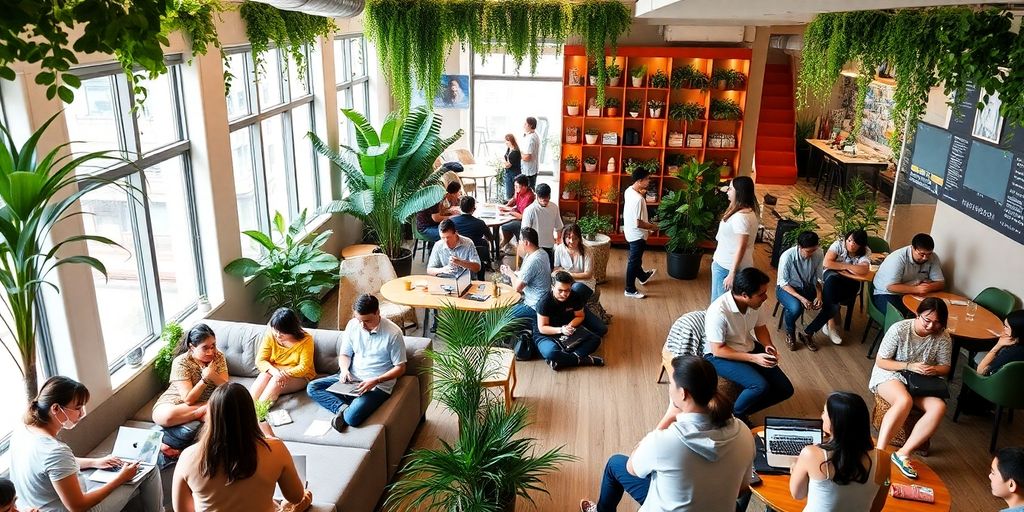
Co-living isn't just about sharing a space; it's about building a community. For expats and nomads, this can be a lifeline, offering instant connections and a sense of belonging in a new city. It's a chance to move beyond the isolation that can sometimes come with living abroad and find people who understand your experiences.
Building Connections
One of the biggest draws of co-living is the built-in social network. Moving to a new city can be daunting, but co-living spaces often have a diverse mix of people from different backgrounds and professions. This makes it easier to meet like-minded individuals and form friendships. It's not just about having people to hang out with; it's about having a support system in place. You can find people to explore the city with, share meals, or even collaborate on projects. Plus, the shared experiences of living in Hong Kong can create strong bonds between residents. Consider joining a monthly newsletter to stay updated on community events and opportunities.
Social Events And Activities
Co-living spaces frequently organise social events and activities to help residents connect. These can range from casual gatherings like movie nights and potlucks to more structured events like workshops and outings. These events provide a relaxed and informal setting to meet new people and build relationships. Some spaces even have dedicated community managers who are responsible for organising events and facilitating connections between residents. This can be especially helpful for those who are new to the city and don't know where to start when it comes to socialising.
- Organised social gatherings
- Workshops and skill-sharing sessions
- Group outings to explore Hong Kong
Collaborative Workspaces
Many co-living spaces also offer collaborative workspaces, which can be a huge benefit for freelancers and remote workers. These spaces provide a dedicated area to work, away from the distractions of your private room. More importantly, they offer opportunities to network and collaborate with other residents. You might find yourself working alongside designers, developers, writers, and entrepreneurs, all under one roof. This can lead to new friendships, business opportunities, and a sense of community that's often lacking in traditional office environments. These spaces often have amenities like high-speed internet, printing facilities, and meeting rooms, making them ideal for getting work done. It's a great way to find cost-effective solutions for your work needs while also being part of a community.
Co-living spaces are more than just a place to sleep; they're hubs for connection and collaboration. They provide a supportive environment where expats and nomads can build relationships, share experiences, and thrive in a new city. It's about creating a sense of belonging and making Hong Kong feel like home.
Amenities And Facilities In Co-Living Spaces
Modern Living Essentials
Co-living spaces in Hong Kong are designed with modern life in mind. You can generally expect a fully furnished room, which is a massive plus if you're moving from overseas and don't want the hassle of buying furniture. These spaces often include utilities like Wi-Fi, electricity, and water in the monthly rent, making budgeting much easier. Think of it as a ready-to-go living solution.
- High-speed internet access
- All-inclusive utility bills
- Regular cleaning services
It's worth checking exactly what's included in your rent, as some places might have extra charges for things like laundry or premium Wi-Fi. Always read the fine print!
Shared Spaces And Private Rooms
The beauty of co-living is the balance between private and shared areas. You'll typically have your own private bedroom, offering a personal sanctuary. But outside your room, there are communal areas designed for socialising and collaboration. These might include a shared kitchen, living room, or even a rooftop terrace. This set-up encourages interaction while still respecting your need for personal space. It's a great way to find affordable rent in Hong Kong.
Tech-Enabled Environments
Many co-living spaces in Hong Kong are embracing technology to enhance the living experience. This could mean smart home features like keyless entry, app-controlled lighting, or even communal workspaces equipped with the latest gadgets. The idea is to make life more convenient and connected.
Here's a quick look at some common tech features:
- Smart home automation systems
- High-tech communal workspaces
- Keyless entry systems
Challenges Of Co-Living In Hong Kong
Co-living in Hong Kong, while offering numerous benefits, isn't without its challenges. It's important to be aware of these potential downsides before making the move. It's not always sunshine and rainbows, you know?
Privacy Concerns
One of the biggest hurdles is privacy. Sharing a space, even with the best housemates, means sacrificing some personal space and solitude. This can be particularly difficult for those used to living alone or with fewer people. You might find yourself longing for those quiet moments you used to take for granted. Finding affordable communal living in Hong Kong can be tough, but it's worth it if you value your privacy.
Cultural Differences
Hong Kong is a melting pot of cultures, and co-living spaces often reflect this diversity. While this can be enriching, it can also lead to misunderstandings and clashes in lifestyles. Different habits, communication styles, and expectations can create friction. It's important to be open-minded and willing to compromise.
Managing Shared Responsibilities
Sharing responsibilities like cleaning, cooking, and paying bills can be a source of conflict. Clear communication and a well-defined system are essential to avoid resentment. It's important to establish ground rules from the outset and ensure everyone is on the same page. This includes things like:
- Creating a cleaning schedule.
- Establishing a system for grocery shopping and meal preparation.
- Setting clear guidelines for noise levels and guest policies.
Living in close quarters requires a high degree of tolerance and understanding. It's not always easy to navigate the complexities of shared living, but with the right approach, it can be a rewarding experience.
The Future Of Co-Living In Hong Kong
Trends To Watch
Co-living in Hong Kong is evolving fast. It's not just about shared spaces anymore; it's about creating holistic living experiences. We're seeing a move towards more niche co-living spaces, catering to specific interests or professions. Think co-living for artists, tech entrepreneurs, or even families.
- Increased focus on customisation of spaces.
- Integration of smart home technology for convenience and efficiency.
- Greater emphasis on community building through curated events and workshops.
The future of co-living will likely involve partnerships with local businesses and organisations to provide residents with exclusive perks and opportunities, further integrating them into the Hong Kong community.
Sustainability In Co-Living
Sustainability is becoming a key consideration. New co-living spaces are incorporating eco-friendly designs and practises to reduce their environmental impact. This includes using sustainable materials, implementing energy-efficient systems, and promoting waste reduction. It's about creating a living environment that's good for both the residents and the planet. For example, some spaces are now offering affordable and social housing with green roofs or vertical gardens to improve air quality and reduce the urban heat island effect.
Evolving Needs Of Residents
The needs of co-living residents are changing. People are looking for more than just a place to sleep; they want a community, convenience, and flexibility. Co-living spaces are adapting by offering more comprehensive services and amenities, such as on-site co-working spaces, wellness programmes, and social events. The focus is on creating a supportive environment that meets the diverse needs of its residents. The rise of co-living spaces reflects a broader shift towards community-focused living, especially appealing to digital nomads and young professionals seeking connection and convenience in a bustling city like Hong Kong.
Here's a look at how resident needs are evolving:
| Need | Current Trend |
|---|---|
| Flexibility | Shorter lease terms, easy move-in/out options |
| Community | Curated social events, shared interest groups |
| Convenience | On-site amenities, concierge services |
| Well-being | Wellness programmes, access to fitness facilities |
Final Thoughts on Co-Living in Hong Kong
In conclusion, co-living in Hong Kong is more than just a trend; it’s a practical solution for many expats and digital nomads. With the city's high living costs, sharing a space can make a huge difference. You get to enjoy a vibrant community, meet new people, and often find a place that feels like home. Plus, the flexibility of short-term leases is a big plus for those on the move. Whether you're looking for a quiet spot to work or a lively environment to socialise, there's likely a co-living space that fits your needs. So, if you're considering a move to this bustling city, co-living might just be the perfect option for you.
Frequently Asked Questions
What exactly is co-living?
Co-living is a new way of living where people share a home or apartment. It’s popular among young adults and expats who want to save money and meet new friends.
What are the benefits of co-living for expats?
Co-living offers affordable housing, a chance to meet like-minded people, and a sense of community, which can help expats settle into a new city more easily.
Why is co-living becoming more popular in cities?
As cities get busier and housing costs rise, co-living provides a solution by offering shared spaces that are cheaper and encourage social interaction.
How can I find affordable living options in Hong Kong?
Look for co-living spaces that offer shared apartments. These can be more affordable and often come with all-inclusive rent.
What should I consider when finding a roommate?
It's important to find someone whose lifestyle and habits match yours. You can use platforms that help you connect with potential roommates.
What challenges might I face in co-living arrangements?
You may have less privacy, need to deal with cultural differences, and share responsibilities like cleaning and bills with your housemates.
The Moveandstay editorial team writes about serviced living, workspaces, and city guides across Asia-Pacific.
Read next

Serviced Offices Surge in Popularity as Businesses Embrace Flexible Leasing
May 3, 2026

Hong Kong Serviced Apartment Market Buzzes with Sales and Investment Activity Amidst Shifting Valuations
May 3, 2026

ONYX Hospitality Group Elevates Shama Serviced Apartments with New Lifestyle Concept and Ambitious Expansion
Apr 26, 2026