
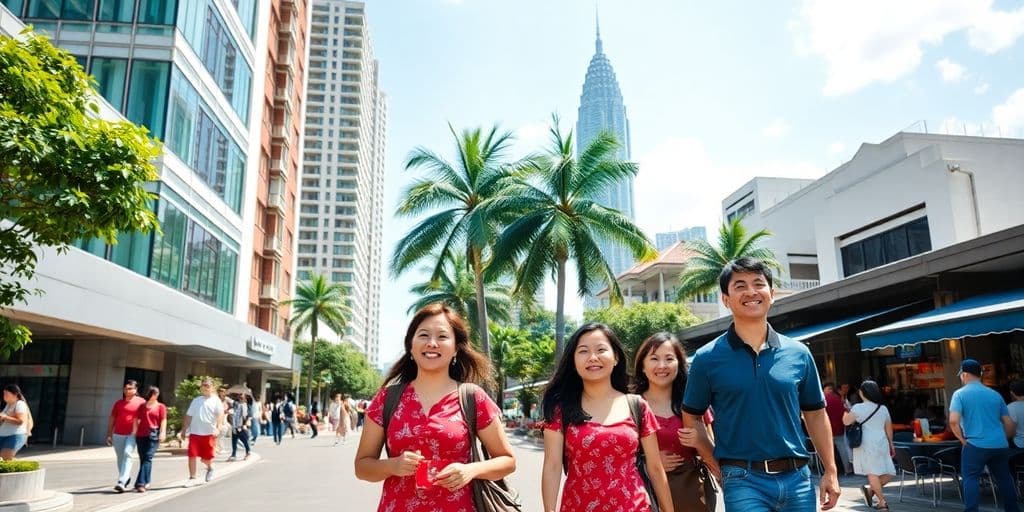
In recent months, a significant number of Chinese nationals have been relocating to Malaysia, drawn by the country's appealing lifestyle and favorable immigration policies. The Malaysia My Second Home (MM2H) program has become a popular avenue for these individuals seeking a fresh start away from the pressures of life in mainland China.
Key Takeaways
- The MM2H program offers long-term residency options for foreigners.
- Many Chinese nationals are seeking a more relaxed lifestyle.
- Malaysia's diverse culture and affordable living are major attractions.
The MM2H Program: An Overview
The Malaysia My Second Home (MM2H) program was established to attract foreign retirees and expatriates. It allows foreigners to stay in Malaysia on a long-term basis, with a visa that can be renewed every ten years. The program has gained traction among Chinese nationals, particularly in the wake of the COVID-19 pandemic, which has prompted many to reconsider their living situations.
Reasons for Relocation
Several factors are driving Chinese nationals to seek a new life in Malaysia:
- Stress Relief: Many individuals are escaping the high-pressure environment of urban China, where competition and stress levels are notoriously high.
- Quality of Life: Malaysia offers a more relaxed lifestyle, with beautiful landscapes, a warm climate, and a lower cost of living compared to major Chinese cities.
- Cultural Diversity: The multicultural environment in Malaysia is appealing to many, as it allows for a rich cultural experience and the opportunity to learn from different communities.
- Educational Opportunities: Some families are relocating for better educational prospects for their children, as Malaysia has a range of international schools and universities.
Economic Impact
The influx of Chinese nationals is expected to have a positive impact on Malaysia's economy. As these new residents settle in, they contribute to local businesses and the housing market. The demand for housing, goods, and services is likely to increase, providing a boost to various sectors.
Challenges and Considerations
While the relocation of Chinese nationals presents opportunities, it also comes with challenges:
- Integration: New residents may face difficulties in integrating into Malaysian society, particularly in terms of language and cultural differences.
- Housing Market Pressure: The increased demand for housing could lead to rising property prices, making it more challenging for local residents to afford homes.
- Cultural Sensitivity: Ensuring that the diverse cultural backgrounds of new residents are respected and accommodated is essential for social harmony.
Conclusion
The trend of Chinese nationals relocating to Malaysia highlights a significant shift in lifestyle preferences and the search for a better quality of life. As the MM2H program continues to attract individuals seeking refuge from the pressures of their home country, Malaysia stands to benefit economically and culturally from this influx. The challenge will be to ensure that both new residents and local communities can coexist harmoniously, fostering a vibrant and inclusive society.
The Moveandstay editorial team writes about serviced living, workspaces, and city guides across Asia-Pacific.
Read next

Serviced Offices Surge in Popularity as Businesses Embrace Flexible Leasing
May 3, 2026

Hong Kong Serviced Apartment Market Buzzes with Sales and Investment Activity Amidst Shifting Valuations
May 3, 2026

ONYX Hospitality Group Elevates Shama Serviced Apartments with New Lifestyle Concept and Ambitious Expansion
Apr 26, 2026