
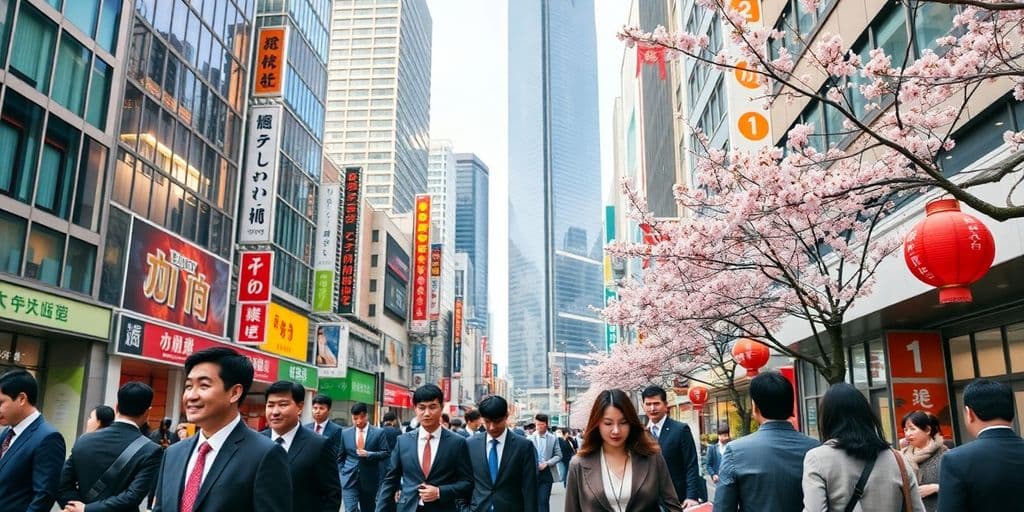
Tokyo is a bustling metropolis that blends modern business practises with rich cultural traditions. For those embarking on business travel in Tokyo, understanding the local customs and etiquette is crucial for a successful trip. This guide will provide essential insights into the Japanese business culture, practical tips, and must-know information to help you navigate your stay with ease.
Key Takeaways
- Punctuality is paramount; always arrive on time for meetings.
- Understanding and respecting local customs can greatly enhance your business interactions.
- Business cards are exchanged with both hands; treat them with respect.
- Use basic Japanese phrases to show appreciation for the culture.
- Research dining etiquette to make a good impression during business meals.
Understanding Japanese Business Culture
Japanese business culture can seem a bit daunting at first, but honestly, it's mostly about showing respect and being mindful. It's not as scary as some people make out, and a little effort goes a long way. I remember my first trip; I was so worried about messing up, but everyone was really understanding. Just try to be polite and you'll be fine.
Punctuality
Being on time is super important. Seriously, don't be late. It's seen as disrespectful. Aim to arrive a few minutes early, just to be safe. If, for some reason, you are going to be late, let them know as soon as possible. It's better to give them a heads-up than to just show up late without explanation. I once had a train delay and was stressing about being late, but a quick email explaining the situation was enough to smooth things over.
Formality in Communication
Formality is key. Use surnames and the appropriate honorifics (like "san") unless you're explicitly told otherwise. Emails should be polite and well-structured. Avoid slang or overly casual language. It's also worth noting that directness isn't always appreciated; sometimes, it's better to be a bit more indirect in your communication. Understanding Japanese business etiquette is crucial for successful interactions.
Respect and Harmony
Respect and harmony are central to Japanese business. This means:
- Avoiding confrontation.
- Being a good listener.
- Showing deference to seniority.
Maintaining a harmonious environment is often prioritised over expressing individual opinions too strongly. It's about finding a middle ground and ensuring everyone feels valued and respected. This approach can sometimes feel slow, but it's all about building trust and long-term relationships.
It's also important to be aware of non-verbal cues. For example, nodding doesn't always mean agreement; it can simply mean that someone is listening. Pay attention to body language and try to read between the lines. This will help you to build strong, lasting business relationships.
Essential Tips for Business Travellers
Tokyo is a pretty amazing place, but it can be a bit overwhelming if you're there for work. Loads of people visit every year, and it's not hard to see why. To make your trip smoother, here are a few things I've picked up over the years.
Navigating Local Customs
Okay, so Japan is big on respect and tradition. It's not just about knowing what to do, but why you're doing it. For example, bowing is a big deal. The deeper the bow, the more respect you're showing. And when you're given something, use both hands. It shows you appreciate the gesture.
Here's a quick rundown:
- Bowing: Learn the different types (formal, informal). Practise in front of a mirror if you have to!
- Shoes Off: Always take your shoes off when entering someone's home or certain traditional establishments. Look for the shoe rack.
- Gift Giving: If you're giving a gift, present it with both hands and say something modest like "This is just a small token."
It's easy to make a mistake, and honestly, most people will be understanding if you're a foreigner. But making an effort to learn the basics goes a long way. It shows you care, and that's what matters.
Language Considerations
Right, so English isn't as widely spoken as you might think, especially outside of the main tourist areas. Learning a few basic Japanese phrases can really help. Even just knowing how to say hello (Konnichiwa), thank you (Arigato), and excuse me (Sumimasen) will make a difference.
Consider these points:
- Pocket Translator: Get a good translation app on your phone. Google Translate is decent, but there are others specifically for Japanese.
- Business Cards: Have your business cards printed with English on one side and Japanese on the other. It's a nice touch.
- Learn Key Phrases: Focus on phrases related to your business. For example, "I'm here for a meeting with…" or "Could you please explain that again?"
Business Card Etiquette
Business cards, or meishi, are super important. It's not just a piece of paper; it's an extension of yourself. Treat it with respect. Here's the deal:
- Presentation: Present your card with both hands, with the writing facing the recipient so they can read it easily.
- Receiving: Receive the card with both hands, examine it for a moment, and acknowledge the person who gave it to you.
- Storage: Never shove the card straight into your pocket. Use a business card holder. If you don't have one, place it on the table in front of you during the meeting.
| Action | Do | Don't |
|---|---|---|
| Giving a card | Use both hands, writing facing the recipient. | Fumble with it, offer it carelessly. |
| Receiving a card | Use both hands, read it carefully, acknowledge the giver. | Immediately put it away without looking. |
| During meeting | Place it on the table in front of you (if appropriate). | Fidget with it, write on it unless absolutely necessary. |
Remember, attending networking events can be a great way to practise these skills and make connections. Getting the hang of these customs will definitely make your business trip to Tokyo a success.
Exploring Tokyo's Business Districts
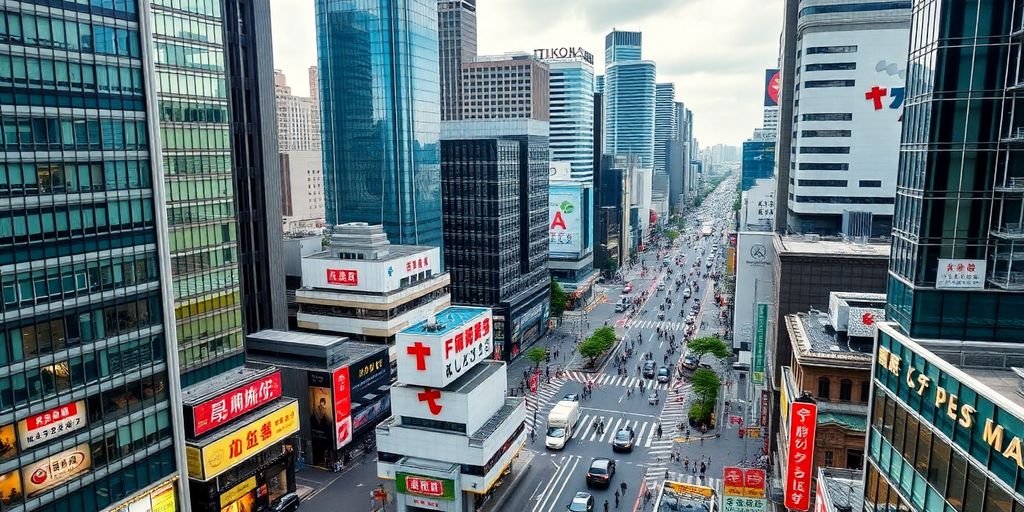
Tokyo's business landscape is far from monolithic. Instead of one central hub, the city boasts several distinct districts, each with its own character and specialisation. This makes understanding the nuances of each area essential for business travellers.
Marunouchi: The Financial Hub
Marunouchi is often considered the heart of Tokyo's financial world. Located conveniently near Tokyo Station, it's home to major banks, multinational corporations, and trading companies. The area exudes a sense of tradition and prestige, with well-maintained streets and impressive architecture. It's a great place to hold meetings if you want to project an image of stability and success.
Ginza: A Luxury Shopping Destination
Ginza is synonymous with high-end shopping and upscale dining. While primarily known for its luxury boutiques and department stores, Ginza has also become an increasingly attractive location for businesses seeking a prestigious address. The area's refined atmosphere and central location make it a desirable spot for companies that want to be associated with elegance and sophistication. You'll find plenty of serviced apartments in Tokyo here.
Shinjuku: The Entertainment Centre
Shinjuku is a vibrant and dynamic district, famous for its skyscrapers and bustling entertainment scene. Home to the world's busiest train station, it's a major transportation hub and a centre for government offices, hotels, and commercial establishments. Shinjuku's energy and accessibility make it a popular choice for businesses that want to be in the heart of the action. It's also a great place to unwind after a long day of meetings.
Choosing the right business district in Tokyo can significantly impact your trip's success. Consider your company's image, the nature of your business, and your personal preferences when making your decision. Each district offers a unique experience, so take the time to explore and find the one that best suits your needs.
Maximising Your Business Trip
So, you're heading to Tokyo for business? Ace! It's not just about attending meetings; it's about making the most of your time there. Here's how to really maximise your trip.
Preparing for Meetings
Preparation is absolutely key in Japanese business culture. Do your homework. Understand who you're meeting with, their company, and the context of your discussions. It's also a good idea to have all your documents translated into Japanese, just in case. This shows respect and that you've put in the effort. Also, make sure you have enough business cards – running out is a big no-no.
Adapting to Local Business Hours
Japanese business hours can be a bit different from what you're used to. While the standard is generally 9 to 5, expect longer days and a strong emphasis on punctuality. Arriving late, even by a few minutes, is considered disrespectful. Be prepared for meetings to start early and potentially run over. Also, be aware of lunch break customs:
- Many businesses close briefly during lunch.
- Weekends and holidays are usually observed.
- Late-night business entertainment is common, especially in districts like Shinjuku.
Building Relationships
Business in Japan is built on relationships. It's not just about the deal; it's about the people. Take the time to get to know your Japanese counterparts on a personal level. This might involve after-work dinners or drinks. Showing genuine interest in their culture and customs can go a long way. Remember, it's about building trust and rapport.
Building strong relationships is vital for long-term success in Japan. It's not just about closing the deal; it's about creating lasting partnerships based on mutual respect and understanding.
Transportation Options in Tokyo
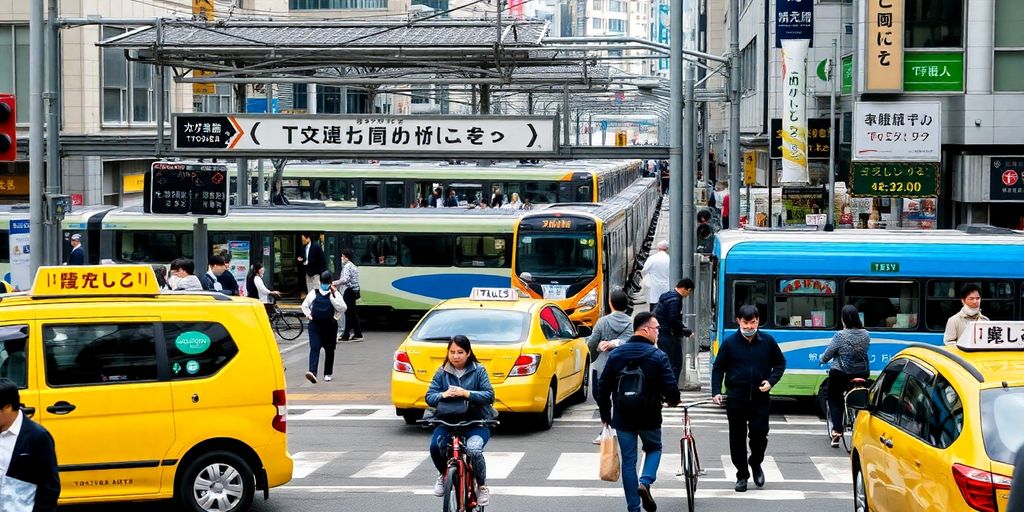
Getting around Tokyo can seem daunting at first, but the city boasts one of the most efficient and comprehensive transport systems in the world. It's actually pretty easy once you get the hang of it. Forget what you think you know about public transport delays – Tokyo's system is known for its punctuality. Let's break down your options:
Public Transport Efficiency
Tokyo's public transport is primarily based around its extensive train and subway network. This is usually the quickest and most cost-effective way to travel. The network is operated by several companies, including JR (Japan Railways) and various subway lines.
- Trains are frequent, clean, and generally very reliable.
- During peak hours, expect crowded carriages, but even then, the system runs smoothly.
- Consider purchasing a Suica or Pasmo card for easy, contactless payment across most lines. These cards are rechargeable and save you from buying individual tickets each time.
A little tip: Download a navigation app like Google Maps or Citymapper. They are invaluable for planning routes and checking real-time schedules. They'll tell you which lines to take, platform numbers, and even estimated costs. It makes a huge difference.
Taxis and Ride-Sharing
Taxis are readily available in Tokyo, but they can be quite expensive, especially for longer distances or during peak hours. Ride-sharing services like Uber are also available, but they aren't as widespread as in other major cities.
- Taxis are a good option if you're travelling with luggage or need to reach a specific location not easily accessible by train.
- Be aware that many taxi drivers may not speak English, so it's helpful to have your destination written down in Japanese.
- Ride-sharing apps can be useful, but expect to pay a premium compared to public transport.
Airport Transfers
Getting to and from Tokyo's airports (Narita and Haneda) is relatively straightforward, with several options available:
- Narita Express (N'EX): A direct train service from Narita Airport to major stations like Tokyo Station, Shinjuku, and Shibuya. It's comfortable and efficient, but a bit pricier.
- Limousine Bus: Airport buses offer a convenient door-to-door service to many hotels in Tokyo. They're a good option if you have a lot of luggage.
- Keisei Skyliner: Another train service from Narita, primarily serving Ueno Station. It's a faster and slightly cheaper alternative to the N'EX.
- Taxis: Available from both airports, but expect a hefty fare, especially from Narita, which is further from the city centre.
| Option | Cost (approx.) | Travel Time (approx.) | Notes |
|---|---|---|---|
| Narita Express | ¥3,000-¥4,000 | 60-90 minutes | Direct service to major stations. |
| Limousine Bus | ¥3,000-¥3,500 | 80-120 minutes | Door-to-door service to hotels. |
| Keisei Skyliner | ¥2,500 | 40-50 minutes | Primarily serves Ueno Station. |
| Taxi (Narita) | ¥20,000+ | 90-120 minutes | Very expensive. |
| Taxi (Haneda) | ¥8,000+ | 30-60 minutes | Still expensive, but closer to the city centre than Narita. |
Dining Etiquette for Business Meetings
Choosing the Right Venue
Selecting the right restaurant is more than just picking a place with good food; it's about understanding the context of the meeting. Is it a formal negotiation, or a more relaxed relationship-building exercise? For formal occasions, a high-end restaurant with private rooms is preferable. For something more casual, an izakaya (Japanese pub) might be suitable, but be mindful of the noise levels. Consider the dietary needs and preferences of your guests, and always book in advance. The location should also be convenient for everyone attending.
Understanding Japanese Cuisine
Japanese cuisine is incredibly diverse, ranging from sushi and tempura to ramen and kaiseki (a multi-course haute cuisine). It's a good idea to familiarise yourself with some basic dishes and ingredients. Knowing what you're ordering shows respect for the culture and avoids any awkward surprises. Be aware of common allergens and dietary restrictions. If you're unsure, ask your host for recommendations or choose a set menu. Don't be afraid to try new things, but also don't feel pressured to eat something you're genuinely uncomfortable with. Understanding Japanese business culture is key to a successful trip.
Proper Dining Conduct
Dining etiquette in Japan is quite different from Western norms. Here are a few key points:
- Chopsticks: Never stick your chopsticks upright in a bowl of rice, as this resembles a funeral ritual. Use the chopstick rest provided. Don't pass food directly from chopstick to chopstick; this is also a funeral custom. Instead, place the food on the other person's plate.
- Bowls: It's acceptable to lift bowls to your mouth when eating rice or soup. This makes it easier to eat and prevents spills.
- Drinks: Don't pour your own drink; instead, offer to pour for others and allow them to reciprocate. It's customary to say "Kanpai!" (Cheers!) before taking the first sip.
- Slurping: Slurping noodles is not only acceptable but also considered a sign that you're enjoying the meal. However, avoid loud chewing or talking with your mouth full.
Remember that silence is often valued in Japanese culture. Avoid dominating the conversation and allow for pauses. Listen attentively to your host and show genuine interest in what they have to say. This demonstrates respect and builds rapport.
Accommodations for Business Travellers
Finding the right place to stay can really make or break a business trip. Tokyo has loads of options, from fancy hotels to more practical serviced apartments. It's all about figuring out what suits your needs and budget.
Recommended Hotels
Tokyo has some amazing hotels that cater specifically to business travellers. These hotels often have business centres, meeting rooms, and high-speed internet access. You'll find everything from international chains to local gems. For example, you could check out HOTEL GROOVE SHINJUKU, A PARKROYAL Hotel, Hotel Century Southern Tower, and Keio Plaza Hotel Tokyo for convenient business accommodations.
Here are a few things to consider when choosing a hotel:
- Location: Is it close to your meetings or easily accessible by public transport?
- Amenities: Do you need a gym, pool, or specific business facilities?
- Budget: Hotel prices in Tokyo can vary widely, so set a budget beforehand.
Serviced Apartments
If you're staying in Tokyo for an extended period, a serviced apartment might be a better option than a hotel. These apartments offer more space and often include a kitchenette, allowing you to prepare some of your own meals. This can be a great way to save money and feel more at home. Plus, you often get access to services like cleaning and laundry.
Location Considerations
Location is super important when choosing accommodation in Tokyo. Think about where your meetings are and how easy it is to get around. Staying near a major train station can save you a lot of time and hassle. Some popular areas for business travellers include:
- Marunouchi: Close to the financial district.
- Shinjuku: A major transport hub with plenty of hotels and restaurants.
- Ginza: Upscale area with luxury hotels and shopping.
Choosing the right location can significantly impact your trip. Consider the proximity to your business engagements, access to public transport, and the overall atmosphere of the area. A well-chosen location can make your stay more efficient and enjoyable.
Wrapping Up Your Business Trip to Tokyo
So, there you have it. Tokyo is a fantastic place for business travel, but it does come with its own set of rules and customs. Being aware of the local etiquette can really help you make a good impression. Remember to be on time, respect the culture, and maybe learn a few Japanese phrases to break the ice. Don't forget to explore a bit when you can; the city has so much to offer beyond just meetings and conferences. With a bit of preparation, your trip can be both productive and enjoyable. Safe travels!
Frequently Asked Questions
What should I know about Japanese business culture before my trip?
Understanding Japanese business culture is very important. Key aspects include being on time, showing respect, and maintaining harmony in communication.
How can I navigate local customs in Tokyo?
Familiarise yourself with local customs by learning basic phrases in Japanese and understanding the importance of polite greetings and business card exchanges.
What are the best areas to conduct business in Tokyo?
Marunouchi is the main financial district, while Ginza is known for luxury shopping and Shinjuku is famous for entertainment. Each area offers unique opportunities for business.
What tips can help me maximise my business trip?
Prepare for meetings in advance, adapt to local business hours, and focus on building relationships with your Japanese counterparts.
What transport options are available in Tokyo?
Tokyo has an efficient public transport system, including trains and subways. Taxis and ride-sharing services are also available for convenience.
What dining etiquette should I follow during business meetings?
Choose a suitable restaurant, understand Japanese cuisine, and observe proper dining conduct, such as waiting for the host to start eating before you do.
Filed under
The Moveandstay editorial team writes about serviced living, workspaces, and city guides across Asia-Pacific.
Read next
Serviced Offices Surge in Popularity as Businesses Embrace Flexible Leasing
May 3, 2026
Hong Kong Serviced Apartment Market Buzzes with Sales and Investment Activity Amidst Shifting Valuations
May 3, 2026

ONYX Hospitality Group Elevates Shama Serviced Apartments with New Lifestyle Concept and Ambitious Expansion
Apr 26, 2026