
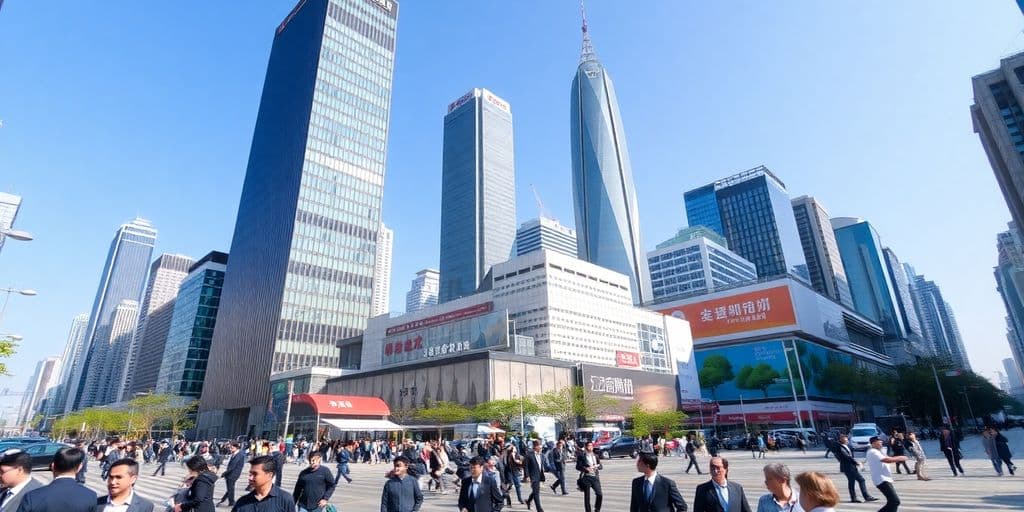
Shenzhen is a bustling hub for business, emerging from its humble beginnings as a fishing village to a thriving metropolis. If you're heading there for business travel, there's a lot to grasp. From the vibrant economy and key industries to the practicalities of getting around, this guide will help you navigate your trip smoothly while also soaking in the local culture. Whether you're a seasoned traveller or new to the scene, understanding Shenzhen's unique business environment is crucial for a successful visit.
Key Takeaways
- Shenzhen's economy is booming, offering numerous opportunities for business growth.
- Public transport is efficient, making it easy to get around the city.
- Choosing a hotel over Airbnb can simplify your stay, especially with language barriers.
- Building relationships is key in Chinese business culture, so network early.
- Try local dishes and understand dining etiquette to make a good impression.
Understanding The Business Landscape
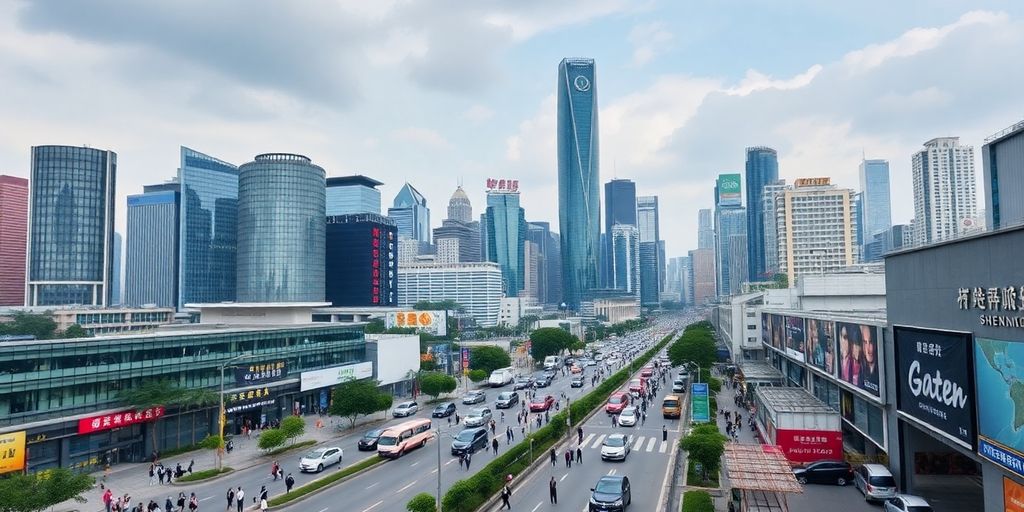
Shenzhen has transformed from a fishing village into a global tech and manufacturing hub in a remarkably short time. Understanding its business environment is key to success here. It's not just about knowing the rules, but also grasping the nuances of how things get done.
Economic Growth and Opportunities
Shenzhen's economic growth has been nothing short of phenomenal. It's a Special Economic Zone that has attracted massive foreign investment and fostered a culture of innovation. The city is a major player in global trade, and its GDP growth consistently outpaces many other regions. This rapid expansion creates a wealth of opportunities for businesses, but also intense competition. Keep an eye on emerging sectors and be ready to adapt quickly.
Key Industries in Shenzhen
Shenzhen is known for several key industries:
- Technology: Hardware, software, and telecommunications are huge here.
- Manufacturing: Shenzhen remains a major manufacturing centre, especially for electronics.
- Finance: The city's financial sector is growing rapidly, with a burgeoning stock exchange.
- Logistics: Its port is one of the busiest in the world, making logistics a vital industry.
These industries are interconnected, creating a dynamic ecosystem. For example, the office market is booming to accommodate all the new businesses.
Networking and Collaboration
Networking is absolutely vital in Shenzhen. Building relationships, or guanxi, is fundamental to doing business here.
- Attend industry events and trade shows.
- Join relevant business associations.
- Use social media platforms like WeChat to connect with potential partners.
Remember that building trust takes time. Be patient, respectful, and focus on creating mutually beneficial relationships. Don't expect to close deals overnight; it's about the long game.
Navigating Transportation Options
Getting around a new city for business can be a bit of a headache, but Shenzhen has a pretty decent system in place. From the metro to ride-hailing apps, there are several ways to get from A to B. Let's break down the options.
Public Transport System
The Shenzhen Metro is probably the most efficient way to travel, especially if you're trying to avoid traffic. It's clean, relatively easy to navigate (even if you don't speak Mandarin), and covers most of the key business districts. You can grab a Shenzhen Subway car at the airport to get started. The bus network is also extensive, but it can be a bit more challenging to figure out if you're not familiar with the routes.
- Metro: Efficient, covers most key areas.
- Buses: Extensive network, can be confusing.
- Shenzhen Tong Card: A rechargeable card for both metro and buses.
Car Hailing Services
Ride-hailing apps like Didi Chuxing are super popular. It's basically the Chinese version of Uber. However, you'll likely need a local phone number to register and use it. Your hotel concierge can usually help you arrange a taxi or even a private driver if you prefer something more traditional.
Getting a local SIM card might be a good idea if you plan on using Didi a lot. It will make things much easier. Otherwise, stick to taxis or ask your hotel for assistance.
Airport Transfers
Getting to and from Shenzhen Bao'an International Airport (SZX) is fairly straightforward. You can take the metro, a taxi, or arrange a private car. Some hotels also offer airport shuttle services. If you're coming from Hong Kong International Airport, there's even a ferry that goes directly to Shekou Ferry Terminal in Shenzhen. It runs every hour, and you can buy tickets at the airport. Consider a private SUV for faster immigration.
- Metro: Direct line to the airport.
- Taxi/Private Car: Convenient, but can be pricier.
- Ferry (from HK): A direct option from Hong Kong Airport to Shekou.
Choosing The Right Accommodation
Finding the right place to stay can really make or break a business trip. You want somewhere comfortable, convenient, and that helps you stay productive. Shenzhen has loads of options, so let's break it down.
Recommended Hotels for Business Travellers
Okay, so where should you actually stay? There are a few hotels that consistently get good reviews from business travellers. The InterContinental Shenzhen (OCT) is a popular choice, especially since it's in the OCT Creative District and often hosts Western business people. The Ritz-Carlton Shenzhen is another solid option, known for its high standards. For top-rated options, consider the InterContinental Hotels Shenzhen WECC and the Grand Mercure Shenzhen Guangming.
Airbnb vs Hotels
This is a classic debate, right? For business trips in Shenzhen, I'd lean towards hotels. Here's why:
- Reliability: Hotels generally offer a more consistent standard of service. You know what you're getting.
- Support: Bilingual staff can be a lifesaver if you don't speak Mandarin. They can help with everything from directions to booking taxis.
- Convenience: Many hotels are located near metro stations or in areas with good transport links. Plus, they often have business centres and other useful facilities.
I've heard some stories about Airbnb experiences in China being a bit hit-and-miss. The language barrier can be a real issue, and the quality can vary a lot. For a short business trip, it's often not worth the risk.
Location Considerations
Location, location, location! Think about where your meetings are and how you'll get around. Staying near a metro line is always a good idea. Futian District is a central business hub, so that's worth considering. Also, if you want to meet other tech workers, many hotels are located in big malls on top of a Train Station.
Here's a quick guide:
- Futian: Central business district, good for meetings.
- Nanshan: Tech hub, close to many tech companies.
- Luohu: Older district, good transport links, potentially more affordable options.
Cultural Etiquette and Business Practises
Building Personal Connections
It's a good idea to start building relationships before you even arrive. Doing so can really smooth things out when you're there. These connections can help with navigating bureaucracy and open doors to more opportunities. Think of it as laying the groundwork for successful business ventures.
- Use social media platforms like WeChat to connect with contacts.
- Engage in conversations beyond just business to build rapport.
- Show genuine interest in their culture and background.
Building trust takes time, so be patient and persistent in your efforts to connect with people on a personal level.
Understanding Business Hierarchies
Chinese business culture often has a clear hierarchy. Respect for seniority is key. Decisions are usually made from the top down, so it's important to know who the key decision-makers are and address them appropriately. It's also worth noting that age and experience are highly valued.
Communication Styles
Communication in China can be quite different from what you're used to. Direct confrontation is generally avoided. It's more common to communicate indirectly, so pay attention to non-verbal cues and read between the lines. Patience is important, and it's often better to ask clarifying questions than to assume you understand everything perfectly. Exchanging business cards is a must.
- Be mindful of your body language.
- Avoid overly direct criticism.
- Use respectful language and titles.
Dining and Entertainment Options
Shenzhen offers a huge range of dining and entertainment, from traditional Cantonese restaurants to modern bars and clubs. Figuring out where to go can be a bit overwhelming, but hopefully, this will help.
Local Cuisine to Try
When in Shenzhen, trying the local food is a must. You'll find Cantonese cuisine dominates, with fresh seafood being a real highlight. Dim sum is always a good shout for lunch, and there are loads of places offering it. Don't be afraid to try some of the street food either – just make sure it looks clean and freshly prepared. Some popular options include:
- Cantonese Dim Sum: A must-try for brunch or lunch.
- Seafood: Freshly caught and prepared in various styles.
- Street Food: Explore local snacks for a quick and tasty bite.
Business Dining Etiquette
Business meals are pretty common in Shenzhen, and there are a few things to keep in mind. The host usually chooses the restaurant and pays the bill. It's polite to let them order for everyone, but you can always suggest a dish if you have something in mind. Table manners are important – don't start eating until the host does, and avoid sticking your chopsticks straight up in your rice bowl. That's considered bad luck. Also, try to find a restaurant that suits the occasion; something not too loud, where you can have a proper conversation.
Business dining in Shenzhen is as much about building relationships as it is about the food. Be respectful, engage in conversation, and show genuine interest in your colleagues or clients.
After-Work Activities
After a long day of meetings, you might want to unwind a bit. Shenzhen has plenty to offer in terms of after-work activities. There are bars and clubs in areas like Coco Park and Sea World, if you're after something lively. If you prefer something more relaxed, you could check out a tea house or a spa. Or, if you're feeling creative, the OCT-Loft Creative Park has some interesting art galleries and cafes. Here are a few ideas:
- Bars and Clubs: Coco Park and Sea World are popular spots.
- Tea Houses: Relax and enjoy traditional Chinese tea.
- OCT-Loft Creative Park: Explore art galleries and cafes.
Staying Connected During Your Trip
It's super important to stay connected when you're travelling for business, especially in a city as dynamic as Shenzhen. Here's how to make sure you're always online and in touch.
Internet Access and VPNs
Okay, so here's the deal: internet access in China can be a bit different from what you're used to. Some websites and apps you use regularly might be blocked, so getting a Virtual Private Network (VPN) is pretty much essential.
- Download and set up your VPN before you arrive. Trust me, it's way easier than trying to do it once you're already there.
- Free Wi-Fi is available in many hotels, cafes, and public spaces, but the speed and reliability can vary.
- Consider getting a local SIM card with a data plan as a backup. It can be a lifesaver if the Wi-Fi is patchy.
Using a VPN will allow you to access blocked content, but it also adds a layer of security to your internet connection, which is always a good idea when using public Wi-Fi.
Mobile Communication
Staying in touch with your team and clients is key. Here's what you need to know about mobile communication in Shenzhen:
- Check if your current mobile plan includes international roaming. If it does, make sure you understand the charges.
- Buying a local SIM card is often the most cost-effective option for calls and data. You can get one at the airport or from mobile phone shops around the city.
- WhatsApp, WeChat, and email are all widely used for communication. Make sure you have these apps installed on your phone.
Staying in Touch with Colleagues
Communication is key, especially when you're working across different time zones and locations. Here are some tips for staying connected with your colleagues:
- Set up regular check-in calls or video conferences to keep everyone updated on your progress.
- Use project management tools like Trello or Asana to track tasks and deadlines.
- Be mindful of the time difference when scheduling meetings and sending emails. Nobody likes getting a message at 3 AM!
Consider centrally located accommodations for easy access to transportation and connectivity options.
Preparing for Your Business Trip
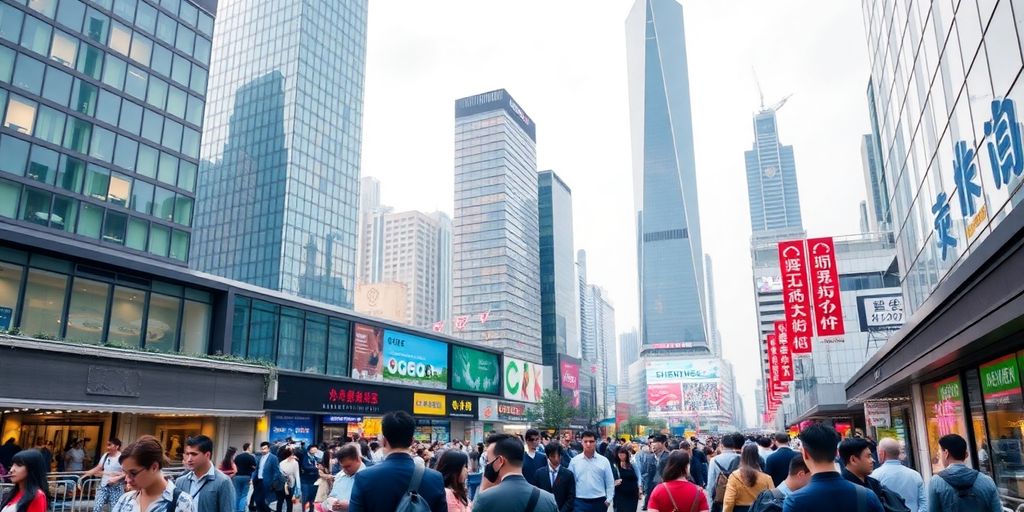
Essential Documents and Visas
Right, let's get the boring but vital stuff out of the way first. Make sure your passport is valid for at least six months beyond your planned stay. Getting a visa for China can be a bit of a faff, so start the process well in advance. Depending on your nationality and the purpose of your trip, you'll need to apply for the correct type of visa. Usually, a business visa (M visa) is what you're after. Check the latest requirements on the Chinese embassy or consulate website in your country. Don't leave it to the last minute!
- Passport (valid for at least six months)
- Visa (M visa typically for business)
- Flight tickets (printed or digital copies)
- Hotel booking confirmation
It's also a good idea to have copies of all your important documents stored separately, both physically and digitally. Email them to yourself, store them in a cloud service, and give a copy to someone you trust back home. Better safe than sorry, eh?
Packing Tips for Shenzhen
Shenzhen's weather can be a bit unpredictable, so pack accordingly. Layers are your friend! Even in the summer, air conditioning can be fierce indoors. For business meetings, smart casual is generally acceptable, but it's always best to err on the side of caution and pack a suit or two. Comfortable shoes are a must, as you'll likely be doing a fair bit of walking. Don't forget a universal adapter for your electronics, as China uses a different plug socket. Also, consider packing some over-the-counter medications, as familiar brands might not be readily available. You'll want to pack appropriate clothing for the weather.
- Lightweight, breathable clothing
- A light jacket or sweater for air-conditioned spaces
- Comfortable walking shoes
- Universal adapter
Health and Safety Considerations
Before you go, check with your doctor about any recommended vaccinations or health precautions for China. It's also a good idea to get travel insurance that covers medical expenses and repatriation. Tap water isn't safe to drink, so stick to bottled water. Be aware of your surroundings and take precautions against petty theft, especially in crowded areas. Familiarise yourself with the local emergency numbers. While Shenzhen is generally a safe city, it's always wise to be vigilant. Also, make sure you have a good VPN service for internet access.
- Consult your doctor about vaccinations
- Purchase comprehensive travel insurance
- Drink bottled water only
- Be aware of your surroundings
Wrapping Up Your Shenzhen Business Trip
So, there you have it. Shenzhen is a bustling hub for business, and if you’re heading there, a bit of prep goes a long way. Make sure you sort out your accommodation early, preferably a hotel where you can get by with English. The public transport is pretty good, but don’t rely too much on ride-hailing apps unless you’re comfortable with the language barrier. Also, try to connect with locals before you arrive; it’ll make things smoother. And don’t forget to enjoy the local culture while you’re there—grab some dim sum or check out the tech scene. With the right mindset and a bit of planning, your trip can be both productive and enjoyable. Safe travels!
Frequently Asked Questions
What makes Shenzhen a good place for business?
Shenzhen has grown rapidly since it became a special Economic Zone in 1979. It is friendly to new businesses and has many opportunities, especially in technology.
How can I get around in Shenzhen?
Shenzhen has a great public transport system, including buses and a metro. You can also use car-hailing apps like Didi, but it might be tricky if you don't speak Mandarin.
What type of accommodation should I choose?
For business trips, hotels are usually better than Airbnb. Hotels offer more comfort and support, especially if they have English-speaking staff.
What should I know about business etiquette in Shenzhen?
Building personal relationships is important in business. Understanding the local hierarchy and communication styles can help you succeed.
What local dishes should I try while in Shenzhen?
Shenzhen has a variety of delicious food. Be sure to try dim sum and other local dishes, as they are part of the culture.
How can I stay connected during my trip?
Make sure to have a good VPN for internet access. You can also get a local SIM card for your phone to stay in touch with colleagues.
Filed under
The Moveandstay editorial team writes about serviced living, workspaces, and city guides across Asia-Pacific.
Read next
Serviced Offices Surge in Popularity as Businesses Embrace Flexible Leasing
May 3, 2026
Hong Kong Serviced Apartment Market Buzzes with Sales and Investment Activity Amidst Shifting Valuations
May 3, 2026

ONYX Hospitality Group Elevates Shama Serviced Apartments with New Lifestyle Concept and Ambitious Expansion
Apr 26, 2026