
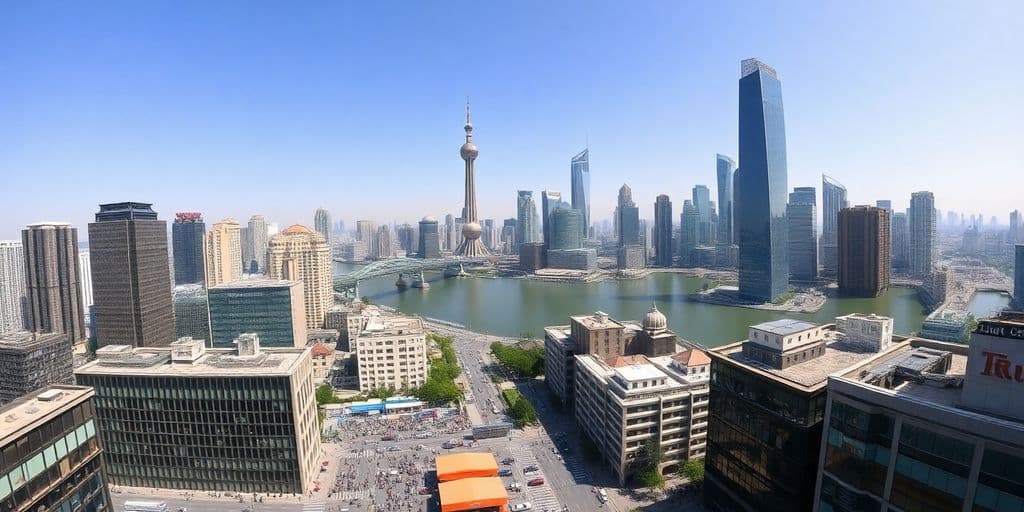
If you're heading to Shanghai for business, there's a lot to get your head around. This vibrant city, known for its mix of tradition and modernity, is a key player in the global business scene. To make the most of your trip, it's wise to brush up on local customs, transport options, and safety tips. Whether you're a first-timer or a seasoned traveller, knowing what to expect can really help smooth the way for your business travel in Shanghai.
Key Takeaways
- Understand local customs to build good relationships.
- Get the right visa before you arrive.
- Use public transport to navigate the city easily.
- Be punctual and respectful in business meetings.
- Stay alert to safety and avoid common scams.
Essential Information for Business Travellers
Planning a business trip to Shanghai? It's more than just booking a flight. You need to get your head around a few things to make sure everything goes smoothly. From understanding the local customs to sorting out your visa, a bit of prep goes a long way.
Understanding Local Customs
Shanghai is a vibrant, modern city, but it's still China. That means understanding some basic cultural differences is key. For example, 'face' is really important. This means avoiding causing embarrassment to anyone, either publicly or privately. Direct criticism is a no-no. Building relationships takes time, so don't expect to seal a deal after one meeting. Patience is a virtue, as they say. Also, be aware of personal space – it's generally less than what you might be used to.
Visa Requirements
Right, let's talk visas. Unless you're from a country with a visa-free agreement (and those are pretty limited), you'll need a visa to enter China. The type of visa you need depends on the purpose of your visit. For business, you'll likely need an M visa. Make sure you apply well in advance – don't leave it to the last minute! The application process can take time, and you don't want to be scrambling at the eleventh hour. Check the visa requirements for your nationality before you book anything.
Local Currency and Payments
The local currency is the Renminbi (RMB), also known as Yuan (¥). While credit cards are accepted in some places, especially larger hotels and restaurants, cash is still king. However, mobile payments are becoming increasingly popular. Apps like Alipay and WeChat Pay are used everywhere. It might be worth setting one of these up if you can, but it can be tricky for foreigners. Here's a quick rundown of the exchange rates (as of today, 20/04/2025):
| Currency | Exchange Rate (to 1 RMB) |
|---|---|
| GBP | Approximately 9.00 |
| USD | Approximately 7.00 |
| EUR | Approximately 7.60 |
Don't forget to tell your bank you're travelling! Otherwise, they might block your card due to suspicious activity. It's a simple thing, but it can save you a lot of hassle.
Navigating Shanghai's Transportation System
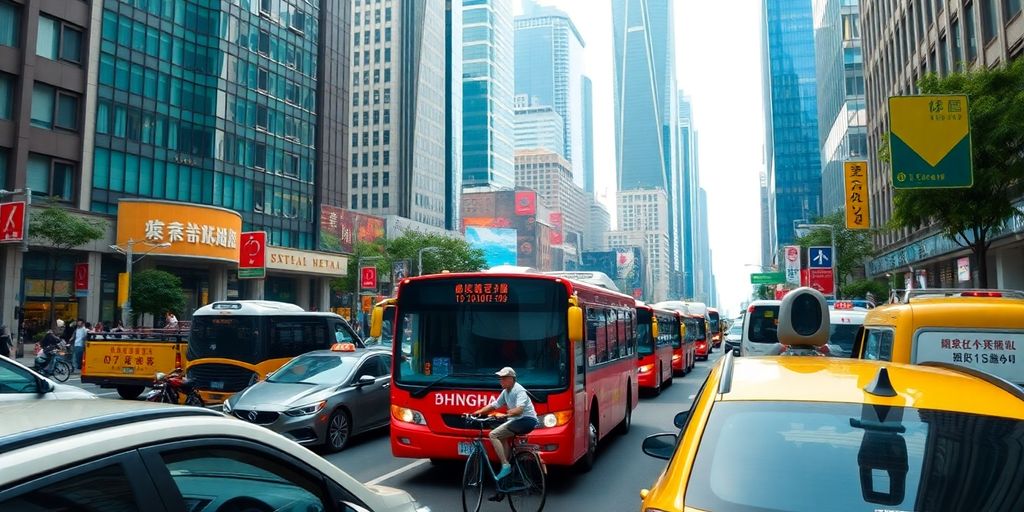
Getting around a new city can be daunting, but Shanghai boasts a pretty comprehensive transport network. From the super-efficient metro to ride-sharing apps, you've got options. Here's a breakdown to help you get around with ease.
Public Transport Options
Shanghai's public transport is generally reliable and affordable. The Shanghai Metro is a great way to avoid traffic, with an extensive network covering most of the city. It's clean, efficient and easy to use, with signs in both Chinese and English. A Shanghai Public Transportation Card (Jiaotong Yikatong) can be a good investment, allowing you to pay for the metro, buses and even some taxis with one card.
- Metro: Extensive network, affordable, and efficient.
- Buses: Numerous routes covering most areas, but can be affected by traffic.
- Shanghai Public Transportation Card: Rechargeable card for multiple transport options.
Ride-Sharing Services
Ride-sharing apps like Didi Chuxing are popular in Shanghai. They offer a convenient way to get around, especially if you're not near a metro station or bus stop. It's worth noting that while most drivers are legitimate, it's always a good idea to double-check the car and driver details match the app before getting in.
Taxi Services
Taxis are readily available in Shanghai, but can be more expensive than public transport, especially during peak hours. Most taxi drivers don't speak English, so it's helpful to have your destination written in Chinese characters or show it on a map. Metered taxis are the norm, but it's always a good idea to confirm the driver is using the metre before you set off.
Traffic in Shanghai can be heavy, especially during rush hour. Allow extra time for your journey, particularly if you have important meetings or appointments. Consider using a combination of transport options to find the quickest route.
Cultural Etiquette in Business Meetings
Right, so you're heading to Shanghai for business? Ace! But before you jump in, it's worth getting your head around the cultural side of things, especially when it comes to meetings. It can make or break a deal, honestly.
Punctuality and Respect
Punctuality is massive. Being on time (or even a bit early) shows you respect their time. Imagine turning up late – not a great start, is it? It's seen as a sign of reliability. Also, remember hierarchy is key. Address people by their titles and show deference to those more senior. It's just good manners, really. When you receive a business card, take a moment to look at it carefully before putting it away, as this shows respect for the other person. It's all about showing you value them and their position.
Communication Styles
Directness? Maybe tone it down a bit. Chinese business culture often favours a more indirect and diplomatic approach. Building rapport is super important, so focus on being polite and respectful. Don't be too assertive, it might not go down well. Also, be patient. Negotiations can take time, and they might use delaying tactics. Don't get frustrated; it's all part of the process. Understanding Chinese business culture is essential for successful interactions.
Gift-Giving Practises
Gift-giving is a common thing, but you need to be a bit careful. It's a way of showing goodwill and strengthening relationships. But don't go overboard with expensive gifts. And definitely avoid clocks – they're considered bad luck. It's the thought that counts, really.
Remember, building guanxi (relationships) is vital. Face-to-face meetings, dinners, and social outings are all part of building trust. It's not just about the business; it's about getting to know people.
Here's a quick guide to gift-giving:
- Do: Present gifts with both hands.
- Don't: Give overly expensive items.
- Do: Wrap gifts nicely.
- Don't: Give clocks or sharp objects.
- Do: Accept gifts graciously, even if you initially decline (it's polite to refuse once or twice before accepting).
Accommodation Choices for Business Trips
Finding the right place to stay can really make or break a business trip. You want somewhere comfortable, convenient, and that fits your budget. Shanghai has loads of options, so let's look at a few.
Serviced Apartments
Serviced apartments are a great shout if you're staying for more than a few days. They give you more space and often include a kitchen and laundry facilities, which can be a lifesaver. It's like having your own little flat in the city. Plus, they usually come with services like cleaning and sometimes even a concierge. You can find business hotels in China that offer similar amenities, but serviced apartments often feel more homely.
Hotels in Business Districts
Hotels are still a solid choice, especially if you prefer having everything taken care of. The main business districts like Pudong and Jing'an have loads of hotels ranging from budget-friendly to super luxurious. Staying in these areas means you're close to meetings, restaurants, and transport links. Many hotels also offer business facilities like meeting rooms and printing services. It's worth checking out reviews to see which ones cater well to business travellers.
Long-Term Stay Options
If you're in Shanghai for a longer project, you might want to consider something more permanent than a hotel or serviced apartment. This could include renting an apartment directly. While this gives you the most flexibility and space, it also means dealing with leases and setting up utilities. Another option is extended-stay hotels, which offer a blend of hotel services and apartment-style living.
Choosing the right accommodation really depends on the length of your stay, your budget, and what's important to you in terms of comfort and convenience. Think about what you need to make your trip productive and enjoyable.
Safety Tips for Business Travellers
Shanghai is generally a safe city, but it's always best to be prepared. Like any major metropolis, it has its share of petty crime and scams. Being aware and taking a few simple precautions can make your trip much smoother.
General Safety Precautions
- Be aware of your surroundings, especially in crowded areas. Pickpockets operate in tourist hotspots and busy shopping streets. Keep your belongings close and avoid displaying expensive items.
- Avoid walking alone at night in poorly lit or unfamiliar areas. Stick to well-lit, populated streets whenever possible.
- Use reputable transportation services. Official taxis are generally safe, but be wary of unlicensed cabs. Ride-sharing apps like Didi Chuxing are also a good option, but always double-check the driver's details before getting in.
- Be cautious when using public Wi-Fi networks. Avoid accessing sensitive information, such as banking details, on unsecured networks. Consider using a VPN for added security.
Avoiding Common Scams
There are a few common scams that target tourists and business travellers in Shanghai. Being aware of these can help you avoid falling victim.
- The "tea ceremony" scam: You might be approached by friendly locals who invite you to a traditional tea ceremony. The prices are often inflated, and you could end up with a hefty bill. Politely decline such invitations from strangers.
- The "art student" scam: Similar to the tea ceremony scam, you might be approached by someone claiming to be an art student who wants to show you their work. They'll take you to a gallery where you'll be pressured to buy overpriced paintings. It's best to avoid these situations altogether.
- Counterfeit goods: Be wary of buying designer goods from street vendors or small shops. They are likely to be fake. Stick to reputable stores for genuine products. If you are a victim of scams in China, report it to the police.
It's a good idea to learn a few basic Mandarin phrases. Even a simple "hello" (nǐ hǎo) and "thank you" (xièxiè) can go a long way. It shows respect and can help you navigate everyday situations.
Emergency Contacts
In case of an emergency, it's important to know who to contact. Here are some useful numbers:
- Police: 110
- Fire: 119
- Ambulance: 120
- Consulate: Know the number for your country's consulate. It's a good idea to register with your embassy before you travel, so they can assist you in case of an emergency.
It's also a good idea to have a copy of your passport and visa stored separately from the originals. This can be helpful if your documents are lost or stolen. Remember to maximise traveller wellbeing by staying safe.
Must-Visit Locations for Business Travellers
Shanghai isn't all work and no play, even on a business trip. There are some spots you really should try to squeeze into your schedule. They offer a glimpse into the city's culture and history, and can be a great way to unwind after a long day of meetings.
The Bund
The Bund is a must-see, offering iconic views of Shanghai's skyline. It's a great place for a stroll, especially in the evening when the buildings are lit up. You can see the colonial architecture on one side and the modern skyscrapers of Pudong on the other. It's a real contrast and gives you a sense of Shanghai's history and its present.
Shanghai World Financial Centre
If you're not afraid of heights, the Shanghai World Financial Centre is worth a visit. The observation deck gives you panoramic views of the city. It's an impressive sight, and a good way to get your bearings. Plus, it's a good conversation starter when you get back home. You can see the city's skyline from up there.
Yu Garden
Yu Garden provides a tranquil escape from the city's hustle and bustle. It's a classical Chinese garden with beautiful landscaping, traditional architecture, and peaceful ponds. It's a good place to wander around and clear your head. Plus, it's right next to the City God Temple Market, so you can combine the two visits.
Taking some time to explore these locations can provide a much-needed break from the intensity of business travel. It's a chance to experience the local culture and create some lasting memories of your trip.
Here are some things to consider when planning your visits:
- Time of Day: The Bund is best visited in the evening, while Yu Garden is pleasant any time of day.
- Transportation: All three locations are easily accessible by public transport or taxi.
- Crowds: Be prepared for crowds, especially during peak tourist seasons and weekends.
Best Times for Business Travel in Shanghai

Seasonal Weather Considerations
Shanghai's weather can be quite variable, so picking the right time to visit is important. Spring (March-May) and Autumn (September-November) are generally considered the best times, offering pleasant temperatures and lower rainfall. Summer (June-August) can be hot and humid, while winter (December-February) can be cold and damp. Consider the weather forecast when planning your trip.
Avoiding Peak Tourist Seasons
Shanghai gets very busy during certain times of the year, particularly during Chinese public holidays like Golden Week (early October) and Chinese New Year (late January/early February). During these periods, expect higher prices for flights and accommodation, as well as larger crowds at tourist attractions. If possible, try to schedule your business trip outside these peak seasons to book hotels in advance and ensure a smoother experience.
Local Events and Conferences
Shanghai hosts numerous international conferences and trade shows throughout the year. Attending one of these events can be a great way to network and do business, but it's important to book your travel and accommodation well in advance, as these events can attract large numbers of visitors. Check the local events calendar to see if there are any relevant conferences coinciding with your planned trip. Also, be aware that major events can impact traffic and availability of services.
Planning your business trip around specific events can be beneficial, but always factor in the potential for increased costs and congestion. Consider the trade-offs between networking opportunities and the potential for a more stressful travel experience.
Final Thoughts on Business Travel in Shanghai
In summary, business travel to Shanghai can be a rewarding experience if you prepare well. The city is a vibrant mix of tradition and modernity, making it an exciting place to work. Remember to respect local customs, especially when it comes to meetings and communication. Learning a few Mandarin phrases can go a long way, too. With a solid plan for transport and accommodation, you can make the most of your time there. So, whether you're visiting for a quick meeting or a longer stay, keep these tips in mind to ensure a smooth trip. Safe travels!
Frequently Asked Questions
What is the best time to travel to Shanghai for business?
The ideal times for business travel to Shanghai are during spring (March to May) and autumn (September to November). The weather is usually nice, and there are fewer tourists.
Are there language barriers in Shanghai?
While many people in business areas and hotels speak English, it can be useful to learn some basic Mandarin phrases to help with communication.
What should I know about business etiquette in Shanghai?
In Shanghai, being on time is very important. Showing respect and being polite is essential. It’s also good to be prepared and show interest in your Chinese business partners.
What are some key places to visit for business in Shanghai?
Important places for business travellers include The Bund, the Shanghai World Financial Centre, and Yu Garden.
How can I have a successful business trip to Shanghai?
To ensure a smooth trip, plan your schedule well, book your flights and hotels in advance, and learn about local customs and etiquette.
Is Shanghai a safe city for business travellers?
Shanghai is generally safe, but it’s wise to stay aware of your surroundings, especially in busy areas, and avoid walking alone at night.
Filed under
The Moveandstay editorial team writes about serviced living, workspaces, and city guides across Asia-Pacific.
Read next

Serviced Offices Surge in Popularity as Businesses Embrace Flexible Leasing
May 3, 2026

Hong Kong Serviced Apartment Market Buzzes with Sales and Investment Activity Amidst Shifting Valuations
May 3, 2026

ONYX Hospitality Group Elevates Shama Serviced Apartments with New Lifestyle Concept and Ambitious Expansion
Apr 26, 2026