
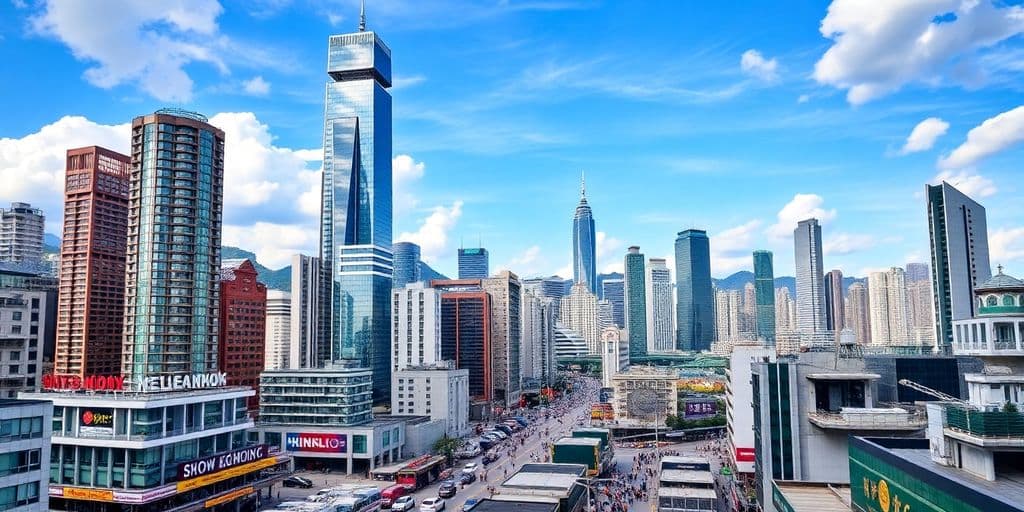
If you're planning business travel in Hong Kong, there's a lot to consider. From visa requirements to accommodation and transport options, being prepared can make your trip much smoother. This guide will help you navigate the essentials for a successful business visit to this vibrant city.
Key Takeaways
- Check visa requirements based on your nationality before travelling.
- Utilise Hong Kong's efficient public transport system for easy navigation.
- Consider co-working spaces for a flexible work environment during your stay.
- Be aware of local business etiquette to foster good relationships.
- Ensure you have travel insurance for peace of mind while abroad.
Understanding Visa Requirements for Business Travel
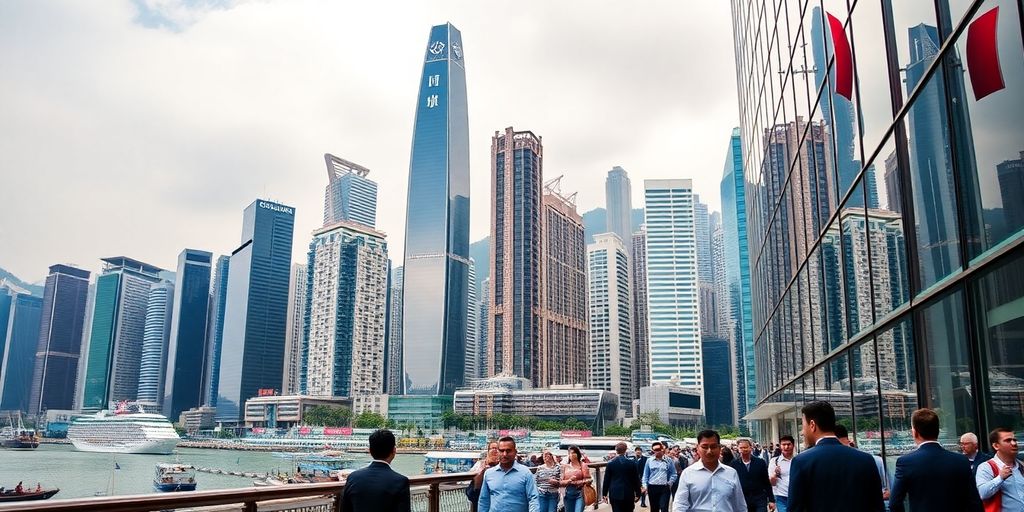
Planning a business trip to Hong Kong? Sorting out the visa situation is the first hurdle. It might seem a bit daunting, but getting your head around the requirements early on will save you a load of hassle later. Let's break it down.
Visitor Visa Application Process
If you're from a country that does require a visa, you'll need to apply for a visitor visa. Generally, you can do this at the nearest Chinese consulate in your home country, or directly with the Hong Kong Immigration Department (HKID) by post. For those of us coming from Mainland China, things are a bit different. You'll need to get the right entry permits and exit endorsements from the Mainland authorities before you travel. If you're on a group tour, an authorised travel agent can usually sort this out for you. Some residents from certain provinces can even apply directly to visit Hong Kong under the Individual Visit Scheme. There's also a transit option: if you're travelling through Hong Kong to another country, you might be able to get a seven-day stay without a visa, provided you meet the usual immigration requirements, like having a valid visa for your final destination and a confirmed onward booking. Remember, everyone needs to show they've got enough funds to cover their stay and a return ticket.
Visa Waiver and Exemptions
Good news! Loads of countries have visa waiver agreements with Hong Kong, meaning you can visit for a short period without needing a visa. The length of your permitted stay depends on your nationality. For example:
| Country | Period of stay in days |
|---|---|
| Australia | 90 |
| Belgium | 90 |
| Canada | 90 |
| United Kingdom | 180 |
| United States | 90 |
| India | 14 (subject to pre-arrival registration) |
Make sure you check the updated list from the HKID to see if your country is on the list and how long you can stay. It's always better to be safe than sorry!
It's worth noting that even if you don't need a visa, you'll still need to meet basic immigration requirements, like having a valid passport, a return ticket, and enough money to support yourself during your stay. They might also ask about the purpose of your visit, so be prepared to explain your business activities.
Non-Visitor Visa Options
If you're planning to do more than just visit – say, you want to work, study, or set up a business – you'll need a different type of visa. There are several options available, depending on your situation:
- Training
- Employment
- Employment (investment)
- Quality migrant
- Top talent
- Technology talent
- Dependent
Each of these visas has its own eligibility criteria, so have a look at the Immigration Department's website to see which one fits your needs. And remember, these guidelines might be different for Mainland China nationals, so double-check the specific requirements.
Navigating Hong Kong's Immigration Procedures
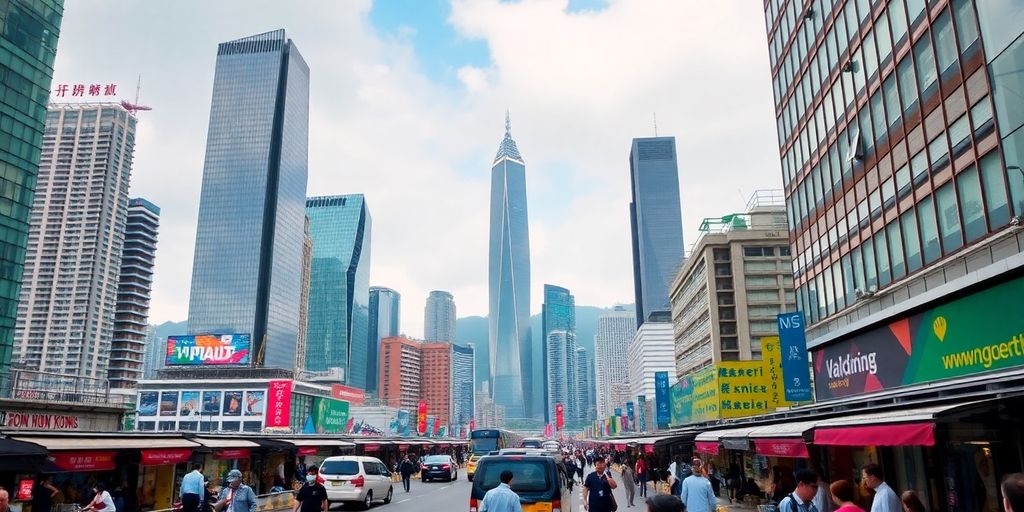
Hong Kong's immigration system is generally efficient, but it's still important to be prepared. Knowing the ins and outs can save you time and hassle. Understanding the requirements beforehand is key for a smooth entry.
Entry Requirements for Business Travellers
For most business travellers, the primary requirement is a valid passport. Many nationalities can enter Hong Kong without a visa for short business trips, but it's always best to check the latest visa requirements based on your citizenship. Make sure your passport has enough validity remaining – usually at least six months beyond your intended stay. You'll also need to show that you have sufficient funds to cover your expenses while you're here and a return ticket or onward travel arrangements.
- Valid passport with sufficient remaining validity.
- Proof of sufficient funds.
- Confirmed onward or return travel arrangements.
E-Channel Services for Frequent Visitors
If you're a frequent visitor to Hong Kong, you might be eligible for the e-Channel service. This allows you to use automated self-service kiosks for immigration clearance, which can save you a lot of time, especially during peak hours. To be eligible, you generally need to be over 18 and hold a valid travel document. There are a few ways to qualify:
- Hold a HKSAR Travel Pass.
- Possess an APEC Business Travel Card with 'HKG' printed on the back.
- Have a Frequent Flyer Programme membership card from participating airlines.
Customs Regulations and Procedures
Hong Kong has fairly straightforward customs regulations. You're generally allowed to bring in personal belongings without paying duty. However, there are restrictions on certain items, such as tobacco and alcohol. Be aware of the limits to avoid any issues. It's also important to declare any items that might be subject to duty or restrictions. The Hong Kong government has a website with detailed information on customs regulations.
It's always a good idea to check the latest regulations before you travel, as they can change. Being informed can prevent delays and ensure a smooth passage through customs.
Choosing Accommodation for Business Trips
Finding the right place to stay can really make or break a business trip. You want somewhere that's convenient, comfortable, and fits your budget. Hong Kong has loads of options, so it's worth doing a bit of research before you book.
Types of Accommodation Available
From swanky hotels to serviced apartments, Hong Kong has it all. Hotels are great if you want all the amenities like room service and a concierge. Serviced apartments, on the other hand, often come with a kitchenette and more space, which can be handy if you're staying longer. There are also budget-friendly options like guesthouses and hostels, but these might not be ideal for business travellers who need peace and quiet or specific facilities. Consider what's most important to you – location, price, or amenities – and then narrow down your search. You can find top business hotels that offer convenient accommodations.
Long-Term vs Short-Term Stays
If you're only in Hong Kong for a few days, a hotel is probably the easiest option. But if you're staying for a week or more, a serviced apartment might work out better. They often offer weekly or monthly rates that are more cost-effective than hotels. Plus, having your own cooking facilities can save you money on meals. Think about how long you'll be there and what kind of facilities you'll need to decide which is the best option.
Recommended Areas for Business Travellers
Location, location, location! It really matters. Central is a popular choice because it's close to the business district and has great transport links. However, it can be pricey. Areas like Wan Chai and Causeway Bay are also good options, offering a mix of business and leisure facilities. Kowloon, on the other hand, is a bit further out but often has more affordable accommodation. Consider where your meetings will be and how easy it is to get around before you make your decision.
Choosing the right accommodation is about more than just finding a bed for the night. It's about creating a comfortable and productive base for your business activities. Think about what you need to work effectively, relax, and make the most of your time in Hong Kong.
Here's a quick comparison table:
| Accommodation Type | Pros | Cons |
|---|---|---|
| Hotels | Convenient, full amenities, easy booking | Can be expensive, less space |
| Serviced Apartments | More space, cooking facilities, cost-effective for longer stays | Fewer amenities than hotels, can feel less personal |
| Guesthouses/Hostels | Budget-friendly | Basic facilities, may not be suitable for business needs |
Ultimately, the best accommodation depends on your individual needs and preferences. Take the time to weigh up your options and choose somewhere that will help you have a successful and enjoyable business trip.
Transportation Options in Hong Kong
Getting around Hong Kong is generally pretty easy, thanks to its comprehensive and efficient transport network. Whether you're heading to a meeting or exploring the city after work, you've got plenty of choices.
Public Transport Systems
Hong Kong boasts a world-class public transport system. The MTR (Mass Transit Railway) is usually the quickest way to travel across the city. It's clean, reliable and covers most major areas. Then there are buses, which reach almost every corner of Hong Kong, though they can be slower during peak hours due to traffic. Don't forget the iconic trams on Hong Kong Island – a cheap and scenic way to travel through the northern corridor. Finally, there are ferries for getting to the outlying islands or across the harbour. In 2023, the public transport system facilitated 11.5 million passenger journeys daily.
Here's a quick rundown:
- MTR: Fast and efficient for major routes.
- Buses: Extensive network, but traffic can be a problem.
- Trams: A slow but charming option on Hong Kong Island.
- Ferries: Essential for island hopping and harbour crossings.
Using an Octopus card is a must. It's a rechargeable card that works on almost all forms of public transport, making payments quick and easy. You can buy one at any MTR station.
Taxi Services and Ride-Sharing
Taxis are readily available in Hong Kong, and they're a decent option if you're in a hurry or have lots of luggage. They're relatively affordable compared to many other major cities. Ride-sharing apps like Uber also operate here, offering another convenient way to get around. Just be aware that during peak hours or in bad weather, it can be difficult to find a taxi or ride-share.
Things to keep in mind:
- Taxis are generally easy to find, except during rush hour or when it's raining.
- Uber is available, providing an alternative to traditional taxis.
- Make sure the taxi driver uses the metre.
Airport Transfers and Logistics
Getting to and from Hong Kong International Airport (HKG) is straightforward. The Airport Express train is the fastest option, whisking you to Central in about 24 minutes. Airport buses are a cheaper alternative, though the journey takes longer. Taxis are also available, but they can be quite expensive, especially if you're travelling during peak hours. Many hotels offer airport shuttle services, so it's worth checking if that's an option.
Consider these options for airport transfers:
- Airport Express: The quickest way to Central.
- Airport Buses: A more budget-friendly option.
- Taxis: Convenient but can be pricey.
- Hotel Shuttles: Check if your hotel offers this service.
Cultural Considerations for Business Interactions
Hong Kong is a fascinating place where East meets West, and this is especially true in the business world. It's not just about knowing the language; it's about understanding the unspoken rules and customs that can make or break a deal. Let's get into it.
Business Etiquette and Practises
When you're doing business in Hong Kong, remember that first impressions really matter. Showing respect is key, and that often starts with how you address people. Use titles like 'Mr.', 'Ms.', or 'Dr.' followed by their surname unless they specifically invite you to use their first name. Business cards are like gold dust – treat them with respect. Present yours with both hands and receive others the same way, taking a moment to actually look at the card before putting it away. Don't just shove it in your back pocket!
Here are a few things to keep in mind:
- Punctuality is valued. Being on time shows you respect their time.
- Dress smartly. Business attire is generally conservative.
- Gift-giving is common, but be mindful of the symbolism. Avoid giving clocks (it sounds like 'end' in Cantonese) or anything in sets of four (associated with death).
It's worth remembering that building relationships takes time. Don't rush into business discussions straight away. Spend some time getting to know your counterparts and building trust. This can involve sharing meals or attending social events together.
Language and Communication Tips
While English is widely spoken in Hong Kong, knowing a few basic Cantonese phrases can go a long way. Even just saying 'hello' (nei hou) or 'thank you' (do je) will be appreciated. When communicating, be mindful of your tone and body language. Direct confrontation is generally avoided, so try to be diplomatic and find ways to express disagreement politely. It's often better to imply rather than directly say 'no'. Also, be aware of business culture and how it affects communication.
Understanding Local Customs
Hong Kong has a unique blend of Chinese and Western customs, and it pays to be aware of them. For example, feng shui (geomancy) is taken seriously by many businesses, so don't be surprised if you see buildings or offices designed according to its principles. Also, be aware of cultural sensitivities surrounding topics like politics and religion. It's generally best to avoid these subjects unless you know your counterparts well. When dining, remember that the host usually pays, and it's polite to let them order the dishes. Don't start eating until the host invites you to do so. Understanding these local customs can really help you build rapport and show that you're making an effort to understand their culture.
Here's a quick rundown of some common customs:
- Be aware of feng shui principles.
- Avoid sensitive topics in initial conversations.
- Let the host lead during meals.
Essential Business Facilities and Services
Hong Kong is a hub for international business, and as such, it provides a wide array of facilities and services tailored to meet the needs of business travellers. From well-equipped co-working spaces to state-of-the-art conference venues, you'll find everything you need to stay productive and connected.
Co-Working Spaces and Offices
Co-working spaces have become increasingly popular in Hong Kong, offering flexible and cost-effective solutions for individuals and small teams. These spaces provide a professional environment with amenities such as high-speed internet, printing facilities, and meeting rooms. Many also offer networking opportunities, allowing you to connect with other professionals. If you need a more permanent solution, serviced offices are also available, providing fully furnished office spaces with administrative support. Consider the benefits of co-working for your trip.
- WeWork: Multiple locations across Hong Kong, offering a range of co-working options.
- The Hive: Known for its community-focused approach and stylish workspaces.
- Garage Society: Provides a mix of co-working, private offices, and event spaces.
Meeting Venues and Conference Facilities
Hong Kong boasts a wide selection of meeting venues and conference facilities suitable for all types of events, from small board meetings to large-scale conferences. Many hotels offer dedicated meeting spaces, while there are also purpose-built conference centres equipped with the latest technology. The Hong Kong Convention and Exhibition Centre (HKCEC) is a world-class venue that hosts numerous international events each year.
- Hong Kong Convention and Exhibition Centre (HKCEC): A major venue for large conferences and exhibitions.
- AsiaWorld-Expo: Located near the airport, ideal for events with international attendees.
- Numerous hotels with dedicated meeting and conference facilities.
Business Support Services
To help you manage your business needs while in Hong Kong, a range of support services are available. These include secretarial services, translation services, and IT support. You can also find companies that specialise in event management, marketing, and legal advice. These services can be invaluable for ensuring your business operations run smoothly during your trip. Don't forget to check out business travel options.
- Secretarial services: Providing administrative support, such as typing, filing, and phone answering.
- Translation services: Translating documents and providing interpreters for meetings.
- IT support: Helping with computer issues, network setup, and other technical needs.
It's worth researching and booking these facilities and services in advance, especially if you're travelling during peak season or require specific equipment or support. This will help ensure a productive and stress-free business trip.
Health and Safety Considerations
Healthcare Services for Travellers
When you're in Hong Kong for business, knowing where to go if you need medical help is really important. Hong Kong has a good healthcare system, but it's not always easy to figure out how it works if you're not from around here. Public hospitals offer affordable care, but you might face longer waiting times. Private hospitals usually have shorter waits, but they're more expensive. Make sure you know which hospitals accept your travel insurance.
- Consider registering with your embassy or consulate so they can assist you in an emergency.
- Familiarise yourself with the location of nearby hospitals and clinics.
- Keep a list of important medical information, including allergies and medications, readily available.
It's a good idea to pack a small first-aid kit with essentials like pain relievers, antiseptic wipes, and any prescription medications you need. Also, remember to bring copies of your prescriptions, just in case.
Emergency Contacts and Procedures
Knowing who to call in an emergency can make a big difference. The main emergency number in Hong Kong is 999 – use it for police, fire, or ambulance services. It's also worth saving the contact details for your hotel, your company's local office (if you have one), and your embassy or consulate. If you have any pre-existing conditions, consider wearing a medical ID bracelet. It's also important to be aware of airport security measures.
- Police: 999
- Fire Services: 999
- Ambulance: 999
Travel Insurance Recommendations
Don't leave home without travel insurance! It can save you a lot of money and stress if something goes wrong. Make sure your policy covers medical expenses, trip cancellations, lost luggage, and personal liability. Check the fine print to see what's included and what's not. Some policies have exclusions for certain activities or pre-existing conditions. It's also a good idea to carry a copy of your insurance policy with you, both in paper form and on your phone. Consider getting travel insurance before your trip.
Here's a quick guide to what your travel insurance should ideally cover:
| Coverage | Importance | Notes and the like. It's a good idea to check the Hong Kong International Airport's website for the latest updates on security measures and prohibited items. Also, be aware of local laws regarding controlled substances. Cannabidiol (CBD) is classified as a dangerous drug in Hong Kong, and products containing CBD are prohibited.
Final Thoughts on Business Travel in Hong Kong
In summary, business travel in Hong Kong can be a breeze if you know what to expect. From visa requirements to local customs, being prepared makes all the difference. Make sure to check your visa status ahead of time and keep an eye on any travel restrictions. Once you're there, the city's efficient transport and vibrant atmosphere will help you make the most of your trip. Whether you're meeting clients or exploring the local culture, Hong Kong has plenty to offer. So, pack your bags, stay organised, and enjoy your time in this bustling metropolis!
Frequently Asked Questions
Do I need a visa to visit Hong Kong for business?
It depends on your nationality. Citizens from many countries can visit Hong Kong without a visa for a short stay. However, if you are from a country that requires a visa, you will need to apply for a visitor visa before your trip.
How long can I stay in Hong Kong without a visa?
The length of stay without a visa varies by nationality. For example, citizens from the UK can stay for up to 180 days, while others may have shorter stays.
What is the process for applying for a visitor visa?
To apply for a visitor visa, you need to fill out an application form and submit it to the nearest Chinese consulate or directly to the Hong Kong Immigration Department. You may also need to provide documents like your travel itinerary and proof of funds.
Are there any customs regulations I should know about?
Yes, you should be aware of restrictions on certain items, such as drugs and weapons. It's also important to declare any goods that exceed the allowed limits.
What transport options are available for getting around Hong Kong?
Hong Kong has an excellent public transport system, including buses, trams, and the MTR (subway). Taxis and ride-sharing services are also widely available.
Is travel insurance necessary for business trips to Hong Kong?
While it is not mandatory, having travel insurance is highly recommended. It can cover unexpected events like medical emergencies or trip cancellations.
Filed under
The Moveandstay editorial team writes about serviced living, workspaces, and city guides across Asia-Pacific.
Read next

Serviced Offices Surge in Popularity as Businesses Embrace Flexible Leasing
May 3, 2026
Hong Kong Serviced Apartment Market Buzzes with Sales and Investment Activity Amidst Shifting Valuations
May 3, 2026

ONYX Hospitality Group Elevates Shama Serviced Apartments with New Lifestyle Concept and Ambitious Expansion
Apr 26, 2026