
Business Travel in Ho Chi Minh City: What You Need to Know
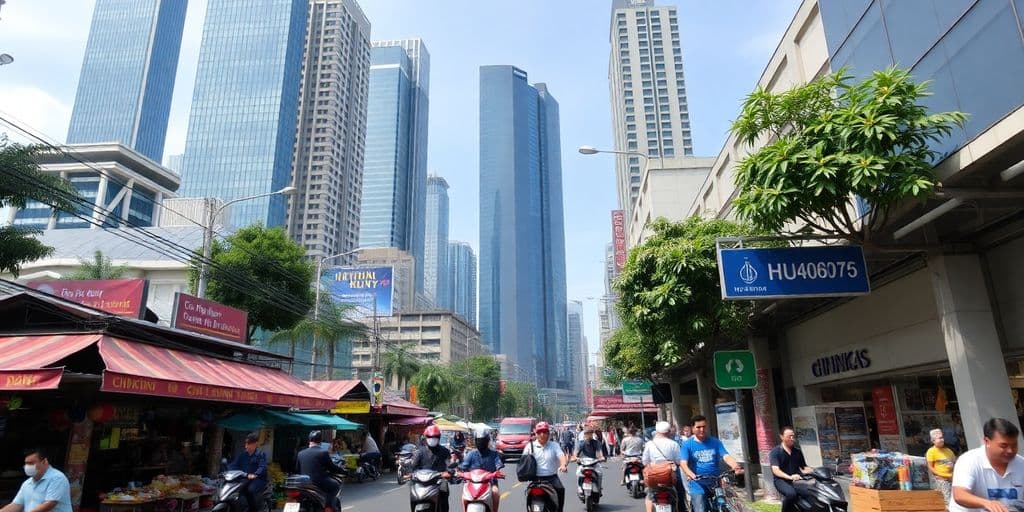
If you're heading to Ho Chi Minh City for business, there's a lot to consider. This bustling metropolis is not only Vietnam's largest city but also a vibrant hub for commerce and trade. Understanding the local customs, transport options, and practicalities can make your trip smoother and more productive. Here’s what you need to know about business travel in Ho Chi Minh City to ensure your visit goes off without a hitch.
Key Takeaways
- Building relationships is key in Vietnamese business culture.
- Use rideshare apps like Grab for convenient transport around the city.
- Opt for business-friendly hotels or serviced apartments for your stay.
- Stay connected by renting pocket WiFi or getting a local SIM card.
- Always carry Vietnamese Dong for cash transactions, as it's widely preferred.
Understanding Vietnamese Business Culture
Ho Chi Minh City offers a vibrant mix of economic opportunity and rich cultural heritage. To make the most of your business trip, it's important to understand and respect Vietnamese business culture. This can significantly impact your interactions and lead to more successful outcomes. Let's explore some key aspects.
Importance Of Building Relationships
In Vietnam, business is often conducted on a foundation of personal relationships. It's not just about the deal; it's about who you are and how you connect with your counterparts. Take the time to get to know people, show genuine interest in their lives and families, and build trust. This can involve sharing meals, engaging in small talk, and demonstrating a long-term commitment to the relationship. Don't rush into business discussions before establishing a rapport. This approach will be greatly appreciated and can pave the way for smoother negotiations and stronger partnerships. Remember, patience and a genuine interest in building connections are key.
Communication Styles In Meetings
Communication in Vietnamese business meetings can be quite different from what you might be used to. Direct confrontation is generally avoided, and a 'yes' might not always mean agreement. It's important to pay attention to non-verbal cues, such as body language and tone of voice, to gauge the true sentiment. Decisions are often made collectively, and it may take time to reach a consensus. Be patient, respectful, and avoid putting individuals on the spot. Present your ideas clearly and logically, and be prepared to answer questions thoroughly. Remember to show respect through greetings and gestures.
Business Etiquette And Conduct
Vietnamese business etiquette places a high value on respect, humility, and saving face. Here are a few key points to keep in mind:
- Greetings: Greet the most senior person first. A slight bow or nod is often appreciated, especially with older individuals.
- Business Cards: Present your business card with both hands, with the writing facing the recipient. Receive cards with the same level of respect.
- Gifts: Small, thoughtful gifts are often appreciated, especially when building relationships. Avoid giving overly expensive gifts, as this can be seen as ostentatious.
It's important to be mindful of your behaviour in all stages of the meeting. Inform the other party of your business plan beforehand, so try to be as proficient as you can. Also, remember to dress modestly and avoid overly casual attire. Understanding these nuances can help you make a positive impression and build strong, lasting relationships.
Navigating Transportation Options
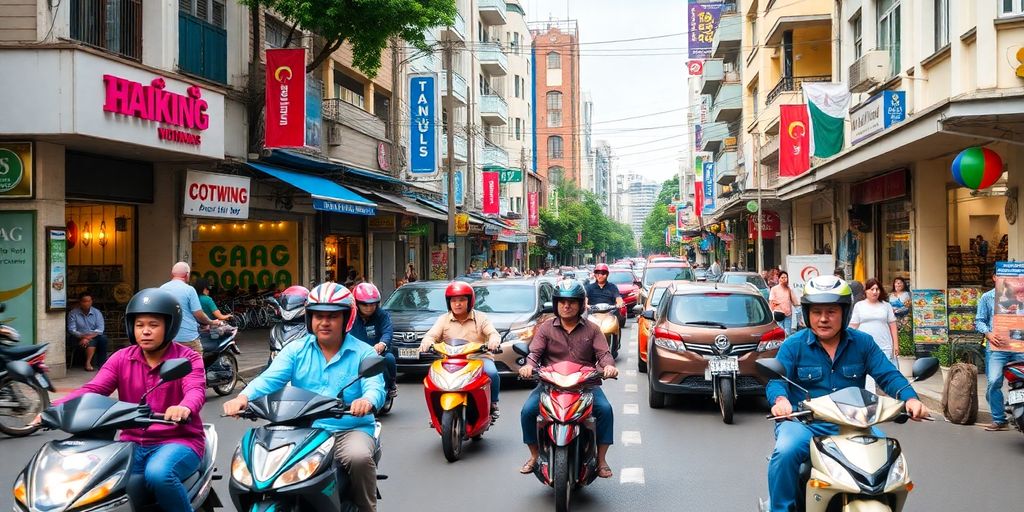
Getting around Ho Chi Minh City can feel a bit overwhelming at first, but once you get the hang of it, it's fairly straightforward. There are several options available, each with its own pros and cons. From public transport to ride-sharing apps, you'll find something that suits your needs and budget. Let's explore the best ways to travel around this bustling city.
Public Transport Systems
Ho Chi Minh City's public transport system is still developing, but it's a cheap way to get around if you're not in a hurry. The bus network is extensive, covering most parts of the city. Buses are air-conditioned and generally safe, but they can get crowded during peak hours.
Here's a quick rundown:
- Buses: The most common and affordable option. Look for the green and white buses. Fares are very low, usually a few thousand VND. Airport Bus #152 is a popular choice for getting to and from the airport.
- Metro: The metro system is relatively new, so it's not as extensive as the bus network. However, it can be a good option for travelling along its route.
- River Bus: A scenic way to travel, especially if you're heading to areas along the Saigon River. It's more of a tourist attraction, but still a viable transport option.
Using Rideshare Apps
Rideshare apps like Grab are incredibly popular and convenient in Ho Chi Minh City. They offer a comfortable and relatively affordable way to get around, especially if you're not familiar with the local bus routes. You can easily book a ride through the app, track your driver, and pay electronically.
- Grab: The dominant player in the market. Offers various options, including GrabBike (motorbike taxi), GrabCar (car), and GrabTaxi (traditional taxi).
- Be: Another popular app, similar to Grab. Worth checking for price comparisons.
- Vinasun/Mai Linh Apps: These traditional taxi companies also have their own apps, which can be useful if you prefer using established brands. Vinasun Taxi is a reliable option.
Using rideshare apps is generally safe, but always double-check the driver's details and licence plate before getting in. It's also a good idea to share your ride details with a friend or family member.
Walking Around The City
Walking is a great way to experience the city's vibrant atmosphere, especially in the central districts. However, be prepared for crowded pavements and heavy traffic. Always be mindful of motorbikes and cross the road carefully.
- District 1: The city centre, with many attractions within walking distance.
- Walking Streets: Nguyen Hue Street is a pedestrianised street perfect for a stroll.
- Parks: Parks like Tao Dan Park offer a green escape from the city bustle.
Remember to stay hydrated, wear comfortable shoes, and be aware of your surroundings. Exploring on foot allows you to discover hidden gems and soak in the local culture. For longer distances, consider combining walking with other transport options like buses or Grab. You can also consider using Futa Bus Lines or Hana Tourist Vietnam for longer trips outside the city centre. SATSCO is another option to consider for transportation services.
Choosing The Right Accommodation
Finding the right place to stay can really make or break a business trip. It's not just about having a bed; it's about having a space that supports your work and helps you relax after a long day of meetings. Think about what you really need from your accommodation – is it a quiet workspace, reliable internet, or easy access to the city centre?
Business-Friendly Hotels
Business-friendly hotels are often the go-to choice, and for good reason. They're designed with the business traveller in mind, offering amenities like meeting rooms, business centres, and sometimes even secretarial services. But it's worth doing your homework. Not all hotels are created equal. Some might have great facilities but be located far from where you need to be, while others might be in the perfect spot but lack the amenities you need.
Here's a quick checklist to consider:
- High-speed internet: Absolutely essential for staying connected.
- In-room workspace: A comfortable desk and chair can make all the difference.
- Meeting facilities: If you need to host meetings, check what's available.
- Location: Proximity to your meetings and transport links is key.
Serviced Apartments
Serviced apartments can be a great alternative to hotels, especially if you're staying for a longer period. They offer more space and often include a kitchen, which can be handy for preparing your own meals. This can save you money on eating out and give you more flexibility. Plus, having a separate living area can make it easier to relax and unwind after a busy day.
I've found that serviced apartments offer a better sense of home, which can be really helpful when you're away for an extended period. It's nice to have a bit more space to spread out and not feel like you're living out of a suitcase. The kitchen is a big plus, too, as it allows you to cook your own meals and avoid eating out every night.
Location Considerations
Location, location, location! It's a cliché, but it's true. Think carefully about where you need to be and how you're going to get around. Staying near the airport might seem convenient, but it could mean a long commute into the city centre. Similarly, staying in the heart of the city might be great for sightseeing, but it could be noisy and expensive. Consider business hotel deals to find the best options.
Here are some questions to ask yourself:
- How close is it to my meetings?
- What are the transport links like?
- Is the area safe and convenient?
- Are there restaurants and shops nearby?
Staying Connected While Travelling
Staying connected is pretty important when you're travelling for business, especially in a busy city like Ho Chi Minh. Luckily, there are several options to keep you online and in touch.
Mobile Network Availability
Mobile network coverage in Ho Chi Minh City is generally good. You'll find 4G is widely available, and 5G is becoming more common in central areas. However, speeds can vary depending on your location and the network provider. It's worth checking coverage maps before you go, just to be sure. Most hotels and cafes offer free Wi-Fi, but it's always good to have a backup plan. Consider getting a local SIM card for reliable access.
Renting Pocket WiFi
Pocket WiFi devices are a convenient option, especially if you have multiple devices or need to share a connection with colleagues. You can usually rent them from the airport or from various shops around the city. They offer a secure and reliable connection, and you don't have to worry about using up your data allowance on your regular mobile plan. The daily rental cost can vary, so it's worth comparing prices.
Using Local SIM Cards
Buying a local SIM card is often the most cost-effective way to stay connected, particularly if you need to make local calls. SIM cards are readily available at the airport, convenience stores, and mobile phone shops. You'll need to show your passport when you buy one. Several providers offer tourist SIM packages with generous data allowances and local call minutes. Just make sure your phone is unlocked before you arrive.
Having reliable internet access is super important for business travellers. It allows you to stay in contact with your team, access important documents, and navigate the city with ease. Don't leave it to chance; plan ahead and choose the option that best suits your needs.
Managing Currency And Payments
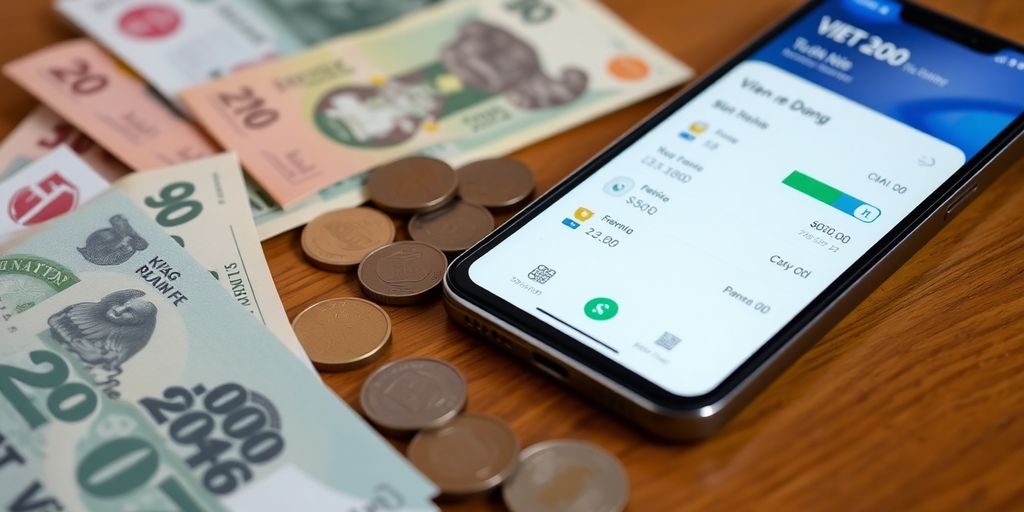
Navigating the financial side of business travel can seem daunting, but with a bit of preparation, it's perfectly manageable in Ho Chi Minh City. Here's what you need to know about currency, payments, and avoiding potential issues.
Using Vietnam Dong
The official currency is the Vietnamese Dong (VND). While some places might accept US dollars, it's always best to use the local currency for most transactions. It just makes everything smoother, and you're less likely to get ripped off. Plus, it's seen as more respectful. You can check the current exchange rates before you go, so you have an idea of what to expect. As of today, 1 USD is about 25,831 VND, but this fluctuates, of course.
- Small denominations are useful, especially in markets and smaller shops.
- Be aware that VND comes in similar-looking notes, so double-check before handing over your cash.
- ATMs are widely available in cities, but check for fees.
Cashless Transactions
While Vietnam is still largely a cash-based economy, cashless payments are becoming increasingly common, especially in Ho Chi Minh City. Many businesses, from fancy restaurants to street food vendors, now accept bank transfers and mobile payments. Ride-hailing apps like Grab are popular and allow you to link your foreign credit card, which is super convenient. It's worth setting up if you plan to use them.
- Credit cards are accepted in larger establishments, but smaller shops might only take cash.
- Mobile payment apps are gaining popularity, but might require a local bank account.
- Always check if there's a surcharge for using a card.
Avoiding Currency Exchange Scams
Changing money can be a bit of a minefield if you're not careful. Here's how to avoid getting caught out:
- Only exchange money at reputable banks, official exchange counters, or your hotel. Avoid random people offering rates on the street.
- Be wary of extremely good exchange rates – they're often too good to be true.
- Always count your money carefully before leaving the exchange counter. Don't let them rush you.
It's a good idea to familiarise yourself with the look and feel of Vietnamese Dong notes to avoid accepting counterfeit currency. Pay attention to the security features, such as watermarks and security threads. If a deal seems too good to be true, it probably is. Trust your gut and don't be afraid to walk away.
Dress Code For Business Meetings
Appropriate Attire
Okay, so you're heading to Ho Chi Minh City for business, and you're probably wondering what to wear. It's a fair question! The good news is that the dress code is generally smart casual, but there are a few things to keep in mind. For men, a lightweight suit or a shirt with trousers is usually fine. For women, a blouse and skirt or trousers, or a modest dress, works well. Avoid anything too revealing or flashy. Think professional, but comfortable enough to handle the heat and humidity.
Cultural Sensitivity In Clothing
It's important to be aware of local customs. While Ho Chi Minh City is pretty modern, showing respect for Vietnamese culture is always a good idea. This means avoiding overly casual clothing, especially in more formal settings. Also, when visiting temples or pagodas, make sure to dress modestly – shoulders and knees covered. It's just a sign of respect. Vietnamese people value humility, modesty, and restraint, so keep that in mind when choosing your outfits.
Weather Considerations
Right, let's talk about the weather. Ho Chi Minh City is hot and humid pretty much all year round. So, breathable fabrics are your best friend. Think cotton, linen, or lightweight synthetics. Dark colours can absorb more heat, so lighter shades might be a better choice. And don't forget a light jacket or cardigan for air-conditioned offices – the temperature difference can be quite a shock! Also, pack a lightweight raincoat because the weather can be unpredictable.
It's always better to err on the side of caution and dress a bit more formally than you think you need to. You can always remove a jacket if you're too warm, but you can't exactly conjure up a more professional outfit out of thin air. Plus, making a good impression is always worth the effort.
Planning Around Local Events
Understanding The Lunar Calendar
The Lunar calendar plays a big role in Vietnamese culture, and it's something you should definitely be aware of when planning business trips. It dictates when major holidays like Tet (Vietnamese New Year) occur, and these can seriously impact business operations. Knowing the lunar calendar dates will help you avoid scheduling important meetings during national holidays.
Impact Of Holidays On Business
Holidays, especially Tet, can mean that many businesses close down for an extended period – sometimes a week or more. This isn't just a quiet period; it's a full stop. Travel can also be heavily affected, with flights and trains booked solid and prices skyrocketing. It's best to plan well in advance or, if possible, avoid travelling during these peak times.
Here's a quick look at how holidays might affect your business:
- Closures: Expect offices and factories to be closed.
- Travel Disruptions: Flights and trains will be packed and more expensive.
- Reduced Productivity: Even leading up to holidays, productivity can dip as people prepare for celebrations.
It's worth noting that even smaller, less widely celebrated holidays can still cause disruptions. Always double-check with your local contacts about potential closures or slowdowns.
Participating In Local Festivals
While holidays can disrupt business, they also offer a chance to experience Vietnamese culture. If your schedule allows, consider participating in local festivals. It's a great way to build relationships and show respect for local customs. Just remember to be mindful of local etiquette and dress appropriately. You could check out a monthly event calendar to see what's on.
Final Thoughts on Business Travel in Ho Chi Minh City
So, there you have it. Ho Chi Minh City is a vibrant place for business, but it does come with its quirks. From understanding local customs to getting around the bustling streets, there's a lot to take in. Make sure you have your cash sorted in VND, and don’t forget to embrace the local culture—trust me, it goes a long way. Whether you're here for meetings or just to soak up the atmosphere, being prepared will help you make the most of your trip. Enjoy your time in this lively city!
Frequently Asked Questions
What is the importance of building relationships in Vietnamese business culture?
In Vietnam, forming strong relationships is very important for business. People prefer to trust each other before starting any work together. It's good to spend time getting to know your business partners.
How should I communicate during meetings in Ho Chi Minh City?
When in meetings, it's polite to share your plans beforehand. Use clear language and be respectful. Handshakes are common, and greeting the oldest person first is a sign of respect.
What transportation options are available in Ho Chi Minh City?
You can use public transport, rideshare apps like Grab, or even walk around. The city has many places to explore on foot, but be careful of traffic.
What type of accommodation is best for business travellers?
Look for business-friendly hotels or serviced apartments. Consider their location to your meeting places to save travel time.
How can I stay connected while in Ho Chi Minh City?
You can rent a pocket WiFi or buy a local SIM card to stay connected. Both options are affordable and help you access the internet easily.
What should I wear to business meetings in Vietnam?
It's best to wear smart and modest clothing. Be aware of local customs and dress appropriately for the climate.
Filed under
The Moveandstay editorial team writes about serviced living, workspaces, and city guides across Asia-Pacific.
Read next
Serviced Offices Surge in Popularity as Businesses Embrace Flexible Leasing
May 3, 2026
Hong Kong Serviced Apartment Market Buzzes with Sales and Investment Activity Amidst Shifting Valuations
May 3, 2026

ONYX Hospitality Group Elevates Shama Serviced Apartments with New Lifestyle Concept and Ambitious Expansion
Apr 26, 2026