
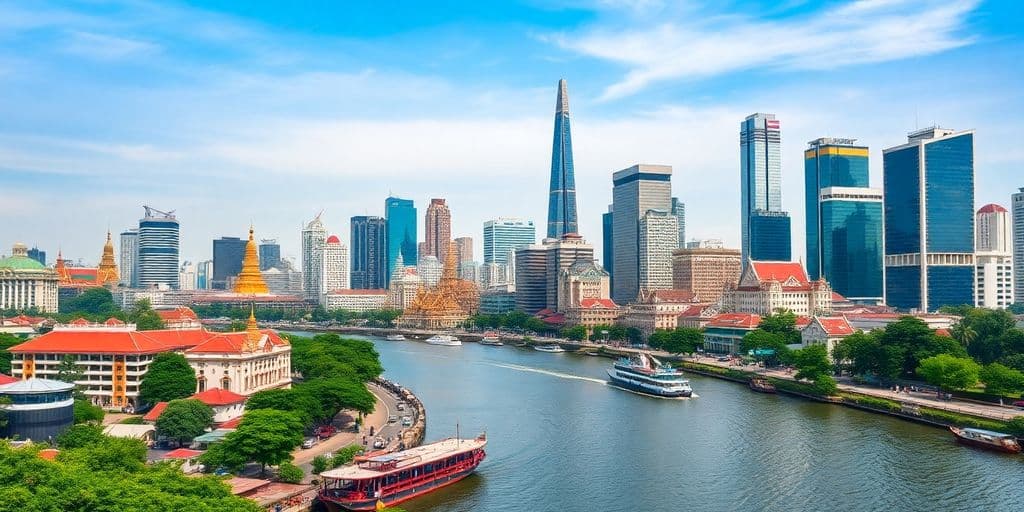
Bangkok is a vibrant city that blends tradition with modernity, making it a hotspot for business travel. If you're planning a trip for work, there are a few things you should be aware of to ensure everything goes smoothly. From understanding local customs to choosing the right place to stay, this guide covers all the essentials for business travel in Bangkok.
Key Takeaways
- Respect local customs, including greetings and etiquette, to make a good impression.
- Choose accommodation that suits your needs, whether it's a serviced apartment or a luxury hotel.
- Be prepared for heavy traffic; plan your transport wisely to avoid delays.
- Understand the importance of building relationships in business meetings.
- Dress appropriately, keeping in mind local cultural norms and the significance of appearance.
Understanding Local Business Etiquette
It's easy to trip up when you're doing business in a new country. Bangkok is no exception. Getting to grips with the local customs can seriously affect your success. First impressions count, and in Thailand, they really, really count.
Greetings
The traditional Thai greeting is the wai. It involves a slight bow, with your hands pressed together in a prayer-like gesture. The higher your hands and the deeper the bow, the more respect you're showing. Younger people usually initiate the Thai greeting. Don't worry too much about getting it perfect – Thais are generally very forgiving of foreigners who try. When you're exchanging business cards, use your right hand to present it, and when you receive one, take a moment to actually look at it and make a polite comment. It shows you value the connection.
General Etiquette
When you're on business travel in Bangkok, remember to show respect for the King, the country, and Buddhism. Any image of Buddha should be treated with respect. When visiting temples or someone's home, take your shoes off. It's a big deal. Also, Thai society has a strong hierarchy. Don't be surprised if people ask you lots of questions when you first meet them. They're trying to figure out where you fit in. Just answer politely and don't take it personally.
It's considered rude to point your feet at someone, especially at a Buddha image or a senior person. Always try to keep your feet on the floor or tucked away. Also, avoid touching anyone's head, as it's considered the most sacred part of the body.
Business Meetings
Thai business culture values harmony and respect. Decisions often take time, as topics are discussed repeatedly within the hierarchy. It might take several meetings to finalise a deal. It's important to stay calm and dignified, and never show anger. Losing your temper could cost you the deal. Patience is key. Also, be prepared for a more indirect style of communication. Thais often avoid direct confrontation, so pay attention to what's not being said, as well as what is. Don't push for quick answers or try to force a decision. Let things unfold naturally. Building business relationships is more important than rushing to a conclusion.
Choosing Accommodation for Business Travel
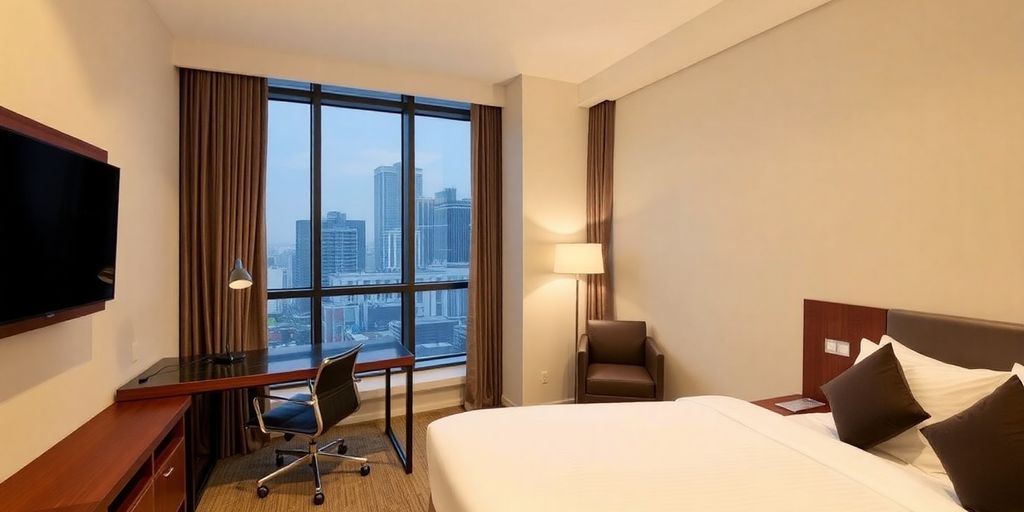
Finding the right place to stay can really make or break a business trip. Bangkok has loads of options, so it's worth thinking about what you need before you book. Location, amenities, and budget all play a big part.
Serviced Apartments
Serviced apartments are a solid choice if you're planning a longer stay. They usually come with a kitchen, laundry facilities, and more space than a typical hotel room. This can be a real lifesaver if you're trying to keep costs down by cooking some of your own meals. Plus, having a bit more room to spread out can make working remotely much easier. You can find some great corporate apartments in Bangkok.
- More space than hotel rooms
- Kitchen and laundry facilities
- Often more cost-effective for longer stays
Luxury Hotels
If you want to impress or just treat yourself, Bangkok's luxury hotels are hard to beat. You'll find top-notch service, amazing restaurants, and often great business facilities like meeting rooms and business centres. Plus, after a long day of meetings, a dip in a rooftop pool can be just what you need. Of course, this comes at a premium, so it's worth weighing up the cost against the benefits.
- High-end amenities
- Excellent service
- Convenient business facilities
Budget Options
Bangkok also has plenty of budget-friendly options that don't skimp on the essentials. Guesthouses and smaller hotels can offer clean, comfortable rooms at a fraction of the price of luxury hotels. You might not get all the bells and whistles, but if you're mainly looking for a place to sleep and shower, these can be a great option. Just make sure to check reviews and location before you book.
- Guesthouses
- Budget hotels
- Hostels (if you're feeling adventurous)
Choosing the right accommodation really depends on your priorities. If you're on a tight budget, a guesthouse might be the way to go. If you need space and facilities for a longer stay, a serviced apartment could be ideal. And if you want to impress clients or just enjoy some luxury, a high-end hotel is the obvious choice.
Navigating Transportation in Bangkok
Getting around Bangkok can be a bit of an adventure, especially during peak hours. But with a bit of planning, you can usually find a way to get where you need to go. It's definitely something to factor into your schedule.
Public Transport
Bangkok's public transport system is actually pretty good, and it's constantly expanding. The Skytrain (BTS) and the underground (MRT) are efficient and can save you a lot of time compared to sitting in traffic.
- BTS Skytrain: Great for getting around the Sukhumvit and Silom areas. It's above ground, so you get some nice views (when it's not too crowded!).
- MRT Subway: Useful for reaching areas not covered by the BTS. It's also air-conditioned, which is a big plus.
- Airport Rail Link: Fastest option for getting to and from Suvarnabhumi Airport. Connects to both the BTS and MRT.
Taxis and Ride-Sharing
Taxis are everywhere in Bangkok, and they're generally quite affordable. Ride-sharing apps like Grab are also popular and can be convenient, especially if you don't speak Thai. Just make sure the metre is running, or agree on a price beforehand.
- Taxis: Flag them down on the street, but be aware that some drivers may not speak English well.
- Ride-Sharing (Grab): Often easier for communication, and you can track your ride on the app.
- Motorbike Taxis: For the truly adventurous (and those in a hurry). They can weave through traffic, but safety is a concern.
Traffic Considerations
Okay, let's be honest: Bangkok traffic can be brutal. It's something you just have to accept. Try to avoid travelling during rush hour (7-9am and 4-7pm) if you can. And always allow extra time to get to your meetings.
The traffic in Bangkok is no joke. It's best to plan your journeys carefully, use public transport where possible, and always factor in extra time. Don't expect to get anywhere quickly during peak hours. It's just part of the Bangkok experience.
Effective Communication in Business Settings
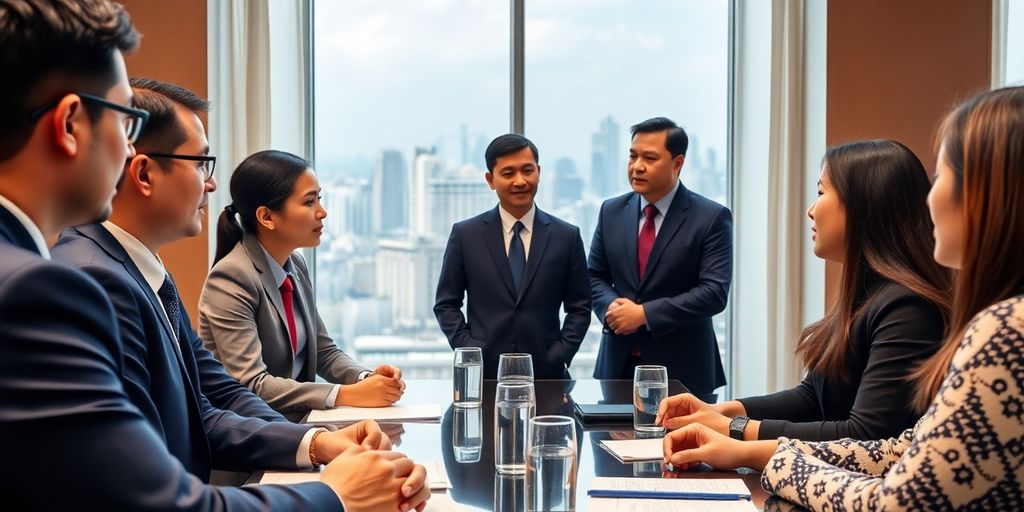
Communication can be tricky anywhere, but in a new cultural context, it's even more important to get it right. Bangkok is a vibrant city, and understanding how to communicate effectively can really help you build strong business relationships.
Language Barriers
While English is often used in business, don't assume everyone is fluent. It's a good idea to speak clearly and avoid using slang or overly complex language. Consider having important documents translated, and if you're giving a presentation, think about providing a summary in Thai. It shows respect and helps avoid misunderstandings. You could also consider hiring a translator for meetings, especially if detailed negotiations are involved. This ensures everyone is on the same page and prevents misinterpretations. If you are a beginner leader and want to improve your communication skills, consider instructor-led training.
Non-Verbal Communication
Non-verbal cues are super important. Thais value politeness and respect, so be mindful of your body language. Avoid aggressive gestures or loud tones. A smile can go a long way! Eye contact should be moderate; prolonged staring can be seen as confrontational. The wai is a traditional greeting involving a slight bow with hands pressed together, and it's a sign of respect. While they don't expect foreigners to be perfect at it, attempting a wai is always appreciated. It's also worth noting that pointing with your finger is considered rude; use your whole hand instead.
Being aware of these subtle differences can make a big difference in how you're perceived. It shows you've taken the time to understand their culture, which is always a plus in business.
Building Rapport
Building a good relationship is key to doing business in Thailand. Initial meetings are often about getting to know each other, rather than diving straight into business. Be patient and take the time to chat and find common ground. Asking about their family or interests (while being respectful, of course) can help build trust. Remember, Thais value personal connections, so investing time in building rapport can pay off in the long run. Don't be afraid to engage in small talk before getting down to business. It's all part of the process. Here are some tips for building rapport:
- Be punctual for meetings.
- Show genuine interest in getting to know your counterparts.
- Be respectful of their culture and customs.
Dining Etiquette During Business Meetings
Choosing the Right Venue
Selecting the right restaurant for a business meeting in Bangkok is more than just picking a place with good food. It's about setting the right tone. Consider the atmosphere, the level of formality, and the location's convenience for all attendees. A quiet, private room might be ideal for sensitive discussions, while a more vibrant setting could be suitable for informal gatherings. Think about the type of cuisine too – something familiar to everyone is usually a safe bet. For a relaxed atmosphere, consider some of the casual restaurants Bangkok has to offer.
Dining Customs
Thai dining customs are steeped in tradition. Here are a few things to keep in mind:
- Sharing is caring: Dishes are often served family-style, with everyone sharing. Don't be shy to try a bit of everything.
- Use your spoon: While forks and spoons are common, chopsticks are generally used for noodle dishes only. Use your spoon to bring food to your mouth, rather than your fork.
- Wait for the host: It's polite to wait for the most senior person at the table to start eating before you do.
Remember, showing respect for Thai customs goes a long way in building strong business relationships. Small gestures, like complimenting the food or offering to pour drinks, can make a positive impression.
Alcohol Consumption
Alcohol is readily available in Bangkok, but it's important to exercise moderation during business meals. While a glass of wine or beer might be acceptable, getting drunk is definitely a no-no. Be mindful of your colleagues' preferences and avoid pressuring anyone to drink if they don't want to. It's also worth noting that some Thais may abstain from alcohol for religious or personal reasons, so be respectful of their choices. Remember to understand the local business etiquette to ensure a successful meeting.
Dress Code for Business Professionals
Appropriate Attire
When it comes to business in Bangkok, dressing the part is really important. First impressions count, and your attire speaks volumes before you even utter a word. For men, a dark suit, a white shirt, and a tie are generally expected. Women should opt for plain dresses or suits, ensuring skirts are knee-length or longer. Shoulders should always be covered. Think conservative and professional.
Cultural Considerations
There are a few cultural nuances to keep in mind. Avoid wearing black, as it's typically reserved for funerals and could be seen as inappropriate. Also, when visiting temples or religious sites, it's essential to dress modestly. This means covering your shoulders and knees. It's a sign of respect and shows that you're mindful of local customs. When entering temples, it's essential to dress modestly.
Seasonal Variations
Bangkok is hot, like, really hot. While the standard business attire remains the same, you can make some adjustments to stay comfortable. Lightweight fabrics are your best friend. Linen or breathable cotton can make a big difference. You might also consider a lighter-coloured suit. Just remember to maintain that professional look.
It's always better to err on the side of caution and dress more formally than less. Showing respect for the local culture through your attire can go a long way in building strong business relationships.
Managing Time and Scheduling
Time management can be tricky anywhere, but Bangkok presents its own set of challenges. From the infamous traffic to cultural nuances, being organised is key to a successful business trip. Let's break down what you need to know.
Punctuality Importance
Punctuality is generally valued in business settings, but flexibility is also understood. While it's good to aim to be on time, traffic or other unforeseen circumstances might cause delays. Communicating any potential lateness is important. It's seen as respectful to inform your counterparts if you're running behind schedule. Don't be surprised if meetings start a little later than planned, but try to stick to the agreed timeframe as much as possible.
Meeting Scheduling Tips
Scheduling meetings in Bangkok requires a bit of planning. Here are a few things to keep in mind:
- Avoid peak traffic hours: Try to schedule meetings outside of the morning (7:00 AM - 9:00 AM) and evening (4:00 PM - 7:00 PM) rush hours to minimise travel time.
- Confirm meetings in advance: It's always a good idea to reconfirm your meetings a day or two beforehand. This helps prevent any misunderstandings and ensures everyone is on the same page.
- Be mindful of holidays: Thailand has several public holidays throughout the year. Check the calendar and avoid scheduling important meetings on these days.
When scheduling meetings, consider the local customs and preferences. For example, it's common to start meetings with some small talk before getting down to business. This helps build rapport and establish a comfortable atmosphere.
Time Zone Awareness
Thailand operates on Indochina Time (ICT), which is GMT+7. This is something you'll need to keep in mind when scheduling calls or virtual meetings with colleagues in other time zones. Use a time zone converter to avoid any confusion. It's easy to miscalculate, especially when dealing with multiple time zones. Here's a quick reference table:
| Location | Time Zone | Time Difference from Bangkok | Example (2:00 PM in Bangkok) |
|---|---|---|---|
| London | GMT | -7 hours | 7:00 AM |
| New York | EST | -12 hours | 2:00 AM |
| Sydney | AEDT | +3 hours | 5:00 PM |
Wrapping Up Your Business Trip in Bangkok
So, there you have it. Business travel in Bangkok can be a bit of a maze, but with the right info, you’ll be just fine. Remember to respect the local customs, dress smartly, and take your time to build those relationships. It’s all about making a good impression and understanding the culture. Whether you’re there for a week or a month, being aware of the etiquette will help you navigate meetings and social events like a pro. And don’t forget to enjoy the city while you’re at it—there’s so much to see and do when you’re not in meetings. Safe travels!
Frequently Asked Questions
What should I know about local greetings in Bangkok?
In Bangkok, a traditional greeting is called a 'wai', where you put your hands together and bow your head slightly. This shows respect and is appreciated by the locals.
How should I dress for business meetings in Bangkok?
For business meetings, it's best to wear formal clothes. Men typically wear dark suits and ties, while women should opt for modest dresses or suits.
What is the best way to get around Bangkok?
Bangkok has many transport options like the BTS Skytrain, MRT subway, and taxis. Traffic can be heavy, so plan your trips ahead of time.
Is it important to be on time for meetings?
Yes, punctuality is very important in Bangkok. Arriving on time shows respect for your business partners.
What dining customs should I be aware of during business meals?
When dining, it's polite to wait for the host to start eating. Also, avoid pointing your feet at people or religious images, as it is considered disrespectful.
Are there any language tips for business interactions?
While many people speak English, learning a few basic Thai phrases can help build rapport. Always be polite and use a friendly tone.
Filed under
The Moveandstay editorial team writes about serviced living, workspaces, and city guides across Asia-Pacific.
Read next
Serviced Offices Surge in Popularity as Businesses Embrace Flexible Leasing
May 3, 2026
Hong Kong Serviced Apartment Market Buzzes with Sales and Investment Activity Amidst Shifting Valuations
May 3, 2026

ONYX Hospitality Group Elevates Shama Serviced Apartments with New Lifestyle Concept and Ambitious Expansion
Apr 26, 2026