
Budgeting for Digital Nomad Life in Taipei: Expenses You Should Expect
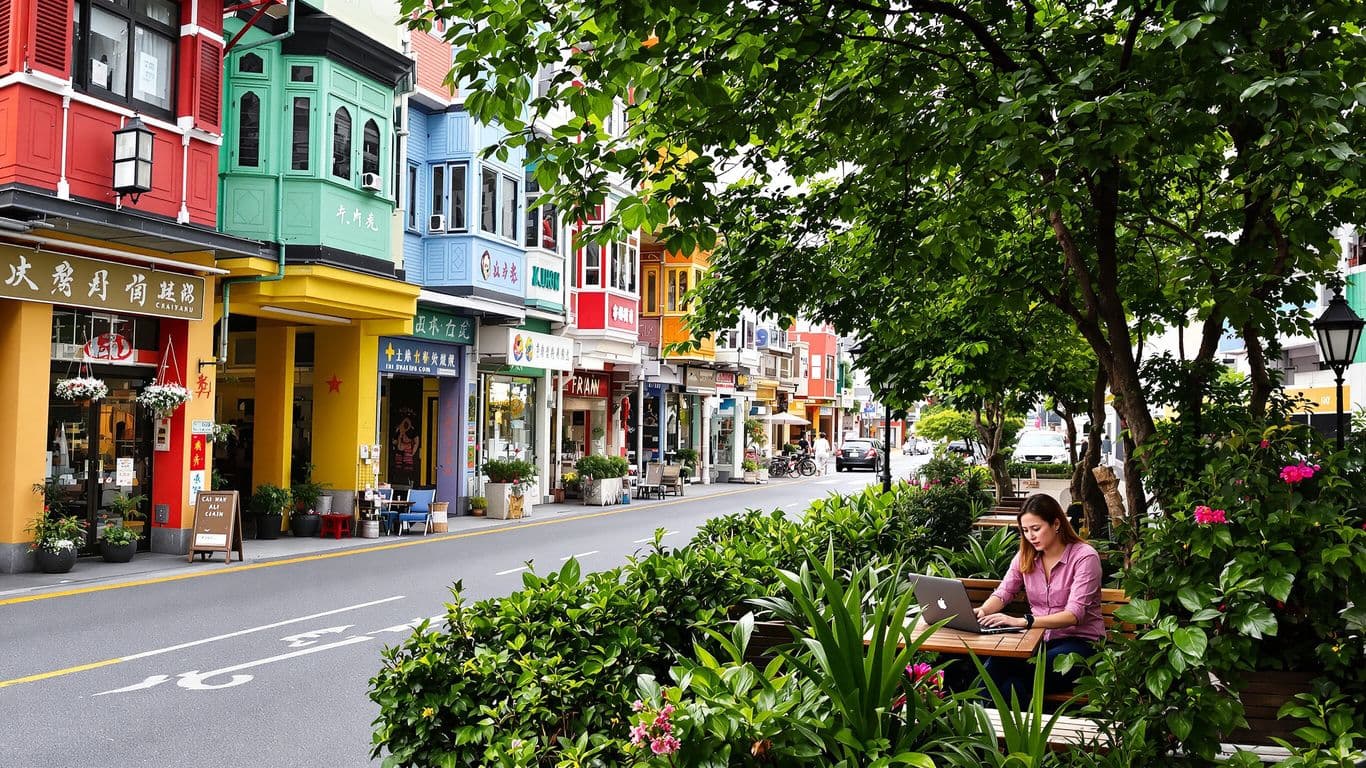
Thinking about making Taipei your next digital nomad hub? It's a great choice, but like any move, you'll want to get a handle on the costs involved. This budget guide in Taipei will walk you through what to expect, from where you'll lay your head to what you'll be eating. We'll break down the expenses so you can plan your finances and enjoy everything this vibrant city has to offer without any nasty surprises.
Key Takeaways
- Taipei offers a good balance of modern living and affordability, though it's pricier than other Taiwanese cities.
- Expect monthly rent for a one-bedroom apartment in Taipei to be around $600-$1,200, with prices varying by location.
- Night markets are a budget-friendly way to eat well, with street food meals costing around $4, while restaurant meals might be closer to $10.
- Taipei's public transport, especially the metro, is efficient and cost-effective, with monthly travel costing about $3.25.
- Factor in miscellaneous expenses, typically around $133 per month, for things like entertainment, personal items, and unexpected costs.
Understanding Taipei's Living Expenses
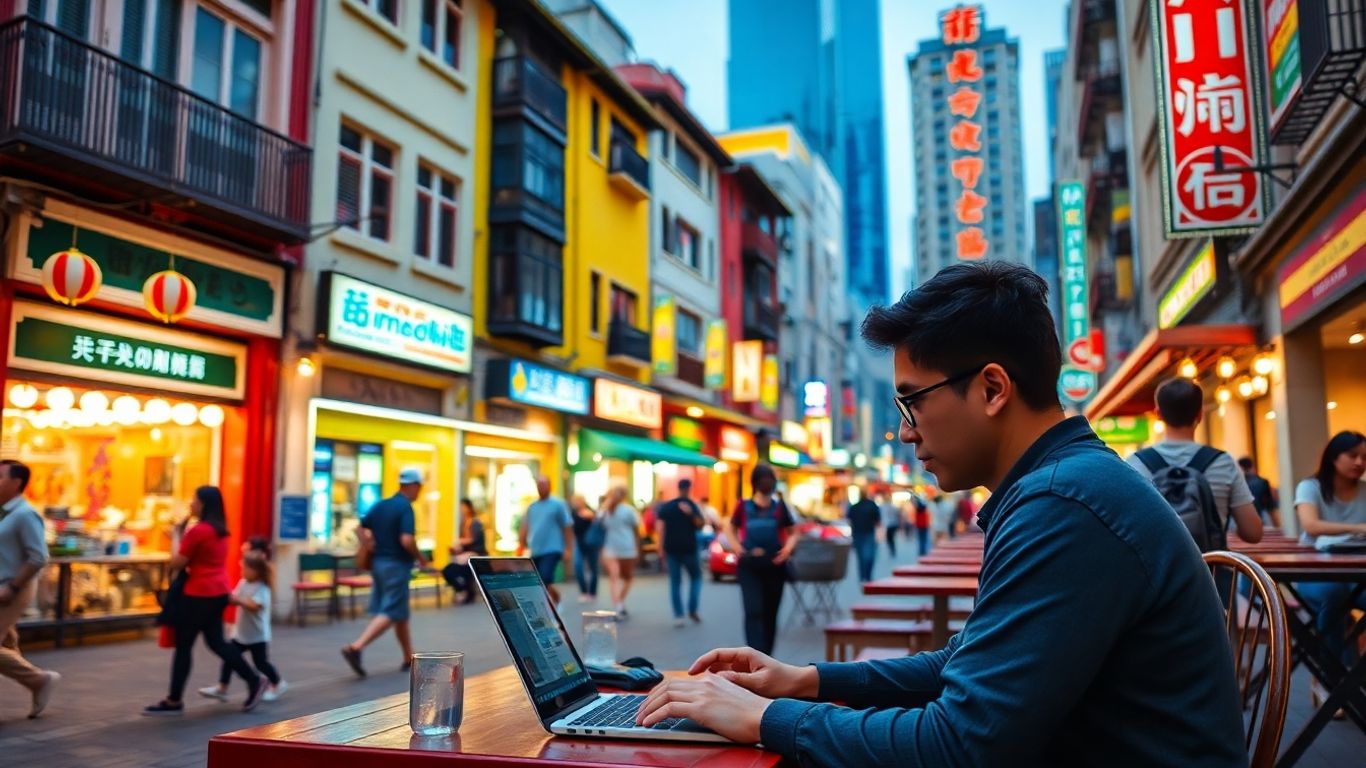
Taipei's Position in Taiwan's Cost of Living
When you're thinking about moving to Taipei as a digital nomad, it's natural to wonder how your money will stretch. Taiwan, as a whole, often gets a reputation for being quite affordable, especially when you compare it to places like the UK or the US. Taipei, being the capital and the main hub, does tend to be a bit pricier than other cities on the island, but it's still generally seen as offering good value. You might find that your money goes further here than in many Western capitals, allowing for a comfortable lifestyle without constant financial worry.
Affordability Compared to Western Metropolises
Let's get down to brass tacks. How does Taipei stack up against, say, London or New York? Well, the general consensus is that Taipei is significantly more budget-friendly. While you might find some trendy cafes or high-end restaurants that rival Western prices, the everyday costs for food, transport, and even basic accommodation are often considerably lower. This means you can enjoy a high quality of life, explore a fascinating culture, and still have money left over for savings or further adventures. It’s a sweet spot that many digital nomads find very appealing.
Value Proposition for Digital Nomads
So, what makes Taipei a good deal for people like us? It’s a combination of factors. The cost of living is one thing, but you also get a lot for your money. Think efficient public transport, a vibrant food scene that caters to all budgets, and a generally safe and welcoming environment. While Taipei isn't the absolute cheapest city in Asia, its blend of modern amenities, cultural richness, and relative affordability makes it a really attractive option. You're not just paying for a place to live and work; you're investing in an experience that offers a lot of bang for your buck.
Accommodation Costs in the Capital
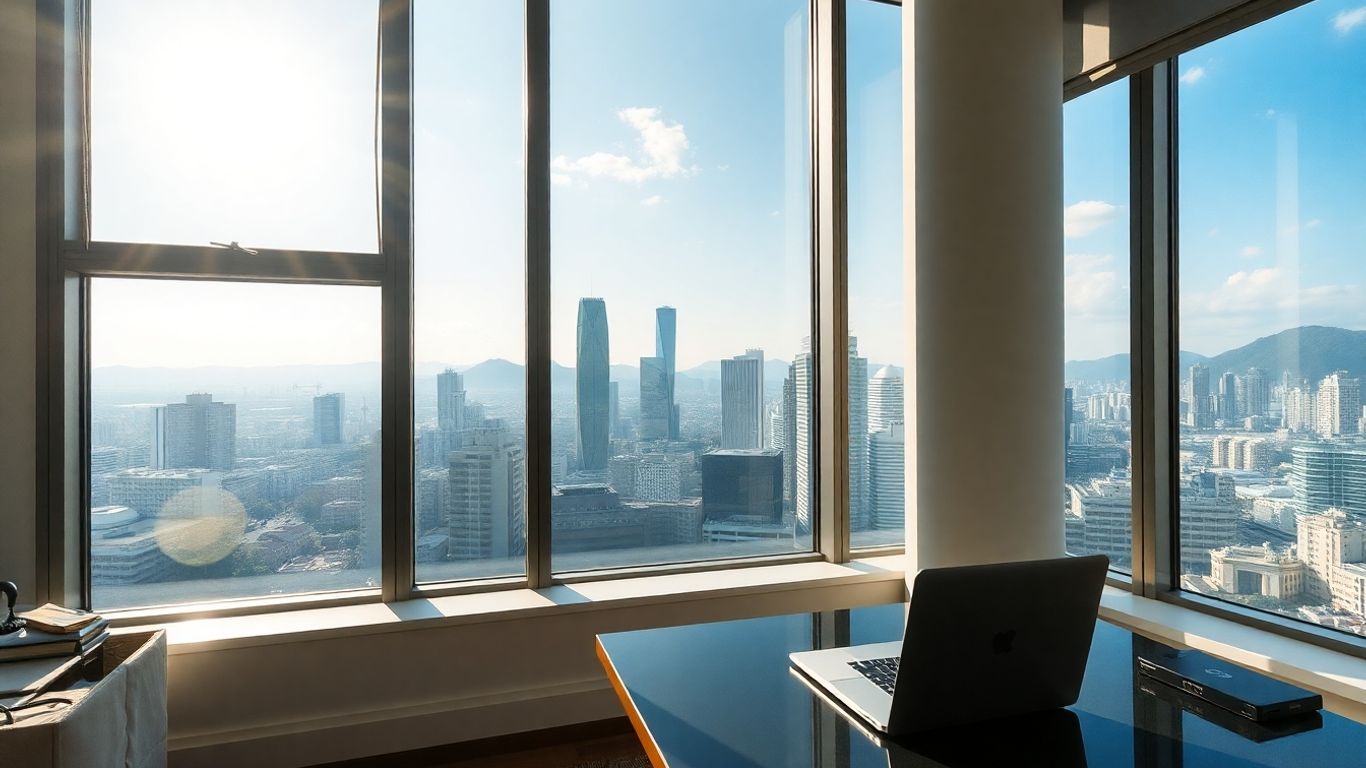
Finding a place to stay in Taipei is a big part of your budget, and it can really vary depending on what you're after. The city's housing market has seen prices climb over the years, so it pays to do your homework.
Monthly Rent for Taipei Apartments
Expect to shell out a fair bit for rent, especially if you're looking for something in a popular area. A decent one-bedroom flat might set you back anywhere from NT$20,000 to NT$40,000 (£500-£1,000) per month. Smaller studios or rooms in shared apartments will naturally be cheaper, but space can be quite limited. It's not uncommon for apartments to be on the snug side compared to what you might be used to elsewhere.
Factors Influencing Housing Prices
Location is king, as always. Living closer to MRT stations, major business districts like Xinyi, or popular neighbourhoods such as Da'an will push prices up. The size and condition of the apartment also play a huge role; newer buildings with modern amenities will cost more than older ones. Furnished places are also generally pricier than unfurnished ones. Even the floor you're on can make a difference – higher floors with better views often command a premium.
Finding More Affordable Living Options
If you're on a tighter budget, don't despair. Consider looking slightly further out from the absolute city centre, but still within easy reach of an MRT line. Shared apartments or co-living spaces can be a good way to save money and meet people. Hostels are also a great option, particularly for shorter stays or if you're travelling solo. Some hostels offer private rooms that can be surprisingly affordable, though dorm beds are usually the cheapest way to go.
- Look outside the immediate city centre: Areas just a few MRT stops away can offer significant savings.
- Consider shared accommodation: Renting a room in a shared flat can cut costs and provide company.
- Explore hostels: Many offer clean, modern dorms and private rooms at competitive prices.
While Taipei is a fantastic city, it's worth remembering that rent is often one of the largest outgoing expenses for digital nomads. Doing your research and being flexible with your location can make a big difference to your overall budget.
Here's a rough idea of what you might expect:
| Accommodation Type | Estimated Monthly Cost (NTD) | Estimated Monthly Cost (GBP) |
|---|---|---|
| Studio/1-Bedroom Apartment | NT$20,000 - NT$40,000 | £500 - £1,000 |
| Room in Shared Flat | NT$10,000 - NT$18,000 | £250 - £450 |
| Hostel Dorm Bed | NT$600 - NT$1,000 per night | £15 - £25 per night |
Daily Food and Dining Budget
Taipei is a foodie's paradise, and thankfully, it doesn't have to break the bank. You can eat like royalty on a budget, or splurge on some more upscale experiences. It really depends on your preferences and where you choose to dine.
Exploring Night Market Culinary Delights
Night markets are an absolute must-do in Taipei. They're not just places to eat; they're vibrant hubs of activity. You can find an incredible variety of local dishes, from savoury stinky tofu to sweet shaved ice. Most meals at a night market will set you back around NT$100-200 (roughly £2.50-£5). It's a fantastic way to sample lots of different things without spending a fortune. Think of it as a culinary adventure where you can try a bit of everything.
Here's a rough idea of what you might spend:
- Main Dish (e.g., oyster omelette, fried chicken cutlet): NT$80-150
- Snack (e.g., grilled squid, bubble tea): NT$50-100
- Dessert (e.g., shaved ice, wheel cakes): NT$60-120
Estimating Restaurant and Cafe Expenses
Eating at sit-down restaurants or cafes will naturally cost more than street food. A simple breakfast at a local 'soy milk' restaurant, which often serves things like shaobing (sesame flatbread) and egg crepes, might cost around NT$50-100. Lunch in a more casual eatery or a food court in a shopping mall could range from NT$150-300. If you're looking at Western-style cafes or international restaurants, expect to pay more, perhaps NT$300-500 or even higher for a main meal. For a more in-depth look at daily eating habits, you can check out this article on daily meals.
| Meal Type | Estimated Cost (NT$) | Estimated Cost (£) |
|---|---|---|
| Local Breakfast | 50-100 | 1.25-2.50 |
| Casual Lunch | 150-300 | 3.75-7.50 |
| Cafe/Restaurant | 300-500+ | 7.50-12.50+ |
Budgeting for Groceries and Home Cooking
If you have access to a kitchen, cooking some of your own meals can significantly cut down costs. Taiwan has excellent supermarkets like PX Mart, where you can find fresh produce, meats, and pantry staples at reasonable prices. A weekly grocery shop for essentials like eggs, bread, fruit, and some protein could cost around NT$600-800 (£15-£20). This is a great option for breakfast and lunches, leaving your evening budget for exploring the city's food scene.
Preparing your own meals, even just a few times a week, can make a big difference to your overall spending. It also gives you a chance to try out local ingredients you might not find elsewhere.
For example, a dozen eggs might be around NT$84, a large loaf of bread NT$37, and a litre of milk or soy milk roughly NT$70-100. Buying drinks in bulk from supermarkets is also much cheaper than purchasing them individually from convenience stores or cafes.
Navigating Transportation Expenses
Getting around Taipei is surprisingly straightforward and, for the most part, quite affordable. You won't need to worry about owning a car here, as the public transport system is really top-notch. The MRT, or Mass Rapid Transit, will likely become your best friend. It's clean, efficient, and covers most of the city, making it easy to hop between neighbourhoods.
Utilising Taipei's Efficient Metro System
The MRT is the backbone of getting around Taipei. A single journey typically costs between NT$20 and NT$40 (roughly £0.50 - £1.00), depending on the distance. If you're planning on using it frequently, which you probably will be, it's worth looking into the various travel passes. They offer unlimited rides for a set period, which can be a real money-saver if you're exploring a lot.
Here's a rough idea of what you might spend on MRT travel:
| Usage Frequency | Estimated Monthly Cost (GBP) |
|---|---|
| Daily Commute (4 days/week) | £20 - £30 |
| Frequent Explorer (daily use) | £40 - £60 |
Costs for Airport Transfers
When you first arrive or when you're heading off, you'll need to consider airport transfers. The MRT offers a direct link to Taoyuan International Airport (TPE), which is the most budget-friendly option. A one-way ticket will set you back around NT$160 (about £4). Taxis are available, of course, but they'll cost significantly more, potentially NT$1,000 or more, so the MRT is definitely the way to go if you're watching your pennies.
Considering Bus Travel for Longer Distances
While the MRT is great for within the city, buses are a good alternative for journeys outside the main urban sprawl or for reaching areas not directly served by the metro. A bus trip to a place like Yangmingshan National Park, for example, might only cost around NT$15 (less than £0.50) per person. They're a bit slower than the MRT, but they offer a different perspective and can be very useful for specific day trips.
Public transport in Taipei is incredibly reliable and affordable. You can easily get by on a small budget for daily travel, but always factor in potential costs for airport runs or any longer excursions you might plan.
Leisure and Entertainment Outlays
Taipei offers a fantastic mix of activities for digital nomads, and thankfully, many of them won't break the bank. You can easily spend your days exploring the city's vibrant culture and natural beauty without needing a huge budget.
Budgeting for Cultural Attractions
Taipei is packed with history and art. Visiting temples, museums, and historical sites is a great way to soak up the local atmosphere. Many of these places have very low or even no entrance fees. For instance, wandering through historic districts like Dadaocheng or visiting iconic temples such as Longshan Temple costs next to nothing. Even paid attractions are usually quite reasonably priced.
- Museum of Contemporary Art Taipei: Around NT$250 (approx. £6.50)
- National Palace Museum: Around NT$350 (approx. £9.00)
- Temples and historic sites: Often free or a small donation
Costs Associated with Outdoor Activities
If you love the outdoors, Taipei is a dream. You can hike in the nearby mountains, explore vast parks, or simply stroll through bustling markets. Most of these activities are completely free. Think about day trips to places like Yangmingshan National Park for stunning volcanic landscapes and hot springs – you'll mostly just pay for transport.
- Hiking and Park Visits: Free
- Taipei Zoo: Around NT$60 (approx. £1.50)
- Maokong Gondola: Around NT$120 (approx. £3.00) for a round trip
Discretionary Spending on Recreation
Beyond the main sights, there's always something to do. Whether it's catching a film, enjoying a coffee at a trendy cafe, or trying out a new restaurant, these costs add up. Taipei's night markets are a budget traveller's best friend for affordable and delicious meals. Even with regular cafe visits and the occasional splurge on a nice dinner, you can keep these costs manageable.
A good rule of thumb is to set aside a specific amount each week for spontaneous outings or treats. This way, you can enjoy the city's offerings without overspending.
Here's a rough idea of what you might spend:
| Activity | Estimated Cost (per person) | Notes |
|---|---|---|
| Coffee shop visit | NT$150-200 (£4-£5) | For a specialty coffee and maybe a snack |
| Cinema ticket | NT$300-350 (£7.50-£9.00) | Standard ticket price |
| Night market meal | NT$100-150 (£2.50-£4.00) | A hearty and varied meal |
| Casual restaurant meal | NT$300-500 (£7.50-£13.00) | Lunch or dinner in a mid-range eatery |
Addressing Miscellaneous and Hidden Costs
Beyond the obvious rent and food bills, there are a few other things that can creep up on your budget when you're living in Taipei. It's easy to forget about these smaller, often unexpected expenses, but they can really add up if you're not prepared.
Estimating Monthly Miscellaneous Expenses
These are the bits and bobs that don't fit neatly into other categories. Think of things like toiletries, cleaning supplies, or maybe a new phone charger when yours inevitably gives up the ghost. It's also the money you might spend on a whim – a spontaneous coffee with a new friend, or a small souvenir. A reasonable estimate for these kinds of things might be around NT$4,000 to NT$5,000 per month, but this really depends on your personal habits.
- Toiletries and personal care items
- Household supplies (cleaning products, bin bags)
- Small, unplanned purchases
- Occasional gifts or small treats
It's wise to set aside a small buffer each month for these kinds of incidental costs. They're not major expenses individually, but they contribute to the overall picture of your spending.
Financial Considerations for Relocation
Moving your entire life to a new country isn't exactly cheap. You've got to think about shipping your belongings, or perhaps buying new things when you arrive. Then there's the initial setup costs for your new place – maybe a deposit, some basic furniture if your rental isn't furnished, or even just getting your utilities connected. If you're moving from far away, international moving costs can be substantial, potentially running into thousands of pounds depending on how much you're bringing. Even if you're travelling light, factor in visa application fees and the cost of getting yourself settled in those first few weeks.
Understanding Healthcare and Tax Obligations
Taiwan has a fantastic National Health Insurance (NHI) system, which is a huge plus. However, it's not entirely free. You'll likely have small co-payments for doctor's visits or prescriptions. While these are generally very low compared to many other countries, they are still an expense to consider. For digital nomads, understanding your tax situation is also really important. Depending on how long you stay and your income sources, you might have tax obligations in Taiwan. It's worth looking into the specifics for your situation, as tax rules can be complex, especially when dealing with income earned in different countries.
| Expense Type | Estimated Monthly Cost (NTD) | Notes |
|---|---|---|
| Co-payments (Health) | 200 - 500 | For doctor visits, prescriptions |
| Tax Preparation | Variable | If seeking professional advice |
| Visa Fees | Variable | One-off, depending on visa type |
| Bank Fees | 0 - 100 | For international transfers, account fees |
Wrapping Up Your Taipei Budget
So, there you have it. Taipei can be a really affordable place to live and work as a digital nomad, especially when you compare it to other major cities. While accommodation might be your biggest outgoing, especially if you're looking for something central, the cost of food, transport, and even activities can be surprisingly low. By keeping an eye on where you're spending your money and perhaps exploring areas slightly outside the absolute centre, you can definitely make your budget stretch. It’s all about being smart with your choices, and with a bit of planning, Taipei offers a fantastic balance of city living and affordability for anyone looking to work remotely.
Frequently Asked Questions
Is Taipei a costly city for digital nomads?
Taipei can be more affordable than many big cities in the West. While it's one of the pricier spots in Taiwan, it still offers good value, especially when you compare it to places like New York or London. You can live comfortably here without spending a fortune, particularly if you're smart about your spending.
What's the average rent for a place in Taipei?
Renting a one-bedroom flat in Taipei can cost anywhere from about $600 to $1,200 each month. The exact price depends a lot on where it is in the city and how big it is. Living a bit further out from the centre can often save you some cash.
How much should I budget for food each day?
Eating in Taipei is a treat! Night markets offer amazing food for just a few dollars a meal. If you eat out at cafes or restaurants regularly, you might spend around $10-$15 per meal. Cooking at home with groceries is usually the cheapest option.
Is public transport easy to use and affordable?
Yes, Taipei has a fantastic metro system that's super easy to use and very reliable. A monthly pass for unlimited rides is very cheap, costing only a few dollars. Buses are also a good option for getting around, especially for longer trips.
Are there many free things to do in Taipei?
Absolutely! Taipei has lots of free activities. You can explore beautiful parks, visit temples, and wander through vibrant markets without spending a penny. Even some museums have free entry days or are very cheap to visit.
What are some unexpected costs I should be aware of?
Besides the usual living costs, think about moving expenses if you're bringing a lot of stuff, which can add up. Also, while healthcare is generally good and affordable through the national system, there might be small co-payments. Understanding local tax rules is important too, to avoid any confusion.
Filed under
The Moveandstay editorial team writes about serviced living, workspaces, and city guides across Asia-Pacific.
Read next
Serviced Offices Surge in Popularity as Businesses Embrace Flexible Leasing
May 3, 2026
Hong Kong Serviced Apartment Market Buzzes with Sales and Investment Activity Amidst Shifting Valuations
May 3, 2026

ONYX Hospitality Group Elevates Shama Serviced Apartments with New Lifestyle Concept and Ambitious Expansion
Apr 26, 2026