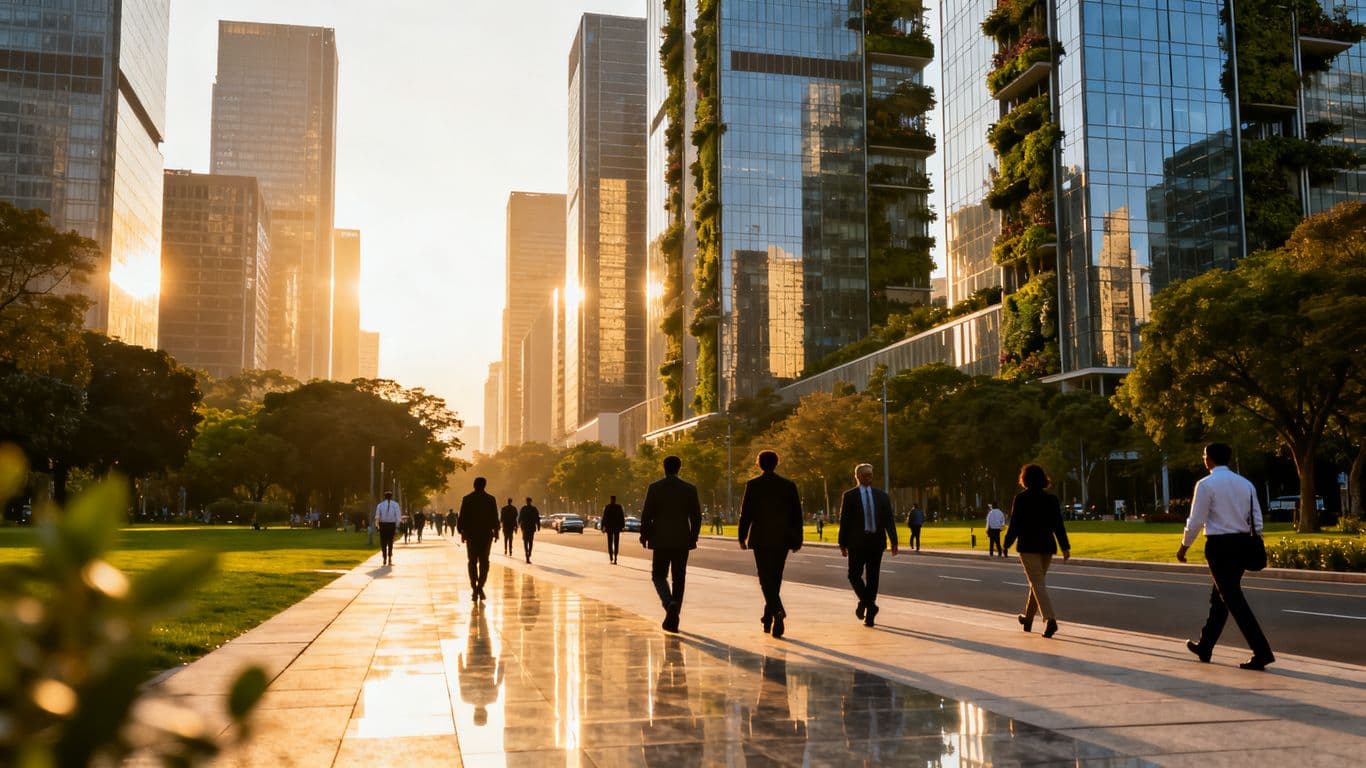
Beyond the Instagram Filter: The True Challenges of Expat Life in Southeast Asia
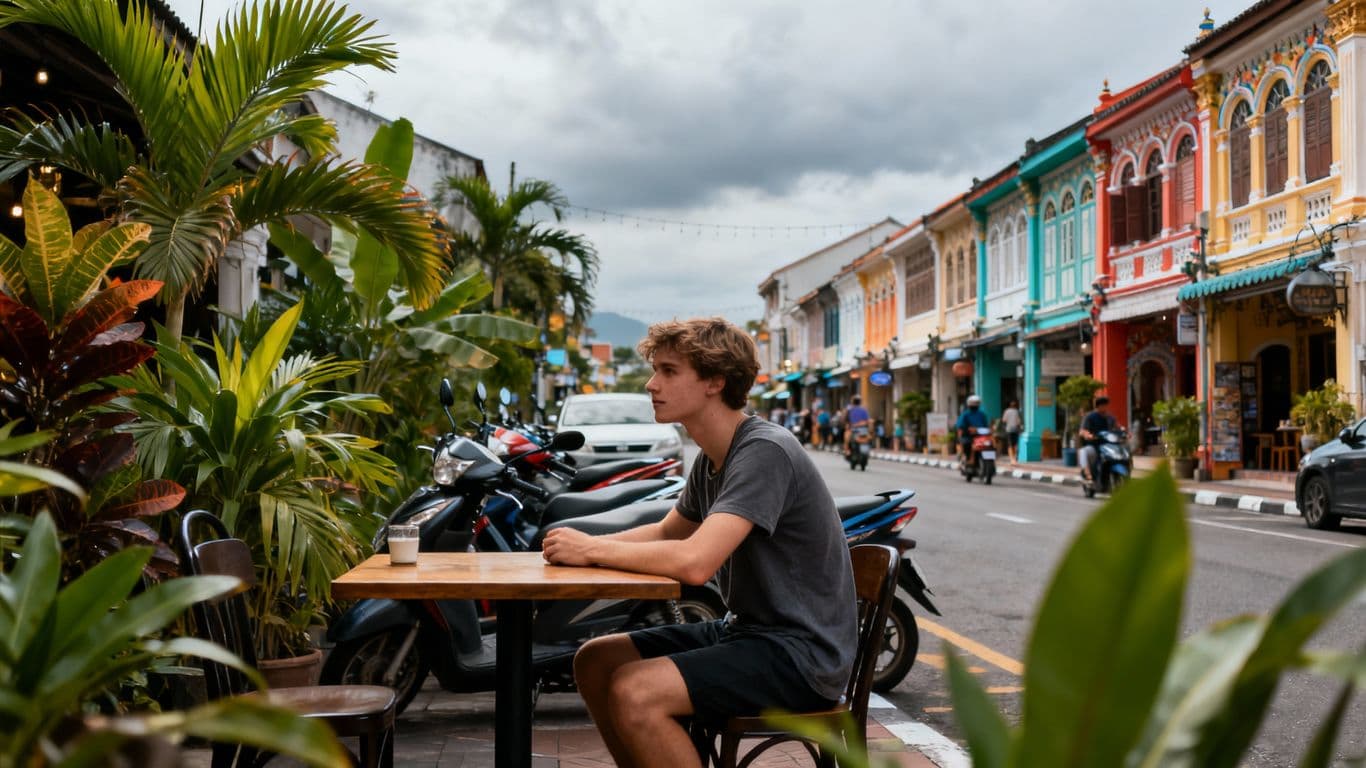
The allure of Southeast Asia is undeniable for thousands of expats, promising sun-soaked beaches, low living costs, and a vibrant social scene. However, behind the glamour and idyllic imagery often promoted online, there exists a complex reality filled with stress, cultural challenges, and personal sacrifices.
Key Takeaways
- Living in Southeast Asia as an expat offers exciting opportunities but includes significant challenges.
- Social isolation, bureaucratic hurdles, and identity struggles are common among expats.
- Many expats report high stress and burnout despite their apparent vibrant lifestyles.
Social Connections: More Fleeting Than They Seem
While social media paints a picture of endless parties and camaraderie, many expats experience a profound sense of isolation. Frequent moves and a transient social circle can make it hard to build meaningful, lasting friendships. Conversations often remain surface-level as people come and go, making emotional support networks fragile or even nonexistent.
Visa Anxiety and Bureaucratic Stress
Expatriate life in the region often involves dealing with complex visa regulations and frequent renewals. This can lead to a low-grade, persistent anxiety about your legal status and the risk of sudden upheaval. Navigating government offices, language barriers, and unpredictable bureaucratic processes becomes a regular part of life, draining both time and energy.
Identity Drift and the Search for Belonging
With familiar roles and routines left behind, many expats report feeling a loss of personal identity. The freedom and novelty of a new environment can be exhilarating at first, but over time, a sense of rootlessness may take its toll. Struggling to fit into new cultures while maintaining ties to one’s origins often leads to feelings of disconnection or confusion about one's place in the world.
Privilege, Integration, and Local Dynamics
While higher incomes allow many expats a comfortable lifestyle, this often creates a disconnect from the local community. There can be a sense of existing in a privileged bubble, with limited social integration into local customs and language. This divide can foster both conscious and unconscious tensions, adding to feelings of otherness.
The Hidden Burden: Burnout and Mental Health
Despite living in beautiful locales, expats in Southeast Asia report higher-than-average rates of stress and burnout compared to locals. Issues such as homesickness, difficulty finding adequate healthcare, and work-life balance are persistent. Yet, many expats demonstrate remarkable adaptability and resilience, developing unique skills to cope with ongoing challenges.
Everyday Realities: Cost, Environment, and Infrastructure
Life in Southeast Asia isn’t always an endless vacation. The humidity and local climate can be physically demanding, daily tasks may become unexpectedly complicated due to infrastructure limitations, and everyday conveniences may not match Western standards, from banking frustrations to limited cooking facilities in rented apartments.
Conclusion: The Need for Honest Conversations
While the expat dream remains alive, it is crucial to acknowledge and discuss the full spectrum of experiences involved. Understanding the complexities—beyond the Instagram-worthy moments—helps shape healthier expectations and encourages more supportive communities for those contemplating or navigating expat life in Southeast Asia.
Sources
- The dark side of expat life in South East Asia that most Instagram influencers aren't showing you, VegOut.
- Thee Aussie expats on what it’s like to move to Asia, The Sydney Morning Herald.
- Expats report high stress, but they may also cope better with burnout, CNBC.
- Downsides of Southeast Asia, Nomad Capitalist.
Filed under
The Moveandstay editorial team writes about serviced living, workspaces, and city guides across Asia-Pacific.