
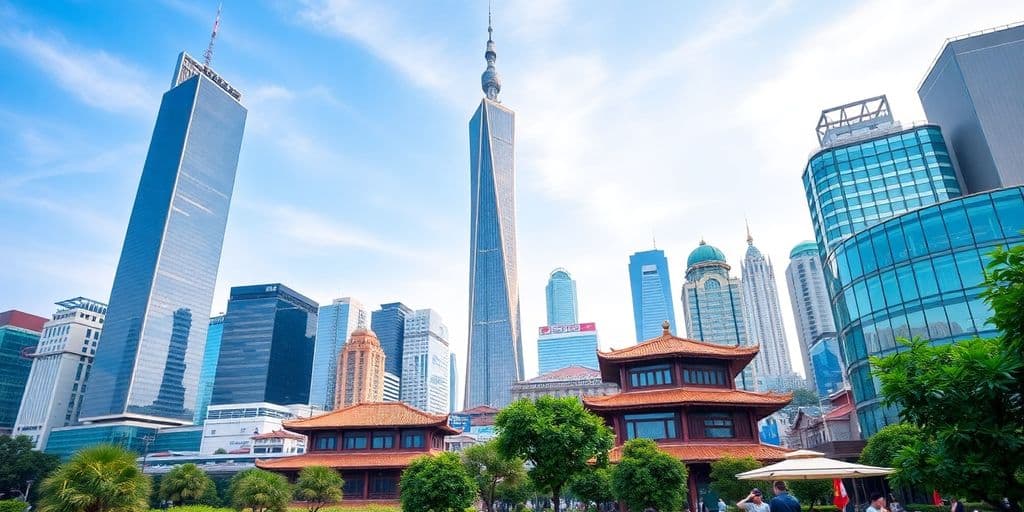
Shanghai is a bustling metropolis that attracts expats from all over the globe. Whether you're seeking a vibrant lifestyle, family-friendly neighbourhoods, or a place that feels like home, Shanghai has it all. With its rich culture, modern amenities, and diverse communities, finding the best areas for expats in Shanghai can set the stage for an exciting adventure in this dynamic city.
Key Takeaways
- Pudong is ideal for finance professionals, featuring modern living and stunning views.
- Jing'an offers a cosmopolitan vibe with easy access to transportation and amenities.
- The Former French Concession is perfect for those who appreciate history and culture.
- Family-friendly areas like Xuhui and Hongqiao provide excellent schools and green spaces.
- Healthcare in Shanghai is best accessed through private facilities for expats.
Popular Neighbourhoods For Expats
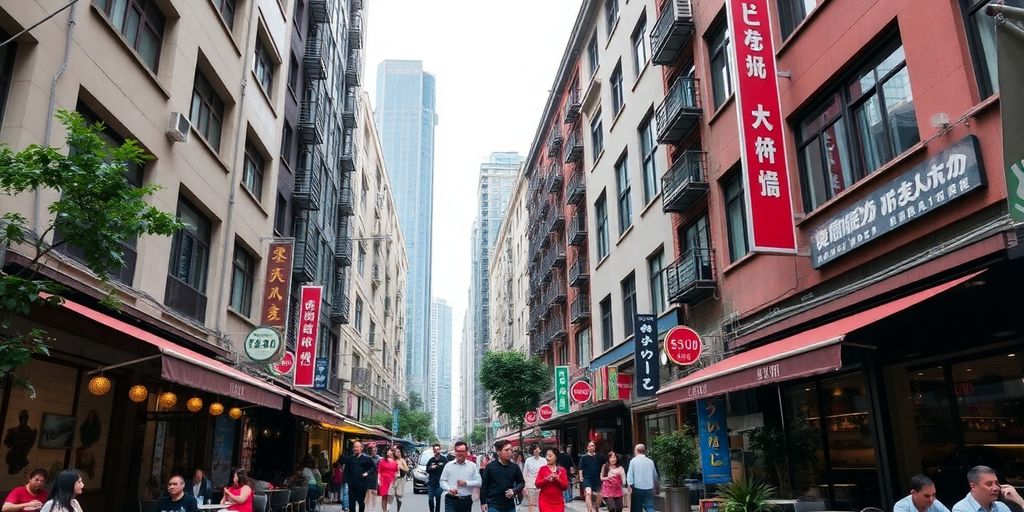
Shanghai is a massive city, and picking where to live can feel overwhelming. Loads of expats end up in a few key areas, each with its own vibe. It really depends on what you're after – buzzing nightlife, family-friendly parks, or something in between.
Pudong: The Financial Hub
Pudong is the modern face of Shanghai. Think skyscrapers, wide roads, and a general sense of being in a city of the future. Lujiazui, in particular, is where the financial action happens. If you work in finance, living here cuts down on the commute massively. It's got a very international feel, with plenty of high-end apartments and restaurants. The downside? It can feel a bit sterile compared to some of the older districts.
Jing’an: A Cosmopolitan Choice
Jing'an is a great mix of old and new. You'll find swanky shopping malls next to traditional temples, which is pretty cool. It's super central, so getting around is easy. Plus, there's a huge range of restaurants and bars. It's a popular spot for expats who want to be in the heart of things. Jing'an is a cosmopolitan choice for many.
Former French Concession: Historic Charm
The Former French Concession (FFC) is probably the most popular area for expats, and for good reason. It's got beautiful tree-lined streets, old colonial buildings, and a really relaxed atmosphere. There are tonnes of cafes, boutiques, and art galleries. It feels more European than Chinese in some ways. Accommodation ranges from renovated lane houses to modern apartments. It's a bit pricier than other areas, but many think it's worth it for the charm.
Living in the FFC is like stepping back in time, but with all the modern conveniences. The architecture is stunning, and there's always something interesting to see. It's a great place to wander around and get lost in the side streets.
Here's a quick comparison of these neighbourhoods:
| Neighbourhood | Vibe | Pros | Cons |
|---|---|---|---|
| Pudong (Lujiazui) | Modern, Financial | Close to work (if in finance), great views, international feel | Can feel sterile, less "authentic" |
| Jing'an | Cosmopolitan, Central | Central location, great restaurants and bars, good transport links | Can be crowded, more expensive |
| Former French Concession | Historic, Charming, Relaxed | Beautiful architecture, relaxed atmosphere, lots of cafes and shops | More expensive, can feel a bit touristy, parking can be a nightmare |
Family-Friendly Areas
Shanghai has some great spots if you're moving with your family. It's all about finding that balance between a good location and a nice environment for the kids. Let's have a look at some of the best.
Xuhui: Leafy Streets and Schools
Xuhui is a really popular choice for expats, and it's easy to see why. The tree-lined streets give it a relaxed feel, and there are loads of international schools around. Plus, you've got the Former French Concession right there, which is great for a wander and a coffee. It's got a good mix of old and new, so you get a bit of history with all the modern conveniences. It's a pretty safe bet if you're after a good quality of life.
Hongqiao: Convenient for Families
Hongqiao is another area that's geared towards families. It's got a big expat community, so you'll find it easy to settle in. One of the big draws is its proximity to Hongqiao International Airport and the Hongqiao Railway Station. This makes travelling super easy, which is a big plus when you've got kids. You'll also find plenty of family-friendly amenities, like international schools and shops.
Jinqiao: Spacious Living
If you're after a bit more space, Jinqiao could be the place for you. It tends to offer larger apartments and houses, which is great if you're used to having a garden or just want more room to breathe. It's a bit further out from the city centre, but that also means it's quieter and more relaxed. You'll find a good selection of international schools here too, making it a popular choice for families. For more insights, check out this expat interview about Shanghai with Georgia.
Living in Jinqiao means you might have a longer commute, but the trade-off is worth it for many families. The peace and quiet, combined with the larger living spaces, make it a great place to raise children. Plus, you're still close enough to the city to enjoy all that Shanghai has to offer.
Vibrant Districts for Young Professionals
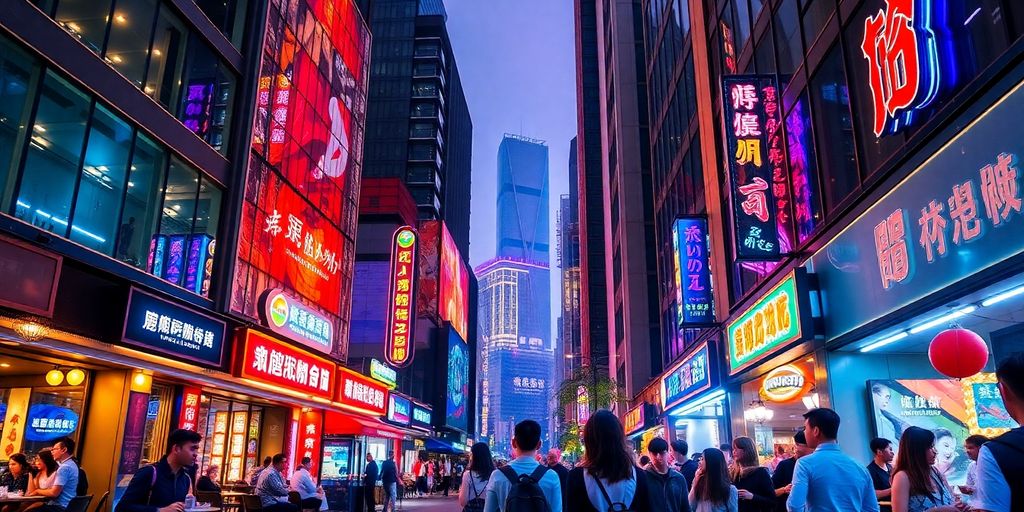
Shanghai has some great spots if you're a young professional looking for a lively place to live. You'll find areas that balance work and play, with easy access to the city's best bits.
Lujiazui: Iconic Skyline Living
Lujiazui is the place to be if you want that iconic Shanghai skyline view. It's the heart of the financial district, so it's super convenient if you work in finance. Think modern apartments, upscale restaurants, and easy access to big corporations. It's definitely a taste of big-city living. The Lujiazui area is at the core of Pudong's financial district and provides convenient access to large corporations and plenty of upscale dining and shopping.
- Close to major financial institutions
- Stunning views of the Bund
- Upscale shopping and dining options
Living in Lujiazui means you're surrounded by ambition and energy. It's a fast-paced environment, perfect for those who thrive in a dynamic setting.
Minhang: Suburban Peace
If you prefer a quieter life but still want to be connected to the city, Minhang could be a good shout. It's more suburban, with a relaxed vibe. You'll find more green spaces and a slower pace of life, which can be a welcome break from the intensity of the city centre. Minhang is served by the metro, so getting around is still pretty easy. Residents also have all the conveniences a family could need – shops, grocery shops, restaurants, bars, and golf courses.
- More affordable housing options
- Parks and green spaces
- Good transport links
Gubei: Diverse Community
Gubei is known for its diverse community, with a mix of expats and locals. You'll find a range of restaurants and shops reflecting this diversity. It's a well-established area with a good balance of residential and commercial spaces. It's also close to the city centre and has plenty of green spaces, including the Shanghai Zoo and Zhongshan Park. Changning District is a popular choice for both office and residential life. Many of its foreign residents come from the USA, France, Germany, the UK, and Japan.
- International supermarkets and restaurants
- Close to Hongqiao transport hub
- Established residential area
Cultural Hotspots in Shanghai
Shanghai is a city brimming with culture, offering a fascinating blend of the old and the new. From historical landmarks to modern art spaces, there's something to captivate every interest. It's a city that never sits still, constantly evolving and offering new experiences.
Huangpu: Heart of the City
Huangpu is truly the heart of Shanghai, a bustling district where you'll find some of the city's most iconic landmarks. It's a place where the energy is palpable, and there's always something happening. From the Bund's stunning waterfront views to the vibrant shopping streets of Nanjing Road, Huangpu offers a sensory overload in the best possible way. You can easily spend days exploring its hidden alleyways and discovering its many cultural treasures. It's also incredibly convenient for getting around, with excellent public transport links to top attractions in other parts of the city.
Xuhui: A Blend of History and Modernity
Xuhui offers a more relaxed vibe, with its leafy streets and historic architecture. The Former French Concession, located within Xuhui, is a particular highlight, known for its charming cafes, boutique shops, and art galleries. It's a great place to wander and soak up the atmosphere, and there are plenty of opportunities to discover hidden gems. Xuhui manages to seamlessly blend its historical charm with modern amenities, making it a popular choice for expats looking for a more laid-back lifestyle. It's also home to many international schools, making it a good option for families.
Jing’an: Cultural Highlights
Jing'an is a central district known for its cultural attractions, shopping malls, and trendy bars. It's a vibrant and cosmopolitan area, with a mix of old and new architecture. Jing'an Temple, after which the district is named, is a must-see, and there are plenty of other cultural sites to explore. The district is also well-connected, making it easy to get around the city. Jing'an is a popular choice for expats who want to be in the heart of the action, with easy access to cultural events and networking opportunities.
Shanghai is a city that constantly surprises and delights. Whether you're interested in history, art, or simply soaking up the atmosphere, there's something for everyone. It's a city that gets under your skin and stays with you long after you've left.
Education Options for Expat Children
Choosing the right school for your children is a big decision when moving abroad. Shanghai has a range of options, from international schools to local Chinese schools. Understanding the differences will help you make the best choice for your family.
International Schools Overview
Shanghai boasts a wide selection of international schools, offering various curricula like the International Baccalaureate (IB), American, and British systems. These schools generally cater to students from primary through to secondary level, though some also provide preschool and kindergarten programmes. These schools are popular with expat families because they offer education in English and often provide a more familiar learning environment.
Some well-known international schools include the Shanghai American School, Shanghai British International School, and the Shanghai Community International School. Many offer bilingual education, with classes in both English and Mandarin. Some even let students focus on one language more than the other. Getting your children into these schools can be competitive, with some having waiting lists, so it's best to start the application process early. The high cost of tuition, uniforms, and extracurricular activities can make Shanghai an expensive place to live for families. If you are looking for international schooling, Shanghai has many options.
Local Schools vs. International
While Shanghai's public schools have high academic standards, most classes are taught in Mandarin Chinese and follow the Chinese National Curriculum. This can be a challenge for children who aren't fluent in Mandarin. However, if you want your children to immerse themselves in the local culture and language, enrolling them in a Chinese public or private school is an option. Here's a quick comparison:
| Feature | International Schools | Local Schools |
|---|---|---|
| Language | Primarily English, often with bilingual options | Mandarin Chinese |
| Curriculum | International Baccalaureate, American, British, etc. | Chinese National Curriculum |
| Environment | Multicultural, diverse student body | Primarily Chinese students |
| Cost | Higher tuition fees | Lower tuition fees |
| Cultural Immersion | Limited | High |
Choosing between local and international schools depends on your family's priorities. If you value cultural immersion and language acquisition, a local school might be a good fit. If you prefer a familiar curriculum and English-language instruction, an international school is likely the better choice.
Extracurricular Activities
Extracurricular activities are an important part of a well-rounded education. Shanghai's schools, both international and local, offer a wide range of options, including:
- Sports: Football, basketball, swimming, tennis, and more.
- Arts: Music, drama, painting, and dance.
- Academic Clubs: Debate, science, and language clubs.
- Community Service: Opportunities to volunteer and give back to the community.
These activities help children develop new skills, make friends, and explore their interests. Make sure to consider the availability and quality of extracurricular activities when choosing a school. There are many school options to consider.
Healthcare Access for Expats
Public vs. Private Healthcare
Shanghai offers both public and private healthcare options, but they differ significantly. The public system is more affordable, but it can be crowded, and language barriers can be a problem. Private hospitals, on the other hand, usually have English-speaking staff and shorter waiting times, but they come at a higher cost. Many expats find the private system better suited to their needs, offering a higher standard of care and greater convenience. It's worth considering your options carefully to see what fits your budget and requirements.
Health Insurance Recommendations
Having comprehensive health insurance is pretty much essential for expats in Shanghai. It's not just about covering potential medical bills; it's about peace of mind. You'll want a policy that covers both inpatient and outpatient care, as well as emergency evacuation if needed. Some employers include health insurance in their expat packages, so check your contract. If not, there are plenty of international health insurance plans available. Do your research and compare policies to find one that suits your needs and budget. Consider these points when choosing a plan:
- Coverage area: Does it cover you only in Shanghai, mainland China, or worldwide?
- Direct billing: Does the insurer have direct billing agreements with hospitals in Shanghai?
- Pre-existing conditions: What is the policy on pre-existing medical conditions?
Emergency Services
In case of an emergency, knowing how to access services is vital. The emergency number in China is 120. However, language can be a barrier, so it's useful to have a list of English-speaking hospitals and clinics readily available. Some private hospitals offer 24/7 emergency services with English-speaking staff. It's also a good idea to familiarise yourself with the location of the nearest hospitals to your home and workplace. Consider downloading a translation app on your phone to help communicate with medical staff if needed. Also, it's worth noting that ambulance services might not be as quick or reliable as you're used to, so in some cases, taking a taxi to the hospital might be faster. For a smooth transition, consider this healthcare & insurance knowledge.
It's a good idea to create a small card with essential medical information (blood type, allergies, medical conditions) translated into Chinese. Keep this card with you at all times, as it can be invaluable in an emergency situation where communication is difficult.
Social Life and Community Engagement
Moving to a new city, especially one as vibrant and diverse as Shanghai, means building a new social life. Luckily, Shanghai has a thriving expat community and plenty of opportunities to connect with locals. It might take a bit of effort, but it's definitely worth it to feel at home.
Joining Expat Groups
Expat groups are a fantastic way to meet people who understand what you're going through. These groups often organise social events, offer advice, and provide a sense of community. Think of them as your instant support network. There are many groups to choose from, catering to different interests and nationalities. For example, you can find groups specifically for families, young professionals, or people from a particular country.
- InterNations: A global network with a strong presence in Shanghai.
- Meetup: A platform for finding local groups and events based on your interests.
- Specific nationality groups: Many countries have their own associations in Shanghai.
Cultural Events and Festivals
Shanghai is a city that loves to celebrate. From traditional Chinese festivals to international cultural events, there's always something going on. Attending these events is a great way to experience the local culture and meet new people. Keep an eye out for announcements in local media and expat publications. The Shanghai Tourism Festival is a big one, and Chinese New Year is an experience you won't forget. Don't be afraid to try new things and immerse yourself in the local scene. You might discover a new passion or make some lifelong friends.
Networking Opportunities
Networking isn't just for your career; it's also a great way to expand your social circle. Shanghai has a dynamic business environment, and there are plenty of opportunities to meet people at industry events, conferences, and workshops. Many professional organisations also host social gatherings. Remember that guanxi, or relationships, are important in China. Building connections can open doors both professionally and socially. You can learn about China's democratic system through networking events.
Getting involved in local activities is a great way to meet people and feel more connected to your new home. Consider volunteering for a local charity, joining a sports team, or taking a class in something you're interested in. These activities provide a shared experience and a chance to bond with others who have similar interests.
Wrapping Up Your Shanghai Adventure
In conclusion, settling down in Shanghai as an expat can be a rewarding experience. The city offers a mix of modern living and rich culture, making it an attractive place for newcomers. Whether you prefer the bustling vibe of Pudong or the laid-back charm of the Former French Concession, there’s a neighbourhood that fits your lifestyle. With a strong expat community, plenty of amenities, and a vibrant social scene, you’ll find it easy to make connections and feel at home. Just remember to embrace the adventure, keep an open mind, and enjoy everything this dynamic city has to offer.
Frequently Asked Questions
What are some popular neighbourhoods for expats in Shanghai?
Expats often choose areas like Pudong for its modern skyline and financial opportunities, Jing’an for its cosmopolitan vibe, and the Former French Concession for its historic charm.
Which areas are best for families?
Family-friendly areas include Xuhui, which has many schools and parks, Hongqiao for its convenient amenities, and Jinqiao, known for its spacious living and community feel.
What vibrant districts are suitable for young professionals?
Young professionals might enjoy Lujiazui for its iconic views, Minhang for a quieter suburban lifestyle, and Gubei for its diverse community and easy access to amenities.
What cultural hotspots should I explore in Shanghai?
Huangpu is the city’s heart with many attractions, while Xuhui offers a mix of history and modernity, and Jing’an features cultural highlights and events.
What educational options are available for expat children?
Shanghai has numerous international schools that cater to expat families, alongside local schools, but many expats prefer international due to language differences.
How is healthcare accessed for expats in Shanghai?
Expats can choose between public and private healthcare, with many opting for private due to better quality and English-speaking staff. It's advisable to have health insurance.
The Moveandstay editorial team writes about serviced living, workspaces, and city guides across Asia-Pacific.
Read next

Serviced Offices Surge in Popularity as Businesses Embrace Flexible Leasing
May 3, 2026
Hong Kong Serviced Apartment Market Buzzes with Sales and Investment Activity Amidst Shifting Valuations
May 3, 2026

ONYX Hospitality Group Elevates Shama Serviced Apartments with New Lifestyle Concept and Ambitious Expansion
Apr 26, 2026