
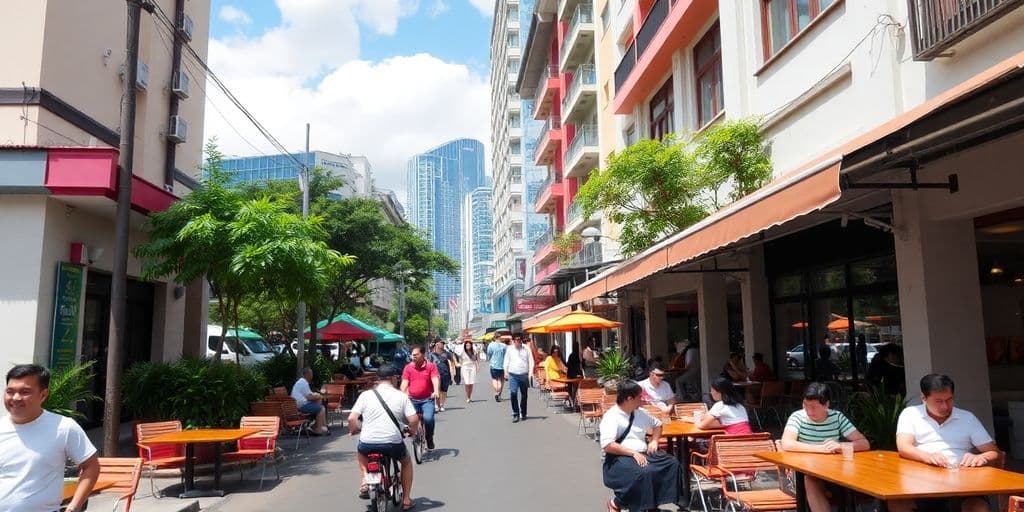
Manila, the bustling capital of the Philippines, is a vibrant mix of history, culture, and modernity. For expats looking to settle in this lively city, picking the right neighbourhood is key to ensuring a comfortable and enjoyable experience. Each area has its own unique charm, amenities, and lifestyle offerings, making it essential to understand what each has to offer. In this guide, we’ll explore some of the best areas for expats in Manila, highlighting what makes each location special and what you need to know before making the move.
Key Takeaways
- Makati is the financial hub with a cosmopolitan lifestyle, ideal for professionals.
- Bonifacio Global City offers modern amenities and a vibrant community for expats.
- Quezon City is family-friendly and more affordable, with good schools and parks.
- Malate combines cultural richness with a lively nightlife scene, perfect for young adults.
- Ortigas Centre serves as a business and residential area, providing accessibility and commercial opportunities.
Makati: The Heart of Business and Cosmopolitan Living
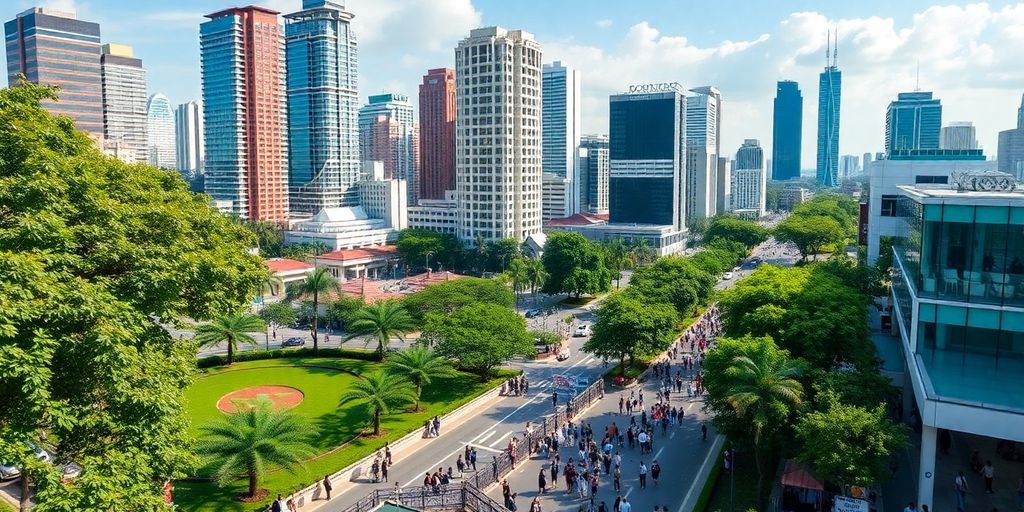
Makati is often called the financial heart of the Philippines, making it a top pick for professionals and expats wanting a lively city life. It's known for its impressive skyline, with skyscrapers housing big companies, banks and financial institutions. But it's not just about business; Makati offers a well-rounded experience.
Overview of Makati
Makati is a bustling area, full of energy. It's where many multinational corporations have their offices, so it's great for job opportunities and networking. You'll find people from all over the world here, creating a diverse and exciting atmosphere. The city is well-maintained, with good infrastructure, making it easy to get around and enjoy city living. For those seeking a dynamic urban lifestyle, Makati is a prime choice.
Cost of Living in Makati
Living in Makati can be more expensive than in other parts of Manila, but many feel it's worth it for the convenience and lifestyle. Rent for apartments varies depending on size and location, but expect to pay a premium for being in the centre of the action. Groceries and eating out can also be pricier, especially in the more upscale areas. However, salaries in Makati tend to be higher too, which can help balance things out. Here's a rough idea of monthly expenses:
| Expense | Estimated Cost (USD) |
|---|---|
| Rent (1-bed apt) | 800 - 1500 |
| Groceries | 300 - 500 |
| Transportation | 100 - 200 |
| Entertainment | 200 - 400 |
Safety and Security in Makati
Safety is a big concern for anyone moving to a new city, and Makati takes it seriously. There's a strong police presence, and many buildings have security personnel. Street lighting is generally good, and there are CCTV cameras in many public areas. Of course, like any big city, it's important to be aware of your surroundings and take precautions against petty crime. But overall, Makati is considered a safe place to live. It's good to know that there are enhanced safety measures in place.
Living in Makati means being in the middle of everything. You're close to work, shopping, restaurants, and entertainment. It's a fast-paced environment, but it's also a comfortable and convenient place to call home. The city offers a great quality of life for those who enjoy the hustle and bustle of urban living.
Here are some things to keep in mind:
- Be aware of your surroundings, especially at night.
- Avoid walking alone in poorly lit areas.
- Keep your valuables out of sight.
- Use reputable taxi services or ride-hailing apps.
Bonifacio Global City: A Modern Expat Haven
BGC, or Bonifacio Global City, is really something else. It's known for its modern design, green spaces, and how easy it is to walk around. What used to be a military base has become a lively place to live, and lots of expats call it home.
Lifestyle and Amenities
BGC is all about modern living. You'll find fancy condos and apartments, many with pools, gyms, and round-the-clock security. These places offer a comfy and easy life for expats who want a high standard of living. It's a very walkable area, with wide pavements and bike lanes. You can easily walk to shops, restaurants, and parks. There's also plenty to do, from art galleries to unique shops. For those who enjoy a bit of retail therapy, the area boasts a variety of shopping and dining options.
- Upscale condos with modern amenities
- Pedestrian-friendly streets and bike lanes
- Diverse range of dining and shopping options
Transportation Options
Getting around BGC and to other parts of Metro Manila is pretty straightforward. There are buses and taxis available. The BGC Bus is a handy way to get around the area itself. Plus, it's not too hard to connect to the MRT (Metro Rail Transit) if you need to go further afield. It's worth noting that traffic can be a pain, especially during rush hour, so plan your journeys accordingly.
Community and Culture
BGC has a real community feel. There are events and gatherings where you can meet people. It's a safe and vibrant place to live. You'll find a mix of locals and expats, making it a diverse and interesting place to be. The area is also rich in cultural attractions. You can always find something new to explore, from public art to local festivals.
Living in BGC means embracing a modern lifestyle in a secure and vibrant community. The area’s well-planned infrastructure, pedestrian-friendly streets, and abundance of amenities make it an ideal choice for expats seeking a comfortable and convenient urban living experience. While the cost of living can be higher than in other parts of Manila, the benefits of living in BGC often outweigh the expenses.
Quezon City: Family-Friendly and Affordable
Quezon City is one of the biggest cities in Metro Manila, and it's known for being a good place for families because it's more affordable than places like Makati or BGC. You'll find a mix of everything here, from busy streets to quiet parks. It's also home to some major TV networks and government offices.
Educational Institutions
If you've got kids, Quezon City is a great choice. It's got some of the best universities and schools in the Philippines. This means there are lots of options for quality education, from pre-school all the way up to college. The presence of these schools also gives the city a young, energetic vibe.
Parks and Recreation
Need some green space? Quezon City has plenty of parks where you can relax and get away from the city noise. Quezon Memorial Circle is a big park with a shrine, perfect for a walk or a picnic. Then there's the Ninoy Aquino Parks and Wildlife Centre, which is great for seeing local animals and plants. These places give you a chance to learn about the Philippines and enjoy nature.
Cost of Living in Quezon City
One of the best things about Quezon City is that it's easier on the wallet than some other parts of Manila. You can find apartments and houses that fit different budgets. Generally, housing is more affordable here. This makes it a good option if you want to save some money while still living in a lively city. Rent for a one-bedroom apartment can be around $400 to $800 USD per month.
Quezon City has a unique mix of city and suburban life. There are local markets, restaurants, and parks, which helps create a strong community feeling. It's easy to meet people and feel at home here. Whether it's at community events or just at the local shop, you'll find it easy to connect with your neighbours.
Malate: A Blend of Culture and Nightlife
Malate is a district that offers a unique mix of old and new. It's known for its cultural spots and lively atmosphere, making it a popular choice for expats. You'll find a bit of everything here, from historical sites to modern entertainment.
Historical Significance
Malate is steeped in history, and you can see it everywhere. The area is home to landmarks like the Malate Church and is close to places like Intramuros and Rizal Park. These spots offer a glimpse into the Philippines' past and are great for a day of exploring. The architecture itself tells a story, with many buildings retaining their old-world charm.
Dining and Entertainment
If you're looking for something to do, Malate has plenty to offer. The nightlife in Malate is vibrant, with a range of bars and restaurants to suit all tastes. Whether you want a quiet evening or a night out dancing, you'll find it here. The food scene is diverse, with both local and international options available.
- Live music venues
- Rooftop bars
- International cuisine
Malate's entertainment scene is always buzzing. There's a real mix of people, and you're sure to find something that appeals to you. It's a great place to meet new people and experience the local culture.
Living Costs in Malate
One of the advantages of living in Malate is that it can be more affordable than some other expat areas. While prices can vary, you can generally find reasonable rental rates here. This makes it an attractive option if you're on a budget. You can find a decent place without breaking the bank, leaving you with more money to enjoy the local attractions.
| Expense | Estimated Cost (PHP) | Estimated Cost (USD) |
|---|---|---|
| Rent (1-bed apt) | 20,000 - 40,000 | 350 - 700 |
| Utilities | 3,000 - 5,000 | 50 - 90 |
| Groceries | 5,000 - 8,000 | 90 - 140 |
Ortigas Centre: A Business and Residential Hub
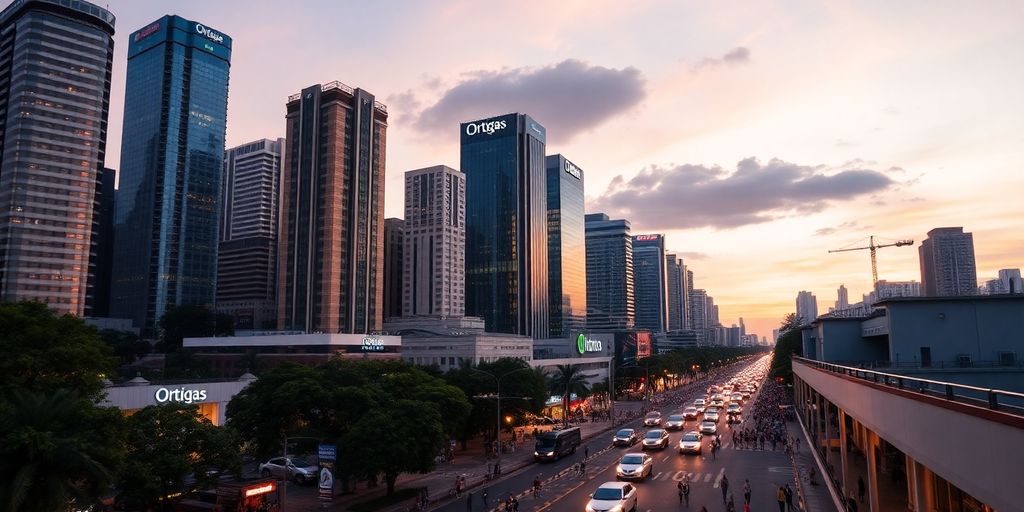
Ortigas Centre, nestled between Pasig and Mandaluyong, is a key business district. It's known for its skyscrapers and a mix of residential, commercial, and retail spaces. It's a pretty good spot if you want to be in the middle of things.
Commercial Opportunities
Ortigas is a hub for various industries, making it ideal for professionals. Many multinational corporations and local businesses have offices here. This creates a lot of job opportunities and networking possibilities. The area is always buzzing with activity during the work week.
Residential Options
You'll find a range of luxury condominiums and apartments in Ortigas, catering to different tastes and budgets.
- High-rise condos with city views
- More affordable apartment options
- Serviced residences for short-term stays
Many buildings offer amenities like gyms, pools, and function rooms, making life a bit more comfortable.
Accessibility and Transport
Getting around from Ortigas is relatively easy.
- The MRT runs through the area.
- Buses and taxis are readily available.
- Major roads connect Ortigas to other parts of Metro Manila.
The transport infrastructure makes commuting to work or exploring other parts of the city pretty straightforward. However, like any major business district, traffic can be a pain during peak hours, so plan your trips accordingly.
Alabang: Suburban Comfort with Urban Access
Alabang offers a more relaxed, suburban lifestyle compared to the hustle and bustle of central Manila. It's a popular choice for expats seeking a quieter environment without sacrificing access to urban amenities. It's known for its spacious residential areas, family-friendly atmosphere, and proximity to business hubs.
Community Vibe
Alabang has a strong sense of community, making it easier for expats to settle in and feel at home. You'll find:
- Numerous parks and green spaces perfect for families.
- Active homeowner associations that organise events and activities.
- A generally more laid-back and friendly atmosphere than the busier parts of Manila.
Alabang provides a welcome escape from the intensity of city life. The slower pace and emphasis on community make it an attractive option for those seeking a more balanced lifestyle.
Shopping and Dining
Alabang boasts a wide array of shopping and dining options, catering to diverse tastes and budgets. Here's a quick look:
- Malls: Alabang Town Centre, Festival Mall, and South Park Centre offer a mix of high-end brands and local retailers.
- Restaurants: From international cuisine to Filipino favourites, you'll find plenty of choices.
- Nightlife: While not as intense as Makati, Alabang has a decent selection of bars and pubs for evening entertainment.
Healthcare Facilities
Access to quality healthcare is a key consideration for expats. Alabang has several reputable hospitals and clinics, including:
- Asian Hospital and Medical Centre: A leading hospital with a wide range of specialities.
- Medical clinics: Numerous clinics offer general check-ups and specialist consultations.
- Easy access to health insurance options to cover medical expenses.
Pasig: Emerging Expat Destination
Pasig is quickly becoming a popular choice for expats looking for a more laid-back atmosphere while still being close to the action. It offers a mix of residential areas, commercial hubs, and recreational spaces, making it an attractive option for families and individuals alike. The city is undergoing rapid development, with new condominiums, shopping centres, and restaurants popping up all the time.
Local Attractions
Pasig boasts a number of attractions that appeal to a wide range of interests. Here are a few:
- Ortigas Park: A green space perfect for a relaxing stroll or a picnic.
- Pasig Rainforest Park: An eco-tourism destination with a mini-zoo, swimming pool and botanical garden.
- Estancia Mall: A modern shopping complex with a variety of retail outlets and dining options.
Pasig is also known for its vibrant food scene, with numerous restaurants and cafes offering a diverse range of cuisines. From traditional Filipino dishes to international flavours, there's something to satisfy every palate. The city also hosts regular food markets and festivals, providing a great opportunity to sample local delicacies and experience the local culture.
Cost of Living
One of the main draws of Pasig is its relatively affordable cost of living compared to areas like Makati or BGC. You can often find larger living spaces for a lower price, which is a big plus for families. Groceries and transportation are also generally more budget-friendly. This makes it easier for retirees transitioning to life in the Philippines after working abroad.
Here's a rough idea of monthly expenses (in PHP):
| Expense | Estimated Cost |
|---|---|
| Rent (Apartment) | 20,000 - 40,000 |
| Groceries | 8,000 - 12,000 |
| Transportation | 3,000 - 5,000 |
| Utilities | 4,000 - 7,000 |
Safety Considerations
Like any urban area, it's important to be aware of your surroundings and take precautions to ensure your safety. Here are a few tips:
- Avoid walking alone at night in poorly lit areas.
- Keep your valuables out of sight.
- Be wary of scams and petty theft.
Overall, Pasig is considered a safe city, but it's always best to be cautious and take necessary precautions. The local government is actively working to improve safety and security in the area, making it an increasingly attractive option for expats. It's a great place to experience the dynamic culture of Manila without the hefty price tag.
Final Thoughts on Living in Manila
So, there you have it. Manila is a city full of life, and it’s got a bit of everything for expats. Whether you’re after the hustle and bustle of Makati or the laid-back vibe of Quezon City, there’s a spot for you. Just remember, each area has its own character and quirks. It’s worth taking the time to explore and find what suits you best. Don’t forget to pick up a few Tagalog phrases; it really helps in making connections with the locals. Overall, settling in Manila can be a rewarding experience if you choose the right neighbourhood that fits your lifestyle. Happy moving!
Frequently Asked Questions
What is the average cost of living for expats in Manila?
The cost of living in Manila can change a lot based on where you live and your lifestyle. In areas like Makati and Bonifacio Global City, it tends to be more expensive, while places like Quezon City and Malate offer cheaper options. Generally, a single expat might spend between $800 and $2,500 a month, covering rent, food, transport, and fun.
Is Manila a safe place for expats?
Like any big city, some areas in Manila are safer than others. It's important to look into specific neighbourhoods to understand their safety. Makati and Bonifacio Global City are usually seen as safer because of better security. Always take care, like avoiding walking alone at night and staying aware of your surroundings.
How do people get around in Manila?
Manila has various transport options including buses, jeepneys, taxis, and the Metro Rail Transit (MRT). However, traffic can be quite heavy, especially during busy times. It's smart to plan for longer travel times and consider using ride-hailing apps or the MRT to skip the traffic.
What amenities can expats find in Manila?
Expats in Manila can enjoy many amenities like shopping malls, international hospitals, good schools, parks, and places for fun. Most neighbourhoods have international restaurants, grocery stores, and gyms to suit different lifestyles, making life in Manila comfortable.
What is the local culture like in Manila?
Manila's culture is a lively mix of traditional Filipino customs and modern influences. Expats can enjoy a rich variety of food, music, dance, and festivals. Filipinos are known for being friendly and welcoming, which helps expats feel at home. Learning some basic Tagalog phrases can also help build friendships.
Are there good healthcare facilities in Manila?
Yes, Manila has many well-equipped hospitals and clinics. However, most hospitals require a down payment when you are admitted. It's a good idea to check if your health insurance will cover the costs before you go.
The Moveandstay editorial team writes about serviced living, workspaces, and city guides across Asia-Pacific.
Read next
Serviced Offices Surge in Popularity as Businesses Embrace Flexible Leasing
May 3, 2026
Hong Kong Serviced Apartment Market Buzzes with Sales and Investment Activity Amidst Shifting Valuations
May 3, 2026

ONYX Hospitality Group Elevates Shama Serviced Apartments with New Lifestyle Concept and Ambitious Expansion
Apr 26, 2026