
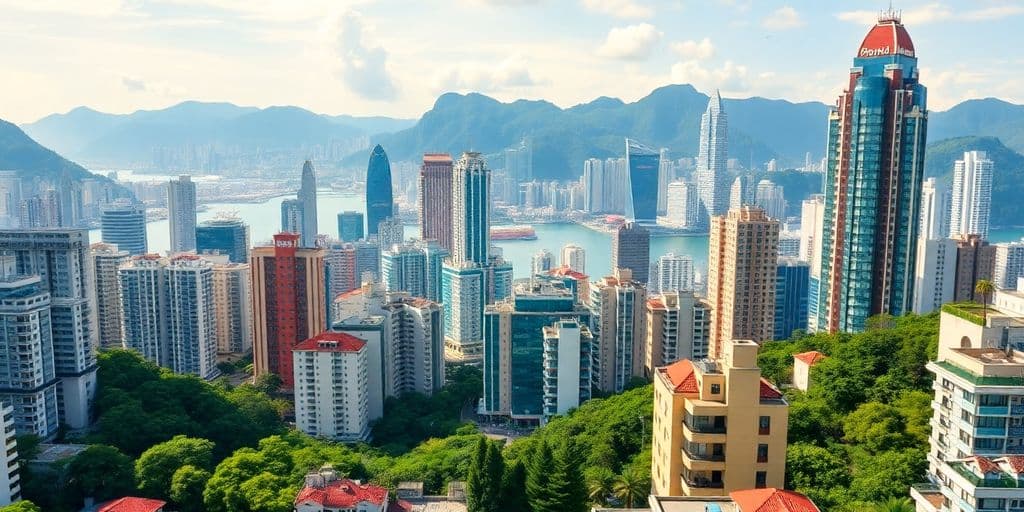
For the full guide, see Where Should Expats Live in Hong Kong? Top Neighborhoods Revealed.
Hong Kong, often dubbed the 'Pearl of the Orient', is a vibrant city that caters to a diverse range of lifestyles. For expats, finding the right neighbourhood can be a bit of a challenge, especially with so many options available. Whether you're looking for a lively social scene, family-friendly spaces, or convenient transport links, this guide will help you discover the best areas for expats in Hong Kong. From bustling districts to serene retreats, there's something for everyone in this dynamic city.
Key Takeaways
- Happy Valley and Mid-Levels offer great community vibes for expats.
- Lan Kwai Fong is the go-to spot for nightlife and socialising.
- Family-friendly areas like Discovery Bay and Sai Kung are perfect for those with children.
- Be prepared for high housing costs; budgeting is essential in Hong Kong.
- Public transport is efficient, making commuting manageable for expats.
Popular Neighbourhoods For Expats
Choosing where to live in Hong Kong as an expat can feel overwhelming. There are so many options, and each neighbourhood has its own distinct vibe. It really depends on what you're after – proximity to work, good schools, or a lively social scene. Let's take a look at some popular choices.
Happy Valley
Happy Valley, part of the Wai Chai District, is a great spot if you're looking to network and build your business. It's also close to some lovely green spaces. The area is known for its horse racing track, which is a major social hub. You'll find a mix of older and newer buildings, and the atmosphere is generally quite relaxed. It's a bit further from the main business districts, but the transport links are good. If you're after a community feel, Happy Valley could be a good fit.
Causeway Bay
Causeway Bay is a shopper's paradise! It's always buzzing with activity, day and night. You'll find everything from high-end department stores to small, independent boutiques. It's also a fantastic place for foodies, with a huge range of restaurants and street food stalls. Be warned, though, it can get very crowded, especially on weekends. Housing here tends to be smaller and more expensive than in some other areas. If you thrive on energy and convenience, Causeway Bay might be for you. It's also well-connected by public transport, making it easy to get around the city.
Mid-Levels
Mid-Levels is essentially three neighbourhoods rolled into one, each with something slightly different. It stretches from above Wan Chai to above Sai Ying Pun. Mid-Levels Central boasts spacious apartments and complexes with great facilities. Mid-Levels West is popular with singles and young couples due to its proximity to the CBD and entertainment spots like Soho and Lan Kwai Fong. Families often gravitate towards Mid-Levels East, thanks to its closeness to Hong Kong Park and several top international schools. It's a bit quieter and more residential than Causeway Bay, but still offers easy access to the city centre. The area is known for its convenient location and diverse housing options.
Finding the right neighbourhood is a personal thing. Think about what's important to you – your budget, your lifestyle, and your priorities. Do you want to be in the heart of the action, or somewhere a bit more peaceful? Do you need to be close to work or school? Once you've answered these questions, you'll be in a much better position to make a decision.
Social Life and Entertainment
Hong Kong is a vibrant city, and its social scene is a big draw for many expats. There's always something happening, whether you're into buzzing nightlife, delicious food, or just soaking up the atmosphere. It's easy to find your niche and make friends, no matter what your interests are.
Lan Kwai Fong
Lan Kwai Fong (LKF) is known as the party central. It's a small area packed with bars, restaurants and clubs. It's the place to go if you want a lively night out. It's also the only place in Hong Kong where drinking in the street is officially allowed, which adds to the atmosphere. However, Lan Kwai Fong's transformation is noticeable, with a shift in its cultural dynamics due to changing demographics.
Wan Chai
Wan Chai is another popular spot, especially with expat business types. It has a reputation for being a place where the party never stops. You'll find plenty of British-style pubs and bars, a reminder of Hong Kong's colonial past. If you're into live music, Wan Chai is one of the few places where you can catch live Western music, often played by Filipino bands doing covers of 90s rock. It's a bit of a throwback, but always a good time.
Stanley
Stanley offers a more relaxed vibe compared to the hustle and bustle of LKF and Wan Chai. It's a great place to spend a weekend afternoon, browsing the market, enjoying a meal with a view, or just chilling on the beach. It's popular with families and those who prefer a quieter social scene. You can find some nice restaurants and bars here, but it's more about enjoying the scenery and a slower pace of life.
Hong Kong offers a mix of fast-paced work life and leisure. Residents often spend weekends enjoying the city’s natural beauty, dining out, and engaging in leisure activities. The city celebrates traditional festivals like Chinese New Year, Mid-Autumn Festival, and the Dragon Boat Festival, alongside international events like New Year’s fireworks and the Hong Kong Arts Festival.
Here's a quick comparison of the nightlife scenes:
| Area | Vibe | Best For |
|---|---|---|
| Lan Kwai Fong | High-energy, party central | Those wanting a wild night out |
| Wan Chai | Lively, pub-focused | Expats looking for familiar pub atmosphere |
| Stanley | Relaxed, scenic | Families and those seeking a quieter scene |
Other options for socialising and entertainment include:
- Victoria Harbour Promenade: Enjoy stunning views and the Symphony of Lights show.
- Mongkok: Experience authentic Hong Kong street food and culture.
- Cha Chaan Tengs: Mix with locals and enjoy traditional Hong Kong-style food.
Family-Friendly Areas
Hong Kong, despite its reputation as a bustling metropolis, boasts several areas perfect for families. These neighbourhoods offer a blend of spacious living, access to green spaces, and a strong sense of community, making them ideal for raising children. Let's explore some of the top choices.
Discovery Bay
Discovery Bay (DB) is a unique, car-free community on Lantau Island. This makes it exceptionally safe and peaceful for families with young children. Imagine kids being able to cycle freely without the worry of traffic!
- No private cars are allowed, with transport handled by ferries, buses and golf carts.
- The Discovery Bay Plaza offers restaurants, shops and even an ice rink.
- A 30-minute ferry connects DB to Central, making it commutable for parents.
Living in Discovery Bay feels like escaping the city without actually leaving Hong Kong. The community is incredibly welcoming, and the kids have so much freedom to play outdoors. It's a bit of a bubble, but a very happy one.
Sai Kung
Sai Kung, known as Hong Kong's 'back garden', is a haven for outdoor enthusiasts. It offers a more relaxed pace of life compared to the city centre, with stunning beaches, hiking trails, and a charming village atmosphere. It's a great place to find family-friendly environments.
- Abundant green spaces and beaches for outdoor activities.
- A wide range of housing options, from village houses to modern apartments.
- Excellent seafood restaurants and local markets.
Repulse Bay
Repulse Bay is one of the most desirable residential areas on Hong Kong Island. It's known for its beautiful beach, luxury apartments, and convenient access to amenities. It's a popular choice for expats seeking a high-quality lifestyle with upscale neighbourhoods.
- The Repulse Bay Arcade and The Pulse retail centres offer beach-side dining and fitness studios.
- Schools, doctors, and beauty salons are all conveniently located nearby.
- The beach is a major draw, providing a perfect spot for relaxation and recreation.
Cost of Living Considerations
Moving to a new city always involves thinking about the money side of things, and Hong Kong is no different. It's known for being pricey, but with some planning, it's manageable. Let's break down the main things you'll need to consider.
Housing Expenses
Housing is probably going to be your biggest expense. Space is limited, so prices are high, especially in popular areas. You'll find that apartments are often smaller than what you might be used to, and the closer you are to the city centre, the more you'll pay. Consider looking at areas a bit further out to save some money.
Here's a rough idea of what you might pay:
| Type of Accommodation | Location | Monthly Cost (HKD) |
|---|---|---|
| Serviced one-bedroom apartment | Four Seasons Place | 62,000 |
| Two-bedroom unserviced apartment | Southern District (10km from centre) | 72,000 |
| Small two-bedroom unserviced apartment (unfurnished) | Causeway Bay (4.2km from centre) | 31,000 |
Lifestyle Choices
Your lifestyle will have a big impact on your expenses. Eating out, transport, and entertainment can all add up. Hong Kong has loads of amazing restaurants, but dining out frequently will definitely increase your spending. Public transport is good and relatively cheap, so that can help keep costs down. Think about what's important to you and where you're happy to cut back.
- Eating out vs. cooking at home
- Frequency of travel
- Entertainment habits
Budgeting Tips
Making a budget is essential for managing your money in Hong Kong. Here are a few tips:
- Track your spending to see where your money is going.
- Set realistic goals for saving.
- Look for deals and discounts, especially on groceries and dining.
Living in Hong Kong requires careful financial planning. Understanding where your money goes and making smart choices can make a big difference. Don't be afraid to adjust your lifestyle to fit your budget. Remember to factor in expat salaries which are often adjusted to reflect the high cost of living.
Transportation and Accessibility
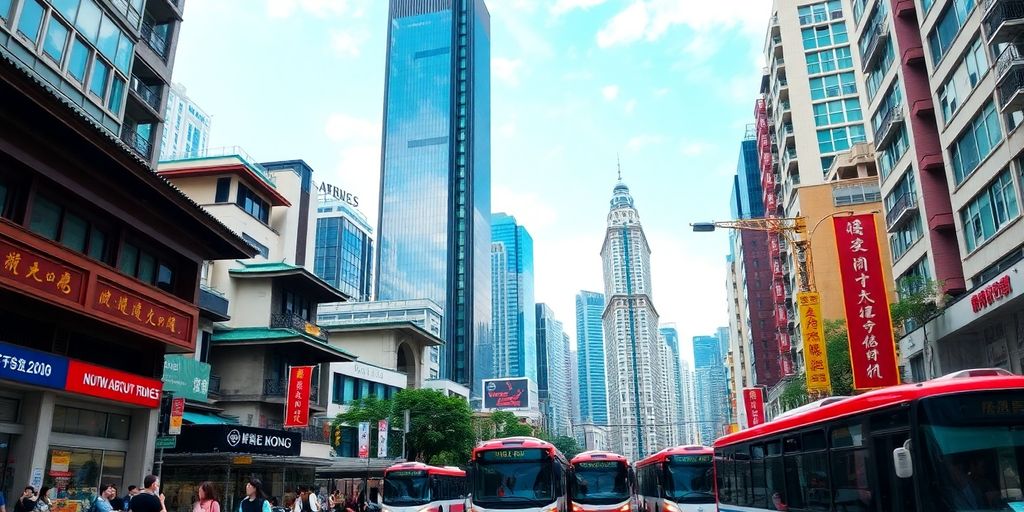
Public Transport Options
Hong Kong boasts a highly efficient and extensive public transport system. The MTR train to the city is the backbone, connecting most major areas quickly and reliably. Buses, minibuses, trams (especially on Hong Kong Island), and ferries provide comprehensive coverage. Octopus cards make paying for all these services a breeze. For example, getting from Tung Chung to Central takes about 30 minutes by train. Even outlying islands like Lamma and Cheung Chau are easily accessible via frequent ferry services.
Commute Times
Commute times in Hong Kong can vary significantly depending on where you live and work. While the public transport is efficient, peak hour congestion is a reality. Living closer to the city centre generally means shorter commute times, but higher housing costs. Areas like Discovery Bay, while offering a more relaxed lifestyle, require a 30-minute ferry to Central. Tai Po, despite seeming far, will have faster commutes once the MTR Sha Tin to Central Link is fully operational. It's worth considering commute times when choosing a neighbourhood.
Accessibility for Families
Accessibility for families in Hong Kong goes beyond just transport. It's about ease of getting around with children, prams, and all the associated paraphernalia. Here are some points to consider:
- Pram-Friendly Transport: While the MTR and buses are generally accessible, some older buses and minibus routes can be challenging with prams.
- Walkability: Some neighbourhoods are more pedestrian-friendly than others. Discovery Bay, for example, has no cars, making it very safe for families.
- Proximity to Amenities: Living close to schools, parks, and shops can significantly reduce the need for long commutes with children.
When choosing a place to live, consider how easy it will be to get your children to school, activities, and appointments. A short, stress-free commute can make a big difference to your family's quality of life.
Cultural Integration and Community
Moving to a new country is exciting, but it also comes with its challenges. Getting involved in the local culture and finding a community can make a huge difference in how quickly you settle in and how much you enjoy your time in Hong Kong. It's not just about seeing the sights; it's about feeling like you belong.
Expat Clubs and Organisations
Expat clubs are a brilliant way to meet people who understand what you're going through. They often organise events, from casual meet-ups to more structured activities, making it easier to find the right community. These groups can be a lifeline when you're feeling a bit lost or homesick. Think of them as your instant support network, ready to offer advice, friendship, and a good laugh.
Local Events and Festivals
Hong Kong is a city that loves a celebration! From Chinese New Year to the Dragon Boat Festival, there's always something going on. Getting involved in these events is a fantastic way to experience the local culture firsthand. Don't be afraid to try new things, whether it's sampling street food or watching a traditional lion dance. It's all part of the adventure.
- Chinese New Year celebrations
- Dragon Boat Festival races
- Mid-Autumn Festival lantern displays
Networking Opportunities
Networking isn't just about your career; it's about building connections. Hong Kong has a thriving business scene, and there are plenty of opportunities to meet people from all walks of life. Attend industry events, join professional associations, or even just strike up a conversation at your local coffee shop. You never know who you might meet or what opportunities might arise.
Making an effort to learn a few Cantonese phrases can go a long way in building relationships with locals. It shows that you're interested in their culture and willing to make an effort to connect. Even a simple "nei hou" (hello) can break the ice and open doors to new friendships.
Education and Schools

International Schools
Okay, so you're moving to Hong Kong and have kids? One of the first things on your mind is probably schools. Luckily, Hong Kong has a pretty good selection of international schools. These schools often follow curricula like the British, American, or International Baccalaureate (IB) system.
Finding the right school can feel like a mission. There are loads of options, and they all seem to have different strengths. Some are known for their amazing facilities, others for their strong academic results, and some for their focus on the arts or sports. It really depends on what you're looking for. Don't forget to check out the list of international schools to get a better idea of what's available.
- Consider the curriculum offered (IB, British, American, etc.).
- Think about the school's location and how it fits with your commute.
- Check out the school's facilities and extracurricular activities.
It's worth visiting a few schools and talking to current parents and students if you can. This will give you a much better feel for the school's atmosphere and whether it's the right fit for your child.
Local Education System
The local education system in Hong Kong is different from what you might be used to. It's generally quite academic and competitive. Cantonese is the primary language of instruction, although many schools also have strong English programmes. If your kids don't speak Cantonese, it could be a bit of a challenge at first, but many schools offer support for non-native speakers.
Schooling Options for Families
So, what are your options? Well, you've got international schools, local schools, and even some schools that offer a blend of both. International schools are usually the go-to for expat families, but they can be quite pricey. Local schools are more affordable, but the language barrier can be a hurdle. There are also Direct Subsidy Scheme (DSS) schools, which are private schools that receive some government funding. These can be a good middle ground, offering a more international environment at a lower cost than full-blown international schools. It's worth doing your research and visiting a few to see what feels right. Think about things like the school curriculum and the learning environment. Ultimately, the best choice depends on your family's needs and priorities.
Final Thoughts on Expating in Hong Kong
In conclusion, finding the right spot in Hong Kong as an expat can really shape your experience here. Each area has its own vibe and perks, whether you’re after a lively social scene or a quieter neighbourhood for family life. Happy Valley, Stanley, and Causeway Bay are just a few of the popular choices that cater to different lifestyles. It’s all about what suits you best. So, take your time exploring, meet new people, and don’t hesitate to ask locals for tips. With a bit of research and an open mind, you’ll soon feel right at home in this vibrant city.
Frequently Asked Questions
What are the best neighbourhoods for expats in Hong Kong?
Some of the top areas for expats include Happy Valley, Causeway Bay, and Mid-Levels, each offering unique benefits and amenities.
Is Hong Kong a good place for families?
Yes, areas like Discovery Bay, Sai Kung, and Repulse Bay are very family-friendly, with good schools and parks.
How expensive is it to live in Hong Kong?
Living costs can be high, especially for housing. It's important to budget wisely and consider lifestyle choices.
What is the public transport like in Hong Kong?
Hong Kong has an excellent public transport system, including buses, trams, and the MTR, making it easy to get around.
How can expats integrate into the local community?
Joining expat clubs, attending local events, and networking are great ways to meet people and feel part of the community.
What schooling options are available for expat children?
There are many international schools in Hong Kong, as well as local schools, offering a variety of education choices for families.
The Moveandstay editorial team writes about serviced living, workspaces, and city guides across Asia-Pacific.
Read next

Serviced Offices Surge in Popularity as Businesses Embrace Flexible Leasing
May 3, 2026
Hong Kong Serviced Apartment Market Buzzes with Sales and Investment Activity Amidst Shifting Valuations
May 3, 2026

ONYX Hospitality Group Elevates Shama Serviced Apartments with New Lifestyle Concept and Ambitious Expansion
Apr 26, 2026