

Bangkok's office scene is definitely changing. It's not just about having a desk anymore. Companies are realizing that people need different things from their work environment now. Think less about rigid schedules and more about how work fits into life. Plus, with more older folks in the workforce and new tech popping up, businesses have to get creative. This article looks at what's taking the place of old-school office setups and what companies are doing to keep up.
Key Takeaways
- The office market in Bangkok is seeing a shift, with a move away from older buildings towards premium spaces, and a rise in flexible office space Bangkok options.
- Thailand's workforce is aging, meaning companies need to adapt by redesigning roles for experienced workers and using automation to fill labor gaps.
- Work arrangements are evolving beyond simple hybrid models, focusing on designing work around employees' lives and personal needs.
- Employee wellbeing, including mental and financial health, is now a top priority for businesses aiming to build trust and long-term loyalty.
- Talent acquisition is moving towards skills-based hiring and human-AI collaboration, requiring new HR strategies.
The Shifting Landscape Of Bangkok's Office Market
The Rise Of Flexible Office Space Bangkok
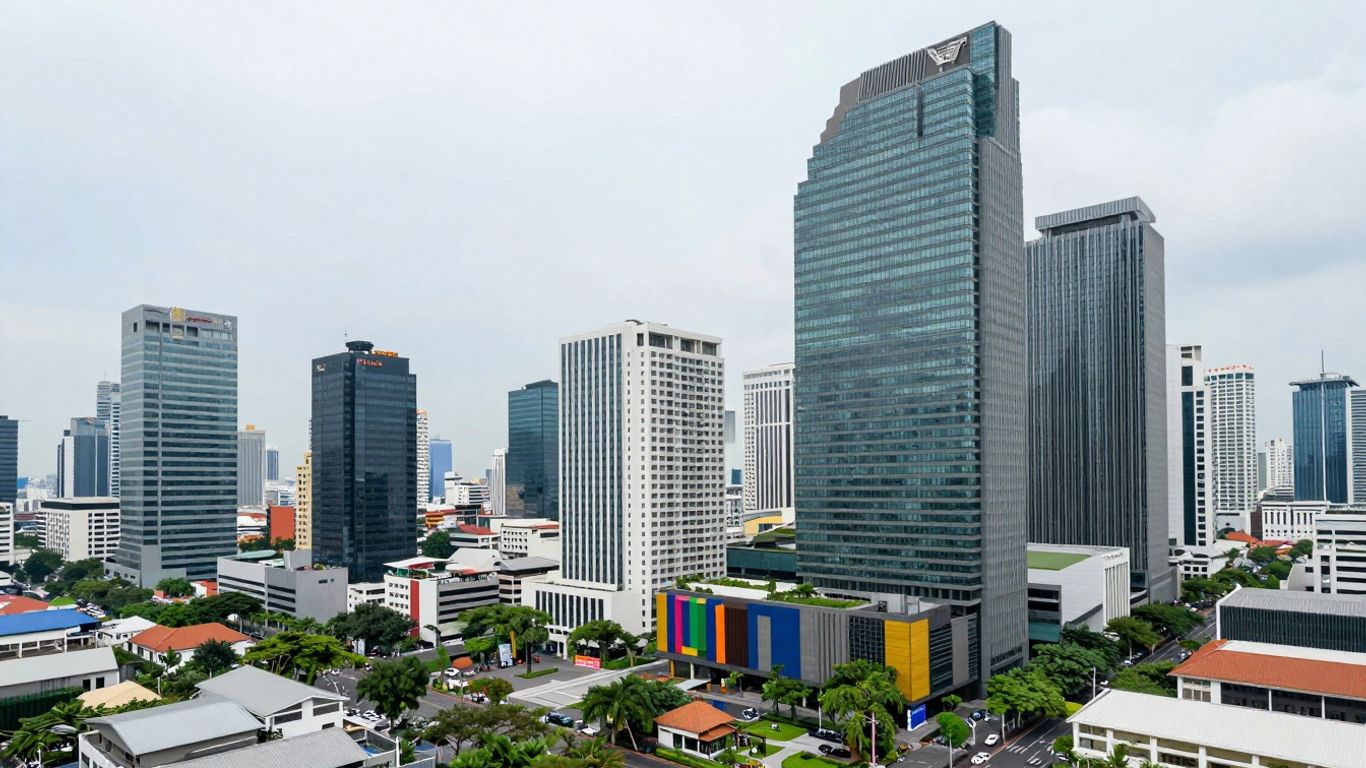
Bangkok's office market is definitely going through some changes. It's not just about having a desk anymore. Companies are realizing that a one-size-fits-all approach to office space just doesn't cut it these days. We're seeing a big move towards flexible office solutions. Think co-working spaces, serviced offices, and even companies carving out smaller, more adaptable areas within their own buildings. This shift is driven by a few things, mainly the need for businesses to be nimble and the fact that employees aren't always in the office five days a week.
- Demand for agility: Businesses need to scale up or down quickly without being locked into long leases.
- Cost efficiency: Flexible spaces can often be more budget-friendly, especially for startups and smaller firms.
- Employee preference: Many workers prefer the variety and networking opportunities that flexible spaces offer.
It's a smart move for landlords too, as it allows them to cater to a wider range of tenants and keep spaces occupied.
Adapting To New Working Models
The traditional 9-to-5 in a fixed cubicle? That's becoming a relic. The pandemic really accelerated the adoption of hybrid and remote work, and it looks like it's here to stay. This means office buildings need to be more than just places to sit. They need to be hubs for collaboration, innovation, and connection. We're seeing a focus on creating spaces that support different types of work, from quiet zones for focused tasks to open areas for team brainstorming. The office is becoming less about individual desks and more about shared experiences.
Here's what that looks like:
- Collaboration zones: Areas designed for team meetings and project work.
- Focus pods: Small, quiet spaces for individual concentration.
- Social hubs: Comfortable areas for informal interactions and building company culture.
Buildings that can offer this kind of variety are the ones that will attract and keep tenants.
Flight-To-Quality In Premium Buildings
As older office buildings struggle to keep up, there's a clear trend of companies seeking out newer, high-quality spaces. These premium buildings often come with better amenities, more modern infrastructure, and a more appealing environment for employees. It's not just about prestige; it's about functionality and employee well-being. Landlords of older buildings are facing a tough challenge to compete.
Consider the difference:
| Feature | Ageing Buildings (Pre-2002) | Premium Buildings (Newer) |
|---|---|---|
| Technology | Often outdated | State-of-the-art |
| Amenities | Limited | Extensive |
| Flexibility | Low | High |
| Employee Appeal | Lower | Higher |
This 'flight-to-quality' means that while demand for office space might be shrinking overall, the demand for top-tier locations is actually growing. It's a bit of a divide in the market, with the best spaces doing very well and older ones needing a serious rethink.
Addressing The Ageing Workforce Challenge
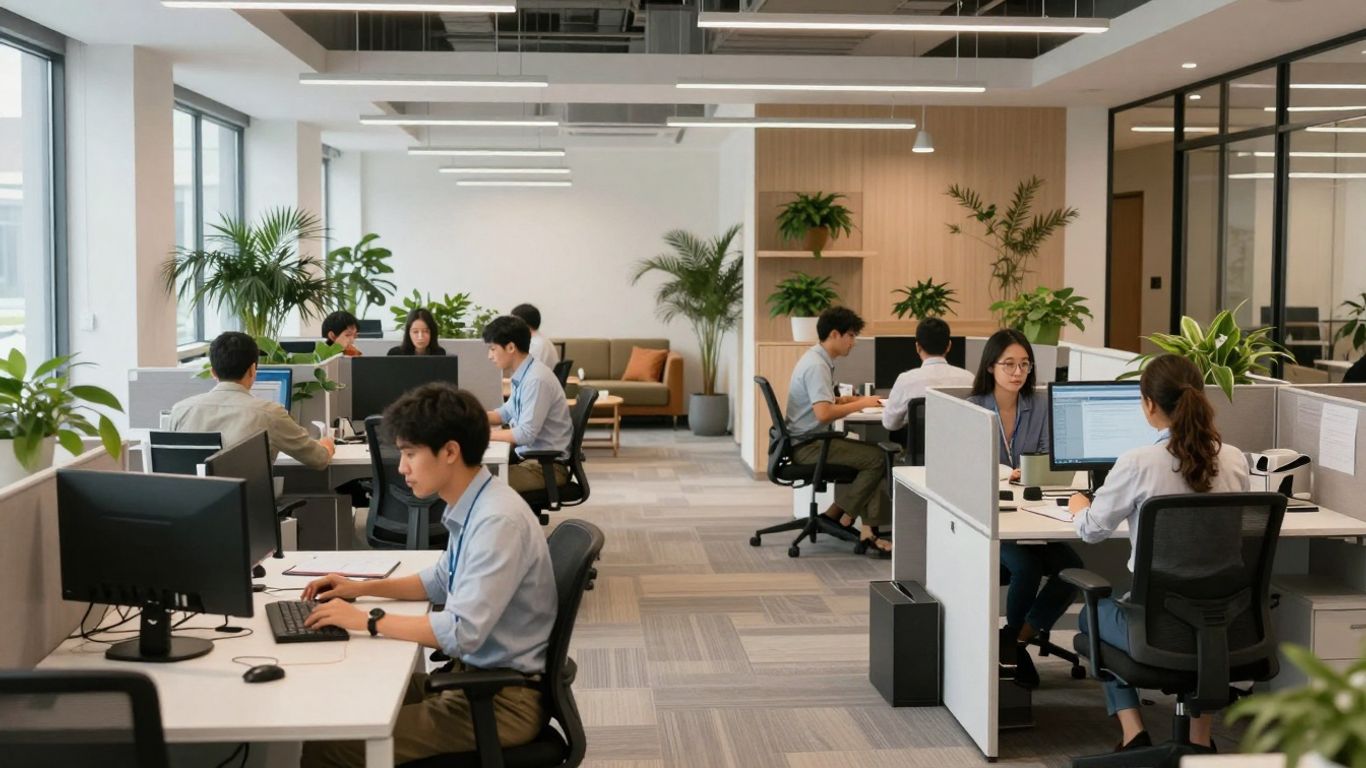
Bangkok's office scene isn't just about new layouts and flexible desks; it's also grappling with a big demographic shift. Thailand is aging faster than many of its neighbors, and this is starting to really impact the labor market. By 2026, we're looking at noticeable shortages, especially in fields like manufacturing and traditional services. It's a situation that demands a serious rethink from businesses.
The Rise Of The Silver Economy
The "Silver Economy" isn't just a buzzword; it's a reality that's changing who's available for work. The number of people in their prime working years is shrinking. This means companies can't just rely on the usual pool of young graduates anymore. We're seeing a growing number of experienced workers who are still capable and willing to contribute, but maybe not in the same way they used to.
Redesigning Roles For Experienced Workers
So, what are companies doing about it? Smart ones are getting creative. Instead of seeing older workers as nearing retirement, they're looking at how to keep them engaged and productive. This often means tweaking job descriptions and work environments. Think flexible hours that accommodate personal needs, or workspaces designed with comfort and ergonomics in mind. Some companies are even introducing "soft retirement" programs, where senior staff can transition out gradually by mentoring younger colleagues. It's about valuing the knowledge and experience these individuals bring.
Automation To Fill Labor Gaps
When there aren't enough people to do the jobs, technology steps in. Automation isn't always about replacing people; sometimes, it's about filling the void left by a retiring workforce. In sectors like agriculture, for instance, smart farming tech isn't taking jobs away; it's helping to maintain output when fewer hands are available. Robots and automated systems are becoming necessary tools to keep productivity up.
The demographic reality means businesses need to be proactive. Ignoring the aging population and shrinking workforce will only lead to bigger problems down the line. Adapting now is key to future success.
Here's a quick look at how the workforce is changing:
- Dependency Ratio: For every 100 working-age Thais, there are about 42 people too young or too old to work. This number is climbing.
- Labor Shortages: Expected to become more pronounced by 2026, impacting key industries.
- Shift in Focus: Companies are moving from traditional recruitment to retaining and adapting roles for experienced workers.
- Technology Integration: Automation is increasingly used to supplement the workforce, not just replace it.
Evolving Work-Life Architecture
Forget the old idea of 'work-life balance.' In 2026, people in Bangkok aren't just looking for a split between their job and their personal time. They want something more integrated, something they call 'work-life architecture.' This means designing work to fit into life, not the other way around. It's a big shift from how things used to be.
Beyond Hybrid: Designing Work Around Life
Hybrid work isn't a special perk anymore for many office jobs in Bangkok. It's pretty much the standard. Companies that are pushing everyone back to the office full-time are finding their best people are looking elsewhere. The new normal includes options for working from home or remotely, and it's expected.
Personalization For Life Stages
People want their work schedules to make sense for where they are in life. In Thai culture, taking care of older parents is a big deal for many. A strict 9-to-5 schedule just doesn't cut it. Companies that offer real flexibility are seeing employees stick around longer and seem happier with their jobs. It's about making work fit the person, not forcing the person to fit the work.
Impact On Company Culture
This change means companies have to think differently about culture. You can't just rely on everyone being in the same room to build a team spirit. It takes more effort. Using digital tools and planning get-togethers intentionally is key to making sure everyone feels connected and valued, even when they're not physically present.
The focus is shifting from where work happens to how it happens, making it adaptable to individual needs and life circumstances. This requires a more thoughtful approach to management and company policy.
Here's a look at how schedules are changing:
- Flexible Hours: Employees can adjust start and end times to fit personal appointments or family needs.
- Compressed Workweeks: Working longer hours over fewer days, allowing for more extended time off.
- Remote Work Options: Allowing employees to work from home or other locations regularly.
- Job Sharing: Two or more people sharing the responsibilities of one full-time position.
Employee Wellbeing As A Strategic Imperative
In today's fast-paced work environment, looking after your team's wellbeing isn't just a nice-to-have; it's become a core part of how businesses operate. We're seeing a big shift from just offering perks like gym memberships to a more serious approach that supports the long-term health and productivity of everyone. This focus on people is directly tied to a company's success.
Mental Health Focus In The Digital Economy
Burnout is a real issue, especially with how much we rely on technology now. Companies are starting to treat mental health as seriously as physical health. This means more support, like access to counseling services, and training managers to recognize when someone on their team might be struggling. It's about creating a space where people feel safe to talk about stress and get help.
Financial Wellness Programs
Money worries can really weigh people down, affecting their focus at work. Many businesses are stepping in to help. They're offering workshops on managing money, planning for the future, and even assistance with debt. When employees feel more secure financially, they tend to be less stressed and can concentrate better on their jobs. It's a practical way to support your team.
Building Trust Through Prioritizing People
When a company genuinely shows it cares about its employees' health and happiness, it builds a strong sense of trust. This trust is what keeps people loyal and committed. Employees who feel valued and looked after are much more likely to stick around for the long haul. It's a simple but powerful way to create a stable and dedicated workforce. This approach is becoming a key part of improving employee engagement.
The idea is that investing in your team's overall wellbeing, both mental and financial, isn't just an expense. It's a smart strategy that pays off in loyalty, productivity, and a more positive workplace for everyone.
The Future Of Talent Acquisition
Finding the right people is getting trickier, and honestly, it's changing fast. We're seeing a big move away from just looking at degrees and job titles. Companies are starting to care more about what people can actually do. This means looking at specific skills and how well someone can learn new ones. It's a way to open doors for folks who might not have the traditional background but have the talent.
Skills-Based Hiring Over Degrees
Forget the old way of just scanning resumes for degrees. The real game-changer now is focusing on capabilities. Companies are getting smarter about figuring out what skills their teams actually need, right now and for the future. This approach helps find talent in places you might not expect, like people who taught themselves a new skill or are switching careers. It's all about what you can do, not just what piece of paper you have.
- Capability Intelligence: Using data to see what your current team can do.
- Democratizing Talent: Finding skilled people from all sorts of backgrounds.
- Bridging the Skills Gap: Making sure you have the right people for the jobs that need doing.
Human-AI Collaboration In The Workplace
AI isn't just about replacing jobs anymore; it's about working with people. Think of AI as a new team member that handles the repetitive stuff, like data entry or scheduling. This frees up human employees to focus on the more creative, strategic, and people-oriented parts of their jobs. For businesses in Thailand, especially with the push for smart industries, having staff who can team up with AI is becoming super important. It's about making the whole team, human and digital, work better together.
The focus is shifting from automation alone to how humans and AI can complement each other. This partnership allows for greater efficiency and innovation, pushing businesses forward in a digital world.
Rethinking HR Strategies For A New Era
HR departments are becoming more like architects these days, building the systems that help people do their best work. This means looking at things like continuous learning programs to keep employees' skills sharp, especially with how fast technology changes. It also means paying attention to what employees care about, like mental health and a good work-life balance. Companies that get this right will find it easier to attract and keep good people. It's about creating a place where people want to stick around and grow. This is a big part of workplace trends for 2026. Investing in your people is key to staying competitive.
New Strategies For Business Growth
The business landscape in Bangkok is changing, and sticking to old playbooks just won't cut it anymore. We're seeing a real shift away from pre-pandemic models, especially with things like business travel changing and costs going up for exports. It’s time to look at what’s actually needed now, not what used to work.
Serving The Needs Of An Ageing Population
Thailand's population is getting older, and that's a huge opportunity. Think about it – more older people means more demand for specific services. This isn't just about healthcare, though that's a big one. Consider how businesses in food, hospitality, or even digital entertainment can adapt. Maybe it's about creating more accessible travel options, developing easier-to-use tech, or offering specialized meal plans. Finding these unmet needs is key to unlocking new revenue streams.
Innovation And Tech-Based Optimisation
To keep up, companies need to get smart with technology. This means looking at how processes can be improved across the board. Better systems can mean more output, even if the number of available workers isn't growing as fast. It’s about working smarter, not just harder. This could involve using AI to handle repetitive tasks, streamlining supply chains with better software, or even using data analytics to understand customer behavior more deeply. The office rental market, for instance, is facing challenges due to oversupply, so optimizing how businesses operate is more important than ever [e0df].
Outsourcing Non-Core Activities
Many businesses are finding they just don't have the bandwidth to do everything well. Focusing on what your company does best – its core activities – is vital. The rest? It often makes sense to outsource. This could be anything from IT support and accounting to customer service or even some HR functions. By handing these off to specialists, your internal team can concentrate on strategic goals and innovation, which is where the real growth happens. It frees up management to think about the future instead of getting bogged down in day-to-day operations.
The world is changing quickly. Businesses that adapt by focusing on new demands, using technology smartly, and letting go of non-essential tasks will be the ones that not only survive but thrive in the coming years. It's about being agile and forward-thinking.
Wrapping It Up
So, what does all this mean for Bangkok's office scene? It's clear things are changing, and fast. Older buildings are struggling to keep up, and companies are rethinking where and how their people work. We're seeing a big shift towards more flexible setups, a focus on keeping employees happy and healthy, and a need for businesses to adapt to an aging population. It's not just about having a desk anymore; it's about creating a work environment that actually works for people in today's world. Companies that get this right will be the ones that thrive.
Frequently Asked Questions
Why are offices in Bangkok getting smaller?
Offices are shrinking because many companies are letting employees work from home sometimes. This means they don't need as much space for everyone to be there every day. Also, newer office buildings are better, so people are moving out of older ones that are hard to update for new ways of working.
What does 'ageing workforce' mean for businesses?
It means Thailand has more older people and fewer younger people who can work. This can make it hard for companies to find enough workers. So, businesses are trying to keep older, experienced workers longer by changing their jobs to fit them better, like offering flexible hours.
How are companies changing how work fits into life?
Instead of trying to fit life around a strict work schedule, companies are designing work to fit people's lives better. This includes allowing people to work from home or choose their hours, especially for things like taking care of family.
Why is employee wellbeing so important now?
Companies now see that keeping employees healthy and happy is key to success. This means focusing on things like mental health support to prevent burnout and helping employees with their money problems. When people feel cared for, they tend to stay with the company longer.
How are companies hiring people differently?
Companies are starting to hire people based on what skills they actually have, not just the college degrees they earned. This is because technology changes so fast, and new skills learned recently are often more useful than an old degree. They also want people who can work well with new technologies like AI.
What new strategies are businesses using to grow?
Businesses are using technology to work smarter and become more efficient. They are also looking for new opportunities, like serving the needs of the growing older population in Thailand. Some companies are also letting other businesses handle tasks that aren't their main focus, so they can concentrate on what they do best.
Filed under
The Moveandstay editorial team writes about serviced living, workspaces, and city guides across Asia-Pacific.
Read next
Serviced Offices Surge in Popularity as Businesses Embrace Flexible Leasing
May 3, 2026

Hong Kong Serviced Apartment Market Buzzes with Sales and Investment Activity Amidst Shifting Valuations
May 3, 2026

ONYX Hospitality Group Elevates Shama Serviced Apartments with New Lifestyle Concept and Ambitious Expansion
Apr 26, 2026