
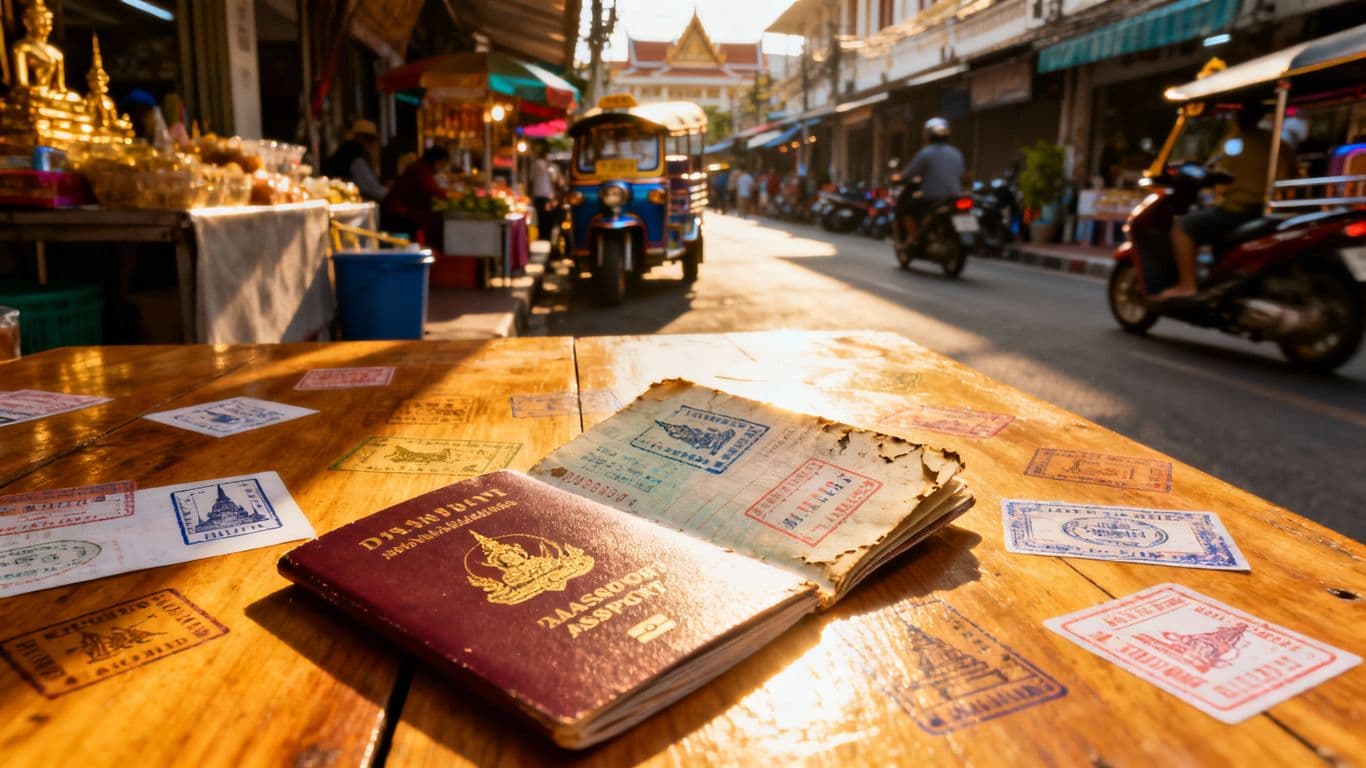
So, you're thinking about heading to Bangkok, maybe for a bit longer than just a quick holiday? It's a great city, truly. But lately, things with visas have gotten a little more... complicated. It feels like Thailand's doors are open, but then you hit the visa rules, and suddenly it's not quite so simple. This isn't about stopping tourists, not at all. It's more about making sure everyone's using the right entry for their actual plans, especially if you're looking at staying for a while. Let's talk about what's up with the visa rules in Bangkok for expats and long-term visitors.
Key Takeaways
- Thailand is stepping up how it enforces existing visa rules, not creating totally new ones, mainly to stop people from overstaying or working illegally on tourist visas.
- If you're a typical tourist just visiting for a few weeks, these changes likely won't affect your trip much. Just have your return ticket ready.
- Frequent 'visa runs' (leaving and re-entering the country to reset your tourist stay) are now getting much closer scrutiny and might be denied.
- For those wanting to stay longer, it's better to look into proper long-term visas like the ED visa, retirement visa, or the new Digital Nomad Visa (DTV) before you even arrive.
- Honesty and clear plans are your best bet when dealing with immigration officers; have your documents like accommodation and onward travel proof handy.
Understanding Thailand's Evolving Visa Rules
So, Thailand's immigration rules have seen some shifts lately, and it's got a few people scratching their heads. It's not like they've suddenly slammed the door shut, but they are definitely paying closer attention to how people are using their visas. Think of it less as a rule change and more as a stricter enforcement of the rules that were already there. This whole thing really kicked into gear around November 2025.
Stricter Enforcement of Tourist Visa Misuse
Basically, the Thai immigration authorities noticed a lot of folks were using tourist visas or visa exemptions for purposes they weren't really intended for. We're talking about people trying to live in Thailand long-term, work illegally, or run businesses without the proper permits. So, what's happening now is that immigration officers are looking more closely at these situations. They're not changing the fundamental rules for genuine tourists, but they are cracking down on those who bend them. This means if you're entering Thailand repeatedly on a tourist visa, especially through land borders, you might get asked a few more questions than before. They want to make sure you're here for a holiday, not to set up permanent residence without the right paperwork.
The Impact on Repeat Entries and Extensions
If you're someone who's been doing frequent "visa runs" – popping out of Thailand for a day or two and coming right back in to reset your tourist stamp – you'll likely feel this change the most. Immigration officers are now more likely to question the pattern of these repeat entries. Similarly, extending your tourist stay, which used to be pretty straightforward, now involves more scrutiny. You might need to show proof of your travel plans, where you're staying, and a clear reason for wanting to extend your visit. It's not impossible, but it's definitely not as automatic as it once was. This is why planning ahead is so important, especially if you're looking at longer stays beyond the initial 60-day visa-free period.
Why Thailand Is Intensifying Visa Scrutiny
Why all this fuss? Well, Thailand, like many countries, has had issues with people overstaying their visas or using tourist entries to conduct illicit activities. This includes things like illegal work, scams, and other criminal enterprises. By tightening up visa enforcement, Thailand aims to protect its economy, its citizens, and also legitimate travelers. It helps ensure that people entering the country are doing so for genuine tourism or with the correct visa for their intended purpose. It's about maintaining order and making sure the country remains a safe and attractive destination for everyone, not just those trying to exploit the system. It's a move towards greater compliance and security for all.
Navigating Bangkok's Entry Requirements
So, you're planning a trip to Bangkok, maybe for a week, maybe longer. Getting into Thailand used to be pretty straightforward, but things have shifted a bit. It's not about making it impossible, but more about making sure everyone's on the same page about why they're here. The key is preparation and honesty.
Preparing for a Smooth Arrival
Honestly, a little bit of prep work before you even get on the plane can save you a lot of hassle at immigration. It’s like packing for a trip – you wouldn’t just throw things in a bag, right? Same idea here.
- Digital Arrival Card (TDAC): Fill this out online within seven days of your arrival. It’s quick, takes maybe five minutes, and having it ready means you won’t be fumbling around at the airport.
- Return or Onward Ticket: This is a big one. Even if you're not sure when you'll leave, having a ticket showing you plan to depart Thailand is important. It doesn't have to be a flight back home; a bus ticket to a neighboring country works too. It just shows you're not planning to overstay.
- Accommodation Details: Have your hotel bookings or rental confirmations handy. A screenshot on your phone is usually fine. It’s just another piece of the puzzle that shows you have a place to stay.
- Proof of Funds: While they don't ask everyone, immigration officers can request to see that you have enough money for your stay. Having your banking app ready to show a balance of around 20,000 Thai Baht (about $550 USD) is a good idea.
These steps aren't meant to be a burden; they're simply ways to demonstrate that you're a genuine visitor with clear plans.
What Immigration Officers Look For
Think of the immigration officer as someone trying to understand your trip. They're not trying to catch you out, but they do need to see that your visit aligns with the type of entry you're using. They're looking for consistency in your story and your documents.
- Your Itinerary: Be ready to briefly explain what you plan to do. If they ask, a simple "I'm visiting Bangkok for a week, then heading to Chiang Mai for a few days before flying home" is perfect. Keep it short and to the point.
- Document Readiness: Have your passport, TDAC confirmation, and that onward ticket easily accessible. If you can’t rely on your phone, a printed copy is even better.
- Attitude: A friendly demeanor goes a long way. A smile and clear, honest answers are your best tools. They're people doing a job, and being polite makes the interaction smoother for everyone.
Honesty and Clarity at the Border
This is really the core of it all. If you're coming for a holiday, say so. If you're here to see family, mention that. Trying to bend the truth or present yourself as something you're not usually leads to more questions, not fewer.
- Genuine Tourist: If you're here for a vacation, your return ticket and hotel bookings are your best friends. These measures are primarily aimed at people who try to live in Thailand long-term using tourist entries, not actual holidaymakers.
- Work or Study: If your purpose is different – like working remotely or studying – you really should look into the appropriate visa before you arrive. Trying to do this on a tourist visa, even if you're working for a company outside Thailand, can cause problems down the line.
- Frequent Entries: If you've been entering Thailand many times in a short period, expect questions. Officers might want to know why you're visiting so often. This is where having a clear, legitimate reason for each visit becomes important.
Visa Rules Bangkok Expat: Adapting to New Regulations
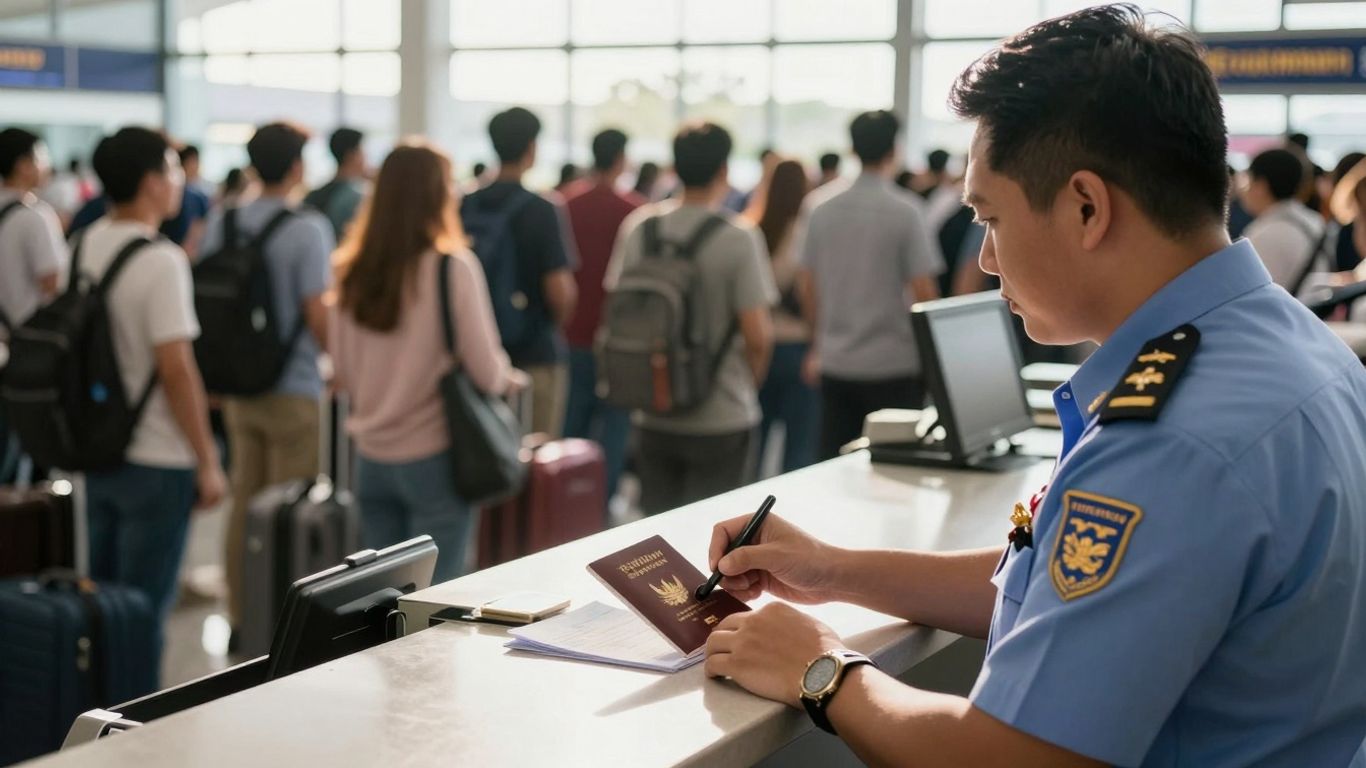
So, Thailand's immigration folks have decided to pay a bit more attention to how people are using their visas, especially if you're planning on staying for a while. It's not like they're slamming the door shut, but they're definitely looking closer at who's doing what. This means if you're not just popping in for a quick holiday, you might need to think a little harder about your plans.
Who Is Most Affected by the Changes?
Honestly, if you're just coming for a week or two, you'll probably be fine. The real shift is for folks who have been treating Thailand like a long-term home using tourist visas and visa exemptions. Think about people who do those "visa runs" every couple of months to reset their entry stamp. Immigration officers are now more likely to ask questions about why you're entering so often, especially if you're crossing by land. They're trying to catch people who are working illegally or just living here without the right paperwork. It's not about stopping tourists; it's about making sure everyone follows the rules for their specific situation.
- Frequent border crossers: Those doing multiple visa runs within a short period are now under closer watch.
- Individuals seeking long-term stays without proper visas: People trying to live in Thailand for months on end using tourist entries are the primary target.
- Those extending tourist visas repeatedly: While extensions are still possible, they're not as automatic as they used to be and might require more justification.
What Remains Unchanged for Genuine Tourists
If your plan is a straightforward vacation, you can mostly relax. The core visa exemption for many nationalities (usually 60 days) is still in place. If you have a proper tourist visa obtained from an embassy, that works as it always has for longer visits. The country still wants tourists who spend money and enjoy the sights. So, if you're flying in, have a return ticket, and plan to leave within your allowed time, these new enforcement measures shouldn't really impact your trip at all. It's about making sure the system isn't being abused by people trying to live here long-term without the correct visa.
The Rise of Long-Term Stay Visa Options
Because of these tighter rules, more people are looking into visas that actually fit a longer stay. It's not just about tourist visas anymore. Thailand has several other options if you plan to be here for more than a few months. These are designed for specific purposes, like retirement, education, or even working remotely. Getting the right visa from the start is way less hassle than trying to explain yourself at immigration later. It shows you're serious about your stay and respecting the country's regulations. It's a good idea to look into these options before your current visa or exemption runs out.
The focus is shifting towards ensuring that individuals residing in Thailand for extended periods possess the appropriate visa category that aligns with their activities, rather than relying on repeated tourist entries. This encourages a more structured approach to long-term stays and helps maintain the integrity of the immigration system.
Choosing the Right Visa for Extended Stays
Beyond Visa Exemptions: Long-Term Solutions
So, you've fallen in love with Bangkok, or maybe just Thailand in general, and the thought of leaving after a short trip just won't cut it. Relying on visa runs or constant extensions can get pretty complicated, and honestly, a bit stressful. It's way better to get the right visa before you even set foot here if you're planning a longer stay. It saves a lot of hassle and usually ends up being cheaper in the long run. Think of it like planning a big trip – the more you prepare, the smoother it goes.
Understanding Non-Immigrant Visa Categories
Thailand has several visa types designed for longer stays, and they're not just for people working here. For instance, if you're looking to study, there's an Education (ED) visa. This is great for learning Thai language, Muay Thai, or even attending a university. Then there are the Non-Immigrant 'O' visas, which can be for family ties or for those looking to retire here if you're over 50. It's really about matching your actual plans to the visa you apply for.
Here's a quick look at some options:
- Education Visa (ED): For studying at recognized institutions. Offers extensions and can be a good route for long-term visitors. You can apply for this from within Thailand.
- Non-Immigrant 'O' Visa: For family members of Thai citizens or for retirement (age 50+).
- Business Visa (Non-Immigrant 'B'): If you have a job offer from a Thai company.
The Benefits of Proactive Visa Planning
Being proactive with your visa is key. Instead of trying to stretch a tourist visa or doing frequent border hops, look into the options that fit your situation. The Destination Thailand Visa (DTV) is a newer option that offers up to five years of validity, with 180-day stays per entry. It's designed for remote workers and others looking for a more stable, long-term presence. Applying for the correct visa from the start means you avoid the headaches of potential entry denials or the constant worry about your legal status. It shows immigration officials that you've thought ahead and have a legitimate reason for your extended stay in Thailand.
When you're planning to stay longer than a typical holiday, it's always best to research the visa options available before you travel. This avoids potential issues at immigration and makes your stay much more relaxed. Getting the right paperwork sorted upfront is a small effort that pays off big time.
Real-World Scenarios and Visa Compliance
The Tourist on a Short Holiday
So, you're planning a quick trip to Bangkok, maybe for a week or two, just to see the sights and eat some amazing street food. You've booked your flights, got your hotel sorted, and you're flying in from, say, Singapore. Good news! For most nationalities, these new enforcement measures won't change a thing for your short visit. You'll likely just need to show your return ticket and maybe your hotel booking, and you'll be on your way. It's really about making sure people aren't trying to live here long-term on a tourist stamp.
The Digital Nomad Seeking Compliance
Okay, let's talk about the folks working remotely from Thailand. You love the vibe, the cost of living, and the Wi-Fi. Maybe you've been hopping between visa exemptions or doing the occasional border run to keep your stay going. This is where things get a bit trickier now. Immigration officers are looking more closely at patterns. If you've been in and out of the country multiple times in a year, especially using land borders, they might start asking questions. It's becoming much more important to have the right visa for your actual situation, not just a way to stay longer.
Here's what they might be looking for:
- Entry/Exit History: How many times have you entered and exited Thailand in the last 12 months?
- Length of Stays: Are you consistently staying for the maximum allowed period (e.g., 30 or 60 days) on each entry?
- Purpose of Stay: Your stated reason for being in Thailand versus your actual activities.
- Proof of Funds: Do you have enough money to support yourself without working illegally?
The days of casually extending tourist visas or doing frequent border runs without a second thought are fading. Immigration wants to see that your visa type matches your reason for being in the country.
The Long-Term Visitor Facing Scrutiny
If you've been spending significant chunks of the year in Thailand, perhaps using a combination of visa exemptions and extensions, you might feel the increased scrutiny. Officers are trained to spot patterns that suggest someone is living in Thailand long-term without the appropriate visa. This could mean more questions at immigration, a closer look at your travel history, and potentially even being denied entry if they believe you're misusing the system. It's not about stopping genuine tourists; it's about ensuring people who intend to stay for extended periods have the correct long-term visa, like an education visa, a retirement visa, or a business visa.
Seeking Professional Guidance for Visa Matters
There are times when, no matter how many blogs or travel forums you scroll through, figuring out Thailand's visa rules just feels impossible. The rules keep changing, and every immigration office seems to have its own way of deciding what counts as “enough” documentation. If you want to stay on the right side of Thai law, professional help can save you a lot of stress and wasted time.
When to Consult Immigration Experts
- You’ve done multiple visa runs in the past year and worry about being flagged.
- You’re applying for a long-term stay visa (like work, retirement, or a Digital Nomad/“soft power” option).
- You’ve had a visa denied before or were asked extra questions at the border.
- Your situation involves dependents or unusual paperwork (like proof of freelance work or remote employment).
- You just want certainty that you’re not missing anything—and don’t want any last-minute surprises.
The Importance of Verifying Current Requirements
Visa rules change, sometimes with zero warning. Consulates in different countries—or even different officers in the same office—can ask for slightly different supporting documents.
| Reason to Double-Check | Typical Issues |
|---|---|
| Outdated online info | Denied applications |
| Inconsistent rules | Delay in approval |
| Spot checks at border | Entry refusal |
Always verify requirements directly with your intended consulate, or use a vetted visa service experienced with current Thai rules.
Ensuring Legal Status for Long-Term Stays
Staying in Bangkok on a tourist visa for a week is straightforward. But if you want to stay longer, do any kind of remote work, or bring family members, the paperwork gets tricky. Immigration expects:
- Proof of finances (sometimes six months of bank statements, in large amounts)
- Clear purpose for your stay (job contracts, letters from schools, or proof of cultural activities)
- Documents prepared in specific formats (and often officially translated)
- Consistent entry/exit history (frequent long stays are flagged)
Missing one document or coming across as vague about your plans can lead to immediate rejection or even being turned away at the airport. Professional advice not only clears confusion—it also gives you peace of mind while setting up your life here.
Trying to manage everything yourself is tempting, but sometimes you wind up with more hassle than you bargained for. With visa rules shifting so often, having someone walk you through each step—especially for longer or more complicated stays—can make all the difference.
So, What's the Takeaway?
Look, Thailand is still an amazing place to visit, and for most people just coming for a holiday, not much has changed. You'll probably breeze right through immigration. But if you've been treating tourist entries like a long-term lease, it's time to get serious about the right visa. The days of endless border runs are pretty much over. It’s not about shutting people out, it’s just about making sure everyone’s following the rules. So, do your homework, get the right paperwork sorted before you get here, and you'll be all set for that amazing trip to the Land of Smiles.
Frequently Asked Questions
What's new with Thailand's visa rules?
Thailand is being more careful about how people use tourist visas. They want to make sure people who are working or living there long-term have the right kind of visa, instead of just using tourist entries over and over. It's not about stopping tourists, but about making sure everyone follows the rules.
Will these changes affect my short vacation to Bangkok?
Probably not! If you're visiting Thailand for a regular holiday, like a week or two, and you have a return ticket, you likely won't notice any difference. They're mostly looking at people who stay for very long periods or enter the country many times in a row.
What is a 'visa run' and why is it being watched more closely?
A 'visa run' is when someone leaves Thailand for a short time, like a day trip to a nearby country, and then comes back to get a new tourist entry stamp. People used to do this to stay in Thailand for months without getting a proper long-term visa. Now, immigration officers are paying more attention to this and might ask why you're entering so many times.
What should I do if I want to stay in Thailand for several months?
If you plan to stay longer than a typical vacation, it's best to get the right visa before you even come to Thailand. There are different types of visas for studying, working, or retiring, and getting one of these is much better than trying to extend a tourist visa or doing visa runs.
Do I need to show proof of money when I arrive?
Sometimes, immigration officers might ask to see that you have enough money for your stay. It's a good idea to have a screenshot of your bank account on your phone showing you have about 20,000 Thai Baht (around $600 USD) per person. This is not always asked for, but it's good to be prepared.
What's the best way to make sure my entry into Thailand is smooth?
To make things easy, fill out the Thailand Digital Arrival Card before you fly, have your return or onward ticket ready, and know your accommodation details. Be honest and friendly with the immigration officers about why you're visiting. Having your documents easily accessible will help a lot.
The Moveandstay editorial team writes about serviced living, workspaces, and city guides across Asia-Pacific.
Read next

Serviced Offices Surge in Popularity as Businesses Embrace Flexible Leasing
May 3, 2026

Hong Kong Serviced Apartment Market Buzzes with Sales and Investment Activity Amidst Shifting Valuations
May 3, 2026

ONYX Hospitality Group Elevates Shama Serviced Apartments with New Lifestyle Concept and Ambitious Expansion
Apr 26, 2026