
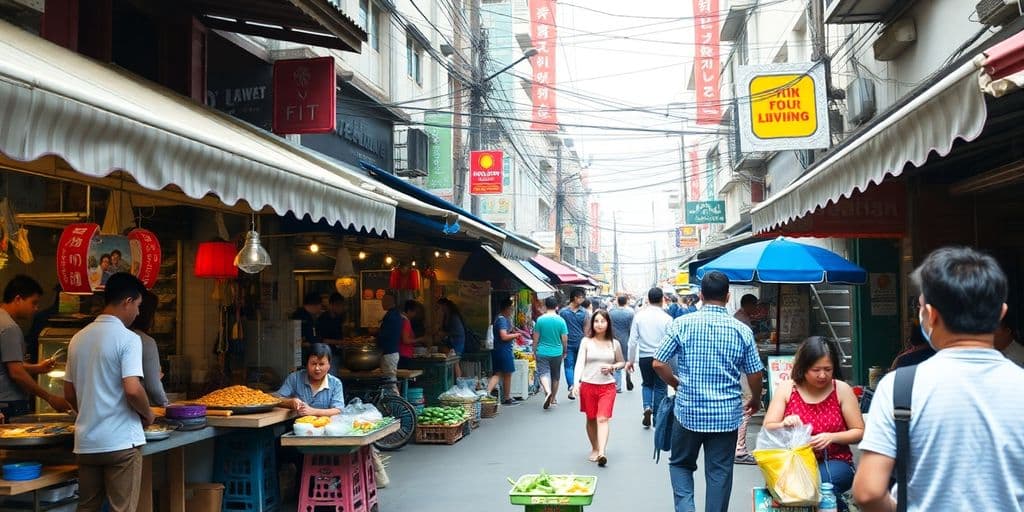
Bangkok is a vibrant city that attracts many expats, but understanding the cost of living in Bangkok is essential for making the most of your time there. From housing to food, transport to healthcare, the expenses can vary widely based on lifestyle choices and location. In this guide, we'll break down what you can expect to spend in different areas, helping you budget wisely and enjoy your new home in Thailand's bustling capital.
Key Takeaways
- Housing is typically the largest expense for expats, with costs varying by area and type of accommodation.
- Eating out can sometimes be cheaper than cooking at home, especially for local cuisine.
- Public transport is affordable and efficient, making it easy to get around the city without a car.
- Healthcare costs can be managed with the right insurance, but it's important to understand local medical expenses.
- Miscellaneous costs like mobile plans and clothing can add up, so budgeting for these is wise.
Understanding The Cost Of Living In Bangkok
Overview Of Living Expenses
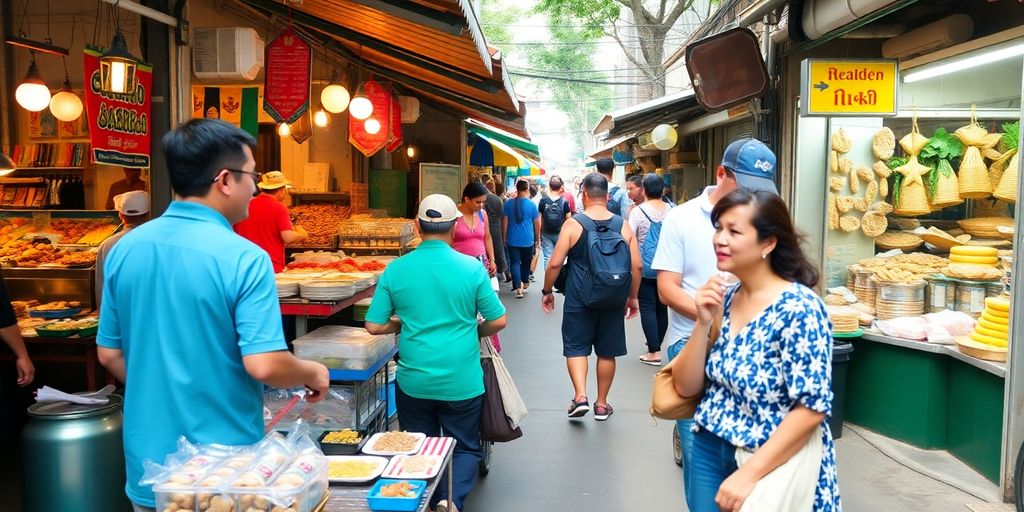
So, you're thinking about moving to Bangkok? Awesome! One of the first things everyone wants to know is: how much does it actually cost to live there? Well, it's a bit of a mixed bag. Bangkok can be surprisingly affordable, but it really depends on your lifestyle.
- Accommodation is a big one, obviously. You can find everything from budget-friendly apartments to fancy condos.
- Food is another key area. Street food is super cheap, but eating at Western-style restaurants will definitely add up.
- Transport is generally reasonable, especially if you stick to public transport.
It's worth remembering that those super-low cost of living figures you see online? They're often based on a very frugal lifestyle. If you want a few more comforts, you'll need to budget accordingly.
Factors Influencing Costs
Okay, so what actually affects how much you'll spend? Quite a few things, actually:
- Location, location, location: Living in a popular expat area like Sukhumvit will cost more than living further out.
- Your accommodation choices: A modern condo with all the amenities will be pricier than a basic apartment.
- Eating habits: Cooking at home is cheaper than eating out all the time, and local food is cheaper than imported goods.
- Lifestyle: If you're hitting the bars every night, your expenses will skyrocket. If you're happy with a quieter life, you'll save a lot.
Comparative Analysis With Other Cities
How does Bangkok stack up against other cities? Well, compared to London or New York, it's significantly cheaper. You can get a lot more for your money here. However, it might be more expensive than other Southeast Asian cities like Hanoi or Ho Chi Minh City. It really depends on what you're used to. For example, average monthly costs for a single expat can vary widely based on lifestyle choices.
Here's a rough comparison:
| City | Relative Cost of Living | Notes |
|---|---|---|
| London | Much higher | Expect to pay significantly more for rent, food, and entertainment. |
| New York | Much higher | Similar to London, but perhaps even more expensive in some areas. |
| Singapore | Higher | Generally more expensive than Bangkok, especially for accommodation. |
| Kuala Lumpur | Similar/Slightly Lower | Can be slightly cheaper, but Bangkok offers a wider range of options. |
Housing Costs In Bangkok
Types Of Accommodation
When figuring out where to live in Bangkok, you've got a few main choices. Condos are super popular with expats because they often come with perks like swimming pools, gyms, and security. You can also rent houses, which give you more space, especially if you're in the suburbs. Hostels are an option when you first arrive, but you probably won't want to live there long term.
- Condominiums: Convenient, often with amenities.
- Houses: More space, better for families.
- Apartments: A standard choice, varying in price and location.
Average Rental Prices
Rental prices in Bangkok can vary a lot depending on the location and the type of accommodation you're after. A one-bedroom condo in a popular area like Sukhumvit might set you back between 15,000 to 30,000 THB per month. If you're willing to live a bit further out, you could find something similar for 8,000 to 15,000 THB. Houses in the suburbs usually go for 25,000 to 50,000 THB, but fancy places in the city centre can easily cost 100,000 THB or more. Living outside the city centre can bring accommodation prices down, even as low as ฿5,000 or ฿8,000/month. If you’re trying to make your money go as far as possible, it’s best to avoid accommodation that’s close to BTS and MRT stations as this can really hike up the rent cost. The average asking rent for Grade A apartments has risen.
| Accommodation Type | Average Monthly Rent (THB) | Notes |
|---|---|---|
| 1-Bedroom Condo (Central) | 15,000 - 30,000 | Popular areas like Sukhumvit |
| 1-Bedroom Condo (Outer) | 8,000 - 15,000 | Further from the city centre |
| House (Suburban) | 25,000 - 50,000 | 2-3 bedrooms |
| House (Luxury, Central) | 100,000+ | High-end properties |
It's worth doing your homework on different neighbourhoods before you commit to a place. Some areas are more popular with expats, which can be a plus if you want to be around other foreigners. Coastal areas might be pricier, especially if you're after a sea view.
Utilities And Additional Expenses
Don't forget about utilities! Electricity and water costs depend on how much you use, especially air conditioning. Expect to pay something between 2,000 and 4,000 THB per month. Internet can cost around 500 to 1,000 THB. Also, many condos and apartments require a deposit, usually one to three months' rent, and you might need to factor in building management fees.
- Electricity: 2,000 - 4,000 THB (depending on usage).
- Water: Varies, but generally lower than electricity.
- Internet: 500 - 1,000 THB.
Food And Dining Expenses
Eating Out Vs. Cooking At Home
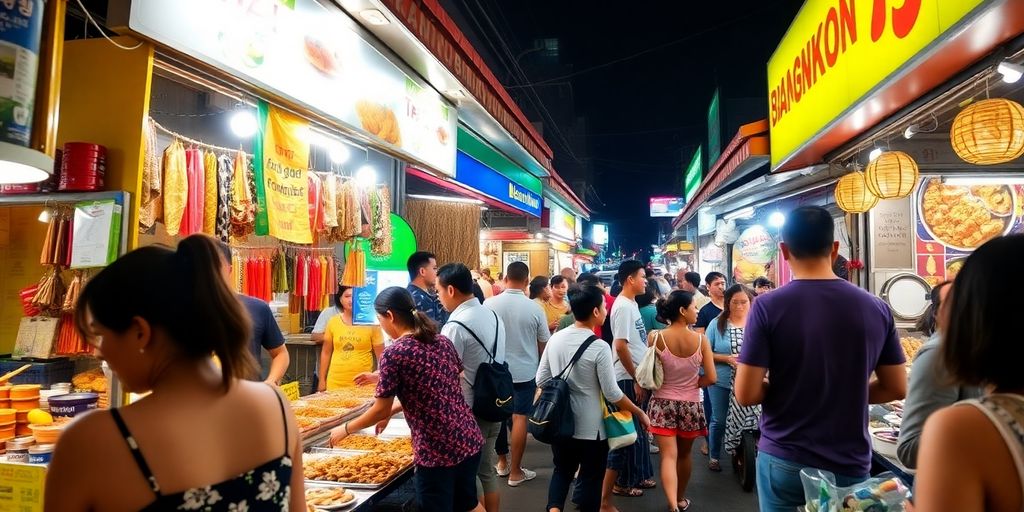
Bangkok is a foodie paradise, no doubt about it. You can grab street food for next to nothing, or splash out on fancy meals. The big question is, what's better for your wallet: eating out or cooking at home? Street food is super cheap. You can get a plate of Pad Thai for around 50-70 THB. But eating out every day adds up. Cooking at home can be cheaper, especially if you stick to local markets. Supermarkets like Tesco offer everyday basics, but imported stuff will cost you more.
Average Monthly Food Costs
Okay, so how much are we actually talking about? It really depends on your lifestyle. If you're all about street food and local eats, you could get by on 8,000 THB a month. If you prefer cooking and the occasional restaurant visit, budget around 10,000-15,000 THB. And if you're into fancy restaurants and imported groceries, well, the sky's the limit. A reasonable average for an expat is probably around 12,000 THB per month.
Popular Local Dishes
Let's talk about the good stuff! Bangkok's food scene is amazing. Here are a few must-try dishes:
- Pad Thai: The classic noodle dish. You can find it everywhere.
- Green Curry: Spicy and delicious, usually with chicken or pork.
- Mango Sticky Rice: A sweet treat that's perfect for dessert.
- Tom Yum Soup: A hot and sour soup that's full of flavour.
Eating in Bangkok can be incredibly affordable, especially if you embrace the local cuisine. Don't be afraid to try new things – you might just find your new favourite dish. Just be mindful of the spice levels!
Transportation Options And Costs
Getting around Bangkok can be a bit of an adventure, but there are loads of options to suit different budgets and preferences. From the super-efficient public transport to the ever-present taxis and even the option of cycling, you've got choices. Let's break down the costs and what to expect.
Public Transport Overview
Bangkok's public transport system is actually pretty good, especially if you're trying to save some cash. The BTS Skytrain and MRT subway are modern, clean, and relatively cheap ways to avoid the notorious Bangkok traffic.
- BTS Skytrain: This elevated train zooms above the traffic, connecting major shopping and business areas. Fares depend on the distance, but expect to pay between 16 and 59 THB per trip. You can buy single journey tickets or get a stored-value card if you're planning on using it regularly.
- MRT Subway: The underground metro is another great option, especially for getting around the city centre. Similar to the BTS, fares are distance-based and range from 16 to 42 THB. Again, stored-value cards are a good idea for frequent users.
- Buses: Bangkok's bus network is extensive, but it can be a bit confusing to navigate if you don't speak Thai. Fares are very cheap, usually between 8 and 20 THB, depending on the type of bus and distance. Non-air-conditioned buses are the cheapest. Check out the public transport options available.
- River Boats: Don't forget the river! The Chao Phraya Express Boat is a scenic and often faster way to travel, especially if you're heading to places along the river. Fares are very reasonable, usually around 10 to 30 THB.
Taxi And Ride-Hailing Services
Taxis are everywhere in Bangkok, and they're generally quite affordable. Just make sure the driver uses the metre, or you could end up paying more than you should. Ride-hailing apps like Grab are also popular, offering a convenient alternative, though they can be slightly more expensive than regular taxis, especially during peak hours.
- Taxis: Metered taxis start at 35 THB, and the metre ticks up based on distance and time. Traffic can really affect the final fare, so be prepared for that.
- Grab: Grab is super convenient, letting you book a car or motorbike taxi through the app. You'll see the fare upfront, so there are no surprises. It's a good option if you want to avoid haggling with taxi drivers.
- Tuk-Tuks: These three-wheeled vehicles are iconic, but they're more of a tourist experience than a practical way to get around. Always negotiate the fare beforehand, and be prepared to pay more than you would for a taxi.
Bicycle And Walking
While Bangkok isn't the most bike-friendly city in the world, cycling can be a good option for short distances, especially in certain areas. Walking is also doable, but be prepared for the heat and the traffic. Some areas are more pedestrian-friendly than others.
- Bicycles: There are some bike rental services available, and cycling can be a fun way to explore certain neighbourhoods. Just be careful of the traffic.
- Walking: Walking is fine for short distances, but the heat and humidity can be draining. Stick to areas with pavements and be mindful of traffic.
Getting your own vehicle or bike can really have a huge effect on your own well-being and general comfort in your life in the city. Buying a car in Thailand can give you the real space and independence to travel about the city and country without relying on public transport.
Healthcare Costs For Expats
Bangkok boasts a high standard of healthcare, but understanding the costs involved is key for expats. You'll find a mix of public and private facilities, each with its own pricing structure. It's worth doing your homework to figure out what works best for your needs and budget.
Health Insurance Options
For expats, having health insurance is pretty much a must. While some working expats might be eligible for public healthcare through their employer's contributions, most will need to consider private options. You can choose between local Thai insurers or international providers. International plans usually offer broader coverage, including treatment outside of Thailand, but they come at a higher price. Local plans are more affordable but might have limitations on where you can receive treatment.
- Local Thai Insurers: Generally cheaper, coverage limited to Thailand.
- International Health Insurance: More expensive, broader global coverage.
- Employer-Provided Insurance: Check the extent of coverage for dependents.
Average Medical Expenses
Medical expenses can vary widely depending on whether you opt for public or private healthcare. Public hospitals offer lower costs, but you might experience longer waiting times. Private hospitals are known for their efficiency and higher quality of care, but they come with a steeper price tag. A simple consultation at a private hospital could set you back 1,500 THB or more. For more serious treatments or procedures, costs can quickly escalate, making comprehensive insurance a smart investment. Here's a rough idea of what you might expect:
| Type of Service | Estimated Cost (THB) |
|---|---|
| Consultation (Public) | 500 - 2,000 |
| Consultation (Private) | 1,500+ |
| Comprehensive Insurance (Annual) | 20,000 - 80,000 |
Accessing Healthcare Services
Accessing healthcare in Bangkok is generally straightforward. Private hospitals often have international patient departments that can assist with language barriers and administrative tasks. Many doctors and specialists speak English, particularly in private facilities. For public hospitals, it might be helpful to have a Thai-speaking friend or translator. Knowing where to go and what to expect can make a big difference in your experience.
It's a good idea to research hospitals and clinics in your area before you need them. Keep a list of emergency numbers handy, and make sure you understand how your insurance works in different situations. Being prepared can save you a lot of stress in case of a medical emergency.
Leisure And Entertainment Expenses
Bangkok is a city that knows how to have a good time, and that means there's a huge range of options when it comes to leisure and entertainment. Whether you're after a budget-friendly experience or something a bit more luxurious, you'll find it here. The amount you spend really depends on your lifestyle and preferences.
Cost Of Activities And Attractions
There's so much to see and do in Bangkok, from exploring ancient temples to wandering through bustling markets. Many temples have small entrance fees, usually just a few baht. Markets are free to enter, but you'll probably end up buying something! Museums typically charge between 50 and 200 baht for entry. For a truly unique experience, consider a cultural festivals in Thailand.
- Visiting temples (Wat Arun, Wat Pho): 50-200 baht
- Exploring markets (Chatuchak Weekend Market, Damnoen Saduak Floating Market): Free (transport costs apply for floating markets)
- Museums (Bangkok National Museum, Jim Thompson House): 50-200 baht
Dining Out And Nightlife
Bangkok's food scene is incredible, and eating out can be surprisingly affordable. Street food is delicious and cheap, with dishes starting from as little as 40 baht. Restaurant meals can range from 200 baht for a simple Thai meal to upwards of 1000 baht for a fancy dinner. Nightlife is equally varied, with cheap local bars where a beer costs around 80 baht, to upscale rooftop bars where cocktails can set you back 400 baht or more. The type of establishment that you frequent will greatly influence your entertainment costs.
It's easy to get carried away with Bangkok's nightlife, so it's a good idea to set a budget beforehand. Remember that cover charges at nightclubs can add up, and drinks in touristy areas are often more expensive.
Weekend Getaways
Bangkok is a great base for exploring other parts of Thailand. Weekend getaways are a popular option, and there are plenty of destinations within easy reach. You could head to the beach in Pattaya or Hua Hin, explore the ancient city of Ayutthaya, or visit the floating markets near Bangkok. Transport costs will vary depending on your destination and mode of transport, but you can expect to pay around 1,000-3,000 baht for a day trip, including transport and activities. Consider the cost of fuel, which as of January 2025, gasoline costs ฿45.67 per litre, and diesel costs ฿32.94 per litre.
- Pattaya: 1,500-3,000 baht (including transport and activities)
- Ayutthaya: 1,000-2,500 baht (including transport and activities)
- Hua Hin: 2,000-4,000 baht (including transport and activities)
Miscellaneous Living Expenses
Beyond the big hitters like rent, food, and transport, there are always those extra costs that can creep up and impact your monthly budget. Let's take a look at some of the things you might not immediately think about when planning your move to Bangkok.
Mobile Phone Plans
Getting a local SIM card is pretty straightforward and much cheaper than roaming with your home country's plan. You can pick one up at the airport or any mobile shop. There are three main providers: AIS, TrueMove H, and dtac. Expect to pay around 300-800 THB per month for a decent data plan, depending on how much data you need. I usually go for a prepaid plan, so I can top it up as needed. It's worth checking out the different packages to see which one suits your usage best.
Clothing And Shopping
Bangkok is a shopper's paradise, from mega-malls to bustling markets. You can find pretty much anything you need here. If you're after cheap clothes, head to places like Pratunam Market or Chatuchak Weekend Market. For higher-end stuff, there are plenty of malls like Siam Paragon and CentralWorld. The cost of clothing really depends on your taste and where you shop. You can get a basic t-shirt for as little as 100 THB at a market, but designer brands will obviously cost a lot more. Don't forget to factor in the cost of toiletries and other personal care items too. For expats with a mid-range budget living in Bangkok, shopping can be a real treat.
Unexpected Costs
Just like anywhere else, unexpected costs can pop up when you least expect them. It could be anything from a medical bill to a broken appliance. It's always a good idea to have a bit of a buffer in your budget to cover these kinds of expenses. Here are a few things to keep in mind:
- Visa extensions: If you're planning on staying in Thailand long-term, you'll need to factor in the cost of visa extensions. These can vary depending on the type of visa you have.
- Gifts: Birthdays, holidays, and other special occasions can all add up. It's nice to be able to give gifts to friends and family, so make sure you budget for this.
- Repairs: Things break, it's a fact of life. Whether it's your phone, your laptop, or your air conditioning, you'll need to be prepared to pay for repairs.
Having a small emergency fund can really save you a lot of stress. I try to put aside a little bit each month, just in case something unexpected happens. It's better to be safe than sorry!
Final Thoughts on Living in Bangkok
So, there you have it. Living in Bangkok can be a mixed bag when it comes to costs. Sure, you can find some great deals, especially on food and transport, but housing can really hit your wallet hard if you're not careful. If you keep an eye on your spending and make smart choices, you can enjoy a comfortable life here without breaking the bank. Just remember, every expat's experience is different, and what works for one might not work for another. So, do your homework, stay flexible, and you might just find that Bangkok is a fantastic place to call home.
Frequently Asked Questions
What is the average cost of living for expats in Bangkok?
The average monthly cost for a single expat in Bangkok can range from about 32,500 to 64,000 THB, depending on lifestyle choices.
How much do I need to budget for housing?
Housing costs in Bangkok can vary widely. Expect to pay between 15,000 and 30,000 THB for a one-bedroom condo in a central area.
Is eating out cheaper than cooking at home?
In many cases, eating out can be more affordable than buying groceries, especially in local markets and street food stalls.
What transportation options are available in Bangkok?
Bangkok has a great public transport system, including the BTS Skytrain, MRT subway, buses, and taxis, which are all budget-friendly.
How do healthcare costs compare for expats?
Healthcare costs can vary, but many expats opt for health insurance. Average medical expenses can range from 2,000 to 6,000 THB monthly.
What other expenses should I consider while living in Bangkok?
Don't forget to budget for mobile phone plans, clothing, and unexpected costs, as these can add up quickly.
The Moveandstay editorial team writes about serviced living, workspaces, and city guides across Asia-Pacific.
Read next

Serviced Offices Surge in Popularity as Businesses Embrace Flexible Leasing
May 3, 2026
Hong Kong Serviced Apartment Market Buzzes with Sales and Investment Activity Amidst Shifting Valuations
May 3, 2026

ONYX Hospitality Group Elevates Shama Serviced Apartments with New Lifestyle Concept and Ambitious Expansion
Apr 26, 2026