
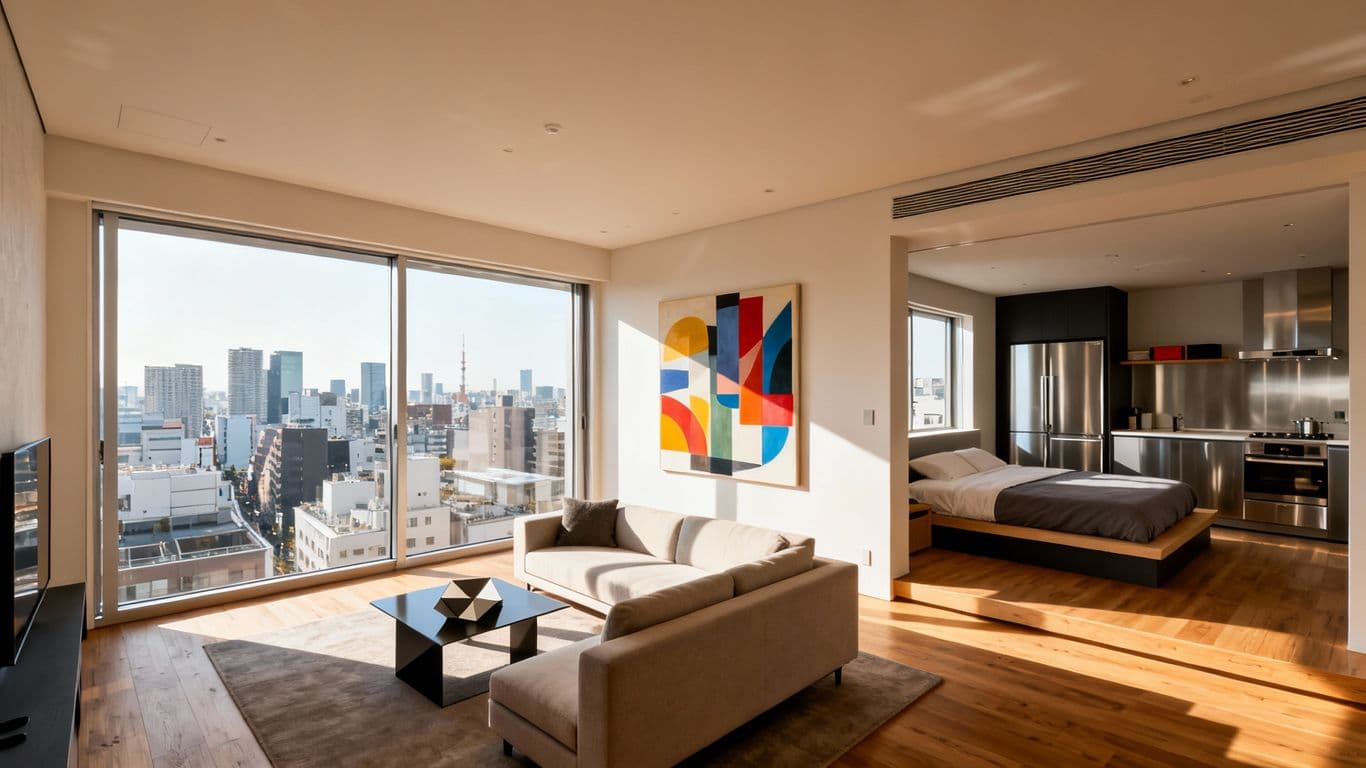
Thinking about moving to Tokyo? It's a dream for many, but figuring out the actual cost of living can be a challenge. This article breaks down what you can expect financially, whether you're flying solo or bringing the whole family. We'll look at everything from rent and daily food costs to taxes and fun stuff, giving you a realistic idea of how far $4,000 a month might actually go in this amazing city.
Key Takeaways
- A single person in Tokyo might spend around ¥318,407 ($2,050) monthly, while a family of four could be looking at ¥951,720 ($6,100).
- Rent is a big deal, with city center apartments costing more. Expect to pay about ¥172,672 ($1,110) for a one-bedroom in the center, and rents are currently rising.
- Daily food costs can vary a lot. Groceries might run ¥15,000-¥40,000 for one person, but eating out adds up quickly.
- Don't forget about social insurance and resident taxes, which are typically deducted from your salary after your first year.
- While Tokyo can seem pricey, there are ways to manage the cost of living, like using public transport, cooking at home, and taking advantage of free city events.
Understanding Tokyo's Cost of Living for Expats
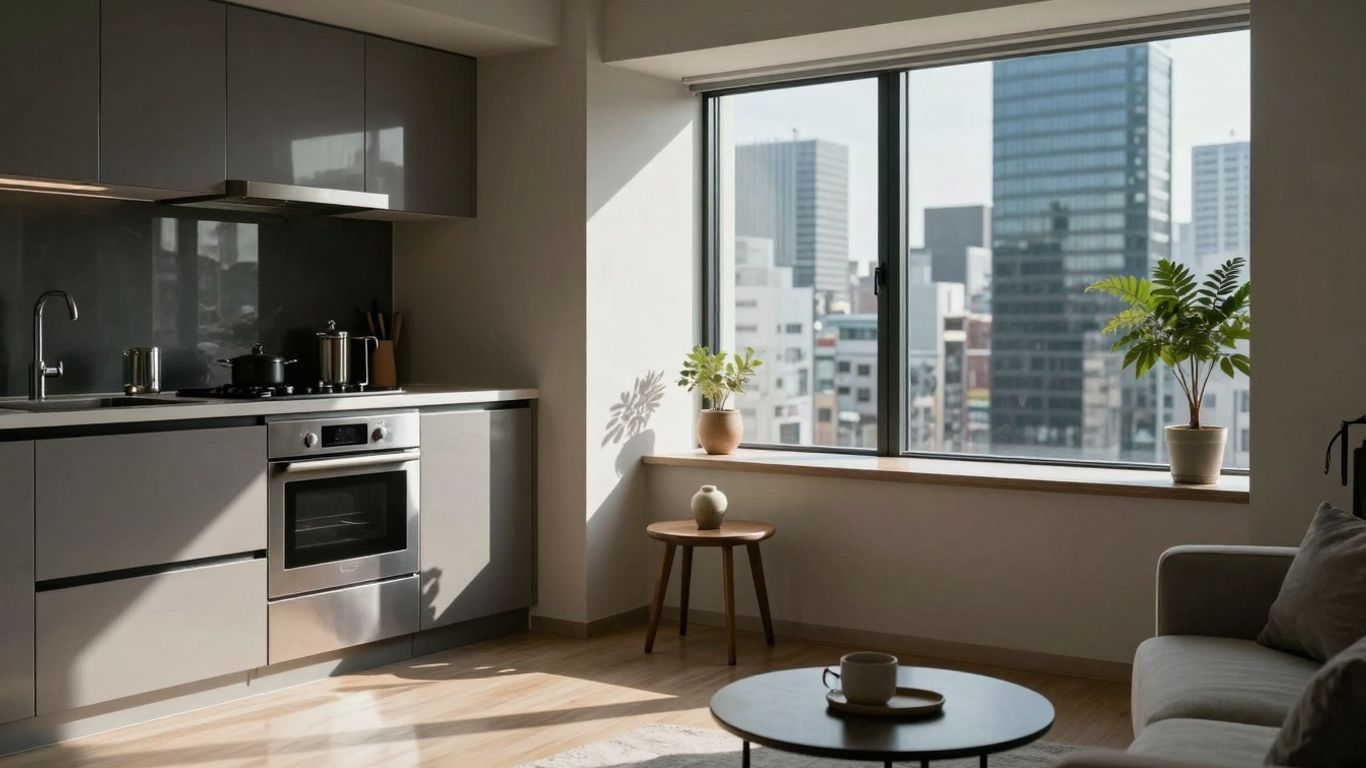
So, you're thinking about making the big move to Tokyo? Awesome! But before you start packing, let's talk about the money side of things. Tokyo is a huge city, and like any major global hub, its cost of living can seem a bit daunting at first glance. It's not exactly the cheapest place on earth, but when you stack it up against other big cities, it's actually more manageable than you might think.
Comparing Tokyo's Expenses to Other Global Cities
When you look at places like London or Sydney, Tokyo often comes out as more affordable. For instance, a family of four might spend around ¥1,509,359 a month in London, while in Tokyo, that same family could be looking at roughly ¥951,720. For a single person, the difference is also noticeable, with London costing about ¥594,377 monthly compared to Tokyo's approximately ¥318,407. It's good to know that while Tokyo is Japan's priciest city, it's not at the very top of the global expense charts.
Factors Influencing the Cost of Living in Tokyo
Several things play a role in how much you'll actually spend. Your lifestyle is a big one, of course. Are you someone who loves dining out every night, or do you prefer cooking at home? Where you choose to live within Tokyo also makes a huge difference. Central wards like Chuo or Shinjuku tend to be pricier for rent than areas further out. The size of your accommodation matters too – a cozy studio versus a three-bedroom apartment for a family will obviously have different price tags.
The Expat Budget: Single vs. Family
Let's break down some numbers to give you a clearer picture. These are just averages, mind you, and can change based on your personal choices.
- Single Person: A rough estimate for a single person living in Tokyo is around ¥318,407 per month. This includes living expenses and rent.
- Family of Four: For a family of four, the monthly cost can be around ¥951,720, covering living expenses and rent.
It's important to remember that these figures are just a starting point. Your actual spending will depend heavily on your specific circumstances and choices.
The initial costs of renting an apartment in Tokyo can be surprisingly high. Beyond the first month's rent, you might need to pay several months' worth of rent as a deposit, 'key money' (a non-refundable gift to the landlord), agency fees, and sometimes even a cleaning fee. This upfront payment can easily add up to five or six times your monthly rent, so be prepared for a significant initial outlay.
Navigating Tokyo's Housing Market
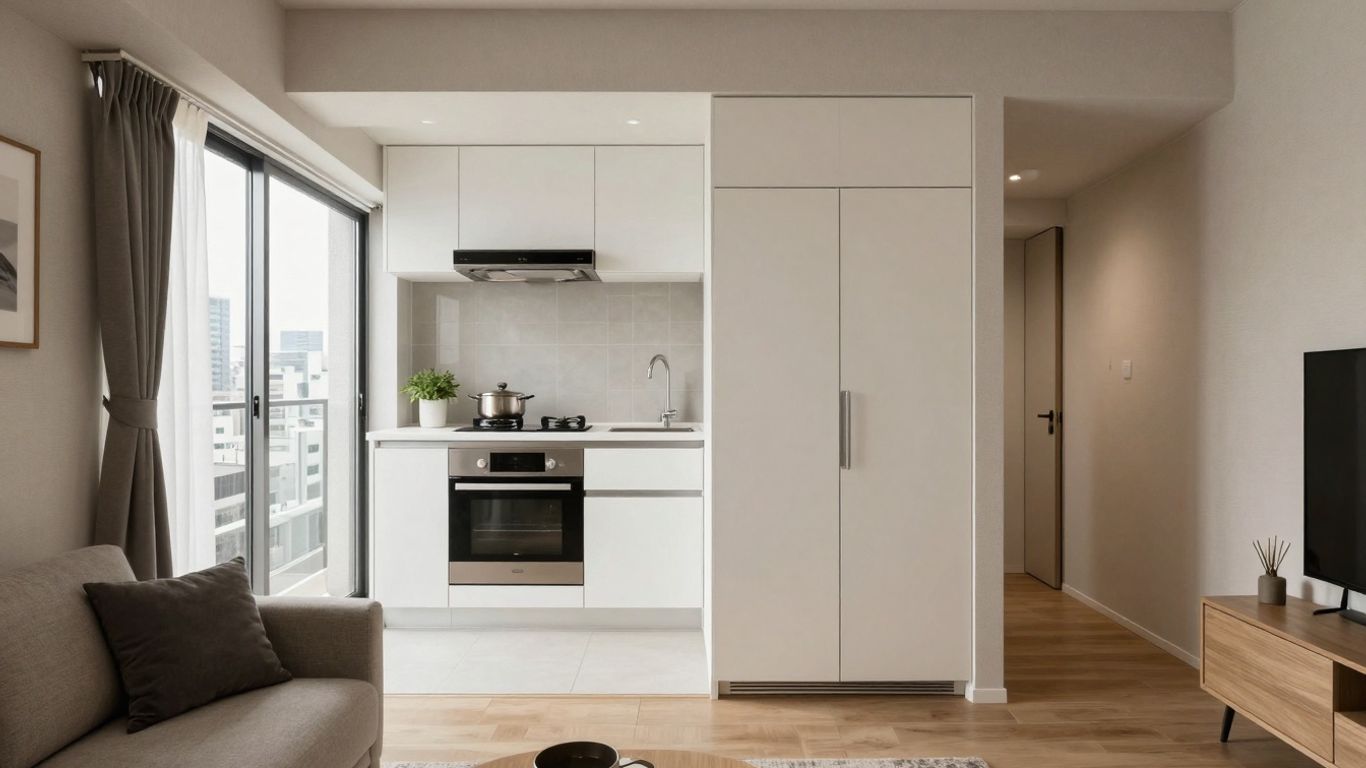
Finding a place to live in Tokyo can feel like a puzzle, especially when you're new to the city. Rent prices can really change depending on where you look, and there are some upfront costs that might surprise you. Understanding these factors is key to finding a place that fits your budget and lifestyle.
Average Monthly Rent Across Tokyo
Rent in Tokyo isn't one-size-fits-all. It really depends on the area and the size of the place. Generally, you'll find that places closer to major train stations cost more. Also, the size of apartments is usually smaller than what you might be used to in other countries.
Here's a rough idea of what you might expect for a small studio apartment (around 20-25 sqm):
| Area Type | Average Monthly Rent (JPY) | Average Monthly Rent (USD approx.) |
|---|---|---|
| Central Tokyo | ¥80,000 | $727 |
| Northern Districts | ¥60,000 | $545 |
| Upscale Wards | ¥110,000 | $1,000 |
Keep in mind these are just averages, and prices can go up or down based on specific buildings and amenities.
The Rising Rental Market for Expats
As more people move to Tokyo, the rental market can get competitive. For expats, there are a few extra things to consider when renting.
- Upfront Costs: Be ready for significant initial payments. This often includes a security deposit, a "key money" fee (a non-refundable payment to the landlord), agency fees, and sometimes a cleaning fee. This can add up to several months' rent.
- Guarantor Requirements: Many landlords require a Japanese guarantor. If you don't have one, you'll likely need to use a guarantor company, which comes with its own fee.
- Language Barrier: While many agencies are becoming more foreigner-friendly, communication can still be a hurdle. It's helpful to work with real estate agents who speak English.
- Landlord Acceptance: Unfortunately, not all landlords are open to renting to foreigners, so you might need to look at a few more places than you'd expect.
The process of finding an apartment can be lengthy and involve more paperwork than you might anticipate. It's wise to start your search well in advance of your desired move-in date and be prepared for a few extra steps.
Choosing the Right Neighborhood for Your Budget
Tokyo is huge, and each neighborhood has its own vibe and price point. Thinking about what's important to you – like commute time, local shops, or green spaces – will help narrow down your options.
- For Affordability: Consider areas like Adachi, Nerima, or Suginami wards. These tend to be a bit further out but offer more budget-friendly rents while still being connected by train.
- For a Balance: Neighborhoods like Musashi Koyama or Seijogakuen Mae offer a good mix of local amenities and reasonable prices, with decent access to central areas.
- For Trendier Vibes (and Higher Costs): Areas like Jiyugaoka or parts of Minato ward (like Omotesando) are popular but come with a higher price tag. These often have more stylish cafes and shops.
When you're looking, think about how close you want to be to work or school, what kind of shops are nearby, and if you prefer a quieter or more bustling environment. Sometimes, living a little further from the absolute center can save you a good chunk of money each month.
Essential Monthly Expenses: Beyond Rent
Okay, so rent is a big chunk of change, no doubt about it. But once that's sorted, you've got a whole other set of regular costs to think about. These are the day-to-day things that keep your life running smoothly, from what you eat to how you get around.
Daily Food Costs: Groceries and Dining Out
Food in Tokyo can be a bit of a balancing act. You can totally eat cheaply if you put in a little effort, or you can blow your budget pretty fast if you're not careful. I usually try to hit up supermarkets like Life or OK Store once or twice a week. My grocery bill usually lands around ¥15,000 a month. I stock up on basics like rice, eggs, veggies, and some frozen meats. For breakfast, it's usually yogurt and granola. Convenience stores are great for snacks and drinks, but those add up, probably another ¥5,000 a month.
Eating out is tempting, and honestly, it's everywhere. I probably go out about 6-8 times a month. A bowl of ramen might set you back ¥900, and curry is usually around ¥700. If you're hitting up a conveyor belt sushi place, expect to spend about ¥1,200. A McDonald's set is closer to ¥700. All in all, eating out probably adds another ¥8,000 to my monthly food expenses. So, for groceries and a bit of dining out, I'm looking at roughly ¥28,000 a month.
Cooking at home is definitely the way to go if you want to save money and eat a bit healthier. Plus, making bento boxes or trying out Japanese recipes is a fun way to learn more about the culture.
Utility Bills: Keeping Your Home Running
These are the bills that keep the lights on and the water running. They can change a bit depending on the season, especially with heating and cooling. On average, I'm paying about ¥4,500 for electricity, ¥2,800 for gas, and ¥2,000 for water. Don't forget Wi-Fi, which is another ¥4,000. So, utilities usually come out to around ¥13,300 per month. It's not too bad, but those electricity bills can jump in the summer and winter.
Transportation: Commuting in the Metropolis
Tokyo's public transport is seriously amazing – it's clean, on time, and pretty safe. But, it does add up. If you're commuting regularly, like to school or work, getting a commuter pass (定期券) is a must. My train ride to school five days a week costs about ¥280 each way, so with a pass, it's around ¥11,000 a month. For weekend trips or just getting around town, I use my Suica card and usually load it with about ¥4,000 to ¥5,000 extra. So, my total transportation costs usually hover around ¥15,000 a month.
Here's a quick look at typical monthly transport costs:
- Regular Commute (with pass): ¥10,000 - ¥15,000
- Occasional Travel (IC Card top-ups): ¥4,000 - ¥6,000
- Biking/Walking for short trips: Free!
The key is to use a commuter pass for your regular routes and walk or bike for shorter distances whenever possible.
Additional Costs for Expatriates
Beyond the rent and daily living expenses, there are a few other financial bits and bobs you'll need to factor in when you're living in Tokyo. These aren't always obvious when you're first planning your move, but they can add up.
Understanding Social Insurance Contributions
If you're employed by a Japanese company, you'll likely be enrolled in the national social insurance system, known as 'shakai hoken'. This is a good thing, really, because your employer covers half of the premiums. This insurance package is pretty thorough, covering:
- Health insurance (which covers about 70% of your medical bills)
- Unemployment insurance
- Labor insurance
- National pension contributions
The cost is tied to your salary, but expect it to be around 10% for health insurance and 18% for pension, with your employer footing half of that. It's a significant chunk, but it means you're covered.
Resident Tax Obligations
After your first year in Japan, you'll start paying resident tax, or 'juminzei'. This is calculated based on your income from the previous year and is usually taken directly out of your salary each month, starting in June. It's split between your local city or ward and the prefecture you live in. So, the amount can change depending on your earnings and where you're based.
This tax is a standard part of living in Japan for anyone who stays long-term. It's not just for expats, but it's good to know it's coming so it doesn't catch you by surprise.
Initial Move-In Expenses
When you first rent an apartment, there are usually a few upfront costs that can be a bit of a shock. Think of it like a deposit, but with a few extra layers. You might have to pay:
- Key money (reikin): This is a non-refundable payment to the landlord, often one to two months' rent. It's basically a gift for letting you live there.
- Deposit (shikikin): This is a refundable security deposit, usually one to two months' rent, held by the landlord to cover any damages.
- Agency fee: Most real estate agents charge a fee, typically one month's rent plus tax.
- First month's rent: Obviously, you'll need to pay this upfront.
So, for a new place, you could easily be looking at paying four to five months' rent all at once before you even get the keys. It's a big hit to your savings, but it's a one-time thing for that specific move.
Childcare and Family Considerations
Raising a family in Tokyo comes with its own set of costs, especially when it comes to childcare and education. It's a big part of the budget for many expat families, and understanding the options is key.
Types of Childcare Facilities in Tokyo
Tokyo offers a variety of childcare options, each with different structures and price points. It's not a one-size-fits-all situation, and what works for one family might not be the best for another. The availability and cost can vary significantly depending on the ward you live in and your income level.
- Licensed Daycare (Ninka Hoikuen): These are the most common and generally the most affordable option. They are subsidized by the government, and fees are usually calculated based on your household income. Applying for a spot can be competitive, so it's wise to start the process early through your local city hall.
- Unlicensed Daycare (Ninkagai Hoikuen): These facilities offer more flexibility in terms of hours and sometimes curriculum, but they typically come with a higher price tag. Fees are set by the individual facility.
- Certified Centers (Nintei Kodomo en): These places blend aspects of daycare and kindergarten, offering care and early education. Like licensed daycares, their costs are often income-based and subsidized.
- Kindergartens (Yochien): Primarily focused on early education for children aged 3-5, these are similar to preschools. Government subsidies are available, and fees can vary.
- International Preschools: For families seeking an English-speaking environment or a specific educational philosophy, international schools are an option. However, these are considerably more expensive.
Subsidies and Affordability of Daycare
Good news for families: Japan has a system of subsidies to help with childcare costs. For children aged 3 to 5, care is often free, which is a huge relief for many parents. For younger children, the cost of licensed daycare is heavily influenced by your income. The lower your household income, the less you'll pay. This makes it more manageable for a wider range of families.
Applying for subsidized care through the local government is the most budget-friendly route. It's important to research the specific requirements and application timelines for your ward, as demand can be high, especially in popular areas.
Costs Associated with Early Education
Beyond basic daycare, you might consider other forms of early education. Kindergartens (Yochien) typically cost between ¥20,000 and ¥60,000 per month, depending on the institution and any additional programs. If you're looking at international options, the costs skyrocket. Yearly fees for international primary schools can easily exceed ¥2,000,000, making them a significant financial commitment.
Here's a rough idea of monthly costs for different types of care (excluding international schools):
| Facility Type | Monthly Cost (Approx. ¥) | Notes |
|---|---|---|
| Licensed Daycare | 10,000 - 60,000 | Income-based, subsidized |
| Unlicensed Daycare | 40,000 - 80,000 | More flexible, fees vary |
| Certified Centers | 10,000 - 60,000 | Combines daycare and kindergarten |
| Kindergartens (Yochien) | 20,000 - 60,000 | Focus on early education, subsidized |
| Small-scale Daycare | 20,000 - 60,000 | Family-like environment, limited capacity |
Temporary childcare, for occasional needs, can range from ¥500 to ¥2,000 per hour. It's always a good idea to get quotes from a few places and understand exactly what's included in the fees.
Leisure and Lifestyle Choices
Living in Tokyo isn't all work and no play, right? After you've sorted out rent, food, and getting around, it's time to think about actually enjoying yourself. This is where your budget can really stretch, or shrink, depending on what you're into.
Entertainment and Socializing Expenses
Tokyo has a ton of stuff to do, from catching the latest blockbuster to belting out tunes at karaoke. A movie ticket will set you back around ¥1,800 to ¥2,000, though keep an eye out for discount days – some places offer tickets for as low as ¥1,000. If you're more into singing your heart out, karaoke sessions can range from ¥1,000 to ¥2,000 per person, especially if you go during off-peak hours. Grabbing drinks and some food at an izakaya (Japanese pub) might cost you between ¥2,000 and ¥4,000 for a casual night out. Day trips or attending local events can also add up, typically costing ¥2,000 to ¥5,000 depending on the destination and activities.
Budgeting for Hobbies and Personal Interests
Beyond just going out, think about your personal hobbies. Are you a fitness buff? Gym memberships can vary wildly. While some fancy studios might charge ¥2,000 to ¥4,000 per session, you can find more budget-friendly options. For instance, 24-hour gyms often cost between ¥3,000 and ¥10,000 monthly, which is a pretty good deal if you just need access to equipment. If you're into gaming or streaming, subscriptions like Netflix, Spotify, or online gaming services might add another ¥2,000 to ¥4,000 to your monthly bill. Buying new video games every few months could add another ¥2,000 or so when averaged out monthly.
Miscellaneous Spending Habits
Then there are the little things that creep up. Think toiletries, laundry if you use coin-operated machines (around ¥800 per month), or maybe picking up a new book or gadget. It's easy to spend an extra ¥5,000 to ¥10,000 a month on these odds and ends without even realizing it. Being mindful of these smaller expenses can make a big difference in your overall budget.
It's easy to get caught up in the excitement of a new city and overspend on spontaneous purchases. Setting a clear budget for entertainment and hobbies, and sticking to it as much as possible, will help you manage your finances better and avoid unexpected shortfalls. Remember, Tokyo has plenty of free or low-cost activities too, like exploring parks or visiting free observation decks.
Here's a rough idea of monthly costs for leisure:
| Activity | Estimated Cost (per month) | Notes |
|---|---|---|
| Movies | ¥4,000 | Assuming 2-3 visits |
| Dining Out/Izakaya | ¥8,000 - ¥15,000 | Socializing with friends |
| Gym Membership | ¥3,000 - ¥10,000 | Budget-friendly 24-hour gym |
| Streaming/Gaming Subs | ¥2,000 - ¥4,000 | Netflix, Spotify, etc. |
| Hobbies/Misc. | ¥5,000 - ¥10,000 | Books, small purchases, etc. |
| Total Estimated | ¥22,000 - ¥43,000 | This can vary greatly by lifestyle |
So, is $4,000 a month enough for Tokyo?
Alright, so we've looked at the numbers, and it seems like $4,000 a month, or around ¥600,000, can definitely get you a decent life in Tokyo. It's not exactly living large in a penthouse, but you can manage rent, eat well, get around, and even have some fun. Remember, Tokyo is huge, and there are ways to save money if you know where to look, like choosing a slightly less central neighborhood or cooking more meals at home. It's all about balancing what you want with what you can afford. So, while it's not a bottomless budget, $4,000 gives you a solid footing in this amazing city.
Frequently Asked Questions
Is Tokyo really as expensive as people say?
Tokyo is a big city, and like many big cities, it can seem pricey. However, when you compare it to other major global cities like London or Sydney, Tokyo is actually more affordable. A family of four might spend around $6,100 a month in Tokyo, while in London it could be closer to $9,800. So, while it's not cheap, it's more budget-friendly than some other popular spots.
What's the biggest cost when living in Tokyo?
Rent is usually the biggest chunk of your monthly expenses in Tokyo, especially if you want to live in a central area or close to a train station. The price can change a lot depending on the size of the place and where it is. For example, a one-bedroom apartment in the city center could cost around $1,110 per month, but if you look a bit further out, you might find something for about $580.
How much should I budget for food each month?
Your food costs can really vary. If you love cooking at home and shopping at local supermarkets, you might spend around $100 to $260 a month for groceries. But if you enjoy eating out often at restaurants or cafes, that number can jump up quite a bit, maybe to $300 or more. Eating at casual places like ramen shops can be quite affordable, though!
Are there extra costs I should know about as a foreigner?
Yes, there are a couple of things to keep in mind. You'll have to pay resident tax after your first year in Japan, which is usually about 10% of your income from the previous year. Also, if you're employed, your employer will likely enroll you in social insurance, which covers health, pension, and unemployment. You and your employer usually split the cost of this.
What are the costs for childcare if I have a family?
Childcare costs can be a big factor for families. Licensed daycare centers (called 'ninka hoikuen') are often more affordable because they get government help, and the cost is based on how much your family earns. There are also subsidies available, and kids aged 3 to 5 often get free care. Unlicensed centers might offer more flexibility but can be more expensive.
How can I save money while living in Tokyo?
Tokyo has lots of ways to save money! You can find affordable groceries at supermarkets like OK Store or Gyomu Super. Using public transport like trains and buses is generally efficient and cheaper than owning a car. Also, Tokyo has tons of free events, parks, and cheap entertainment options if you look for them. Cooking at home more often is also a great way to cut down on food expenses.
Filed under
The Moveandstay editorial team writes about serviced living, workspaces, and city guides across Asia-Pacific.
Read next

Serviced Offices Surge in Popularity as Businesses Embrace Flexible Leasing
May 3, 2026

Hong Kong Serviced Apartment Market Buzzes with Sales and Investment Activity Amidst Shifting Valuations
May 3, 2026

ONYX Hospitality Group Elevates Shama Serviced Apartments with New Lifestyle Concept and Ambitious Expansion
Apr 26, 2026